
Soups & Stews
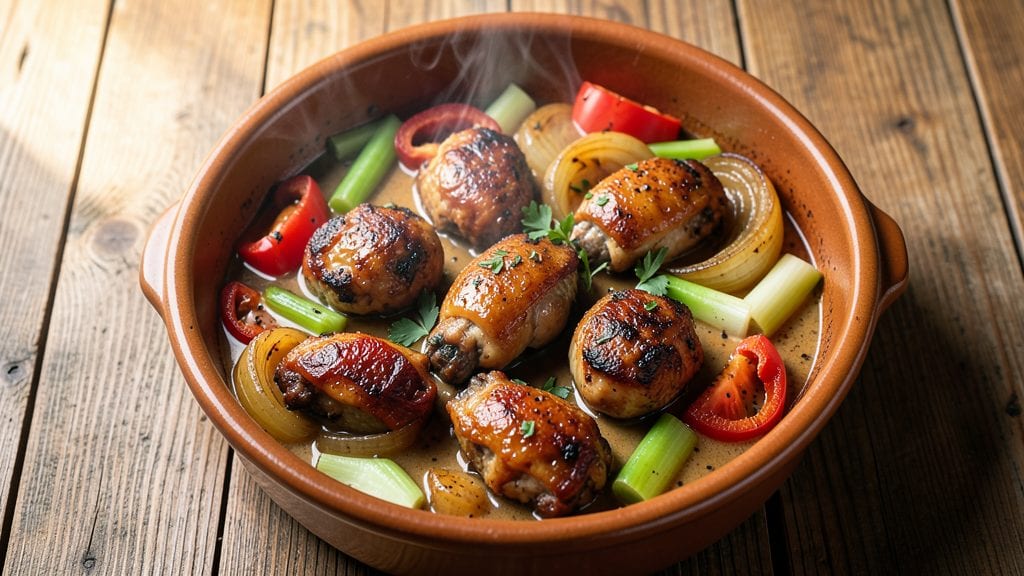
This stewed chicken gizzards recipe turns tender, fall-off-the-bone bites into a fragrant, celery-infused braise—all it takes is time and a touch of Southern know-how. The secret lies in slow simmering, which breaks down the connective tissue while absorbing aromatic spices and celery's natural sweetness.
I first learned this technique from my grandmother, who insisted proper preparation turned even the least appealing cuts into something extraordinary.
This stewed chicken gizzards recipe begins with thorough cleaning and parboiling to remove impurities, followed by a flavorful seasoning blend that includes celery, thyme, and bay leaves—classic components that create depth without overpowering the natural taste.
The slow cook transforms tough meat into tender, melt-in-your-mouth bites while developing a rich, aromatic broth that coats every piece. Whether you use a stovetop pot or an Instant Pot, the result is consistently tender and deeply flavorful.
By the time your gizzards emerge from the braise, they'll be fork-tender with a glossy sheen from the reduced cooking liquid, infused with celery's bright notes and warm spices.
The aroma alone will have everyone gathering at the table, and each bite delivers a perfect balance of savory, herbal, and slightly sweet flavors. This dish proves that even less familiar cuts can become a centerpiece when prepared with care and traditional techniques.
Serve with crusty bread to soak up the flavorful broth or alongside roasted vegetables for a complete meal. The recipe scales easily for gatherings, making it ideal for family dinners or holiday feasts where hearty, comforting dishes are in demand.
Let's create something truly special from what might otherwise be overlooked.
Ingredients for stewed chicken gizzards
Transform tough gizzards into melt-in-your-mouth bites with these aromatic, time-tested ingredients—celery, thyme, and wine create depth while slow cooking tenderizes the meat.
| Ingredient | Amount | Notes |
|---|---|---|
| Chicken Gizzards 🍗 | 1 ½ lb | Fresh, cleaned, trimmed of connective tissue |
| Celery Stalks 🥬 | 3 whole | Fresh, chopped into 1-inch pieces |
| Yellow Onion 🧅 | 1 whole | Medium, roughly chopped |
| Garlic Cloves 🧄 | 4 cloves | Fresh, peeled, smashed |
| Fresh Thyme Sprigs 🌿 | 2 whole | Stems removed, leaves only |
| Bay Leaves 🍃 | 2 whole | Dried, standard size |
| Black Peppercorns 🌶️ | 1 tsp | Freshly cracked, coarse grind |
| Kosher Salt 🧂 | 1 ½ tsp | Diamond Crystal preferred |
| Dry White Wine 🍷 | ½ cup | Sauvignon Blanc recommended |
| Chicken Broth 💧 | 2 cups | Homemade or low-sodium store-bought |
| Extra-Virgin Olive Oil 🫒 | 2 tbsp | High-quality, fruity |
| All-Purpose Flour 🌾 | 2 tbsp | For dredging gizzards |
The gizzards are the star here, so prioritize freshness and quality. Local butchers or specialty poultry suppliers often carry them pre-cleaned, which saves time. If you're cleaning them yourself, rinse thoroughly under cold water and trim any excess connective tissue—this prevents bitterness during cooking. For the celery, look for bright green stalks with no brown spots; the flavor will carry through the entire dish. The white wine adds acidity and richness, so avoid anything too sweet or oaky—Sauvignon Blanc or Pinot Grigio work beautifully. Thyme and bay leaves are non-negotiable for that classic Southern aroma, but if you can't find fresh thyme, dried works at one-third the amount.
No white wine on hand? Dry vermouth or even extra chicken broth with a splash of apple cider vinegar will replicate the acidity. The flour is simply for dredging—if you're short, cornstarch works just as well. For the broth, homemade is ideal, but Swanson or Pacific Foods low-sodium are reliable store-bought options. The olive oil should be extra-virgin and fruity—none of that cheap cooking oil. And if you're using an Instant Pot, you can skip the initial parboiling step entirely, but for stovetop, it's worth the extra five minutes to remove impurities.
Gizzards keep best in the fridge for 2 days once cleaned, so plan accordingly. The celery and thyme will stay fresh for 5-7 days wrapped in damp paper towels. This braise tastes even better the next day as flavors meld, so double the batch if you have room in your freezer. Portion into containers with the broth for easy reheating—just thaw overnight in the fridge before warming through. The broth freezes beautifully for up to 3 months, making this a perfect make-ahead dish for gatherings.
Why You'll Love This Recipe
- No Fuss, Big Payoff: I swear by this recipe because it’s the kind of meal where you chop once and forget it. Toss in the gizzards, celery, onion, and garlic—no fancy peeling or dicing—then let them simmer until the flavors meld. That’s it. (Yes, even on a Tuesday night.)
- Umami Bomb: Between us, the gizzards here are ridiculously good—they develop this deep, savory richness when stewed with thyme and garlic that makes me want to eat them straight from the pot. The celery adds that subtle earthiness, so it’s never just heavy.
- Leftovers That Don’t Suck: I make a double batch on Sundays because this stuff tastes even better the next day. Reheat it, serve it over rice or toast, or throw it in a sandwich—it’s the kind of leftovers that actually make me happy, not sad.
- Budget Magic: Honestly, this is my go-to when I need to feed a crowd without breaking the bank. Gizzards are cheap, they render down to juicy perfection, and the veggies stretch the flavor so far. My wallet and my family thank me every time.
Step-by-step instructions for stewed chicken gizzards
Transform tough gizzards into tender, aromatic bites with this precise braising technique.
Prepare the Gizzards for Cooking
Begin by thoroughly cleaning the 1.5 lb chicken gizzards under cold water, then pat them completely dry with paper towels. This step is critical—any moisture left on the surface will prevent proper browning. Using a sharp chef's knife, trim away any visible connective tissue and fat caps, leaving the gizzards clean and uniform in appearance.
In a shallow bowl, combine the 2 tbsp all-purpose flour with 1.5 tsp kosher salt and 1 tsp freshly cracked black peppercorns. Dredge each gizzard in this seasoned flour mixture, pressing gently to ensure an even coating. Let them rest for 5 minutes while you prepare the aromatics—this allows the flour to adhere and creates a golden crust during cooking.
Develop the Flavor Base
Heat the 2 tbsp extra-virgin olive oil in a heavy Dutch oven over medium heat. Add the 1 whole yellow onion and 3 whole celery stalks, both chopped into 1-inch pieces, along with the 4 smashed garlic cloves. Cook for 5-6 minutes, stirring occasionally, until the vegetables soften and begin to release their natural juices. You should notice the onions turning translucent and the celery slightly caramelized at the edges.
Add the 2 whole fresh thyme sprigs and 2 whole bay leaves to the pot, stirring for 30 seconds to distribute the herbs evenly. This aromatic base will infuse the gizzards with deep, savory notes as they braise. Keep the heat at medium—too high will burn the vegetables before they render their flavors properly.
Sear the Gizzards for Depth of Flavor
Working in batches to avoid overcrowding, add the floured gizzards to the Dutch oven in a single layer. Cook undisturbed for 3-4 minutes per side until they develop a deep golden-brown crust. This searing step is essential—it locks in juices and creates a rich fond at the bottom of the pot that will dissolve into the braising liquid. If the gizzards release easily from the pot when gently prodded, they're ready to be removed and set aside.
Once all gizzards are seared, reduce the heat to low and pour in the 0.5 cup dry white wine. Scrape up any browned bits from the bottom of the pot with a wooden spoon—these contain concentrated flavor that will deepen the stew. Allow the wine to simmer for 2-3 minutes until it reduces by half, leaving behind a glossy, aromatic liquid.
Braise to Tender Perfection
Return the seared gizzards to the Dutch oven and pour in the 2 cups chicken broth, ensuring they're fully submerged. Bring the liquid to a gentle simmer, then reduce the heat to low and cover the pot with a tight-fitting lid. The liquid should bubble softly—if it boils vigorously, the gizzards will toughen rather than tenderize. Braise for 1 hour and 15 minutes, maintaining a consistent low heat.
After 1 hour, check for doneness by piercing a gizzard with a fork—it should slide in easily with no resistance. If the gizzards aren't yet tender, continue braising for another 15-20 minutes, checking periodically. The sauce should thicken slightly as it reduces, creating a rich, velvety consistency that coats the gizzards perfectly. If the liquid reduces too quickly, add 2-3 tablespoons of water to maintain the proper braising environment.
Finish and Serve
Once the gizzards are fork-tender, remove them from the braising liquid and transfer to a serving platter. Skim any excess fat from the surface of the sauce using a spoon or fat separator, then adjust the seasoning if needed—add a pinch more kosher salt or a crack of black pepper to taste. The sauce should be well-seasoned but balanced, with the celery and thyme flavors shining through.
Serve the gizzards immediately, ladling the warm braising liquid generously over the top. Each bite should offer a harmonious blend of tender meat, aromatic vegetables, and the bright acidity of the wine-infused sauce. The gizzards should pull apart easily with minimal resistance, signaling their perfect transformation from tough to succulent. Pair with crusty bread to soak up every last drop of the rich, celery-spiced braise.
Pro Tips For Making Stewed Chicken Gizzards
- Trim the Gizzards Right: Cut off the tough membrane at the base of each gizzard—it’s the part that never softens no matter how long you stew. Use kitchen scissors for precision; I learned this the hard way after chewing through a stubborn strip in my first batch.
- Sear Them First, Slowly: Brown the gizzards in batches over medium-high heat until deeply golden—this locks in flavor before the long simmer. After searing, drop the heat to low and add just enough liquid to cover them by an inch. Rushing the sear means bland, rubbery gizzards.
- Dice Onion Like Dice: Cut the yellow onion into uniform ¼-inch cubes, not thin slices. They’ll cook evenly and dissolve into the stew without turning mushy. (Yes, it’s tedious, but your future self will notice the difference.)
- Skip the Crowding: Resist the urge to overfill the pot—crowded gizzards steam instead of sear. Cook them in two batches if needed, and you’ll end up with tender, flavorful meat instead of a sad, waterlogged pile. (I know, I know—it’s worth the extra 5 minutes.)
Serving suggestions for this stewed chicken gizzards
Crusty Bread Pairing
Serve these gizzards with a warm, crusty loaf—I love a sourdough or Italian-style bread—to soak up the rich, celery-spiced braising liquid. The bread's chewy texture contrasts beautifully with the tender meat, and each bite becomes a flavorful experience.
For extra flair, brush the bread with garlic-infused olive oil before serving. 🥖
Roasted Root Vegetables
Balance the richness of the gizzards with roasted root vegetables like carrots, parsnips, or sweet potatoes. Toss them in olive oil, salt, and rosemary, then roast at 400°F for 30 minutes until caramelized. The natural sweetness of the vegetables complements the savory, herbal notes of the gizzards perfectly.
Simple Green Salad
A light green salad with bitter greens like arugula or frisée cuts through the richness of the dish. Toss with lemon vinaigrette (mix 2 tbsp olive oil, 1 tbsp lemon juice, and 1 tsp Dijon mustard) for a refreshing contrast.
The acidity brightens the palate, making each bite of gizzard even more satisfying. 🥗
Wine and Beer Pairings
For wine lovers, a dry white like Sauvignon Blanc or Pinot Grigio mirrors the dish’s celery and thyme notes beautifully. If you prefer beer, a crisp lager or Belgian witbier (like Hoegaarden) balances the richness without overpowering the flavors. The effervescence cleanses the palate between bites.
Garnish for Elegance
Finish the dish with fresh parsley or thyme leaves for a pop of color and freshness. A drizzle of extra-virgin olive oil or a sprinkle of crumbled feta cheese adds another layer of texture.
For a touch of heat, add red pepper flakes—just ¼ tsp—to spice things up. These simple garnishes elevate the dish from rustic to restaurant-worthy. ✨
Leftovers Strategy
This stewed gizzards recipe tastes even better the next day, so plan ahead! Store leftovers in an airtight container in the fridge for up to 3 days. Reheat gently on the stovetop with a splash of chicken broth to restore moisture.
For a quick meal, serve over mashed potatoes or with buttered noodles for a comforting, hearty dish. 💡
Nutrition facts
Frequently asked questions
Why do chicken gizzards need to be parboiled before stewing?
Parboiling removes impurities and blood that can make the final dish bitter. The 5-minute boil in salted water also helps break down some connective tissue, making the gizzards more tender during the long braise. Skipping this step can leave your stew with an off-flavor or tough texture.
Can I use frozen chicken gizzards instead of fresh?
Yes, but thaw them completely first in the refrigerator—never at room temperature. Frozen gizzards should be submerged in cold water for 1-2 hours or thaw overnight in the fridge. Pat them thoroughly dry before dredging in flour to ensure proper browning during searing.
How do I know when the gizzards are fully tender?
Pierce a gizzard with a fork—it should slide in easily with no resistance. The meat should also pull apart cleanly when cut. If they're still firm after 1 hour and 15 minutes of braising, continue cooking for another 15 minutes while maintaining a gentle simmer.
Can I make this recipe in an Instant Pot instead of a Dutch oven?
Skip the parboiling step and sear the gizzards directly in the Instant Pot. After browning, add all ingredients and cook on high pressure for 20 minutes, then natural release for 10 minutes. The pressure cooker cuts the time significantly while still yielding tender results.
What if my gizzards are still tough after cooking?
Overcrowding the pot or boiling too vigorously can cause toughness. For next time, ensure gizzards are in a single layer when searing, and maintain a gentle simmer—not a rolling boil. If they're still tough after proper cooking, try adding 1 extra hour of braising time with ½ cup additional broth.