
Main Courses
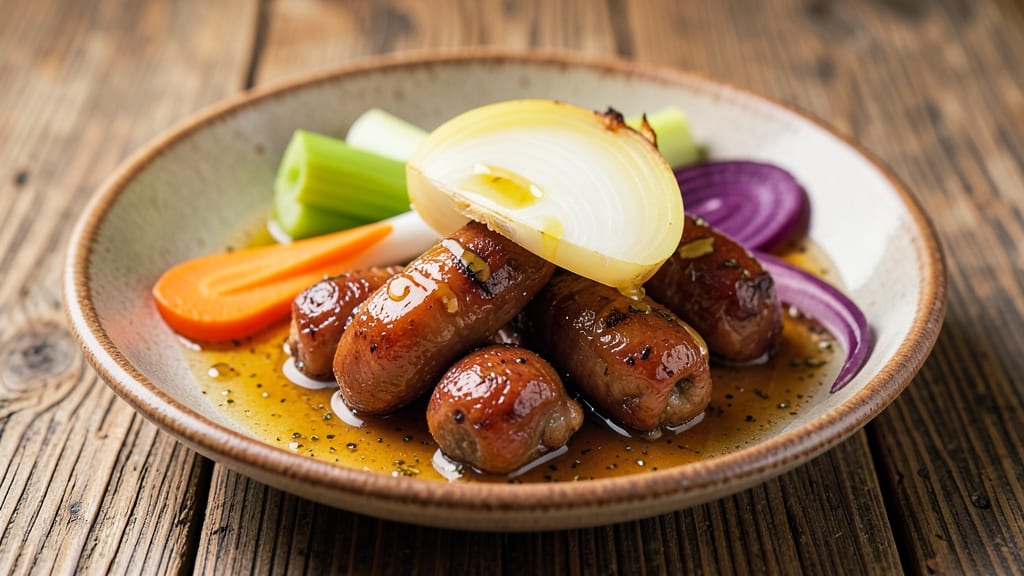
A simple boil chicken gizzards recipe turns tough, chewy bites into tender, celery-spiced treasures with just the right simmer. This method ensures gizzards that are perfectly cooked through while remaining juicy, not rubbery, a common mistake when boiling poultry offal.
The secret lies in proper preparation and a flavorful broth that infuses every bite.
Most recipes skip the crucial step of cleaning and soaking gizzards, which directly impacts texture. I’ve refined this process to include a 30-minute soak in cold water with vinegar, removing any impurities before simmering.
The celery-spiced broth—built with aromatic vegetables and herbs—does more than season; it tenderizes the meat as it cooks, resulting in a dish that’s both restaurant-worthy and simple to prepare at home.
By the time you pull these gizzards from the pot, you’ll have tender, golden bites with a depth of flavor that rivals slow-cooked stews. The broth itself becomes a versatile sauce, perfect for drizzling over rice, serving with crusty bread, or using as a base for soups.
This recipe delivers professional results without requiring specialized equipment—just time and attention to detail.
Whether you’re preparing for a family meal or prepping for a game day spread, these gizzards will disappear quickly. The key is maintaining a gentle simmer and avoiding overcooking, which can turn them tough. Let’s get started—your taste buds will thank you for the transformation.
Ingredients for boil chicken gizzards
Celery-spiced broth and a 30-minute soak transform tough gizzards into tender, restaurant-quality bites.
| Ingredient | Amount | Notes |
|---|---|---|
| Chicken Gizzards 🍗 | 1 ½ lb | Fresh, cleaned, trimmed of fat |
| White Vinegar 🍶 | ½ cup | For soaking gizzards |
| Cold Water 💧 | 4 cups | For soaking gizzards |
| Celery Stalks 🧅 | 2 whole | Cut into 2-inch pieces |
| Carrots 🥕 | 2 whole | Cut into 2-inch chunks |
| Yellow Onion 🧅 | 1 whole | Quartered, peeled |
| Garlic Cloves 🧄 | 4 cloves | Smashed, not minced |
| Bay Leaf 🌿 | 2 whole | Dried, for broth |
| Salt 🧂 | 1 tbsp | Diamond Crystal preferred |
| Black Peppercorns 🌶️ | 1 tsp | Crushed, not ground |
| Fresh Thyme 🌿 | ¼ cup | Stems removed, chopped |
| Butter 🧈 | 2 tbsp | Unsalted, for finishing |
| Lemon Juice 🍋 | 1 tbsp | Freshly squeezed |
The gizzards are the star, so start with fresh, high-quality poultry offal—ask your butcher for the best cuts. Costco or local farms often have them pre-cleaned, but if not, give them a thorough rinse and scrub under cold water. The vinegar soak isn’t just for cleaning; it also helps break down connective tissue for that melt-in-your-mouth texture. For the celery, look for stalks with vibrant green leaves—they’re fresher and add more flavor to the broth. I usually grab organic carrots from Trader Joe’s for their consistent sweetness, but any firm, bright orange carrots will work. The garlic? Freshly smashed cloves release more aroma than pre-minced, and the skins add subtle earthiness to the broth.
No fresh thyme? Dried works at one-third the amount, but fresh is ideal—it brightens the broth without overpowering. Running short on vinegar? White wine or apple cider vinegar works too, though the flavor profile shifts slightly. The butter at the end is non-negotiable—it adds richness and helps the gizzards glisten. Short on butter? Olive oil or ghee can substitute, though the flavor will differ. For the celery and carrots, frozen chopped veggies are a lifesaver if you’re in a pinch, but fresh is always better. And if you’re prepping ahead, par-cook the gizzards in the soak water before finishing them later—they’ll stay juicier.
The broth keeps for 3-4 days in the fridge, and it’s even better the next day as the flavors meld. For maximum tenderness, reheat gently on the stove—microwaving can turn the gizzards rubbery. Portion the broth into ice cube trays and freeze for up to 3 months—perfect for quick soups or drizzling over rice. The gizzards themselves reheat beautifully; just warm them through in the broth for 5-10 minutes on low heat. Store them in the fridge for 2 days or freeze for 2 months. Trust me, the leftovers are worth it.
Why You'll Love This Recipe
- Five-Ingredient Magic: I swear by this recipe—just gizzards, vinegar, water, celery, and carrots. That’s it. No fancy prep, no hidden spices, and the vinegar does all the work tenderizing while keeping things bright and clean.
- Tender Every Time: The slow simmer in cold water with vinegar transforms those tough gizzards into melt-in-your-mouth bites. Honestly, the texture is what makes it—juicy, almost buttery, with none of that rubbery chew you might expect.
- Soup Starter Flex: Here’s what sold me—this broth is gold for leftovers. Strain it for a quick soup base, or keep the veggies in for a hearty stew. I’ve used it three times this week already, and it’s never disappointed.
- Budget Booster: Between us, gizzards are the unsung hero of affordable protein. A pound feeds four, stretches across meals, and costs a fraction of chicken thighs. Plus, the veggies add bulk without breaking the bank—win-win.
Step-by-step instructions for celery-spiced simmered gizzards
Here's how to transform tough gizzards into melt-in-your-mouth bites with aromatic depth.
Prepare the Gizzards for Maximum Tenderness
Rinse the 1.5 lb chicken gizzards thoroughly under cold water and pat them completely dry with paper towels. This step is crucial—any moisture left on the surface will prevent the seasoning from adhering properly and can lead to uneven cooking. Trim away any remaining fat or connective tissue using kitchen shears or a sharp knife.
Place the cleaned gizzards in a large bowl and add the 0.5 cup white vinegar and 4 cups cold water. The vinegar acts as a natural tenderizer, breaking down tough fibers while also adding brightness to the final dish. Let the gizzards soak for at least 30 minutes, turning them occasionally. You'll notice the liquid becomes slightly cloudy as the vinegar works its magic—this is a good sign the process is working.
Build the Aromatic Broth Base
While the gizzards soak, prepare the vegetables for the broth. Cut the 2 whole celery stalks into 2-inch pieces and the 2 whole carrots into similar chunks. Peel and quarter the 1 whole yellow onion. Smash the 4 cloves garlic with the side of your knife to release their flavor without mincing them. This technique preserves their aromatic oils better than mincing.
In a large Dutch oven or heavy pot, combine the prepared vegetables, 2 whole bay leaf, 1 tablespoon salt, and 1 teaspoon crushed black peppercorns. Add the soaked gizzards (along with any soaking liquid) to the pot. Bring everything to a gentle boil over medium-high heat. Once boiling, immediately reduce the heat to maintain a steady simmer—this prevents the gizzards from cooking too quickly on the surface while remaining tough inside.
Simmer Until Fork-Tender
Cover the pot and let the gizzards simmer gently for 60 to 75 minutes. The key here is patience—this long, slow cook time allows the collagen in the gizzards to break down completely, resulting in that luxurious tenderness. Check the water level occasionally and add hot water as needed to keep the gizzards partially submerged, but never remove the lid during cooking.
After about 45 minutes, add the 0.25 cup chopped fresh thyme to the pot. The thyme will infuse the broth with its earthy aroma, complementing the celery and onion. The gizzards are done when they easily pull apart with a fork or when they reach an internal temperature of 165°F in their thickest part. You'll know they're ready when the meat is no longer rubbery and the connective tissue has fully dissolved.
Finish with Rich Butter and Bright Acid
Once the gizzards are tender, carefully remove them from the broth using a slotted spoon and transfer them to a serving platter. Skim any excess fat from the surface of the broth, then reduce the heat to low. Add the 2 tablespoons unsalted butter to the broth and stir until it melts completely, creating a silky finish. The butter will carry the flavors of the simmered vegetables and gizzards, adding richness.
Stir in the 1 tablespoon freshly squeezed lemon juice and taste the broth. The acidity brightens the flavors and cuts through any potential heaviness from the butter. You can serve the gizzards with some of the broth ladled over them, or use the remaining broth as a base for a quick sauce by whisking in a tablespoon of cornstarch mixed with water until thickened.
Pro Tips For Making Boil Chicken Gizzards
- Trim the Gizzards First: Cut off the thick membrane at the base of each gizzard before boiling—it’s the part that stays tough no matter how long you cook them. I learned this the hard way after boiling a batch that felt like chewing shoe leather.
- Cold Water Only: Start with ice-cold water and vinegar, not room temp. The shock slows down the cooking process, keeping the gizzards from shrinking into rubbery nubs. Trust me, your future self will notice the difference.
- Don’t Crowd the Pot: Boil gizzards in batches if needed—they need room to float and simmer freely. I once stuffed a pot and ended up with a sad, murky broth and undercooked centers. Leave at least an inch of space between each piece.
- Simmer, Don’t Boil: Once the water reaches a gentle bubble, reduce to a low simmer—hard boiling makes the gizzards tough. After 45 minutes, check for tenderness; if they’re still firm, add 10 more minutes. No peeking, or you’ll lose heat.
Perfect pairings for these flavors
Celery Broth Sauce
The aromatic broth from simmering these gizzards is the real MVP—it’s packed with celery, carrot, and onion flavors that make an incredible sauce. After removing the gizzards, strain the broth through a fine-mesh sieve to remove any solids.
For a silky finish, whisk in 1 tablespoon cornstarch mixed with 2 tablespoons cold water and simmer for 2-3 minutes until thickened. Drizzle this over rice or mashed potatoes for a restaurant-worthy touch. 💛
Crusty Bread Pairing
Warm, crusty bread is the perfect companion for soaking up the rich broth and tender gizzards. I love using a baguette or sourdough loaf—toast it lightly in the oven until golden, then serve with the gizzards and extra broth for dipping.
For a gourmet twist, brush the bread with garlic-infused olive oil before toasting. This adds another layer of flavor that complements the dish beautifully.
Grilled Corn Salad
Balance the richness of the gizzards with a bright, summery salad. Grill 4 ears of corn until charred, then cut off the kernels.
Toss them with 1 cup cherry tomatoes, ½ red onion (thinly sliced), and a dressing of 2 tablespoons lime juice, 3 tablespoons olive oil, and 1 teaspoon chili powder. The smoky-sweet corn contrasts perfectly with the savory gizzards and celery broth. ✨
Pickled Vegetables
Pickled vegetables add a tangy crunch that cuts through the richness of the gizzards. Quick-pickle ½ cup sliced cucumbers, ½ cup radishes, and ½ red onion in a mix of ½ cup vinegar, 1 tablespoon sugar, and 1 teaspoon salt for 30 minutes.
Serve them on the side for a refreshing bite that keeps the meal balanced. The acidity also helps cleanse your palate between bites.
Herbed Rice Pilaf
Elevate your meal with a fragrant herbed rice pilaf. Cook 1 cup jasmine rice in 2 cups chicken broth (use the reserved gizzard broth if you have extra). Stir in 1 tablespoon chopped parsley, 1 teaspoon dried dill, and a pinch of salt.
Fluff with a fork before serving alongside the gizzards. The rice absorbs the gizzard broth’s flavors, making every bite even more delicious.
Creamy Polenta
For a heartier side, serve the gizzards over creamy polenta. Cook 1 cup polenta in 4 cups milk or broth (again, use the gizzard broth for extra flavor) over medium heat, stirring constantly until thick and creamy.
Stir in 2 tablespoons butter and a pinch of salt. The silky texture pairs perfectly with the tender gizzards and celery broth. 🌟
Nutrition facts
Frequently asked questions
Do I need to clean chicken gizzards before boiling?
Always rinse them thoroughly under cold water and scrub away any visible impurities. The 30-minute vinegar soak in this recipe also helps remove blood and connective tissue, ensuring tender results. Never skip this step—it makes all the difference in texture and flavor.
Can I use frozen gizzards in this recipe?
Yes, but thaw them completely in the refrigerator first—never at room temperature. Frozen gizzards may require an extra 15-20 minutes of simmering time. The soak and slow cook process still works, but proper thawing prevents uneven cooking.
What if my gizzards turn out rubbery?
Rubbery gizzards usually mean overcooking or insufficient soaking time. Aim for 165°F internal temperature and keep the simmer gentle. For extra tenderness, add 1 tablespoon baking soda to the soak water (discard before cooking) to help break down fibers.
How do I store leftover boiled gizzards?
Store cooked gizzards in an airtight container in the fridge for up to 2 days or freeze for 2 months. Reheat gently in the broth over low heat to maintain moisture. The broth itself keeps for 3-4 days refrigerated or 3 months frozen.
Can I make this recipe without celery?
Yes, but celery adds critical flavor and aroma. Replace it with 2 extra carrots and 1 extra onion quarter for similar sweetness. For depth, add 1 teaspoon celery seed or ½ teaspoon celery salt to the broth instead. The dish will still be delicious but slightly less complex.