

You have read a hundred of these
You’re right: most recipe sites promise perfection with no proof. They’ll tell you a dish is ‘foolproof’ while hiding the three times it burned or the ingredient that got swapped at the last second. We don’t do that.
We start with the failures. Every recipe here has been made, remade, and sometimes thrown out—because even the best plans go wrong. The difference is we keep the mistakes in the notes, not the final version.
This isn’t about hiding the mess. It’s about showing you where the cracks are before you start. Because the only way a recipe works is if it works *for you*—not just in a photographer’s kitchen with ideal conditions.
Every ‘foolproof’ recipe you’ve tried has at least one step that doesn’t work unless you’ve done it before.
Anyone can write that they test things
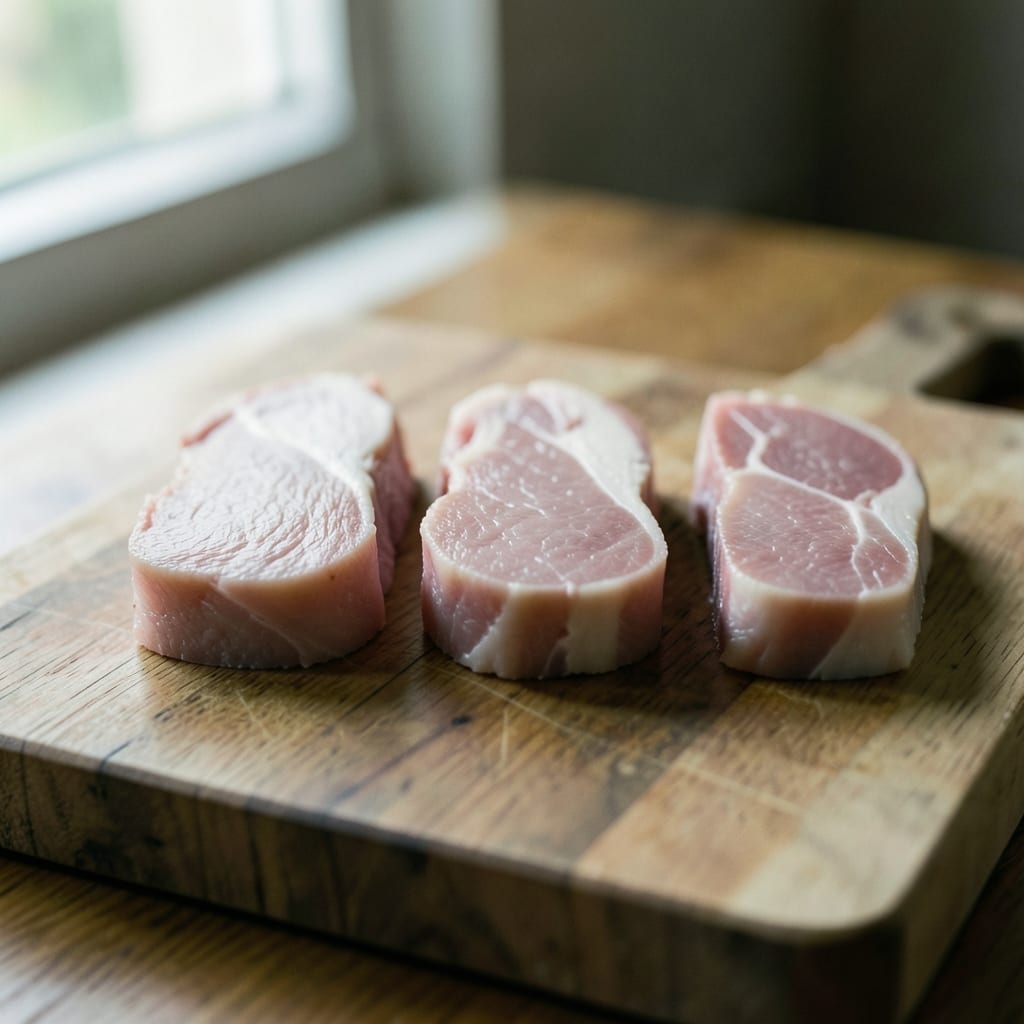
We test with a timer, a thermometer, and a strict rule: if it doesn’t work the second time, it’s not ready. That means some recipes take six attempts—others, like a perfectly buttered thigh, take twenty. The skin must crackle without burning; the wood-smoke must linger without overpowering.
We use the same tools you do: a cheap cast-iron skillet, a basic meat thermometer, and no fancy gadgets that cost more than a week’s groceries. The only exception is the digital scale, because volume measurements lie to home cooks.
And we don’t just test once. Every recipe gets made by someone who’s never cooked it before—because if it doesn’t work for a beginner, it’s not worth sharing.
We keep a log of every failed attempt—because the only way to know if a recipe works is to break it first.
About the author

Terrence Alvarado is the founder and editor, and he runs this site because he’s spent his life cooking between his mother’s rules and his own mistakes.
The rules we work by
- 1Cook it twice
The first time is to learn what goes wrong. The second is to fix it. If it fails again, we scrap it—no matter how much we like the idea.
- 2No shortcuts for key steps
Brining takes time. Resting meat costs patience. Skipping either ruins the result, so we never do it. The clock is part of the recipe.
- 3Assume the reader is tired
We write for the person who’s been on their feet all day, not the chef with an hour to spare. Every step has a reason—and we explain it.
- 4The photo must match the taste
If the dish looks perfect but tastes bland, we shoot it again. Or we rewrite the recipe. The two can’t be separated.
- 5If it doesn’t work for beginners, it’s not done
We test every recipe with someone who’s never made it before. If they can’t follow it, we go back to the drawing board.
When we break one of these rules, it’s usually because we’re tired—or because we’re chasing a flavor that doesn’t care about the rules. The result? A recipe that works once but not twice, or a photo that’s misleading. We leave those in the notes.
This will not be right for everyone
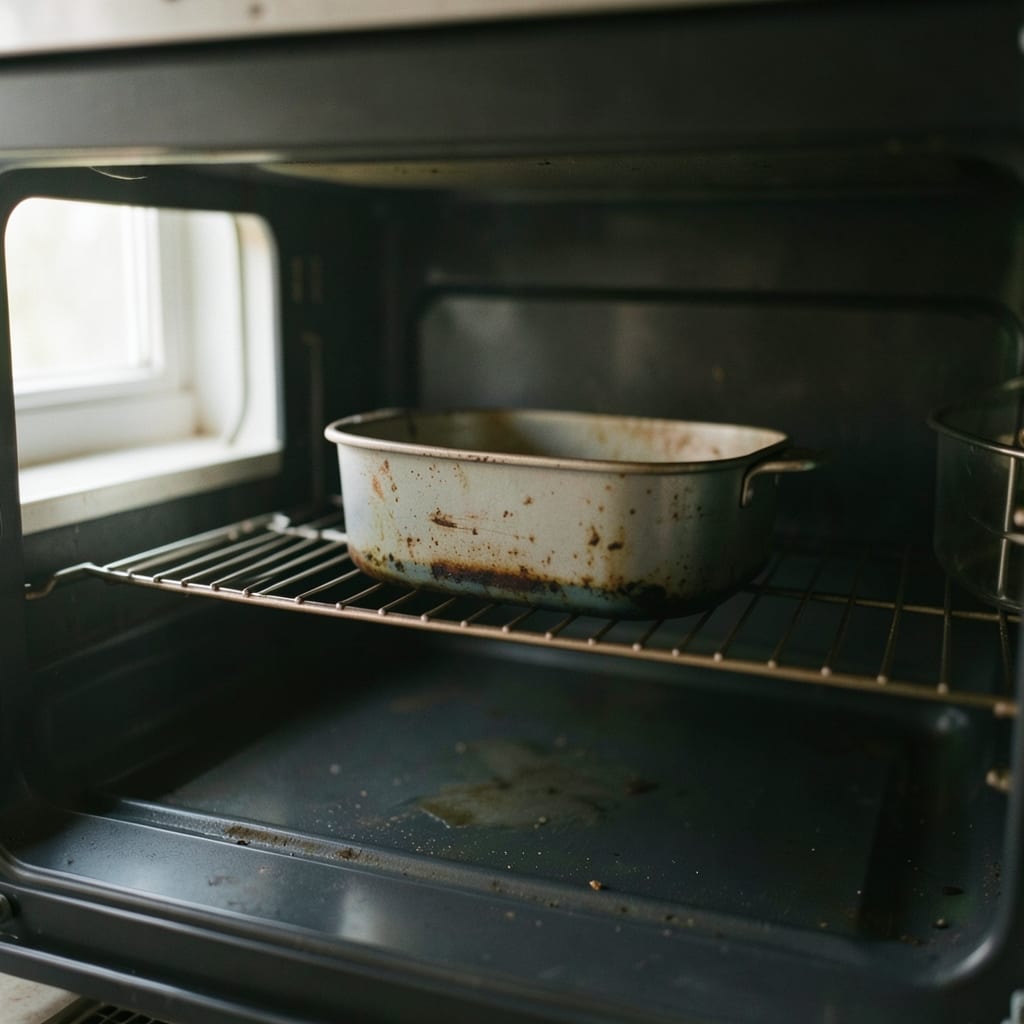
If you want recipes that sound like they’re written by food critics or TV chefs, close this page. If you’d rather scroll through Instagram-worthy shots with no substance, look elsewhere. This site is for people who’ve burned a chicken before and want to know *why*—and how to fix it.
We don’t do ‘elevated’ or ‘restaurant-style’ unless it’s something you’d actually make at home. No 12-step processes, no ingredients you can’t find at a regular grocery store. Just real food, real flaws, and real solutions.
You could just be told what you want to hear
We’d rather tell you the truth—even if it means admitting a technique is harder than it looks, or that a shortcut won’t work. You’ll never see ‘easy’ or ‘foolproof’ here, because those words mean nothing unless you’ve tried it yourself.
Worth telling us
- The one ingredient you can skip—but only if you’re in a hurry
- Why a recipe works (or why it might not, depending on your kitchen)
- What to do when something goes wrong—and how to recognise it early
The recipes are grouped by category: Appetizers, Beverages, Breakfast & Brunch, Desserts, Main Courses and Reviews.