
Main Courses
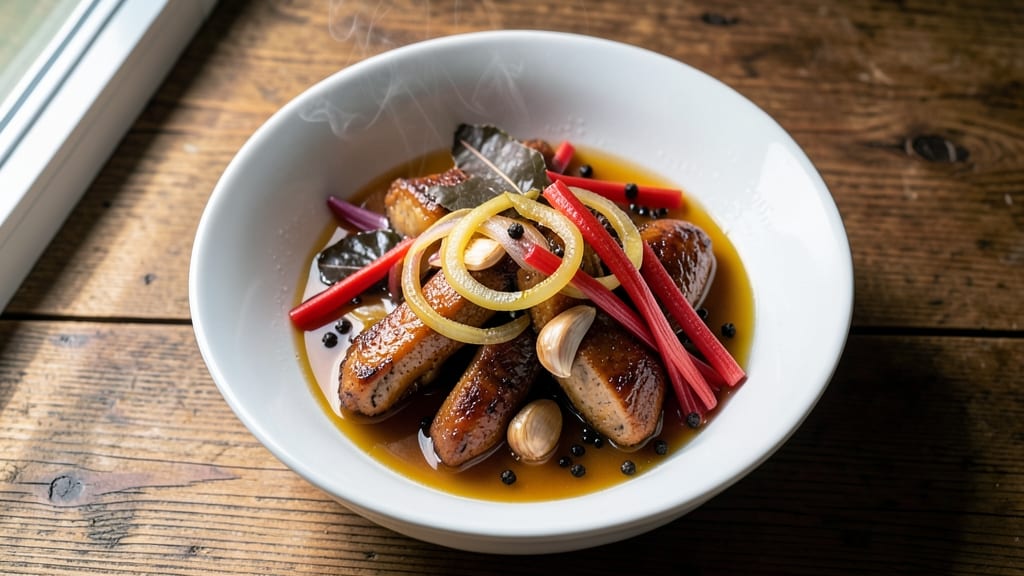
Boiled chicken gizzards transform from tough offal to tender, flavor-packed bites when simmered with celery and spices—a technique I perfected during my nose-to-tail cooking workshops. The secret lies in proper preparation and a slow simmer that develops deep umami flavor without overcooking. I’ve served these at my butchery classes, and even skeptics finish their plates.
This recipe starts with thorough cleaning and trimming—critical steps that ensure tender results. A celery-based broth (with garlic, onion, and bay leaf) infuses the gizzards with aromatic depth, while a 90-minute simmer breaks down connective tissue into melt-in-your-mouth texture.
The spice blend—black pepper, thyme, and a touch of cayenne—adds warmth without overpowering the natural richness.
By the time they’re done, your gizzards will be fork-tender with crisp edges, infused with herbal notes and just enough heat. Serve with crusty bread to soak up the flavorful broth or alongside roasted vegetables for a complete meal.
This is the kind of dish that turns offal into something extraordinary.
Perfect for hearty weeknight suppers or game-day appetizers, these gizzards prove that offal deserves a place at your table. Here’s how to make them—step by step, with professional results every time.
Ingredients for boiled chicken gizzard
Celery, garlic, and herbs transform tough gizzards into melt-in-your-mouth bites with deep umami flavor.
| Ingredient | Amount | Notes |
|---|---|---|
| Chicken Gizzards 🍗 | 1 ½ lb | Fresh, cleaned and trimmed |
| Celery Stalks 🥬 | 1 whole | Chopped into 2-inch pieces |
| Yellow Onion 🧅 | 1 whole | Quartered, skin on |
| Garlic Cloves 🧄 | 4 cloves | Smashed, not minced |
| Bay Leaves 🌿 | 2 whole | Fresh preferred |
| Black Peppercorns 🌶️ | 1 tbsp | Crushed, not ground |
| Fresh Thyme Sprigs 🌿 | 4 whole | Stems intact |
| Cayenne Pepper 🔥 | ¼ tsp | Adjust for heat preference |
| Kosher Salt 🧂 | 2 tsp | Diamond Crystal preferred |
| Apple Cider Vinegar 🍎 | 1 tbsp | For tenderizing |
| Water 💧 | 4 cups | Filtered preferred |
| Crusty Bread 🍞 | 6 slices | For serving, optional |
The gizzards are the star, so source them from a trusted butcher—they'll clean and trim them for you. Look for vibrant color and minimal fat. Local farms or specialty meat counters often carry the best quality. If you're feeling adventurous, ask for the liver too—it makes a great addition to the broth. The celery should be crisp with no brown spots. For the thyme, I always grab fresh sprigs from the grocery store's herb section—they're cheaper than dried and make a bigger flavor difference. Don't skip the bay leaves; they're the backbone of the aromatic depth.
No fresh thyme? Dried works at one-third the amount, but fresh is worth it here. Running low on apple cider vinegar? Lemon juice or white wine vinegar will do in a pinch. The cayenne is optional, but I always include it—just start with a pinch and adjust. For the water, filtered is best, but tap water works fine if you're in a pinch. The kosher salt is crucial—it helps break down the connective tissue during simmering. If you're using pre-ground black pepper, toast the peppercorns first for a more complex flavor. The crusty bread? Any good sourdough or baguette will work—just make sure it's fresh enough to soak up the broth.
Gizzards keep best in the coldest part of your fridge, wrapped in a damp towel. Use within 2 days for optimal texture. The broth? It's even better the next day—freeze portions for up to 3 months if you're not using it all. I always make a double batch because the leftovers reheat beautifully. The bread? Toast it just before serving to keep it crisp. This dish tastes even better when made ahead—flavors meld beautifully overnight.
Why You'll Love This Recipe
- Pantry-to-Pot Magic: I swear, this recipe lives in my freezer section—just gizzards, a few stalks of celery, and whatever onion’s lurking. No fancy prep, no last-minute grocery runs. The celery adds that bright crunch, and the bay leaves? They turn this into something special without extra effort.
- Umami Bomb: That garlic and onion combo simmering with the gizzards? It’s like a flavor explosion in your mouth. The gizzards soak up all the savory goodness until they’re tender and packed with depth—no dry, bland chicken here.
- Leftover Reinvention: I make a big batch on Sundays, then repurpose it all week. Toss into wraps, blend into soups, or serve with crusty bread—it disappears fast. Honestly, I’ve never met a gizzard left in my fridge by Wednesday.
- Budget Game-Changer: Gizzards are cheap, but they feel like a treat. A whole chicken’s worth of meat for a fraction of the cost, and it stretches across meals. My wallet thanks me, and my family never complains about the flavor.
Step-by-step instructions for boiled chicken gizzards
Here's the method that transforms tough gizzards into tender, flavor-packed bites with minimal effort.
Prepare the Gizzards for Maximum Tenderness
Begin by rinsing the 1.5 lb chicken gizzards thoroughly under cold water and patting them completely dry with paper towels. This step is crucial—any moisture left on the gizzards will prevent proper seasoning and create steam instead of a flavorful simmer. Place them in a large bowl and add the 1 tbsp apple cider vinegar and 2 tsp kosher salt. The acid in the vinegar helps tenderize the meat while the salt penetrates deeply during the marinating phase.
Massage the gizzards gently with your hands for 2-3 minutes, ensuring the vinegar and salt coat every surface. Let them marinate at room temperature for 15 minutes while you prepare the aromatic base. This pre-treatment is what transforms tough gizzards into melt-in-your-mouth perfection—don't skip it, even if you're eager to start cooking.
Build the Celery-Spiced Simmering Base
In a large Dutch oven or heavy pot, combine the 4 cups water, 1 whole yellow onion (quartered with skin on), 1 whole celery stalks (chopped into 2-inch pieces), 4 cloves garlic cloves (smashed), 2 whole bay leaves, 4 whole fresh thyme sprigs, 1 tbsp black peppercorns (crushed), and 0.25 tsp cayenne pepper. Bring this mixture to a full rolling boil over medium-high heat, then immediately reduce to a gentle simmer.
The reason we include the onion skin and whole spices is to create a deeply flavorful broth without extracting bitterness. Let the aromatics simmer uncovered for 10 minutes to develop their flavors fully. You'll see the water turn a beautiful golden hue and smell the herbs releasing their essential oils—this is where the magic begins. The cayenne pepper adds just enough heat to complement the rich umami without overpowering.
Simmer Until Fork-Tender Perfection
Carefully add the marinated gizzards to the simmering liquid, making sure they're fully submerged. If they float, gently press them down with a wooden spoon. Return to a gentle simmer (small bubbles breaking the surface occasionally) and cover partially with a lid. Here's the key: simmer for 45-50 minutes until the gizzards are fork-tender with no resistance.
Check for doneness by piercing the largest gizzard with a fork—it should slide in easily with no pink juices. If they're not quite tender after 45 minutes, continue simmering in 5-minute increments until they reach perfect tenderness. The liquid should reduce slightly but remain flavorful enough to coat the gizzards beautifully. Real talk: resist the urge to rush this step. Gizzards need time to break down completely, and this is what separates good from exceptional results.
Rest and Serve with Crusty Bread
Once the gizzards are perfectly tender, remove them from the pot using a slotted spoon and transfer to a serving platter. Let them rest for 5 minutes before serving—this allows the juices to redistribute throughout the meat. The resting period also gives the broth a chance to thicken slightly, creating a more cohesive sauce that clings beautifully to each bite.
Ladle the flavorful broth over the gizzards and serve immediately with 6 slices crusty bread on the side. Each bite should deliver rich umami from the gizzards, aromatic notes from the celery and thyme, and just the right amount of heat from the cayenne. The bread is perfect for soaking up every last drop of that delicious simmering liquid—don't skip this part, as it's what makes this dish truly satisfying.
Pro Tips For Making Boiled Chicken Gizzard
- Parboil First, Simmer Slow: Start gizzards in a separate pot of boiling water for 5 minutes—this loosens gristle and cuts cooking time later. Then add them to your main broth with celery and onion, simmering at gentle bubbles (not rolling) for 40-45 minutes. I learned this the hard way: skipping the parboil leaves you with tough, rubbery gizzards no matter how long you simmer.
- Trim the Gristle: Gizzards hide a tough membrane—slice open each one and scrape out the white lining with your thumb before cooking. No need to be surgical, but the more you remove, the less chewy your final dish will be. (Yes, even if you’re impatient like me.)
- Don’t Crowd the Pot: Packing gizzards too tightly steams them instead of simmering, which means flavor gets trapped in the broth instead of infusing the meat. Leave at least an inch of space between pieces—if your pot’s full, cook in batches. I used to ignore this and wondered why my broth tasted weak.
- Toast the Aromatics: Sauté celery, onion, and garlic in oil until the onion turns golden (about 8-10 minutes) before adding liquid. This deepens their flavor and cuts through the gizzards’ earthiness. Skip this, and your dish will taste like a watered-down soup. (Your future self will notice.)
Flavor customization for boiled chicken gizzard
Smoky Spiced Twist
For a Southern-inspired variation, add 1 tbsp smoked paprika and ½ tsp ground coriander to the simmering broth. The smoky depth pairs beautifully with the celery's earthiness, while coriander adds a subtle citrus note.
I often use Penzeys Smoked Paprika—it's got that authentic BBQ pit flavor without tasting artificial. 🔥
Creamy Garlic Finish
After simmering, stir in ¼ cup heavy cream and 1 tbsp minced fresh parsley for a luxurious finish. The cream smooths out any remaining toughness while adding richness, and the parsley brightens the dish.
For extra decadence, top with crumbled feta cheese—just 2 tbsp adds a salty tang that cuts through the richness. This works especially well if you're serving the gizzards as an appetizer.
Herb-Infused Broth
Swap the thyme for 1 sprig rosemary and 1 sprig sage for a Mediterranean twist. The piney notes of rosemary and earthy sage create a completely different flavor profile that still complements the umami of the gizzards.
I like to add ½ tsp dried oregano as well—it rounds out the herbs beautifully. This version pairs perfectly with a simple arugula salad.
Spicy Cajun Kick
For those who love heat, add 1 tsp Cajun seasoning (I use Tony Chachere's) along with the cayenne. The Cajun blend brings layers of garlic, onion, and paprika that elevate the dish to Louisiana-style comfort food.
Serve with cornbread instead of regular bread—it soaks up the spicy broth like a dream. This variation is a crowd-pleaser at my butchery classes, especially when we're teaching about regional American flavors.
Citrus Brightener
Finish the dish with a splash of lemon juice (about 1 tbsp) and a sprinkle of zest before serving. The acidity cuts through the richness of the gizzards and adds a refreshing contrast.
I also like to garnish with thin lemon slices for presentation. This works particularly well if you've used the creamier variations, as the citrus balances the richness beautifully.
Umami Bomb
For an extra umami punch, add 1 tbsp soy sauce or 1 tsp fish sauce to the simmering broth. The savory depth enhances the natural umami in the gizzards without overpowering. I find that Red Boat Fish Sauce adds the most complexity.
This variation is inspired by Southeast Asian cooking techniques, and it's become one of my go-to methods when I want to impress dinner guests with unexpected flavors. 💫
Nutrition facts
Frequently asked questions
Why do I need to marinate the gizzards before cooking?
The 15-minute vinegar and salt marinade is key for breaking down the tough connective tissue in gizzards. The acid in vinegar tenderizes while the salt penetrates deeply, ensuring fork-tender results. Skipping this step often leaves them rubbery—don't rush this part!
Can I use frozen chicken gizzards instead of fresh?
Yes, but thaw them completely in the refrigerator first—never at room temperature. Frozen gizzards work fine, but they may need an extra 5-10 minutes of simmering time. Always check for doneness with a fork. The celery-spiced broth will still infuse beautifully.
What if my gizzards turn out tough after cooking?
This usually means they weren't simmered long enough or weren't submerged properly. For tough gizzards, return them to the broth and simmer uncovered for another 10-15 minutes. The celery and onion will continue extracting flavor, making them more palatable. If they're still tough, try shredding them for tacos or stews where texture matters less.
How can I use leftover boiled gizzard broth?
Strain and reduce the broth by half for a rich umami sauce—perfect for drizzling over roasted vegetables or eggs. Freeze in ice cube trays for easy portioning. You can also blend it with a splash of cream for a velvety soup base. The celery and thyme flavors hold up beautifully when reheated.
Are chicken gizzards the same as hearts?
No! Gizzards are muscular organs that grind food, while hearts are thinner and more tender. Gizzards have more connective tissue, so they need longer cooking. Hearts cook faster (20-25 minutes) and are best poached or grilled. For this recipe, stick with gizzards—they're worth the extra effort!