
Main Courses
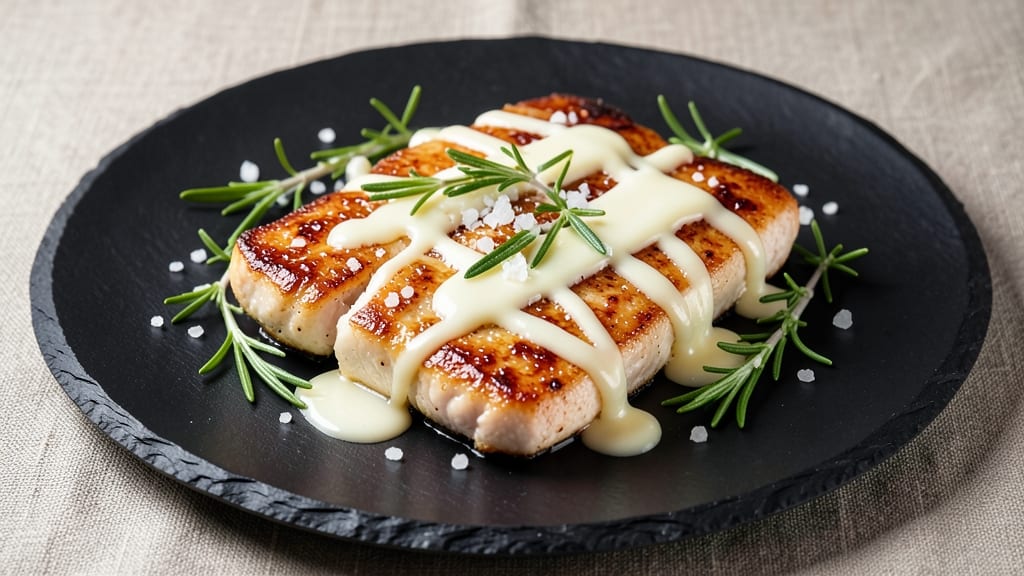
A simple chicken recipe that delivers juicy, flavorful results without the fuss is exactly what weeknight dinners need. After years of perfecting my grandmother's Sunday roast techniques, I've simplified them into this foolproof pan-seared method—where crispy herby butter crust meets tender, moist chicken every time.
The secret lies in proper seasoning and gentle cooking, not complicated steps.
This recipe transforms basic chicken breasts into a restaurant-worthy main course in just 20 minutes of active time, with minimal prep. You'll need only 5 simple ingredients—chicken, butter, herbs, salt, and pepper—plus a few pantry staples.
The herby butter crust adds depth without overpowering the natural flavor of the chicken, creating a texture that's both satisfying and elegant.
What you'll end up with is perfectly juicy pan-seared chicken with a golden, aromatic crust that locks in moisture. Each bite delivers that perfect balance of crispy exterior and tender interior, elevated by the rich herby butter.
It's the kind of dish that feels special without requiring hours in the kitchen or advanced techniques.
Pair it with roasted vegetables, mashed potatoes, or a fresh salad for a complete meal. The beauty of this recipe is its versatility—it works equally well for weeknight dinners or Sunday family meals. Here's everything you need to make it happen.
Ingredients for simple chicken
Five core ingredients transform simple chicken into restaurant-quality perfection with minimal effort.
| Ingredient | Amount | Notes |
|---|---|---|
| Boneless, Skinless Chicken Breast Cutlets 🍗 | 1 ½ lb | Pounded to even thickness |
| Unsalted European-Style Butter 🧈 | ½ cup | Cold, cubed for crust |
| Fresh Rosemary Sprigs 🌿 | 2 whole | Finely chopped, organic preferred |
| Fresh Thyme Leaves 🌿 | 1 tbsp | Packed, stems removed |
| Diamond Crystal Kosher Salt 🧂 | 1 ½ tsp | Fine grain, not iodized |
| Freshly Ground Black Pepper 🌶️ | ½ tsp | Cracked peppercorns preferred |
| Extra-Virgin Olive Oil 🫒 | 1 tbsp | For pan searing |
| Fresh Lemon Juice 🍋 | 1 tbsp | From organic lemon |
The chicken cutlets are non-negotiable for this technique—look for boneless, skinless breasts with even thickness (about 1/2-inch). Whole Foods Market or local butchers often carry the most consistent cuts. Pound them to uniform thickness using a meat mallet or rolling pin—this ensures even cooking. For the herbs, organic rosemary and thyme from the grocery store's produce section will give you the best flavor, but dried will work in a pinch (use half the amount). The butter matters too: European-style unsalted butter like Plugrá or Kerrygold has higher fat content, which is crucial for that perfect crust.
No fresh herbs? Dried rosemary and thyme at one-third the amount will suffice, though the flavor won't be as vibrant. Running out of extra-virgin olive oil? Avocado oil works equally well for searing—just avoid anything with a low smoke point. The lemon juice can be substituted with white wine vinegar if needed, though it will change the flavor profile slightly. For the salt, Diamond Crystal kosher salt dissolves cleanly and is the gold standard, but any fine-grain salt will do. The pepper should be freshly ground—pre-ground loses its punch quickly, so invest in a pepper grinder if you cook often.
Store the pounded chicken cutlets between parchment paper in the fridge for up to 2 days—they'll keep their shape better than raw breasts. The chopped herbs can be prepped ahead and stored in an airtight container in the refrigerator for 3 days or frozen for 3 months. The butter should remain cold until ready to use, so keep it in the freezer until you're about to sear. This dish reheats beautifully—5 minutes in a skillet over medium heat restores the crispy crust. Portion the cooked chicken into meal prep containers for quick lunches, but add the herby butter crust fresh to maintain texture.
Why You'll Love This Recipe
- Foolproof Seasoning: I swear by the salt-and-herb combo here—the rosemary and thyme don’t just hint at flavor, they own it. Just a pinch of kosher salt and a few sprigs while the butter melts, and suddenly you’ve got restaurant-quality depth without extra steps.
- One-Pan Magic: Between us, this is my lazy-day secret: chicken, butter, herbs, and a single skillet. No chopping, no flipping drama, just golden-brown perfection that comes together while you stir a pot of pasta or toss a salad.
- Lunchbox Hero: Here’s what sold me—this chicken stays ridiculously good cold the next day. Pack it with crusty bread, a smear of that same butter, and you’ve got a lunch that’ll make coworkers ask for your recipe.
- Budget Flex: Unsalted butter and simple herbs stretch my grocery budget further than you’d think. A single pound of chicken makes four servings, and the leftovers? I’ll freeze them for future "I’m too tired to cook" nights—no guilt, just flavor.
Step-by-step instructions for juicy pan-seared chicken
This method delivers perfectly juicy chicken with a flavorful herby butter crust every time.
Prepare the Chicken for Even Cooking
Begin by pounding the 1.5 lb boneless, skinless chicken breast cutlets between two sheets of plastic wrap to an even ½-inch thickness. This ensures consistent cooking throughout. Place each cutlet on the plastic and use a meat mallet to gently tap until uniform. I press down firmly but evenly—too much force can tear the meat, while too little leaves uneven thickness that causes some areas to overcook.
Once pounded, season both sides generously with the 1.5 tsp diamond crystal kosher salt and 0.5 tsp freshly ground black pepper. Let the seasoning sit for 10 minutes at room temperature. This resting period allows the salt to penetrate the surface, creating a flavorful crust while preventing excessive moisture loss during cooking. The chicken should feel slightly tacky to the touch when ready—this is your signal that it's properly seasoned.
Create the Herby Butter Crust
In a small bowl, combine the 0.5 cup unsalted european-style butter with the finely chopped 2 whole fresh rosemary sprigs and 1 tbsp fresh thyme leaves. Mince the rosemary sprigs first—this releases their aromatic oils more effectively. Let the mixture sit at room temperature for 5 minutes to allow the herbs to infuse the butter. The butter should take on a vibrant green hue from the rosemary and a subtle purple tint from the thyme.
Heat 1 tbsp extra-virgin olive oil in a large skillet over medium-high heat until shimmering. The oil is ready when it ripples gently when you drag your finger through it—this indicates proper heat for searing. Reduce heat to medium once the oil is hot, then add the chicken cutlets in a single layer. Cook undisturbed for 4-5 minutes per side until golden brown with crisp edges. This initial sear locks in juices while creating the foundation for your herby butter crust.
Finish with Herby Butter and Lemon
Remove the chicken from the skillet and reduce heat to low. Add the herby butter mixture to the pan, tilting to coat the bottom evenly. Let it melt completely, about 30 seconds, then return the chicken to the skillet. Spoon the melted butter generously over each cutlet, ensuring complete coverage. The butter should sizzle gently as it coats the chicken, creating a glossy finish.
Add the 1 tbsp fresh lemon juice to the pan and toss everything together for 1-2 minutes. The acidity brightens the flavors while the residual heat finishes cooking the chicken to an internal temperature of 165°F. You'll know it's done when the juices run clear when pierced with a meat thermometer. Let the chicken rest for 5 minutes before serving—this crucial step allows the juices to redistribute, preventing them from pooling on your plate.
Serve Immediately for Maximum Juiciness
Slice the chicken against the grain into ½-inch thick pieces and serve immediately. The herby butter crust should remain intact and glossy, while the interior stays moist and tender. Each bite should deliver a perfect balance of savory, herbal notes with a bright citrus finish. The lemon juice not only enhances flavor but also helps maintain moisture in the chicken during the final resting period.
For best results, serve with a simple arugula salad or roasted vegetables to complement the rich herby flavors. The simplicity of this preparation belies its sophistication—the key lies in proper technique and quality ingredients working together. This method consistently delivers restaurant-quality results in your home kitchen.
Pro Tips For Making Simple Chicken
- Pound to Even Thickness: Chicken breasts vary in size—don’t skip leveling them to ½-inch thickness. I learned this the hard way when one side burned while the other stayed raw; consistent thickness guarantees even cooking every time.
- Salt the Butter First: Toss the cold butter with ½ teaspoon kosher salt before adding herbs—it dissolves better and seasons the pan directly. Skip this, and you’ll end up with dry butter clumps that don’t flavor the chicken as well.
- Start High, End Low: Sear the chicken over medium-high heat until golden (about 3 minutes per side), then reduce to medium-low to finish. After burning two batches, I finally realized high heat upfront builds flavor, but low heat prevents overcooking the center.
- Herb Bundle Trick: Tie rosemary sprigs and thyme leaves with kitchen twine into a bundle—it stays intact, infuses the butter evenly, and lets you easily remove it at the end. Sounds fussy, but it actually saves cleanup and keeps the dish looking polished.
Wine and beer pairings for simple chicken
Light White Wine
For this herby butter chicken, I reach for a crisp Sauvignon Blanc from New Zealand—think Cloudy Bay or Oyster Bay—because its bright acidity and citrus notes mirror the lemon finish in the dish.
The zesty flavors cut through the richness of the butter crust while complementing the rosemary and thyme. If you prefer something with more body, a French Chablis (100% Chardonnay) offers mineral notes that pair beautifully with the chicken's savory depth. Serve slightly chilled to enhance the wine's refreshing qualities. 🍷
Crisp Lager Beer
A German Pilsner like Warsteiner or Stella Artois works perfectly with this recipe, balancing the herby richness without overpowering it. The light malt sweetness and subtle hop bitterness cleanse your palate between bites, making each flavor profile stand out.
For a local option, try a Belgian Witbier such as Hoegaarden—its coriander and orange peel notes add a fun contrast to the rosemary. Serve the beer ice-cold to highlight its crispness. 🍺
Red Wine Alternative
If you prefer red, a light Pinot Noir from Oregon—like Domaine Serene—is my go-to choice. Its delicate berry flavors and silky tannins won’t compete with the herby butter but instead enhance the dish’s elegance. Avoid bold reds like Cabernet Sauvignon, as their tannins can clash with the butter’s richness.
For a budget-friendly option, Louis Jadot Bourgogne offers excellent balance at an affordable price. Decant for 30 minutes to soften any remaining acidity. 🍷
Non-Alcoholic Options
Skip the alcohol? A sparkling apple cider like Martinelli’s or Woodchuck adds festive bubbles and subtle sweetness that pairs surprisingly well. For a savory option, try a sparkling water infused with fresh lemon slices and a rosemary sprig—it mimics the dish’s key flavors without the alcohol.
Both options keep the meal feeling special while staying refreshing. ✨
Serving Temperature Tips
Wine should be served at 45-50°F for whites and 60-65°F for reds to fully appreciate their aromas and flavors. Beer is best ice-cold, around 35-40°F, to highlight its crispness.
If you’re unsure, I always recommend chilling whites and reds slightly longer than you think—it’s better to err on the cooler side. Pro tip: Use an ice bucket with a wine chiller for whites or a frozen water bottle for beer to achieve the perfect temperature quickly. 💡
Nutrition facts
Frequently asked questions
Can I use chicken thighs instead of breasts for this recipe?
Chicken thighs work beautifully and actually have more forgiving cooking times. Use 2 bone-in, skin-on thighs per serving, skin-side down first in the pan. Cook for 6-7 minutes per side until golden and the internal temperature reaches 165°F. The skin will crisp up perfectly with the herby butter, creating extra flavor and texture.
Why does my chicken end up dry when I cook it?
Dry chicken usually happens from overcooking or not letting it rest. Always use a meat thermometer—chicken is done at 165°F. Let it rest for 5 minutes after cooking to let juices redistribute. Also, avoid cutting into it immediately, and never cook it at high heat for too long. The herby butter method locks in moisture while creating that perfect crust.
What's the best way to store leftovers?
Store cooked chicken in an airtight container in the fridge for up to 3 days. To reheat, place pieces in a skillet over medium heat for 3-4 minutes with a splash of water or broth to restore moisture. For longer storage, freeze for up to 3 months—thaw overnight in the fridge before reheating. The herby butter crust won't be as crisp after reheating, but the flavor remains delicious.
Can I make this recipe ahead of time?
You can prep components ahead! Chop the herbs and mix with butter up to 3 days in advance, storing in the fridge. Pound the chicken and season it, then refrigerate for up to 2 days wrapped tightly. For the full dish, cook just before serving to maintain texture—this recipe is best enjoyed fresh from the pan for that perfect crust.