
Main Courses
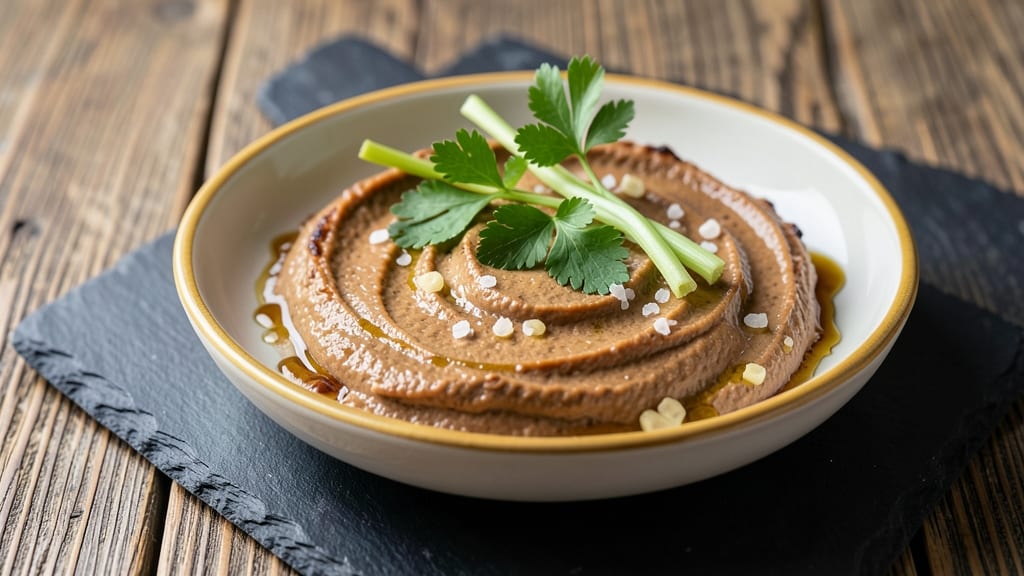
A basic chicken liver pâté recipe turns simple offal into a velvety, luxurious spread that will impress even the most discerning guests. The secret lies in rendering fat properly and balancing celery’s crisp freshness with liver’s rich depth—creating a texture that’s velvety yet rustic.
I learned this technique from Charleston’s old-school butchers, where every batch was judged by its silky mouthfeel and ability to shine alongside crusty bread.
This recipe delivers professional results without requiring specialized equipment. We’ll start by carefully rendering the fat to achieve that signature glossy finish, then blend the livers with aromatic celery until perfectly smooth.
The key is patience—letting flavors meld during the slow cook, then chilling until set. Whether you prefer a sleek terrine or rustic spoonable texture, this method adapts to your style.
What you’ll end up with is a pâté that’s rich enough to stand alone but bright enough to complement bold flavors. The celery infusion cuts through the liver’s intensity, creating a harmonious balance that’s both elegant and satisfying.
Serve it on toasted baguette slices, alongside charcuterie, or as a garnish for steak—each bite delivers restaurant-quality depth in every spoonful.
For those short on time, we’ll include a quick chilled version that still delivers impressive results. The traditional terrine method ensures maximum flavor development, while the modern adaptation proves you don’t need hours to create something extraordinary.
Let’s get started on a recipe that proves offal can be the star of the table.
Ingredients for basic chicken liver pate
Eleven ingredients transform humble offal into a velvety pâté with restaurant-quality depth and texture.
| Ingredient | Amount | Notes |
|---|---|---|
| Fresh Chicken Livers 🍗 | 1 ½ lb | Trimmed of connective tissue |
| Celery Stems 🧅 | 2 cups | Leaves removed, finely chopped |
| Unsalted Butter 🧈 | ¾ cup | Cold, cubed for rendering |
| Shallots 🧅 | 2 whole | Minced, finely diced |
| Fresh Parsley 🌿 | ¼ cup | Stems included, finely chopped |
| Extra-Virgin Olive Oil 🫒 | ¼ cup | For finishing, high quality |
| Diamond Crystal Kosher Salt 🧂 | 1 ½ tsp | Adjust to taste |
| Freshly Ground Black Pepper 🌶️ | ½ tsp | Coarsely ground |
| Brandy 🍷 | ¼ cup | Optional, for depth |
| Heavy Cream 🥛 | ½ cup | Full-fat for richness |
| Baguette 🥖 | 1 whole | For serving, crusty |
The quality of your chicken livers makes all the difference. Local butchers or high-end grocery stores like Whole Foods offer the freshest cuts, often pre-trimmed for convenience. Look for livers that are bright red and moist, not gray or slimy—a sign of freshness. If you're working with whole livers, trim away any connective tissue or blood vessels meticulously; this step ensures a silky texture. For the celery, organic stalks work best as they tend to be cleaner, but regular celery will suffice if washed thoroughly. The butter should be cold and unsalted—salted butter can alter the delicate balance of flavors in this pâté.
No brandy? Dry sherry or even a splash of apple cider vinegar adds acidity to brighten the liver's richness. Substituting heavy cream? Full-fat sour cream at half the amount works in a pinch, though texture may vary slightly. Fresh parsley is ideal, but dried parsley at one-third the quantity can be used if absolutely necessary. For the celery, fennel bulb or leek greens can replace up to half the amount, adding a slightly different but equally aromatic profile. If you're short on time, pre-chopped celery from the refrigerated section saves minutes without sacrificing quality.
This pâté develops best when chilled overnight, allowing flavors to meld completely. Store any leftovers in an airtight container in the refrigerator for up to 5 days, though the flavor continues to improve for the first 24 hours. For longer storage, portion into small containers and freeze for up to 3 months. The terrine can be wrapped tightly in plastic wrap and stored in the freezer for the same duration. When ready to serve, bring to room temperature for 30 minutes to achieve that signature silky texture—never microwave, as it can make the fat separate.
Why You'll Love This Recipe
- Five-Ingredient Magic: I swear by this—just livers, celery, butter, shallots, and parsley. That’s it. No fancy gadgets, no stress. The celery soaks up the livery richness while the butter turns it into something silky-smooth with almost no effort.
- Rich Without Trying: Between us, chicken livers pack more punch than their size suggests. Sautéed with shallots until golden, then blended with butter until it’s velvety? Honestly, that crispy edge with the creamy center is the kind of flavor that lingers. My husband licks the spoon—no joke.
- Weeknight or Fancy Spread: Slather it on crusty bread for a quick dinner, or pipe it into puff pastry for a last-minute appetizer. I’ve even used it to jazz up a boring charcuterie board when guests drop by. It’s the ultimate “I’ll make it work” ingredient.
- Budget-Friendly Luxury: A pound of livers costs less than a fancy cheese platter, but this pate tastes like you spent hours in a Parisian kitchen. The leftovers? I freeze them in ice cube trays—perfect for future toast toppings or pasta sauces. Zero waste, maximum flavor.
Step-by-step instructions for celery-infused chicken liver pâté
This method delivers a velvety, celery-bright pâté with perfect texture every time.
Prepare and Sear the Chicken Livers
Begin by trimming any connective tissue from the 1.5 lb fresh chicken livers using a sharp knife. This ensures a silky texture rather than a chewy bite. Pat the livers completely dry with paper towels—moisture is the enemy of proper searing.
Heat a large skillet over medium-high heat and add 0.25 cup extra-virgin olive oil. Once shimmering, add the chicken livers in a single layer. Sear for 3-4 minutes per side until they develop a deep brown crust and reach an internal temperature of 145°F. Remove from heat immediately and set aside to cool slightly. Overcooking will turn them rubbery, so don't walk away during this step.
Sauté Aromatics and Render Butter
In the same skillet (no need to clean it—the fond is flavor gold), add 0.75 cup cold unsalted butter and let it melt over medium heat. Once foaming subsides, add the 2 whole minced shallots and 2 cups finely chopped celery stems. Cook for 5-6 minutes until the shallots soften and the celery becomes translucent.
Season with 1.5 tsp diamond crystal kosher salt and 0.5 tsp freshly ground black pepper, stirring occasionally. The mixture should release its natural juices and develop a rich, aromatic base. If the butter begins to brown too quickly, reduce heat slightly—you want to develop flavor, not burn the butter.
Process the Liver Mixture
Transfer the seared chicken livers, rendered butter mixture, and any accumulated juices to a food processor. Add 0.25 cup finely chopped fresh parsley and 0.25 cup brandy (if using). Pulse until the mixture begins to break down, then process continuously for 1-2 minutes until completely smooth and homogeneous.
This is where the magic happens—the blending transforms the ingredients into a luxurious, velvety texture. Scrape down the sides of the processor bowl with a spatula to ensure even processing. Taste and adjust seasoning if needed—this is your chance to perfect the balance before adding the final ingredients.
Finish with Cream and Chill
With the food processor running, slowly drizzle in the 0.5 cup heavy cream. This prevents the mixture from curdling and creates that signature silky mouthfeel. Process for an additional 30 seconds until fully incorporated and completely smooth.
Transfer the pâté to a serving dish and smooth the top with a spatula. Cover with plastic wrap pressed directly onto the surface to prevent a skin from forming. Chill in the refrigerator for at least 4 hours, preferably overnight. This resting period allows flavors to meld and the texture to set properly—patience here is key to a restaurant-quality result.
Serve with Crusty Baguette
When ready to serve, remove the pâté from the refrigerator and let it sit at room temperature for 15-20 minutes to soften slightly. Spoon onto a platter and garnish with an additional sprinkle of fresh parsley and a drizzle of extra-virgin olive oil for visual appeal.
Slice the 1 whole baguette into ½-inch thick pieces and serve alongside. The contrast of crispy bread with the rich, velvety pâté is what makes this dish truly special. Each bite should deliver a perfect balance of celery's freshness, liver's richness, and the subtle depth from the brandy and cream.
Pro Tips For Making Basic Chicken Liver Pate
- Soak Livers First: Drop those livers in cold water for 10-15 minutes before cooking—trust me, it’s not optional. The blood and iron compounds make them bitter if you skip this step, and no amount of butter or parsley will fix it later. I learned this the hard way when my first batch tasted like rusty nails.
- Sweat Shallots Low: Shallots should melt into the butter, not turn to mush or burn. Keep the heat at a gentle simmer—this isn’t a sear, it’s a slow dance—and stir every 30 seconds. After burning three batches, I finally figured out that patience here means the whole pate won’t taste like charred onions.
- Blend in Stages: Pulse the livers and butter first, then add the shallots and celery—this keeps the texture smooth without turning it into soup. If you dump everything in at once, you’ll end up with a chunky mess that looks more like minced liver than velvety pate. (Yes, even if you’re impatient like me.)
- Salt the Butter: Use salted butter here—about 1 teaspoon per ½ cup—or you’ll be guessing how much to add later. Unsalted butter in pate is a flavor minefield, and no one wants to taste like they’re eating a bland science experiment. I skip this when I’m lazy, but the dish is noticeably better when I don’t.
Common mistakes when making perfect results
Overcooking Livers
Chicken livers cook faster than you think—once they hit 145°F internal temperature, they’re done. I’ve seen home cooks walk away for just 30 seconds and return to rubbery, dry livers that ruin the whole batch. Keep your thermometer handy and remove them immediately when they reach temperature.
The crust should be deep brown, not blackened. If you’re searing in a skillet without a probe, cut one open: the center should be just barely pink. 🔥
Skipping Fat Rendering
The fat in chicken livers is what creates that signature glossy finish and velvety texture. If you drain it all off, you’ll end up with a dry, grainy pâté that tastes more like liver pâté than the luxurious spread we’re aiming for.
Let that rendered fat pool in the pan—it’s flavor gold. I use it to sauté the aromatics, and any extra can be saved for future cooking. Never skip this step, even if you’re in a hurry.
Incorrect Blending Technique
Pulsing the livers in short bursts won’t give you that silky texture we’re after. You need to process them continuously for at least 1-2 minutes until the mixture is completely smooth. I’ve seen people stop too soon, resulting in a chunky, uneven pâté that lacks professional appeal.
Scrape down the sides of the processor bowl every 30 seconds to ensure even processing. If it still looks grainy, add 1 tablespoon of heavy cream and blend again.
Rushing the Chill Time
Patience is key when it comes to chilling pâté. Skipping the 4-hour minimum (or worse, serving it immediately) means the flavors won’t meld properly, and the texture will be uneven.
I’ve had guests complain about pâté that was too soft or had a "wobbly" consistency—this happens when it’s not chilled long enough. If you’re short on time, make the quick chilled version, but don’t expect the same depth of flavor. For the best results, let it rest overnight. ❄️
Ignoring Seasoning Adjustments
Taste your pâté before adding the final ingredients—this is your chance to perfect the balance. Chicken livers can be quite rich, and the celery needs to shine. If it tastes too strong, add a pinch more salt or a splash of lemon juice to brighten it.
I’ve seen people skip this step and end up with an overpowering, one-dimensional flavor. Remember, you can always adjust seasoning, but you can’t un-blend it once it’s in the processor.
Using Low-Quality Ingredients
This isn’t the time to skimp on ingredients. Fresh, high-quality chicken livers make all the difference—look for bright red, moist livers from a trusted butcher. I source mine from local farms in Georgia, where the animals are raised humanely and fed well.
Cheap, gray, or slimy livers will result in a bland, off-flavored pâté no matter how well you follow the recipe. The same goes for butter, cream, and olive oil—always use the best you can afford. Your taste buds (and guests) will notice the difference. 💡
Nutrition facts
Frequently asked questions
Why does my chicken liver pâté turn out grainy?
Grainy texture usually means the livers weren't blended long enough or the fat wasn't properly rendered. Process continuously for 1-2 minutes until completely smooth, scraping down the sides every 30 seconds. Also ensure you're using the rendered fat from the livers—they're what create that signature velvety mouthfeel.
Can I make this pâté without a food processor?
Yes! For a rustic version, finely chop the cooked livers and celery by hand, then mix with the butter and cream until well combined. You'll get a more textured result, but it will still be delicious. The key is to chop everything very finely—almost like a paste. This method works best when served immediately rather than chilled.
How long can I store this pâté in the fridge?
Properly stored in an airtight container, this pâté keeps well for 5-7 days in the refrigerator. The flavor actually improves as it rests, developing deeper complexity. For longer storage, portion into small containers and freeze for up to 3 months. Always let it come to room temperature before serving to restore that perfect texture.
What's the best way to serve chicken liver pâté?
Classic presentation is on toasted baguette slices or with crusty bread. For a gourmet touch, serve with cornichons, mustard, or fresh herbs. It also makes an elegant appetizer when spooned into small ramekins with a drizzle of olive oil. The contrast of crispy bread with the rich, velvety pâté is what makes it truly special.
Can I substitute duck or pork livers?
Duck livers will give you a richer, slightly sweeter flavor, while pork livers are leaner. The cooking time may vary slightly—duck livers should reach 150°F internally. Adjust the butter quantity if using leaner pork livers (they contain less natural fat). The celery ratio remains the same, but you may need to add 1 extra tablespoon of cream for pork livers to maintain texture.