
Side Dishes
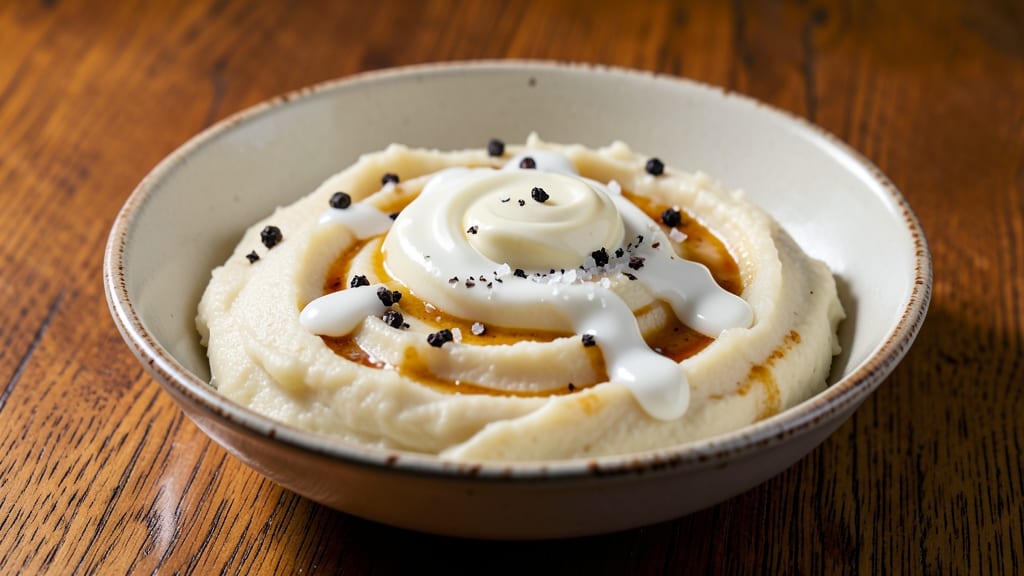
This mashed potatoes recipe with chicken stock transforms a classic side into something luxurious—ultra-smooth, velvety, and deeply flavorful without a trace of dryness. I perfected it during a particularly chilly Georgia winter when I needed a side that would elevate the main dish while standing on its own.
The secret lies in the chicken stock, which infuses the potatoes with savory depth while keeping every bite tender and rich.
What sets these mashed potatoes apart is the technique: low-and-slow cooking in the stock itself, then blending until completely silky. No lumps, no grit—just restaurant-quality texture that feels like a hug on a plate.
The chicken stock also adds natural seasoning, so you can skip added salt entirely if you're using a well-seasoned homemade version. This method works equally well for holiday feasts or a simple weeknight dinner.
By the time you're done, you'll have a bowl of mashed potatoes that's creamy enough to spread like butter but light enough to pair with anything from roasted meats to fresh garden salads. The flavor is so rich and satisfying that even picky eaters will ask for seconds.
The best part? It only takes 30 minutes from start to finish, with minimal effort once the potatoes are cooked.
Serve these mashed potatoes alongside your favorite roasted chicken, pork tenderloin, or even as a standalone dish with a sprinkle of fresh herbs. The versatility makes them perfect for any meal—whether you're hosting a dinner party or just treating yourself to a comforting classic.
Let's get started on creating the smoothest mashed potatoes you've ever tasted.
Ingredients for mashed potatoes with chicken stock
Six ingredients, one luxurious side dish that tastes like a hug on a plate.
| Ingredient | Amount | Notes |
|---|---|---|
| Russet Potatoes 🥔 | 3 lb | Medium size, peeled and cubed |
| Homemade Chicken Stock 🍗 | 4 cups | Well-seasoned, unsalted preferred |
| Unsalted Butter 🧈 | ½ cup | Cold, cut into small pieces |
| Heavy Whipping Cream 🥛 | ½ cup | Full-fat for creaminess |
| Freshly Ground Black Pepper 🌶️ | ½ tsp | Freshly cracked for best flavor |
| Sea Salt 🧂 | ¼ tsp | Only if stock is unsalted |
| Fresh Chives 🌿 | 2 tbsp | Finely chopped for garnish |
| Garlic Cloves 🧄 | 2 cloves | Minced for stock infusion |
The potatoes are where it all starts. Russets are your best bet—they're starchy enough to create that signature smooth texture, but don't use anything waxy like Yukon Golds here. Peeled and cubed into 1-inch pieces, they cook evenly without turning to mush. For the stock, homemade is ideal (I use a basic chicken carcass simmer with carrots, celery, and onions), but store-bought low-sodium works too. The secret is to use well-seasoned stock—you can skip added salt entirely if it's properly flavored. I always grab my potatoes from Trader Joe's—their Russets are consistently great, and they're usually on sale.
No heavy cream? Half-and-half or full-fat Greek yogurt adds tangy richness instead. Butter hating you? Olive oil works in a pinch, though it won't be quite as creamy. For the garlic, I minced it directly into the stock while simmering—it infuses the potatoes with subtle depth. Fresh chives are optional but worth it for that bright pop of color. If you're using pre-made stock, check the label for sodium content—some brands sneak in extra salt. The pepper is non-negotiable though—it cuts through the richness and brings out the savory notes. Trust me on the full-fat cream; it's what makes these feel truly indulgent.
These keep beautifully for 3-4 days in the fridge, but honestly, they taste even better the next day as the flavors meld. Portion into containers with a layer of stock on top to keep them moist. For freezing, spread on a tray first to prevent clumping, then transfer to a bag for up to 3 months. I always make a double batch—one for dinner, one for leftovers. The extra effort in cooking them low-and-slow in the stock pays off big time in texture. Reheat gently with a splash of milk or cream to restore that velvety consistency.
Why You'll Love This Recipe
- Stock Magic Simplified: I swear by this trick—just peel, boil, and fold. No fancy gadgets, no peeling knives, just Russets and a pot. That homemade chicken stock does the heavy lifting while I sip my coffee.
- Creamy Without Compromise: The butter and cream make it velvety, but the stock keeps it rich, not greasy. Honestly, that peppery depth from the stock? It’s the secret weapon—like a hug in every bite.
- Leftovers That Don’t Suck: These reheat like a dream—just a splash of stock or milk, and they’re fluffy again. My freezer’s full of these because they’re better the next day than most restaurant mashed potatoes.
- Budget-Friendly Luxury: Russets are cheap, stock freezes forever, and butter stretches far when you’re smart. Here’s what sold me—it feels fancy, but the grocery bill stays low. (Yes, even on a Tuesday night.)
Step-by-step instructions for creamy mashed potatoes
Here's how to transform simple russet potatoes into velvety, restaurant-quality mash.
Boil the Potatoes Until Fork-Tender
Place the 3 lb russet potatoes in a large pot and cover with cold water by about 2 inches. Add the 2 cloves minced garlic cloves to infuse flavor into the water. Bring to a rolling boil over high heat, then immediately reduce to medium-high heat. The potatoes are done when they pierce easily with a knife and feel soft all the way through - this typically takes about 15-20 minutes.
Here's the thing - don't skip the garlic in the water. It adds subtle depth that makes all the difference in flavor. I like to add it early so the potatoes absorb that aromatic punch. The water should remain at a gentle boil throughout cooking - if it gets too vigorous, the potatoes may cook unevenly.
Drain and Infuse with Chicken Stock
Drain the cooked potatoes thoroughly in a colander, shaking them gently to remove excess water. Return the potatoes to the now-empty pot and pour in the 4 cups homemade chicken stock. This step is crucial - the stock replaces the water that would otherwise make your mash watery. Let the potatoes sit in the stock for 2-3 minutes to absorb that rich, savory flavor.
Don't rush this infusion. The potatoes will soak up the stock's warmth and flavor, creating a more complex base for your mash. I like to press down on the potatoes with a wooden spoon to help them absorb the stock evenly. This is where the magic happens - transforming simple potatoes into something truly special.
Mash to Ultra-Smooth Perfection
Using a potato masher or ricer, work in batches to break down the potatoes completely. I prefer a ricer because it creates an impossibly smooth texture without incorporating any air. Add the 0.5 cup cold unsalted butter and 0.5 cup heavy whipping cream as you mash - this ensures they melt smoothly into the potatoes rather than creating lumps.
Here's what I do: I add about half the butter and cream first, then mash until completely incorporated. Then I add the remaining butter and cream while continuing to mash. The cream should be at room temperature for best results - this helps create that signature velvety texture. Keep working until the mash is completely smooth with no visible lumps.
Season and Finish
Add the 0.5 tsp freshly ground black pepper and 0.25 tsp sea salt (only if your stock is unsalted) to the mashed potatoes. Gently fold them in using a wooden spoon or silicone spatula. The pepper should be freshly cracked - pre-ground pepper loses its punch quickly. Taste and adjust seasoning if needed, remembering that the chicken stock may already contribute some saltiness.
For the final touch, stir in the 2 tbsp finely chopped fresh chives. These add a bright, fresh contrast to the rich, creamy potatoes. I like to fold them in just before serving so they stay vibrant and fresh. The chives should be evenly distributed throughout - a few spoonfuls will give you the perfect garnish for each serving.
Pro Tips For Making Mashed Potatoes With Chicken Stock
- BOIL UNTIL FORK-TENDER: Russets stay firm if you cut corners here—test with a fork after 15 minutes, not the recipe’s suggested time. You want it to slide in like butter, not bounce back like a trampoline. I learned this the hard way when my potatoes turned out gummy, no matter how much butter I added later.
- STRAIN STOCK COOL: Hot stock scalds the cream and turns your mashed potatoes into curdled soup. Strain it through a fine-mesh sieve into a cold bowl first, then warm it gently on the stove. Yes, it’s an extra step, but your texture will be silky instead of lumpy.
- SALT THE POTATOES: Season the cooking water with 1 tablespoon salt—it crisps the skins and seasons the flesh before you even mash. Skipping this means your stock and butter have to do all the work, and that’s a flavor letdown. (Your future self will notice the difference.)
- MIX CREAM LAST: Fold in the heavy cream after you’ve incorporated the butter and stock—otherwise, it cools everything down and makes the potatoes gluey. Start with ¼ cup, then add more if needed. I was skeptical until I tried it; now I never go back.
Storing and reheating your leftovers
Refrigerator Storage
Store your mashed potatoes in an airtight container with a layer of chicken stock on top to maintain moisture. I use glass Pyrex containers because they distribute heat evenly when reheating.
These will keep in the fridge for 3-4 days—the flavors actually deepen overnight as the stock's savory notes infuse further. For best results, cool them completely before storing to prevent condensation. 🥔
Freezer Prep
For long-term storage, spread the mashed potatoes on a parchment-lined tray and freeze for 1 hour to create individual portions. Transfer to quart-sized freezer bags, squeezing out excess air to prevent freezer burn.
These will last up to 3 months while maintaining their creamy texture. I always label my bags with the date—trust me, you'll forget! ❄️
Gentle Reheating
Reheat in the microwave by transferring a portion to a bowl, covering with a damp paper towel, and heating on 50% power for 2-3 minutes. Stir, then continue in 30-second intervals until reaching 165°F.
For stovetop reheating, warm in a saucepan over low heat with 2 tablespoons of milk or cream to restore creaminess. Never skip the liquid—it prevents drying. 🔥
Oven Refresh
For a restaurant-style finish, transfer mashed potatoes to a baking dish, cover with foil, and bake at 350°F for 15 minutes. Uncover and broil for 1-2 minutes to create a golden crust.
This method works beautifully for large batches and keeps everything piping hot. I use this technique when serving to a crowd—it's foolproof! 🌟
Stock Topping Hack
Before reheating, add 1-2 tablespoons of fresh chicken stock to each portion. This revives the flavor and prevents the potatoes from becoming gluey. I also like to add a pat of butter while reheating—it melts in beautifully and adds richness.
This simple step makes all the difference in texture and taste. 💡
Serving Suggestions
Garnish with fresh chives and a sprinkle of black pepper right before serving to keep everything vibrant. These mashed potatoes pair perfectly with roasted chicken, beef tenderloin, or even as a standalone dish with a crisp green salad.
The chicken stock's savory notes make them versatile enough for any meal. 🍽️
Nutrition facts
Frequently asked questions
Why does chicken stock make mashed potatoes taste so much better?
The stock infuses the potatoes with deep, savory flavor while replacing water that would otherwise make them watery. The natural umami from the chicken enhances the potatoes' sweetness, creating a richer, more complex taste than traditional milk-based mashes. Plus, it eliminates the need for extra salt.
Can I use store-bought chicken stock instead of homemade?
Just choose a low-sodium version to control seasoning. For best results, opt for brands with natural ingredients and minimal additives. The key is using well-seasoned stock—it makes the difference between good and restaurant-quality mashed potatoes.
What if my mashed potatoes turn out too thick or gluey?
Add 1-2 tablespoons of warm milk or cream and gently fold it in until smooth. For gluey texture, reheat with an extra splash of stock or water while stirring constantly. The secret is working quickly over low heat—never microwave on high power.
How do I make these mashed potatoes ahead for a holiday meal?
Prepare them up to 2 days ahead and store in an airtight container with a layer of stock on top. Reheat gently with a splash of cream and butter. For freezing, portion onto a tray first, then transfer to bags for up to 3 months. Thaw overnight in the fridge before reheating.
Can I substitute butter with something else?
Yes! For dairy-free options, use olive oil or coconut oil (though texture will differ). For extra richness, try brown butter or ghee. Just remember that butter creates that signature velvety mouthfeel—nothing quite replaces it for classic mashed potatoes.