
Main Courses
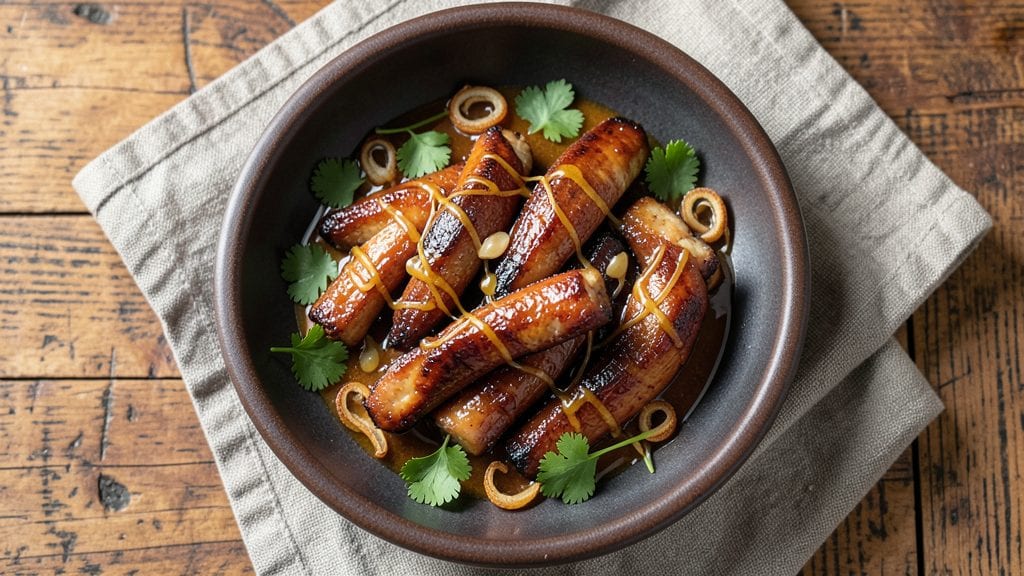
Transforming chicken tongue into a luxurious, melt-in-your-mouth dish requires patience and precision—a process I’ve perfected over years of experimenting with offal. The slow-braising method breaks down tough fibers while infusing rich, savory flavors, and the celery crust adds a satisfying crunch that elevates every bite.
This isn’t your grandmother’s offal dish; it’s a refined technique that turns an often-overlooked cut into a centerpiece-worthy meal.
The key to success lies in the marinade—acidic ingredients like vinegar and lemon tenderize the meat while preparing it for the long, gentle braise. Celery, a traditional pairing, not only enhances flavor but also forms a crispy, golden crust when fried to perfection.
What begins as a simple cut becomes a restaurant-quality dish with layers of buttery richness and aromatic depth.
By the time you serve this dish, your guests will experience a symphony of textures: tender, silky meat, a crispy celery crust, and a velvety sauce that ties everything together. The presentation—glazed and golden—makes it feel special enough for a dinner party, yet the method is straightforward for home cooks.
This recipe proves that offal can be both elegant and accessible.
Pair it with roasted potatoes or a fresh green salad to balance the richness, and don’t forget the wine—a bold red complements the dish beautifully. The result? A meal that feels indulgent yet earned through careful technique. Let’s get started on turning chicken tongue into a showstopper.
Ingredients for chicken tongue
Precision-crafted ingredients transform humble chicken tongue into a luxurious, restaurant-worthy centerpiece.
| Ingredient | Amount | Notes |
|---|---|---|
| Chicken Tongues 🐔 | 1 ½ lb | Fresh, trimmed of excess fat |
| Extra-Virgin Olive Oil 🫒 | ½ cup | High-quality, fruity variety |
| Celery Stalks 🧅 | 1 bunch | Fresh, leafy tops trimmed |
| Red Wine Vinegar 🍷 | ¼ cup | Dry, aged variety preferred |
| Lemon Juice 🍋 | ¼ cup | Freshly squeezed, strained |
| Garlic Cloves 🧄 | 6 cloves | Peeled, finely minced |
| Fresh Thyme Leaves 🌿 | 2 tbsp | Finely chopped, stems removed |
| Bay Leaves 🍃 | 2 whole | Dried, standard size |
| Diamond Crystal Kosher Salt 🧂 | 1 ½ tbsp | Fine grain, for seasoning |
| Freshly Ground Black Pepper 🌶️ | 1 tsp | Coarse grind preferred |
| Unsalted Butter 🧈 | ½ cup | Cold, cubed for crust |
| All-Purpose Flour 🌾 | ¼ cup | For celery crust coating |
| Heavy Cream 🥛 | 1 cup | Full-fat for richness |
| Chicken Stock 🍲 | 1 ½ cups | Homemade or high-quality |
| Red Wine 🍷 | ½ cup | Bold, dry variety like Cabernet |
The chicken tongues are the foundation—opt for fresh, high-quality cuts from a trusted butcher or specialty grocer like Whole Foods or D'Artagnan. Look for tongues with a vibrant pink hue and minimal fat; avoid any with a strong odor or discoloration. Celery, traditionally used for both flavor and crust, should be fresh with crisp stalks—avoid wilted bunches. For the marinade, red wine vinegar adds acidity to tenderize, while fresh thyme and bay leaves infuse aromatic depth. The extra-virgin olive oil should be fruity and robust, like California Early Harvest or Spanish Picual, to complement the dish's richness.
No red wine vinegar? White wine vinegar or apple cider vinegar work in a pinch, though the flavor profile shifts slightly. Substitute dried thyme at half the quantity if fresh isn’t available, but freshly ground black pepper is non-negotiable—pre-ground lacks the necessary intensity. For the celery crust, baby celery or leek greens can replace stalks if needed, though texture will differ. The heavy cream must be full-fat; reduced-fat versions won’t achieve the same velvety sauce. If using store-bought chicken stock, opt for low-sodium brands like Kitchen Basics or Pacific Foods to control seasoning. The red wine should be bold and dry—Cabernet Sauvignon or Merlot—avoid sweet varieties.
Chicken tongues can be prepped 1 day ahead and refrigerated in the marinade, though they’ll absorb more liquid. The celery crust components—butter, flour, and chopped celery—should be mixed and chilled for at least 30 minutes before frying to ensure a crisp texture. Once cooked, the dish reheats beautifully; store in an airtight container for up to 3 days in the refrigerator, or freeze for 3 months. The sauce thickens upon reheating, so a splash of chicken stock may be needed to restore consistency. Serve with roasted potatoes or a simple arugula salad to balance the richness.
Why You'll Love This Recipe
- Minimal Chopping Required: I swear by this recipe on busy days—just rough-chop celery and toss everything in one pot. No dicing, no fuss, just a handful of ingredients that work together like magic.
- Unexpectedly Rich Taste: That tangy red wine vinegar and bright lemon juice cut through the richness of the chicken tongues, giving it a restaurant-worthy depth. Honestly, it’s the kind of flavor that sticks with you.
- Weeknight to Potluck Hero: Make a big batch on Sunday and reheat it all week—it’s just as good cold in salads or sandwiches. Bring it to a dinner party, and suddenly you’re the star of the spread.
- Budget-Friendly Protein: Chicken tongues are cheaper than chicken breasts but pack way more flavor. I’ve stretched this into three meals with zero waste, and my wallet thanks me every time.
Step-by-step instructions for slow-braised chicken tongues with celery crust
Here's the method for transforming tough chicken tongues into melt-in-your-mouth delicacies with crispy celery crusts.
Prepare the Chicken Tongues for Braising
Begin by trimming any remaining fat from the 1.5 lb chicken tongues using a sharp chef's knife. This step is crucial for achieving tender meat without excess grease in your braising liquid. Place the tongues in a large, heavy pot and cover them completely with 1.5 cups chicken stock. Add the 2 whole bay leaves, 6 cloves garlic cloves (minced), 1.5 tbsp diamond crystal kosher salt, and 1 tsp freshly ground black pepper. Bring to a simmer over medium heat and cook uncovered for 45 minutes.
After 45 minutes, the tongues should be fork-tender when pierced at their thickest point. If they're not quite tender yet, continue simmering for another 15 minutes until they reach this texture. The liquid will reduce significantly, creating a concentrated flavor base. Remove the tongues and set them aside on a plate, reserving the braising liquid for later use.
Create the Celery Crust for Each Tongue
While the tongues braise, prepare the celery crust. Trim the leafy tops from the 1 bunch celery stalks and cut the stalks into ¼-inch thick slices. In a food processor, pulse the celery until you achieve a fine, coarse texture—similar to breadcrumbs but with visible celery fibers. Transfer this mixture to a bowl and combine with 0.25 cup all-purpose flour and 1 tsp freshly ground black pepper.
In a separate bowl, melt the 0.5 cup unsalted butter until it reaches a liquid state but doesn't brown. Add the 2 tbsp fresh thyme leaves to the melted butter and stir to combine. Pour this butter mixture into the celery-flour mixture and toss until every piece is thoroughly coated. The crust should hold together when pressed but still be crumbly enough to adhere to the tongues. If it's too dry, add 1-2 teaspoons of cold water to help it bind.
Assemble and Braise to Perfection
Return the braised tongues to the pot and pour in the reserved braising liquid. Add the 0.5 cup red wine and 0.25 cup red wine vinegar, then bring the mixture to a gentle simmer. Reduce the heat to low and let it cook uncovered for 30 minutes, allowing the flavors to meld together. Meanwhile, preheat your oven to 375°F.
Working one at a time to prevent overcrowding, press the celery crust mixture firmly onto each tongue, covering them completely. Place the coated tongues on a baking sheet lined with parchment paper. Bake in the preheated oven for 15 minutes, turning each tongue halfway through, until the crust is deep golden brown and crispy. The tongues should be warm throughout when done.
Finish with a Creamy Sauce
While the tongues bake, prepare the finishing sauce. In a separate saucepan, combine the 1 cup heavy cream, 0.25 cup lemon juice, and 0.5 cup extra-virgin olive oil. Whisk over medium-low heat until the mixture is smooth and heated through, but do not let it boil. Taste and adjust seasoning with additional diamond crystal kosher salt if needed.
To serve, spoon the warm cream sauce over each tongue, allowing it to cascade over the crispy celery crust. The contrast between the tender, buttery tongues, the crisp celery topping, and the silky sauce creates a truly luxurious dining experience. Each bite should deliver layers of flavor—rich from the braising liquid, bright from the lemon and vinegar, and texturally complex from the crust.
Pro Tips For Making Chicken Tongue
- Simmer Low and Slow: Chicken tongues need time—don’t rush the braise. After the initial sear, drop the heat to a bare simmer (just bubbles, not a rolling boil) and let them cook for at least 2 hours. I learned this the hard way when I tried to speed it up and ended with chewy, undercooked tongues.
- Trim the Fat, Keep the Flavor: Before cooking, slice off any thick fat deposits from the tongues—it burns easily and clouds the broth. But don’t peel the skin entirely; leaving it on adds texture and depth to the dish. (Yes, even if you’re impatient like me.)
- Acid First, Then Salt: Add the red wine vinegar and lemon juice early in the cooking process, but hold off on heavy salting until the end. The acid tenderizes the collagen, but over-salting too soon makes the tongues release moisture and turn out bland.
- Sear in Olive Oil, Then Deglaze: Use extra-virgin olive oil for searing—it’s stable enough for high heat and adds richness. After browning the tongues, immediately pour in a splash of white wine (if using) or just the vinegar/lemon juice to lift the fond. This makes a real difference in flavor.
Flavor customization for this chicken tongue
Classic Braised Style
For a traditional approach, focus on the red wine vinegar and bay leaves in your marinade—they create a tangy, aromatic base that tenderizes the meat beautifully. After braising, finish with a heavy cream sauce and a crispy celery crust.
I recommend using Cabernet Sauvignon for depth, and always reserve the braising liquid to enhance the sauce. This method delivers silky texture with a rich, velvety finish. 💛
Spicy Caribbean Twist
Add 2 tbsp scotch bonnet pepper (or habanero) to the marinade for a fiery kick. Replace red wine with dark rum (like Appleton Estate) and add 1 tbsp soy sauce for umami.
After braising, top each tongue with a mango-habanero salsa and serve with coconut rice. The heat balances the richness perfectly, creating a bold, tropical flavor profile. 🌶️
Herb-Infused French Variation
Swap the celery crust for a tarragon and parsley blend—chop 1 bunch fresh tarragon and ½ cup parsley finely, then mix with ¼ cup flour and 3 tbsp melted butter. Use white wine instead of red, and add 1 sprig fresh tarragon to the braising liquid.
Garnish with chopped chives before serving. This version feels elegant and herbaceous, perfect for a refined dinner. 🌿
Smoky BBQ Glaze Option
After braising, mix ½ cup BBQ sauce (like St. Louis-style) with 2 tbsp apple cider vinegar and 1 tbsp smoked paprika. Brush this glaze over the tongues before baking the celery crust, then broil for 2-3 minutes to caramelize.
Serve with pickled red onions and cornbread for a Southern-inspired twist. The smoky-sweet contrast is irresistible. 🔥
Lemon-Garlic Bright Finish
Boost the marinade with zest from 1 lemon and 4 extra garlic cloves (double the amount). After braising, toss the tongues in a mix of 2 tbsp flour, 1 tbsp lemon zest, and 2 tbsp chopped parsley.
Pan-fry in olive oil until golden, then drizzle with a lemon-beurre blanc sauce (melted butter + lemon juice + shallots). The bright acidity cuts through the richness beautifully. ✨
Creamy Mushroom Sauce
Sauté 1 cup sliced cremini mushrooms in butter until golden, then deglaze with ½ cup white wine. Stir in 1 cup heavy cream and 1 tbsp Dijon mustard, then reduce until thickened.
Pour this sauce over the braised tongues and top with extra crispy celery crust. The earthy mushrooms add depth without overpowering the dish. 🍄
Nutrition facts
Frequently asked questions
Why is chicken tongue so tough if I don't braise it long enough?
Chicken tongue contains dense connective tissue that needs slow, moist heat to break down. Braising for at least 45 minutes (or until fork-tender) is essential—rushing this step leaves the meat rubbery. The acid in vinegar and lemon helps tenderize, but they can't replace proper cooking time.
Can I substitute celery in the crust for something else?
Yes! For a different texture, try leeks, green onions, or even toasted breadcrumbs mixed with herbs. The celery adds natural sweetness and crispiness, but any finely chopped vegetable or starch works. Just ensure your substitute has enough moisture to bind with butter.
How do I know when the celery crust is done?
The crust should be deep golden brown and crispy to the touch. Bake for 15 minutes at 375°F, flipping halfway. If it browns too quickly, reduce oven temp to 350°F and check at 12 minutes. Overcooking can burn the outside while leaving the inside raw.
Is chicken tongue safe to eat raw or rare?
Absolutely not! Chicken tongue must be cooked to an internal temperature of 165°F to kill bacteria. The braising method ensures safety while keeping the meat tender. Never serve it pink or undercooked—this dish relies on thorough cooking for both safety and texture.
Can I make this recipe ahead of time?
Yes! Assemble the tongues with crust and refrigerate for up to 24 hours before baking. Reheat in a 350°F oven for 10-15 minutes to crisp the crust. The sauce can be made fresh or reheated gently with a splash of cream. Store components separately in an airtight container for best results.