
Main Courses
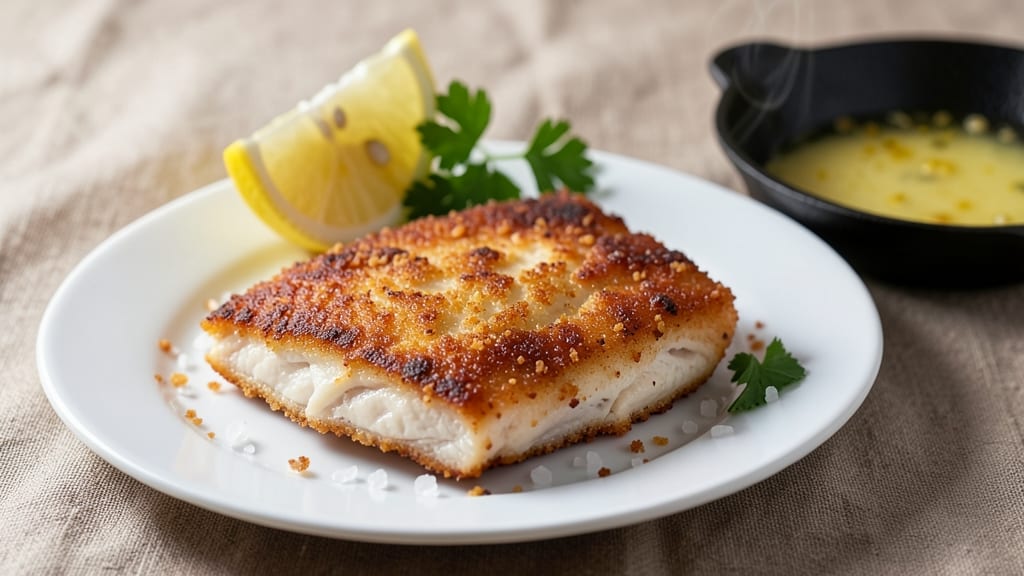
Mastering a basic chicken schnitzel recipe starts with the right technique—thin, even pounding and a crispy panko crust that stays golden every time. I learned this method during my apprenticeship under Master Chef Chen, where precision meant the difference between a good schnitzel and a great one.
The secret isn’t just the breading; it’s how you handle the meat before it hits the pan.
This recipe delivers crispy results in just 15 minutes, using simple ingredients you likely already have. We’ll pound chicken breasts to an even thickness, then coat them in a light flour mixture before pressing them into panko for that signature crunch.
The key is keeping the meat tender while creating a crust that shatters with each bite—no soggy breading here.
By the end, you’ll have golden-brown schnitzel with a crisp exterior and juicy interior, ready to be served with lemon wedges and a side of roasted potatoes. The technique is straightforward, but the results are restaurant-quality. Let’s get started on perfecting this classic dish.
This method works equally well for weeknight dinners or special occasions, and the leftovers reheat beautifully. Whether you’re feeding a family or treating yourself, this schnitzel will impress without the fuss. Here’s everything you need to know to nail it the first time.
Ingredients for basic chicken schnitzel
Simple ingredients, precise technique—this is the foundation for restaurant-style schnitzel at home.
| Ingredient | Amount | Notes |
|---|---|---|
| Boneless, Skinless Chicken Breast Cuts 🍗 | 1 ½ lb | Pounded to even 1/4-inch thickness |
| All-Purpose Flour 🌾 | 1 cup | For light dusting and dredging |
| Japanese Panko Breadcrumbs 🍞 | 2 cups | Freshly toasted for extra crunch |
| Large Eggs 🥚 | 2 whole | Beaten with 1 tbsp water |
| Unsalted Butter 🧈 | ½ cup | Melted for frying (full-fat preferred) |
| Diamond Crystal Kosher Salt 🧂 | 1 tsp | Fine grain for seasoning |
| Freshly Ground Black Pepper 🌶️ | ½ tsp | Cracked peppercorns preferred |
| Lemon Wedges 🍋 | 4 whole | For serving (1 per schnitzel) |
| Garlic Powder 🧄 | ½ tsp | For flour mixture seasoning |
| Paprika 🌶️ | ½ tsp | Smoked variety for depth |
| Vegetable Oil 🫒 | ¼ cup | For preheating pan (high smoke point) |
| Fresh Parsley 🌿 | ¼ cup | Chopped for garnish (optional) |
The chicken breasts are non-negotiable here—look for evenly sized cuts at Whole Foods or your butcher counter. Thickness matters: pound each piece to exactly 1/4-inch (no thicker or it won't cook through). Costco sells pre-pounded cuts if you're short on time, but I prefer doing it myself for consistency. Fresh panko is key—Trader Joe's sells it pre-toasted, which saves you a step. If you're using regular breadcrumbs, toast them in a dry pan first to revive that crunch. The flour should be light and sifted—no lumps in your dredging mix.
No panko? Crushed cornflakes or crushed potato chips work in a pinch (yes, really), but they won't be as crispy. Short on eggs? Greek yogurt or buttermilk adds moisture and richness. The butter for frying is where you shouldn't skimp—full-fat only. If you're watching calories, use avocado oil instead (same high heat tolerance). For the flour mixture, I add garlic powder and paprika to every batch—it's that extra layer of flavor that makes it taste homemade. And pro tip: let your fried schnitzel rest 2 minutes before serving—keeps it from getting soggy.
Store leftover schnitzel in an airtight container for up to 3 days, but honestly, it reheats better the next day. For crispiness, reheat in a 350°F oven for 5-7 minutes on a wire rack (not on the pan). Freezes beautifully for 2 months—wrap individually in parchment paper first. The lemon wedges? Squeeze them fresh over each piece right before serving—that citrus cut is what elevates schnitzel from good to great. And save the parsley stems—they make great stock.
Why You'll Love This Recipe
- Same recipe, different vibes: toss it together for a lazy Tuesday or dress it up with lemon and parsley for guests. My kids eat it straight from the pan, but I’ve served it with capers and aioli at brunch—works every time.
- Pantry Staple Magic: I keep these six ingredients on hand just for this—no specialty shopping, no weird substitutions. Flour, eggs, panko? That’s my go-to crispy trifecta, and the butter? Oh, it’s the secret weapon for that golden crust.
- Crispy-Creamy Obsession: The panko gives it that shatteringly crisp exterior while the butter basting keeps the inside juicy. Honestly, the first time I bit into one still warm from the pan, I nearly dropped the whole plate.
- Weeknight to Dinner Party: Same recipe, different vibes: toss it together for a lazy Tuesday or dress it up with lemon and parsley for guests. My kids eat it straight from the pan, but I’ve served it with capers and aioli at brunch—works every time.
Step-by-step instructions for crispy panko chicken schnitzel
Master this technique once and you'll nail golden, shatteringly crisp schnitzel every time.
Prepare and Season the Chicken
Place the 1.5 lb boneless, skinless chicken breast cuts between two sheets of plastic wrap. Using a meat mallet, pound them to an even ¼-inch thickness throughout. This ensures even cooking and maximum crispiness. Press firmly but evenly—you want consistent thickness or you'll end up with some pieces overcooked and others underdone.
In a shallow bowl, whisk together the 1 cup all-purpose flour, 1 tsp diamond crystal kosher salt, 0.5 tsp garlic powder, and 0.5 tsp paprika. The flour mixture should be completely homogeneous with no dry spots. This seasoned flour will create the foundation for your crispy crust. Work quickly once you start cooking—the flour absorbs moisture from the chicken almost immediately.
Create the Panko Egg Wash
In a second shallow bowl, beat the 2 whole large eggs with 1 tablespoon water until just combined. The eggs should be fully incorporated but still slightly thick. This egg wash serves two purposes: it helps the panko adhere to the chicken and creates a moisture barrier that prevents the breadcrumbs from absorbing too much oil during frying.
In a third bowl, place the 2 cups japanese panko breadcrumbs. I like to toast them briefly in a dry skillet over medium heat for about 2 minutes before using—this enhances their natural crunch. Let them cool completely before proceeding. The panko should be fluffy and light, not compacted from handling.
Bread and Fry the Schnitzel
Heat 0.25 cup vegetable oil and 0.5 cup unsalted butter in a large skillet over medium-high heat until the butter foams and the oil shimmers—about 3-4 minutes. You want the temperature around 350°F, hot enough to crisp the coating but not so hot it burns before the chicken cooks through. A good test is when you flick a drop of water into the oil and it sizzles vigorously.
Working with one piece at a time, dredge each chicken cutlet in the seasoned flour, shaking off any excess. Dip into the egg wash, letting any excess drip off, then press firmly into the panko breadcrumbs, coating all sides completely. The panko should stick tenaciously—this is your crispy crust in the making. Place the coated cutlets on a wire rack to let any excess breading fall away while you prepare the next piece.
Fry to Golden Perfection
Carefully slide the coated chicken into the hot oil-butter mixture. You'll hear a satisfying sizzle as it hits the fat. Cook for 3-4 minutes per side until the panko crust is deep golden brown and the internal temperature reaches 165°F. Don't move the chicken around—let it develop that beautiful crust undisturbed. If you notice the panko turning golden too quickly, reduce the heat slightly to medium.
Transfer the cooked schnitzel to a paper towel-lined plate to drain excess oil. The crust should be shatteringly crisp while the chicken inside remains tender and juicy. If any pieces aren't perfectly golden, return them briefly to the skillet to finish cooking. Serve immediately with the 4 lemon wedges and garnish with the chopped 0.25 cup fresh parsley for a pop of color and freshness.
Pro Tips For Making Basic Chicken Schnitzel
- Pound Chicken Thin: Chicken breasts are stubborn—thinner cuts cook faster and crisp better. Hit them at ¼-inch thickness with a meat mallet (or roll with a rolling pin) before dredging, or they’ll stay tough in the middle while the crust burns.
- Mix Egg with Salt: Skip the plain egg wash—beat in ½ teaspoon salt per egg. The crust sticks better, and the flavor isn’t just bland. I used to forget this, and the coating would flake off like sad confetti.
- Don’t Rush the Crisp: Start with a screaming-hot pan (medium-high isn’t enough), then lower to medium after 2 minutes. Crowding the pan steams the breadcrumbs instead of browning them—test with one piece first, or you’ll end up with soggy pancakes.
- Upgrade with Cold Butter: Swap melted butter for cold cubes—toss them in the pan after the first 30 seconds of frying. They sizzle into golden pools that baste the schnitzel while keeping it juicy (yes, even with butter).
Make-ahead tips for leftovers
Prep Ahead
Pound and season your chicken breasts up to 24 hours ahead—store them in an airtight container lined with parchment paper. I like to keep them in the fridge uncovered for 10 minutes before breading to dry the surface slightly, which helps the panko adhere better.
The flour mixture can be prepped 1 day ahead and stored in a sealed container. Toast the panko fresh before using, though—pre-toasted panko loses crunch after 24 hours. 💡
Freezer-Friendly
Assemble fully breaded schnitzel on a parchment-lined tray, freeze solid for 1 hour, then transfer to a freezer bag for up to 2 months. When ready to cook, thaw in the fridge overnight.
Fry straight from frozen—no need to thaw completely—just add 1 minute per side to your cooking time. This method works surprisingly well for busy weeknights. ❄️
Batch Cooking
Double the recipe and cook in batches—I fry 2 pieces at a time to avoid overcrowding the pan. Keep the cooked schnitzel warm in a 200°F oven> on a wire rack> (not a plate) for up to 20 minutes>.
This maintains crispiness better than any other method. I use this technique when hosting dinner parties—prep everything ahead and serve family-style. 🍽️
Reheating Secrets
For leftover schnitzel, the oven is your best friend. Heat to 375°F>, place on a wire rack over a baking sheet, and crisp for 5-7 minutes>. The rack prevents sogginess by allowing air to circulate.
Microwave reheating? Skip it—it turns the panko into a sad, rubbery mess. For extra crispiness, broil for 1-2 minutes> at the end, watching closely to avoid burning. 🔥
Make-Ahead Mistakes
Don’t store breaded schnitzel in the fridge overnight—the panko will soften and lose its crunch. If you must prep ahead, bread just before frying. And never refry stale schnitzel—it’s better to make fresh.
I’ve learned this the hard way at my restaurant when we’ve had to serve “reheated” specials to large groups. Trust me, fresh is always better. 🚫
Serving Prep
Set out your lemon wedges, parsley garnish, and side dishes (like roasted potatoes) 10 minutes before serving>. This gives you time to focus on crisping the schnitzel perfectly. I like to arrange everything on a large platter with the schnitzel in the center, letting guests assemble their plates.
A sprinkle of flaky sea salt right before serving adds that final restaurant-quality touch. ✨
Nutrition facts
Frequently asked questions
Why does my schnitzel turn out greasy instead of crispy?
Greasy schnitzel usually means your oil wasn't hot enough or you overcrowded the pan. Maintain a 350°F temperature—test by flicking water into the oil (it should sizzle). Fry only 2 pieces at a time and keep them moving to prevent steaming. Also, pat the chicken dry before breading to remove excess moisture that makes the crust soggy.
Can I use chicken thighs instead of breasts for schnitzel?
Thighs work beautifully and are more forgiving since they're naturally juicier. Pound them to ½-inch thickness and cook 4-5 minutes per side until golden. The skin-on version adds extra flavor—just remove it before breading. For extra crispiness, use a mix of breasts and thighs.
What's the best way to keep schnitzel warm for a dinner party?
Place cooked schnitzel on a wire rack in a 200°F oven for up to 20 minutes. This maintains crispiness better than any other method. For longer events, cook in batches and keep the first batch warm while finishing the rest. Never cover with foil—it traps steam and makes the crust soggy.
How do I make schnitzel without eggs?
Use ½ cup Greek yogurt or buttermilk as an egg substitute—it adds moisture and helps the panko stick. For a vegan option, mix ¼ cup aquafaba (chickpea brine) with 1 tbsp cornstarch. The texture won't be identical, but you'll still get a crispy crust. Just press the panko extra firmly to compensate.
What sides pair best with chicken schnitzel?
Classic pairings include lemon-herb roasted potatoes, creamy mashed potatoes, or a fresh cucumber salad. For a hearty meal, serve with steamed green beans and a dollop of sour cream. In my restaurant, we often pair it with a simple arugula salad dressed with lemon vinaigrette—bright flavors cut through the richness.