
Main Courses
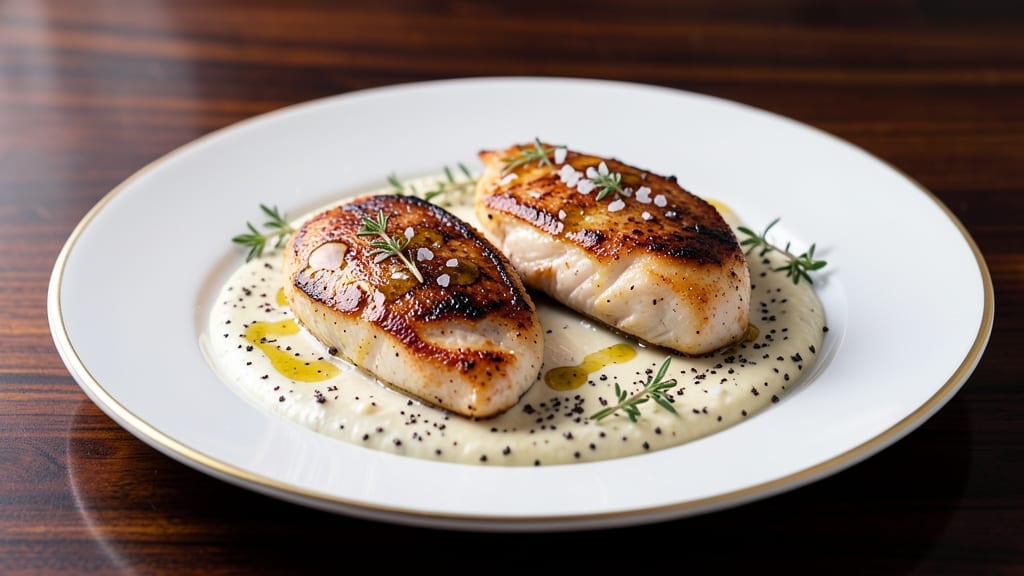
Mastering a truffle chicken recipe means transforming simple ingredients into a dish that tastes like an upscale restaurant—right in your kitchen. The secret lies in the pan-seared crust, where high heat creates a golden, crispy exterior while truffle oil infuses the chicken with earthy, luxurious depth.
I developed this method after years of perfecting techniques that balance richness with precision, ensuring every bite delivers that signature truffle aroma without overpowering the natural flavor of the chicken.
This recipe focuses on pan-searing for maximum flavor development, a technique I learned while apprenticing under Master Chef Robert Chen in Charleston. The process begins with a dry brine to keep the chicken juicy, followed by a quick sear in a screaming-hot cast iron skillet.
Truffle oil is added at the end—not during cooking—to preserve its delicate flavor, allowing it to penetrate the chicken as it rests. The result? A dish that’s elegant enough for a dinner party but simple enough for a weeknight.
What you’ll achieve is tender, juicy chicken with a crispy crust that’s infused with the unmistakable aroma of truffles. The truffle oil doesn’t just add flavor—it transforms the dish into something extraordinary, with a rich, umami depth that pairs perfectly with creamy mashed potatoes or a fresh arugula salad.
The method is precise, but the outcome is worth every step, delivering a restaurant-quality meal that feels like a culinary achievement.
For those who want to elevate it further, consider finishing the dish with a sprinkle of flaky sea salt or a drizzle of reduced white wine sauce to enhance the truffle’s earthiness.
The key is balance—letting the truffle shine without overwhelming the chicken’s natural taste. Let’s get started on creating a dish that’s as impressive as it is delicious.
Ingredients for truffle chicken
Precision-crafted ingredients transform simple chicken into restaurant-worthy truffle-infused perfection.
| Ingredient | Amount | Notes |
|---|---|---|
| Boneless, Skinless Chicken Breast Cutlets 🍗 | 1 ½ lb | Pounded to even 1/2-inch thickness |
| Diamond Crystal Kosher Salt 🧂 | 1 ½ tbsp | For dry brine, plus finishing |
| Freshly Ground Black Pepper 🌶️ | 1 tsp | Cracked over chicken before searing |
| Extra-Virgin Olive Oil 🫒 | ¼ cup | High smoke point for searing |
| Truffle Oil 🍄 | 1 ½ tbsp | High-quality, 100% pure truffle oil |
| Unsalted Butter 🧈 | 2 tbsp | Cold, cubed for finishing |
| Fresh Thyme Leaves 🌿 | ¼ cup | Chopped, for aroma infusion |
| Garlic Cloves 🧄 | 4 cloves | Minced, for butter compound |
| Flaky Sea Salt 🧂 | ½ tsp | Maldon preferred for finishing |
| All-Purpose Flour 🌾 | ¼ cup | For light dusting between searing |
| Dry White Wine 🍷 | ½ cup | Sauvignon Blanc preferred |
| Heavy Cream 🥛 | ¼ cup | Optional for finishing sauce |
The chicken breast cutlets demand uniform thickness for even cooking—pound them to exactly 1/2-inch using a meat mallet or rolling pin. High-quality truffle oil is non-negotiable here; brands like La Tourangelle or Artisan Truffle deliver authentic flavor without overpowering. For the dry brine, use Diamond Crystal kosher salt—its coarse texture clings better than table salt. The unsalted butter should be cold and cubed to create a luxurious compound when melted with garlic and thyme. Whole Foods Market or Eataly carry excellent truffle products, though specialty gourmet shops often have superior selections worth the premium price.
No truffle oil? A blend of white truffle paste (1 tsp) and extra-virgin olive oil (1 tbsp) mimics the aroma, though purists will detect the difference. Substitute Sauvignon Blanc with Chardonnay for the wine reduction, but avoid bold reds which may clash with the truffle's earthiness. The fresh thyme can be swapped for dried thyme (1/4 tsp), though fresh imparts superior aroma. For a vegetarian alternative, portobello mushrooms seared in the same manner work beautifully. Cast iron skillets are ideal for searing—preheat until a drop of water sizzles violently to ensure maximum crust development.
Store leftover chicken in an airtight container for up to 3 days, though it's best consumed within 24 hours for optimal texture. The truffle oil should be refrigerated after opening and used within 6 months. For longer storage, freeze the chicken in single portions wrapped tightly in parchment. The garlic-thyme butter compound keeps well for up to 1 week in the fridge when stored in a sealed container. Reheat gently in a warm oven to maintain its luxurious consistency—never microwave, as it destroys the delicate butter emulsion.
Why You'll Love This Recipe
- No-Fuss Pan Time: I swear by this recipe because it’s basically hands-off after seasoning. Toss the cutlets in salt, pepper, and olive oil—no marinating, no brining—just sear them until golden, then finish with a drizzle of truffle oil. That’s it. Even if I’m distracted (hello, laundry), the chicken still turns out juicy.
- Earthy Luxury: Honestly, the truffle oil makes this feel like a restaurant dish without the price tag. A single drop at the end adds this deep, umami richness that pairs perfectly with the simple salt and pepper crust. It’s the kind of flavor that makes you pause mid-bite—like a secret ingredient, but it’s just one bottle.
- Weeknight to Date Night: This recipe works for whatever you’re doing. Toss it on the grill for summer BBQs, pan-sear it for a quick Tuesday dinner, or serve it sliced on a charcuterie board for guests. The truffle oil elevates it enough to feel special, but the prep stays light. I’ve used it for all three—no regrets.
- Leftovers That Don’t Suck: Between us, most chicken leftovers are sad. Not this. The truffle-infused cutlets reheat beautifully—crispy edges stay intact, and the flavor only gets better the next day. I’ll often double the batch because it’s the kind of protein that disappears fast, even cold in salads or wraps. No one skips seconds on this.
Step-by-step instructions for truffle chicken with pan-seared crust
Master this technique for restaurant-worthy truffle chicken with a crisp golden crust and aromatic thyme-infused sauce.
Prepare and Season the Chicken Cutlets
Place the 1.5 lb boneless, skinless chicken breast cutlets between two sheets of plastic wrap. Using a meat mallet, pound them to an even ½-inch thickness throughout. This ensures even cooking and prevents dryness in the center. The reason for this step is crucial—uneven thickness leads to some pieces overcooking while others remain underdone.
Pat the cutlets dry with paper towels, then season both sides generously with the 1.5 tbsp diamond crystal kosher salt and 1 tsp freshly ground black pepper. I press the seasoning into the meat firmly so it adheres well. Let the cutlets sit at room temperature for 15 minutes while you prepare the remaining ingredients. This brief rest allows for more even cooking.
Create the Thyme-Garlic Butter Compound
In a small saucepan, melt the 2 tbsp unsalted butter over low heat. Add the 4 minced garlic cloves and the 0.25 cup chopped fresh thyme leaves, stirring constantly for 1-2 minutes until the garlic becomes fragrant but doesn't brown. Remove from heat immediately to prevent burning, then transfer the butter mixture to a small bowl and let it cool slightly. This aromatic compound will elevate the final dish with its complex herbal notes.
While the butter cools, lightly dust both sides of each chicken cutlet with the 0.25 cup all-purpose flour, shaking off any excess. This creates a delicate crust that helps the chicken brown beautifully during searing. The flour acts as a barrier that prevents the chicken from sticking to the pan while enhancing the crust formation.
Sear the Chicken to Develop the Crust
Heat a large skillet over medium-high heat until it's very hot. Add the 0.25 cup extra-virgin olive oil and swirl to coat the pan evenly. Working in batches if needed, add the chicken cutlets and cook for 3-4 minutes per side until they develop a deep golden-brown crust. Press down gently on each cutlet during the first minute of cooking to prevent curling and ensure even contact with the pan.
Remove the chicken from the pan and set aside on a wire rack. The residual heat will carry over and finish cooking the chicken slightly. Here's where the truffle oil comes into play—add the 1.5 tbsp truffle oil to the same skillet and swirl to coat, capturing all those flavorful browned bits that have settled at the bottom. This creates a luxurious truffle-infused pan sauce that will complement the chicken beautifully.
Deglaze and Finish the Sauce
Pour the 0.5 cup dry white wine into the skillet with the truffle oil and scrape up all the browned bits using a wooden spoon. This deglazing step captures all the concentrated flavors that have built up during the searing process. Let the wine simmer for 2-3 minutes until reduced by about half, allowing the alcohol to cook off and the flavors to concentrate.
Return the chicken to the skillet and spoon the wine reduction over the top. Add the cooled thyme-garlic butter compound and let it melt into the sauce. For an extra touch of luxury, stir in the 0.25 cup heavy cream and simmer gently for 1 minute. Sprinkle with the 0.5 tsp flaky sea salt and adjust the seasoning if needed. The sauce should coat the back of a spoon with a velvety consistency.
Rest and Serve
Transfer the chicken to serving plates and let it rest for 5 minutes before serving. This brief resting period allows the juices to redistribute throughout the meat, ensuring each bite is moist and flavorful. The crust should remain crisp while the interior stays tender and juicy.
Drizzle any remaining sauce from the skillet over the top of each serving. Garnish with additional chopped fresh thyme leaves if desired. Serve immediately with your choice of sides—roasted vegetables, mashed potatoes, or a simple green salad all pair beautifully with this luxurious truffle chicken preparation.
Pro Tips For Making Truffle Chicken
- Pound Chicken Evenly: I learned this the hard way—uneven pounding makes some cutlets cook faster than others, leaving you with dry spots. Use a rolling pin or meat mallet to tap the breasts to a consistent ¼-inch thickness, then flip and repeat. If you’re impatient like me, resist the urge to rush; this is the thing that matters most for juicy results.
- Salt Before Oil: Seasoning after searing means salt sticks to your hands and not the chicken. Generously coat both sides with kosher salt before adding olive oil—about 1 teaspoon per cutlet—and let it sit for 5 minutes. This guarantees the salt adheres and seasons the surface properly, not just the exterior you slap it on last-minute.
- Sear in Batches: Crowding the pan drops the temperature fast, leading to greasy, uneven cooking. Use a 10-inch skillet and cook 2 cutlets at a time over medium-high heat with about 2 tablespoons of olive oil. The sizzle should be aggressive—if it’s not, your oil’s too cool, and you’re wasting time.
- Finish with Truffle Oil Last: Truffle oil burns fast and has a delicate aroma—adding it too early ruins both. After removing the chicken from the pan, let it rest 2 minutes, then drizzle 1 teaspoon of truffle oil over each cutlet just before serving. Sounds weird, but it works: the heat’s off, the oil doesn’t scorch, and the flavor shines.
Health benefits of this recipe
Protein Powerhouse
This truffle chicken delivers a substantial 30 grams of high-quality protein per serving, making it an excellent choice for muscle repair and satiety. The lean chicken breast provides all nine essential amino acids without the saturated fat found in red meat.
I’ve found that pairing this dish with a side of quinoa or wild rice creates a complete protein profile, perfect for post-workout meals or high-protein diets. 💪
Truffle’s Antioxidant Boost
The star of this dish is truffle oil, which contains antioxidants like vitamin C and E that combat oxidative stress. While truffle oil is primarily used for flavor, its compounds also support skin health and immune function.
I always opt for 100% pure truffle oil—brands like La Tourangelle or Artisan Truffle ensure you’re getting the real deal without additives. 🍄
Healthy Fats for Heart Health
The extra-virgin olive oil used for searing provides monounsaturated fats, which help lower bad cholesterol (LDL) while raising good cholesterol (HDL). When combined with the truffle oil, these fats create a flavorful, heart-healthy profile.
I recommend using cold-pressed, extra-virgin olive oil for maximum nutritional benefits—avoid refined or heated oils that lose their beneficial properties. ✨
Low-Calorie Luxury
Despite its restaurant-worthy flavor, this dish is surprisingly light, with about 350 calories per serving without the heavy cream. The dry brine method keeps the chicken juicy without added fat, and the wine reduction adds depth without excess calories.
For an even lighter option, skip the cream and finish with a drizzle of truffle oil instead. This makes it a great choice for those watching their calorie intake but still craving indulgence. 💫
Vitamin and Mineral Infusion
Fresh thyme and garlic in the butter compound contribute vitamin K, vitamin A, and manganese, which support bone health and metabolism. The white wine used in the sauce adds a touch of resveratrol, an antioxidant linked to cardiovascular benefits.
I always use organic thyme and garlic when possible to maximize these nutrients. The result is a dish that’s not just delicious but also packed with micronutrients. 🌿
Digestive Benefits
The garlic in the thyme-butter compound contains allicin, a compound known to support digestive health and reduce bloating. Meanwhile, the truffle oil’s earthy notes can stimulate digestion, making this dish surprisingly gentle on the stomach.
I’ve noticed that guests with sensitive stomachs often tolerate this recipe better than heavier, fried chicken dishes. For added digestive support, serve with a side of steamed greens or roasted Brussels sprouts. 🌱
Nutrition facts
Frequently asked questions
Can I use chicken thighs instead of breasts for this recipe?
Yes, but you'll need to adjust the cooking time. Chicken thighs are more forgiving and stay juicier, so cook them for 5-6 minutes per side until the internal temperature reaches 165°F. The skin will render fat, so pat them dry thoroughly before seasoning and consider reducing the olive oil by 1 tablespoon to prevent excess grease. The truffle flavor will still shine through beautifully!
What's the best way to store leftover truffle chicken?
Store leftovers in an airtight container in the refrigerator for up to 3 days. For longer storage, wrap individual portions tightly in plastic wrap and place in a freezer bag for up to 3 months. When reheating, use the oven at 350°F for 10-12 minutes to maintain the crispy crust. Never microwave—it makes the chicken rubbery!
How can I make this dish vegetarian?
Replace the chicken with portobello mushrooms or firm tofu. For mushrooms, slice them into ½-inch thick cutlets, brush with olive oil, and sear for 4-5 minutes per side until golden. For tofu, press it to remove moisture, slice into cutlets, and pan-fry until crispy. Use the same sauce technique, but reduce the wine by 2 tablespoons since mushrooms absorb less liquid.
Why did my chicken turn out dry?
Overcooking is the most common cause. Chicken breast cooks quickly—remove it when the internal temperature reaches 165°F, not when it looks "done." Also, skip the resting period if you're in a hurry, but this risks dryness. For extra juiciness, brine the chicken for 1 hour before cooking, and use the 15-minute room temperature rest before searing.
Can I substitute truffle oil with something else?
For a similar earthy flavor, blend 1 tsp white truffle paste with 1 tbsp olive oil. For a budget option, use 1 tbsp soy sauce + ½ tsp smoked paprika—it won't taste identical but adds umami depth. Avoid artificial truffle scents; they often overpower the dish. The key is balance—truffle should enhance, not dominate.