
Main Courses
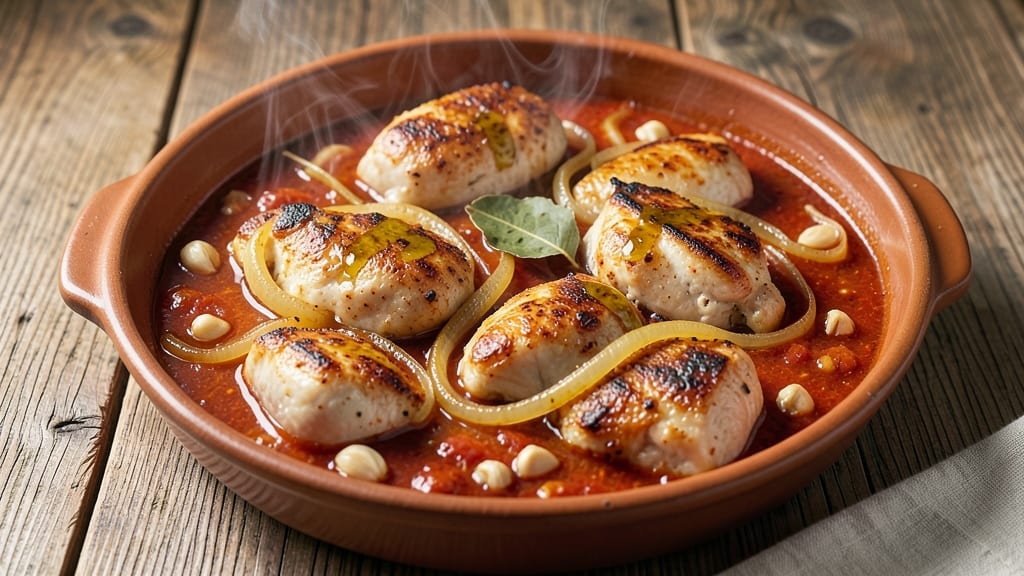
This traditional chicken paprikash recipe brings the rich, smoky flavors of Hungary straight to your kitchen, where tender chicken simmers in a velvety paprika-infused sauce until perfectly harmonized with sour cream.
The key to authenticity lies in the balance of sweet and hot paprika, which creates that signature deep red hue and complex aroma that defines this classic dish.
I’ve refined this recipe over years of testing to ensure the sauce remains rich yet not overly thick, allowing the chicken to absorb all those smoky, earthy notes.
The process starts with browning the chicken in a Dutch oven—a critical step for building deep flavor before the paprika and aromatics transform it into something extraordinary. Onions caramelize slowly, releasing their natural sweetness, while garlic and bay leaves infuse the sauce with warmth.
The sour cream, stirred in at the end, adds a creamy contrast that rounds out the dish’s bold profile, making every bite unforgettable. This isn’t just a stew; it’s a taste of tradition with a modern touch.
By the time you serve this dish, you’ll have fork-tender chicken swimming in a sauce that’s both hearty and elegant, with just the right balance of tang and spice.
The aroma alone will draw everyone to the table, while the texture—juicy chicken, tender vegetables, and a sauce that clings perfectly—delivers on every promise. Pair it with buttery egg noodles or fresh bread to soak up every last drop of that smoky, creamy goodness.
What makes this recipe truly special is its versatility—it’s hearty enough for a family dinner but refined enough for a special occasion. The technique is approachable, yet the result feels like a restaurant-quality meal. Let’s get started on creating this Hungarian classic that’s as comforting as it is impressive.
Ingredients for traditional chicken paprikash
Authentic Hungarian flavors start with these 14 ingredients—where smoky paprika meets creamy sour cream perfection.
| Ingredient | Amount | Notes |
|---|---|---|
| Boneless, Skinless Chicken Thighs 🍗 | 1 ½ lb | Cut into 1-inch pieces for even cooking |
| Yellow Onions 🧅 | 2 whole | Sliced into 1/4-inch rings for caramelization |
| Sweet Hungarian Paprika 🌶️ | 2 tbsp | Authentic sweet variety, not hot paprika |
| Hot Hungarian Paprika 🌶️ | 1 tbsp | For balanced smoky heat |
| Garlic Cloves 🧄 | 4 cloves | Minced for aromatic depth |
| Bay Leaves 🌿 | 2 whole | Fresh for optimal flavor |
| Tomato Paste 🍅 | 2 tbsp | High-quality for rich base |
| Sour Cream 🥛 | ½ cup | Full-fat for creamy texture |
| Chicken Broth 💧 | 1 ½ cups | Low-sodium preferred |
| Extra-Virgin Olive Oil 🫒 | ¼ cup | For browning chicken |
| All-Purpose Flour 🌾 | 1 tbsp | For thickening sauce |
| Salt 🧂 | 1 ½ tsp | Kosher or sea salt |
| Ground Black Pepper 🌶️ | ½ tsp | Freshly ground preferred |
| Fresh Parsley 🌿 | ¼ cup | Chopped for garnish |
The paprika is non-negotiable here. Sweet Hungarian paprika from Penzeys or specialty stores delivers that signature deep red hue and complex aroma—avoid generic paprika, which lacks the same depth. For the chicken, thighs stay juicier than breasts during the long simmer. Costco often has excellent prices for bone-in thighs, but boneless works too if you prefer convenience. Onions should be sweet and firm; yellow onions caramelize best for this dish. Fresh bay leaves add subtle earthiness that dried can't replicate—grab a sprig bundle at the grocery store if you're unsure about individual leaves.
No sweet Hungarian paprika? Substitute 1 tbsp sweet paprika plus 1/2 tsp smoked paprika for a similar effect, though the flavor won't be identical. Short on sour cream? Greek yogurt at half the amount works in a pinch, though it's tangier. The tomato paste can be skipped if you dislike its intensity, but it adds a subtle sweetness that balances the paprika's heat. For extra depth, add 1 tsp apple cider vinegar to the sauce at the end. The flour is purely for thickening—if you're gluten-free, use cornstarch instead at the same ratio. Fresh parsley brightens the dish, but dried oregano at 1/4 tsp can stand in if needed.
This dish tastes even better the next day as flavors meld. Store leftovers in an airtight container in the fridge for up to 5 days, or freeze portions for 3 months. To reheat, warm gently on the stove with a splash of broth—never microwave, as it can curdle the sour cream. The sauce thickens as it cools, so add a bit more broth when reheating if needed. Serve with buttery egg noodles or crusty bread to soak up every last bit of that smoky, creamy goodness.
Why You'll Love This Recipe
- One-Pot Magic: I swear by this recipe because it’s literally one pan—no chopping boards, no extra dishes. Sear the chicken thighs, toss in the onions and garlic, then let the paprika do its work. By the time you’ve stirred in the sour cream (if you’re using it), the kitchen’s cleaner than when you started.
- Paprika Powerhouse: Honestly, the sweet and hot paprika blend is where this dish shines. That deep, smoky warmth from the Hungarian spices clings to the chicken like a hug, while the onions caramelize into something almost sweet. The garlic? It’s the cherry on top—simple, but ridiculously good.
- Weeknight to Dinner Party: Between us, this recipe works for everything. Throw it together on a Tuesday night with crusty bread, or serve it at a gathering with dumplings and a cold beer. The flavor’s rich enough to feel special, but the prep’s so low-effort it won’t stress you out.
- Leftovers That Don’t Suck: I make a double batch on Sundays because reheated paprikash is still amazing—just add a splash of water or broth to keep it saucy. Plus, chicken thighs are budget-friendly, so you’re not breaking the bank for seconds (or thirds). My freezer’s always stocked with this stuff.
Step-by-step instructions for traditional chicken paprikash
This method delivers authentic Hungarian flavors with tender chicken and velvety sour cream sauce.
Brown the Chicken and Caramelize the Onions
Heat the 0.25 cup extra-virgin olive oil in a large Dutch oven over medium-high heat. Cut the 1.5 lb boneless, skinless chicken thighs into 1-inch pieces and season immediately with 1.5 tsp salt and 0.5 tsp ground black pepper. Working in batches to avoid crowding, brown the chicken for 4-5 minutes per side until golden brown and cooked through. The pieces should release easily from the pan when ready.
Remove the chicken and set aside. In the same Dutch oven, add the 2 whole yellow onions sliced into ¼-inch rings. Cook the onions over medium heat for 10-12 minutes, stirring occasionally, until they develop a deep golden caramelization. This step builds the foundation for the rich paprikash flavor. The onions should be soft but still hold their shape, with a sweet, jammy texture.
Build the Paprika Base
Reduce the heat to medium-low and add the 2 tbsp sweet Hungarian paprika and 1 tbsp hot Hungarian paprika. Stir constantly for 1-2 minutes until the paprika is fragrant and the raw taste disappears. This is where the signature smoky depth develops. Here's the thing—don't rush this step. The paprika needs time to bloom and release its full aroma.
Add the 4 cloves minced garlic cloves and cook for 30 seconds until fragrant. Stir in the 2 tbsp tomato paste and cook for another 1 minute until it darkens slightly. This creates a rich, umami base that balances the acidity of the sour cream later. The mixture should be thick and slightly sticky at this point.
Simmer the Sauce with Chicken and Broth
Return the browned chicken to the Dutch oven along with the 2 whole bay leaves. Pour in the 1.5 cups chicken broth and bring to a gentle simmer. Partially cover the pot and cook for 20-25 minutes until the chicken is tender and the sauce has reduced slightly. You'll know it's ready when the chicken easily pulls apart with a fork and the sauce coats the back of a spoon.
Real talk: If the sauce seems too thin at this stage, reduce it uncovered for an additional 5 minutes to achieve the proper consistency. The chicken should be swimming in a rich, paprika-infused sauce that clings beautifully to each piece.
Finish with Sour Cream and Thicken
Remove the bay leaves and stir in the 0.5 cup sour cream and 1 tbsp all-purpose flour. Simmer gently for 3-4 minutes until the sauce thickens to a creamy, velvety consistency. The mixture should coat the back of a spoon smoothly without being gluey. If it thickens too quickly, add 1-2 tablespoons of water to adjust the texture.
Taste and adjust seasoning with additional salt or pepper if needed. The sauce should be rich, slightly tangy from the sour cream, and deeply flavored with the paprika. The chicken should be fully tender with a perfect balance of smoky, sweet, and creamy flavors.
Garnish and Serve
Transfer the chicken and sauce to a serving dish and sprinkle with the 0.25 cup chopped fresh parsley. The parsley adds a fresh contrast to the rich, smoky flavors and brightens the presentation. Serve immediately over egg noodles or crusty bread to soak up every last bit of that creamy paprikash sauce.
This traditional preparation delivers the perfect harmony of textures and flavors—tender chicken in a velvety, paprika-infused sauce that's both comforting and sophisticated. The key is patience in each step, especially the caramelization and simmering, which develop the deep, authentic taste of Hungarian cuisine.
Pro Tips For Making Traditional Chicken Paprikash
- Bloom the Paprika: Toast the paprika in a dry pan for 30 seconds—just until it smells like sunshine and spice. I learned this the hard way: skipping the blooming makes the flavor hit like a dull spoon instead of a well-seasoned kiss. Use half sweet, half hot for that classic balance, and keep the heat medium-low or you’ll burn it faster than you can say "paprikash disaster."
- Sear in Batches: Don’t crowd the pan—work in two batches if needed. I used to toss all the thighs in at once, and they’d steam instead of brown. A hot pan with 1 tablespoon of oil per batch gives you that deep, caramelized crust that makes the paprika cling like it’s supposed to. (Yes, even if you’re impatient like me.)
- Deglaze with Care: After searing, pour in just enough broth to barely cover the fond—about 1 cup for a standard pan. Too much liquid dilutes the flavor, and too little means you’re scraping burnt bits off your tongue. Scrape the pan like you’re mad at it; every bit of browned goodness deserves a home in your sauce.
- Simmer, Don’t Boil: Once everything’s in the pot, keep the heat at a gentle simmer—tiny bubbles, occasional shakes. Boiling turns paprikash into a sad, watery stew. After 20 minutes, taste it: if it’s still raw-tasting, cover and let it stew another 10. Patience here is the difference between "meh" and "grandma’s kitchen."
Storing and reheating this recipe
Refrigerator Storage
Let your paprikash cool completely before transferring to an airtight container—I use glass Pyrex with snap-on lids for best results. Store at 40°F or below for up to 5 days, though the flavors actually deepen overnight as the paprika and sour cream meld together.
The sauce will thicken slightly when chilled, so add 1-2 tablespoons of broth when reheating if needed. 🥫
Freezer Storage
For longer storage, freeze portions in quart-sized freezer bags or glass containers, leaving 1 inch of headspace for expansion. Label with the date and freeze for up to 3 months.
Thaw overnight in the refrigerator before reheating—never reheat directly from frozen to prevent curdling the sour cream. The texture remains creamy when thawed properly. ❄️
Stovetop Reheating
This is my go-to method because it preserves the sauce’s velvety texture. Pour the paprikash into a heavy-bottomed pot and warm over medium-low heat for 8-10 minutes, stirring occasionally. Add 2-3 tablespoons of broth or water if the sauce looks too thick.
Taste and adjust seasoning—it often needs a pinch of salt or a splash of lemon juice to brighten flavors. 🔥
Microwave Reheating
For quick reheating, transfer a portion to a microwave-safe dish and cover loosely with a damp paper towel. Heat on 50% power in 1-minute intervals, stirring between each, until reaching 165°F internal temperature.
Avoid high power to prevent the sour cream from separating. Stir in 1 tablespoon of broth if the sauce looks dry. ⚡
Serving After Reheating
Paprikash tastes even better the second time around—serve with freshly cooked egg noodles or crusty bread to soak up the sauce. Garnish with chopped parsley and a drizzle of sour cream for extra richness. The reheated version often feels more cohesive, with flavors fully integrated. 💛
Make-Ahead Tips
Double the recipe and freeze half for future meals—I often prep it on weekends for busy weeknights. When reheating, add 1 extra tablespoon of broth to account for moisture loss during storage. The dish reheats beautifully, making it perfect for meal prep without sacrificing restaurant-quality taste. 📅
Nutrition facts
Frequently asked questions
Why does traditional paprikash use both sweet and hot paprika?
The combination creates the iconic Hungarian flavor profile—sweet paprika provides the rich, deep red color and mild sweetness, while hot paprika adds subtle warmth and complexity. This balance makes the dish both approachable and deeply satisfying.
Can I make this recipe with chicken breasts instead of thighs?
You can try, but thighs are ideal because they stay juicier during the long simmer. If using breasts, cut them into 1-inch pieces and reduce simmering time to 15-20 minutes to prevent drying out. Add 1-2 tablespoons of broth if the sauce looks too thick.
What's the best way to fix a paprikash that's too thin?
Simmer uncovered for 5-10 minutes to reduce the sauce naturally. If it's still too thin, mix 1 tbsp flour with 1 tbsp cold water to form a slurry, then stir it in while simmering. Never use cornstarch—it can make the sauce gluey.
How do I know when the onions are caramelized enough?
They should be deep golden brown with a sweet, jammy texture—almost like candy. Stir occasionally to prevent burning. The onions should be soft but still hold their shape, with a rich aroma filling your kitchen.
Can I substitute sour cream with something else?
For a similar texture, use Greek yogurt at half the amount (¼ cup). For a tangier option, try crème fraîche or even mascarpone mixed with a splash of broth. Avoid regular yogurt—it can make the sauce too thin.