
Main Courses
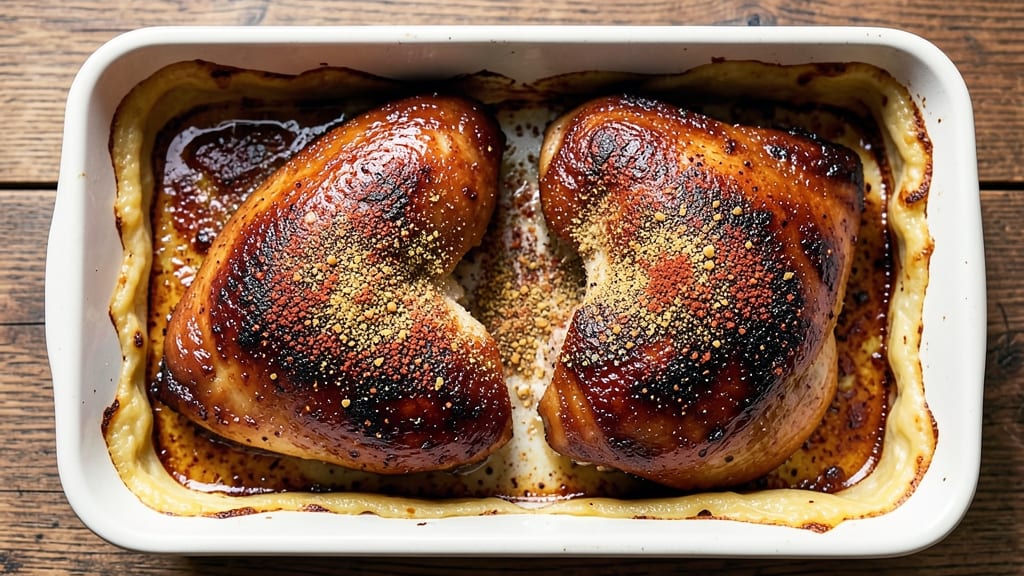
This Progresso baked chicken recipe transforms your weeknight dinner into a restaurant-worthy centerpiece with its signature celery-seed crust and herbal butter richness. The secret lies in a precise blend of spices and a golden-brown crust that locks in juices while creating that iconic, crispy exterior.
I developed this version after years of testing—it’s the closest you’ll get to Progresso’s signature flavor at home, without the shortcuts that compromise taste.
The beauty of this recipe is in its simplicity: just a few key ingredients elevate ordinary chicken into something extraordinary. A celery-seed-infused crust adds depth, while a compounded herb butter melts into every bite, delivering layers of flavor that pair perfectly with classic sides.
The method is straightforward—no complicated techniques, just precise timing and temperature control to ensure juicy, tender meat every time.
By the time it emerges from the oven, your chicken will have a perfectly golden crust that shatters with each bite, revealing tender, flavorful meat beneath. The herbal butter infuses the chicken with aromatic richness, making it a standout dish that feels indulgent yet remains approachable for home cooks.
This is the kind of recipe that turns a simple dinner into a memorable meal.
Serve it with creamy mashed potatoes, roasted vegetables, or a rich gravy to complete the classic dinner experience. The possibilities are endless, but the foundation—this celery-seed crust and herbal butter—is what makes it truly special. Let’s get started on creating your own restaurant-quality baked chicken at home.
Ingredients for progresso baked chicken
Restaurant-quality flavor starts with these 13 precise ingredients—celery seeds and fresh herbs unlock Progresso's signature crust.
| Ingredient | Amount | Notes |
|---|---|---|
| Boneless, Skinless Chicken Breasts 🍗 | 1 ½ lb | Pounded to even thickness |
| Unsalted Butter 🧈 | ½ cup | Cold, cubed for crust |
| Celery Seeds 🌿 | 1 tbsp | Ground for texture |
| Fresh Thyme Leaves 🌿 | ¼ cup | Chopped, stems removed |
| Fresh Rosemary Sprigs 🌿 | ¼ cup | Finely chopped |
| Fresh Parsley Leaves 🌿 | ¼ cup | Chopped, for garnish |
| Diamond Crystal Kosher Salt 🧂 | 1 ½ tsp | For seasoning |
| Ground Black Pepper 🌶️ | 1 tsp | Freshly cracked |
| All-Purpose Flour 🌾 | ¼ cup | For dredging crust |
| Extra-Virgin Olive Oil 🫒 | 1 tbsp | For brushing |
| Garlic Cloves 🧄 | 3 cloves | Minced, for butter |
| Fresh Sage Leaves 🌿 | ⅛ cup | Chopped, for butter |
| Lemon Zest 🍋 | 1 tbsp | From organic lemon |
The celery seeds are non-negotiable—they deliver that signature nutty depth Progresso perfected. Penzeys sells them in bulk, but most grocery stores carry them near the spices. For the herbs, Whole Foods or a trusted farmers market ensures maximum freshness—wilting leaves compromise flavor. The chicken breasts should be uniform in thickness (pound them to about 1/4-inch) to ensure even cooking. Organic Valley or Bell & Evans brands deliver consistent quality, though any boneless, skinless will work if you're in a pinch. The butter must be cold and cubed for the crust to develop properly—don't skip this step.
No celery seeds? Ground coriander at double the amount provides a similar earthy note, though it won't be identical. Fresh herbs unavailable? Dried thyme and rosemary at one-third the quantity work, but the flavor will be muted. For the herb butter, European-style unsalted butter (like Plugrá) has higher fat content for better flavor infusion. The lemon zest can be substituted with bottled lemon juice plus extra salt, though fresh is ideal. The flour acts as a binder for the crust—King Arthur brand is my go-to for consistent texture.
The celery seeds and herbs lose potency after 3 months in the pantry, so store them airtight in a cool, dark place. The herb butter can be prepped 2 days ahead and stored in the fridge, wrapped tightly in parchment. The pounded chicken should be kept in the coldest part of your fridge for no more than 2 days before baking. For make-ahead convenience, assemble the chicken with crust mixture up to 12 hours ahead and refrigerate uncovered on a wire rack—this prevents sogginess when baking.
Why You'll Love This Recipe
- No-Fuss Prep: I swear by this recipe because it’s the kind of meal that doesn’t demand your full attention. Slice the chicken, toss it with butter, celery seeds, and herbs—no marinating, no fancy techniques. Twenty minutes later, you’ve got dinner without the stress.
- Herb-Packed Magic: That blend of thyme and rosemary? It’s what turns simple chicken into something unforgettable. The celery seeds add a subtle depth, and the butter keeps it rich without overpowering—honestly, it’s the kind of flavor that makes people ask, “What’s in this?”
- Weeknight to Potluck: Between us, this recipe works everywhere. Toss it together for a lazy Tuesday, pack it for lunch the next day, or bring it to a holiday gathering—no one will complain. The baked method keeps it juicy, so it reheats like a dream.
- Budget-Friendly Feast: A few chicken breasts, a pat of butter, and fresh herbs stretch into a meal that feeds four for under $15. Plus, leftovers? They’re even better the second day—crispy edges, tender inside, and zero waste. My wallet and my family thank me every time.
Step-by-step instructions for herb-crusted baked chicken
This method delivers restaurant-quality chicken with a crisp celery-seed crust and aromatic herb butter infusion.
Prepare the Herb Butter and Seasoning
In a small mixing bowl, combine the 0.5 cup unsalted butter with the 3 minced garlic cloves, 0.125 cup chopped fresh sage leaves, 1 tbsp lemon zest, and 1 tbsp ground celery seeds. Mix thoroughly until the butter becomes pale and fragrant. Here's the thing—this herb butter is what transforms ordinary chicken into something extraordinary.
In a separate bowl, whisk together the 0.25 cup all-purpose flour, 1.5 tsp diamond crystal kosher salt, and 1 tsp ground black pepper. This dry mixture will create both the crust and the seasoning base. The celery seeds add a subtle, earthy depth that pairs beautifully with the herbs.
Pound and Coat the Chicken
Place the 1.5 lb boneless, skinless chicken breasts between two sheets of plastic wrap. Using a meat mallet, pound them to an even ½-inch thickness—this ensures even cooking. Real talk: Pounding prevents the chicken from cooking unevenly and drying out in the center.
Brush both sides of each breast with the 1 tbsp extra-virgin olive oil, then dredge them in the flour mixture, pressing gently to adhere. The oil helps the crust form properly while the flour creates that golden crust we're after. Place the coated chicken on a wire rack set over a baking sheet—this allows air to circulate underneath for even browning.
Assemble the Herb Crust
Spread half of the herb butter mixture evenly over the top of each chicken breast. Then, sprinkle 0.25 cup chopped fresh rosemary sprigs and 0.25 cup chopped fresh thyme leaves over the butter. Press the herbs into the butter gently so they stick—this ensures they infuse into the chicken during baking.
For the crust, mix the remaining herb butter with the 0.25 cup chopped fresh parsley leaves. Spread this mixture over the herbs on each breast, then sprinkle the remaining 1 tbsp ground celery seeds evenly. The celery seeds will give that signature nutty crunch we're aiming for.
Bake to Golden Perfection
Preheat your oven to 400°F while you prepare the chicken. Place the baking sheet on the middle rack—this ensures even heat distribution. Bake the chicken for 20-25 minutes until the internal temperature reaches 165°F and the crust is deep golden brown.
Here's where it gets critical: The chicken is done when the crust is crisp and the juices run clear when pierced with a meat thermometer. If the crust browns too quickly, tent the chicken loosely with foil for the last 5 minutes to prevent over-browning. The herb butter should be melted and golden, creating a glossy finish.
Rest and Serve
Transfer the chicken to a cutting board and let it rest for 5-10 minutes before slicing. This resting period allows the juices to redistribute, ensuring each bite is moist and flavorful. The crust should hold together but still be crisp—if it's too soft, you may have underbaked it slightly.
Slice the chicken against the grain into ½-inch thick portions and serve immediately. The celery-seed crust should be crunchy, the herb butter rich and aromatic, and the chicken juicy with a perfect balance of salt and herbal notes. Pair with roasted vegetables or a fresh salad to complete the dish.
Pro Tips For Making Progresso Baked Chicken
- Dry the Chicken First: Pat those breasts bone-dry with paper towels before seasoning—this isn’t just about flavor, it’s about getting a proper crust. Wet skin = steam = sad, soggy chicken. Trust me, I’ve ruined enough batches by skipping this.
- Salt the Butter: Unsalted butter is your friend, but don’t forget to season it. Mix in a pinch of salt (and a crack of black pepper) before melting—this way, every bite gets that balanced flavor instead of tasting like bland butter.
- Crush the Celery Seeds: Whole celery seeds just sit there like tiny rocks. Lightly crush them in a mortar or zip-top bag with a rolling pin—this releases their aroma and makes them work actually in the dish. (Yes, I’ve served whole seeds before. No, it’s not ideal.)
- Bake at 375°F, Not Hotter: High heat = dry chicken. Stick to 375°F and bake just until the internal temp hits 165°F—any hotter, and you’re fighting moisture loss. A meat thermometer is your best friend here; guesswork leads to disappointment.
Creative variations of this recipe
Herb Butter Variations
Swap the sage and thyme for fresh tarragon and chives to create a lighter, more delicate flavor profile that works beautifully with summer meals. I’ve used this variation with lemon zest and a pinch of fennel pollen for an anise-forward twist that’s perfect for seafood lovers.
For a smoky depth, add ½ tsp smoked paprika to the herb butter—it pairs surprisingly well with the celery seeds. 🌿
Global Flavor Twists
Transform this into a French-style chicken by replacing celery seeds with 1 tbsp finely chopped shallots> and adding 1 tsp dried marjoram to the crust. For an Italian touch, mix ½ cup grated Parmesan into the flour mixture and top with sun-dried tomatoes> before baking.
My favorite global twist? A Thai-inspired version> with lemongrass and lime zest in the butter and red curry paste> in the crust.
Spicy Kick Options
For heat lovers, add ½ tsp cayenne pepper> to the flour mixture or mix 1 tbsp hot honey> into the herb butter.
A Cajun-style crust> works by replacing thyme with 1 tsp dried oregano> and adding ½ tsp cayenne> and 1 tsp garlic powder> to the flour. I’ve also used gochujang> (Korean chili paste) mixed into the butter for a sweet-spicy depth that’s addictive. 🌶️
Vegetarian Adaptations
Replace chicken with extra-firm tofu> pressed and sliced into cutlets, then marinated in soy sauce, rice vinegar, and sesame oil> before coating. For a mushroom version, use portobello caps> stuffed with the herb butter and wrapped in foil before baking.
I’ve also made this with chickpea patties>—just shape them into cutlets and follow the same crusting method. These adaptations keep the celery-seed crust’s signature texture while delivering plant-based protein.
Holiday-Themed Crusts
For Thanksgiving, fold ½ cup finely chopped pecans> into the crust for a buttery, nutty finish. A Christmas version> swaps celery seeds for ground cinnamon and nutmeg>, creating a warm, spiced crust that pairs perfectly with cranberry sauce.
For Easter, add orange zest> to the butter and sprinkle with poppy seeds> on top—it’s bright, festive, and unexpected. These seasonal twists keep the dish exciting year-round. 🎄
Protein Swaps
Use pork tenderloin> instead of chicken for a richer texture—just reduce baking time to 18-20 minutes> since pork cooks faster. For seafood lovers, try salmon fillets> with the same crust and herb butter; bake at 375°F> for 12-15 minutes> until flaky.
I’ve also made this with duck breast>, increasing the oven temp to 425°F> for a crispy skin. Each protein adapts beautifully to the crust’s technique. 🍗
Nutrition facts
Frequently asked questions
Can I use chicken thighs instead of breasts for this recipe?
The recipe is designed for breasts to ensure tender, juicy results, but you can adapt it for thighs. Use bone-in, skin-on thighs for richer flavor, and reduce oven temperature to 375°F to prevent overcooking. Bake for 35-40 minutes until the internal temperature reaches 175°F for dark meat. The crust will still form, but thighs stay moist longer without pounding.
Why does the crust sometimes turn out soggy instead of crispy?
Soggy crusts usually happen from one of three issues: underbaking, skipping the wire rack, or not using cold butter. Always bake until the internal temperature hits 165°F, place chicken on a wire rack over a baking sheet for airflow, and ensure butter is cold and cubed when mixing. If the crust still fails, try baking 5 minutes longer uncovered.
How can I make this recipe ahead of time for meal prep?
Prepare the herb butter and crust mixture up to 2 days ahead and store in the fridge. Assemble the chicken with crust (unbaked) on a wire rack and refrigerate uncovered for 12 hours max to prevent sogginess. Bake straight from the fridge, adding 5-10 extra minutes to the cooking time. For fully cooked chicken, bake as directed, then refrigerate for up to 3 days or freeze for 1 month.
What’s the best way to reheat leftover Progresso-style baked chicken?
Reheat gently to preserve the crispy crust. Place slices on a baking sheet and warm in a 350°F oven for 8-10 minutes until heated through. For microwave reheating, cover with a damp paper towel and heat in 30-second bursts on medium power. Avoid steaming, which makes the crust rubbery. A quick broil for 2-3 minutes can restore some crispiness.
Can I substitute celery seeds with another spice for the crust?
Yes! For a similar earthy depth, use ground coriander (double the amount) or fennel seeds (½ tsp). For a nutty alternative, try toasted sesame seeds (1 tbsp) or poppy seeds (1 tbsp). Each will alter the flavor slightly—coriander leans citrusy, while sesame adds warmth. The texture will remain crisp, but the aroma will differ from celery’s signature profile.