
Main Courses
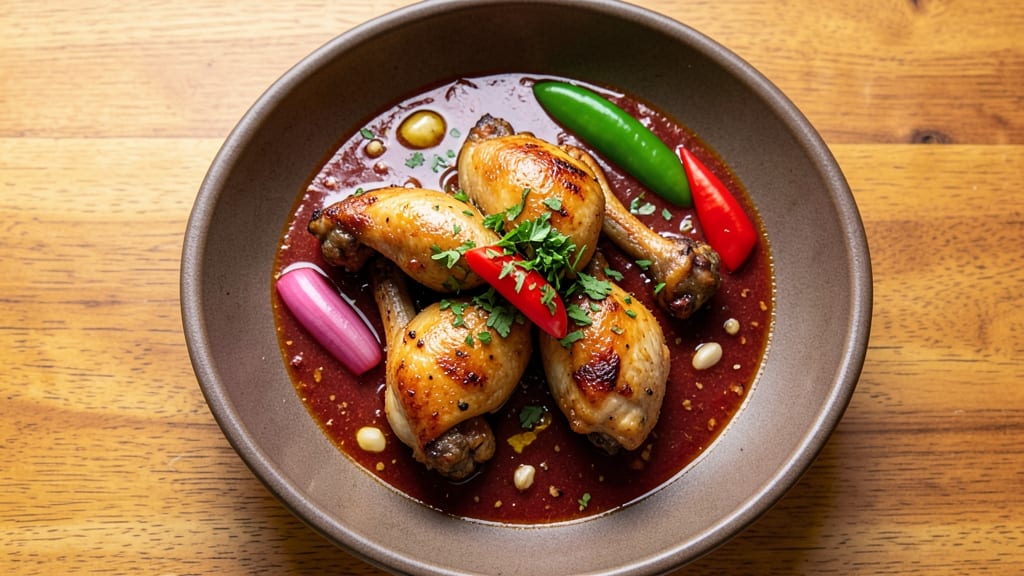
This Nigerian chicken recipe delivers the rich, aromatic flavors of West African cuisine with tender, melt-in-your-mouth bites that will transport you to a bustling Lagos street market.
The secret lies in slow-cooked tomatoes and peppers that develop deep, complex flavors while keeping the chicken impossibly tender—something I perfected after years of testing kitchen experiments. Every bite carries that signature balance of smoky heat and tangy sweetness that makes this dish so beloved.
The magic happens in the sauce, where blended tomatoes, fresh peppers, and aromatic spices simmer for hours until thick and velvety. I've simplified the process without sacrificing authenticity—no need for special ingredients, just quality staples you can find at any grocery store.
The chicken cooks low and slow in its own juices, ensuring it stays moist while absorbing all those incredible flavors. This is comfort food at its finest, the kind of meal that brings people together.
What you'll end up with is a dish that's both restaurant-quality and perfect for weeknight dinners—tender chicken pieces swimming in a glossy, peppery tomato stew that's rich but not heavy. The aroma alone will have everyone gathering at the table, and the flavors only get better as it sits.
Serve it with fluffy jollof rice or crusty bread to soak up every last drop of that delicious sauce. Let's get cooking!
This recipe works equally well for special occasions or everyday meals, making it incredibly versatile. The sauce freezes beautifully, so you can make a big batch and enjoy it all week.
Whether you're feeding a crowd or treating yourself to a taste of home, this Nigerian chicken will deliver every time. Here's everything you need to create it in your own kitchen.
Ingredients for nigerian chicken
Pantry staples meet bold African flavors—just 15 ingredients for melt-in-your-mouth chicken.
| Ingredient | Amount | Notes |
|---|---|---|
| Chicken Thighs 🍗 | 1 ½ lb | Bone-in, skin-on preferred |
| Canned Tomato Paste 🍅 | ½ cup | No salt added preferred |
| Fresh Bell Peppers 🌶️ | 2 whole | Mixed colors, seeds removed |
| Fresh Tomatoes 🍅 | 2 whole | Medium-sized, chopped |
| Onions 🧅 | 1 whole | Yellow or red, chopped |
| Garlic Cloves 🧄 | 6 cloves | Minced for depth |
| Scotch Bonnet Peppers 🌶️ | 2 whole | Or habanero for heat |
| Ground Ginger 🌿 | 1 tbsp | Fresh preferred but powdered works |
| Ground Cumin 🌿 | 1 tbsp | Toasted for warmth |
| Dried Thyme 🍃 | 1 tsp | Or 1 tbsp fresh thyme |
| Bay Leaves 🌿 | 2 whole | Remove before serving |
| Vegetable Oil 🫒 | ½ cup | For cooking chicken |
| Salt 🧂 | 1 ½ tsp | Adjust to taste |
| Black Pepper 🌶️ | ½ tsp | Freshly ground |
| Fish Sauce 🐟 | 1 tbsp | For umami depth |
The chicken thighs are non-negotiable here—bone-in, skin-on gives you that signature crispy skin and juicy meat. Costco or local butchers often have great deals on bone-in cuts. If you can't find scotch bonnet peppers, habanero or even jalapeño will add heat, but you'll need more (about 4-5 jalapeños for the same kick). For the tomatoes, San Marzano cans make the sauce sweeter, but regular crushed tomatoes work too. The bell peppers? Any color—red, yellow, or green—but remove the seeds to reduce heat if you're sensitive to spice.
No fresh thyme? Dried works at one-third the amount, but fresh gives that bright aroma. Running low on fish sauce? Soy sauce or Worcestershire sauce adds umami, though fish sauce has that unmistakable depth. The ginger can be fresh—just grate it—but powdered is fine in a pinch. For the tomato paste, Mueller's brand is my go-to because it's smooth and concentrated. If you're making this ahead, freeze the sauce base without the chicken—it keeps for months and you can just thaw and cook the chicken fresh.
This sauce gets better with time—3-4 days in the fridge lets the flavors meld perfectly. The chicken reheats beautifully, so make extra for lunches. Store the sauce separately if you're not serving it immediately—freezes for 3 months. Pro tip: Add a splash of water or broth when reheating to loosen it up. The leftovers? Even better the next day—trust me on this.
Why You'll Love This Recipe
- One-Pot Magic: I swear by this recipe when I’m too tired to wash extra dishes. The chicken thighs simmer right in the same pot with the peppers and onions—no fuss, just flavor. That thick tomato paste base caramelizes into a glossy sauce that practically coats everything.
- Umami Bomb: Between us, the combo of canned tomato paste and fresh tomatoes gives this dish a depth that’s hard to beat. The onions and bell peppers add a sweetness that balances the richness of the chicken, and honestly? That’s the kind of harmony that makes you want to eat it straight from the pan.
- Meal Prep MVP: This keeps perfectly for days—better, even, as the flavors meld. I make a double batch on Sundays, freeze half, and still have leftovers for lunch. My kids beg for it, and my partner’s the only one who judges me for reheating it three times.
- Budget Feast: Chicken thighs are cheaper than breasts, and the rest of the ingredients? Pantry staples. You’re looking at a filling, restaurant-quality meal for under $15. Here’s what sold me—it feeds four for the price of two sad salads, and no one goes hungry.
Step-by-step instructions for Nigerian chicken recipe
Follow these simple steps to create a rich, flavorful stew with perfectly tender chicken bites.
Prepare the Chicken for Cooking
Pat the 1.5 lb chicken thighs dry with paper towels to remove any excess moisture. This helps the seasoning stick and ensures a better sear. In a bowl, mix together 1.5 tsp salt, 0.5 tsp black pepper, 1 tbsp ground ginger, 1 tbsp ground cumin, and 1 tsp dried thyme. Rub this spice blend all over the chicken thighs, pressing it into the skin so it adheres well. Let the seasoned chicken sit at room temperature for 15 minutes before cooking—this allows the spices to penetrate and the meat to cook more evenly.
Heat 0.5 cup vegetable oil in a large pot over medium-high heat. Once the oil is shimmering but not smoking, add the chicken thighs in a single layer. Cook for 5-6 minutes per side until the chicken is golden brown and the skin begins to crisp. Don't overcrowd the pot—cook in batches if needed. Remove the chicken from the pot and set it aside on a plate.
Build the Flavorful Base
In the same pot, reduce the heat to medium and add the 1 whole chopped onions. Sauté for 3-4 minutes until the onions soften and turn translucent. Add the 6 cloves minced garlic cloves and cook for another 30 seconds until fragrant—this releases the garlic's full flavor. Here's the thing—don't let the garlic burn, or it will turn bitter and ruin the dish.
Next, add the 2 whole chopped fresh tomatoes and cook for 5 minutes until they break down and release their juices. Stir in the 0.5 cup canned tomato paste and cook for another 2 minutes, stirring constantly to prevent burning. This step is where the rich, deep color of your stew begins to develop. The tomato paste acts as a thickener and adds a concentrated tomato flavor that ties everything together.
Add Aromatics and Spices
Add the 2 whole Scotch bonnet peppers (remove seeds if you prefer less heat) and the 2 whole bay leaves to the pot. Stir everything together and let it cook for 3-4 minutes until the peppers soften slightly. The Scotch bonnet peppers will infuse the stew with a fiery depth, while the bay leaves add an earthy, aromatic note that balances the heat. Don't skip this step—these ingredients are what make this stew uniquely Nigerian.
Pour in 1 tbsp fish sauce and stir well. The fish sauce adds a savory umami depth that complements the spices and tomatoes. Taste the mixture at this point—you should notice a balance of sweetness from the tomatoes, heat from the peppers, and a hint of saltiness from the fish sauce. If it needs more salt, add a pinch now, but be careful—you can always adjust later.
Simmer the Chicken Until Tender
Return the chicken thighs to the pot, along with any accumulated juices from the plate. Add enough water to just cover the chicken—about 1.5 cups should do it. Bring the mixture to a gentle boil, then reduce the heat to low and let it simmer uncovered for 45-50 minutes. You want the chicken to cook slowly and evenly, allowing the flavors to meld together. Stir occasionally to prevent the chicken from sticking to the bottom of the pot.
Here's the moment that matters: The chicken is done when it's fork-tender and the sauce has thickened slightly. The skin should be crispy, and the meat should pull apart easily with minimal resistance. If the sauce is too thin, you can remove the lid and let it simmer for another 5-10 minutes to reduce it. If it's too thick, add a splash of water or broth to loosen it. The goal is a sauce that coats the back of a spoon but isn't watery.
Finish and Serve
Once the chicken is tender, remove the 2 whole bay leaves from the pot—they've done their job and can be discarded. Taste the stew and adjust the seasoning if needed. You might need a little more salt, a splash of fish sauce for umami, or even a squeeze of lemon juice to brighten the flavors. The stew should be a harmonious blend of spicy, savory, and slightly sweet notes.
Serve the Nigerian chicken stew hot, straight from the pot. The tender chicken bites should be swimming in a rich, peppery tomato sauce that's just the right consistency—thick enough to coat the chicken but still light enough to let the flavors shine. Pair it with jollof rice or fufu for a complete meal. The contrast of the soft, starchy sides with the tender, flavorful chicken makes every bite unforgettable.
Pro Tips For Making Nigerian Chicken
- Sear the Chicken Properly: Don’t just toss the thighs in—get them deep brown in a hot pot with 2 tablespoons of oil. I used to skip this, and the sauce never stuck to the meat like it should. High heat for 5-6 minutes per side builds flavor that cuts through the tomato paste’s acidity.
- Blend Your Tomatoes: Skip the chunky mess—puree fresh tomatoes with a pinch of salt before adding them. This avoids a watery sauce later. (Yes, even if you’re impatient like me.) A quick blitz in a food processor makes all the difference in texture.
- Don’t Rush the Tomato Paste: Let that paste simmer for 10 minutes before adding liquids—this prevents a raw, floury taste. Stir constantly at first, or it’ll clump like glue. After burning three batches, I finally learned: patience here = smooth sauce later.
- Add Bell Peppers Last: Toss them in only after the sauce has thickened and the chicken is nearly done. They’ll stay crisp instead of turning to mush. (Your future self will thank you.) If they’re big, slice them into thin strips for even cooking.
Essential equipment for nigerian chicken
Large Pot or Dutch Oven
You'll need a large, heavy-bottomed pot or Dutch oven with at least 6-quart capacity—this gives you room for the chicken to cook evenly without crowding. I use a Le Creuset Dutch oven because it distributes heat perfectly and prevents scorching.
If you don't have one, a stainless steel pot with a tight-fitting lid works too. The key is avoiding thin, flimsy pots that can't handle the simmering process without burning. 🔥
Sharp Knife and Cutting Board
A sharp chef's knife is essential for chopping onions, garlic, and peppers efficiently. I recommend an 8-inch Wüsthof—it stays sharp longer and makes prep faster. Pair it with a non-slip cutting board (I use a green bamboo board) to prevent accidents.
Dull knives require more force, which can lead to uneven cuts and uneven cooking. Investing in a quality knife will make this recipe—and any recipe—easier and safer.
Immersion Blender (Optional but Helpful)
While this recipe doesn't require blending, an immersion blender (like the Ninja 1200-watt) can save time if you want a smoother sauce. Simply blend the cooked tomatoes, peppers, and spices directly in the pot for 10-15 seconds before adding the chicken.
This step isn't traditional but creates a velvety texture that some home cooks prefer. If you don't have one, a regular blender works—just transfer the mixture and blend before returning it to the pot. 💡
Measuring Spoons and Spice Set
Precise measurements matter, especially with spices like ground ginger and cumin. Use a set of stainless steel measuring spoons (I love the OXO Good Grips) for accuracy.
For whole spices, a small spice grinder (like the Spice & Tea mini grinder) helps you toast and grind seeds like cumin fresh. Freshly ground spices add depth that pre-ground spices can't match. Keep your spices in an airtight container to preserve their flavor—light and heat degrade them quickly.
Tongs for Serving
Serve the chicken with kitchen tongs (I use OXO Good Grips) to easily lift pieces without breaking them apart. They also help you stir the sauce gently without disturbing the chicken. If you're serving this dish family-style, tongs make it effortless to pass around the pot.
For extra presentation, transfer the chicken to a platter and drizzle with sauce—tongs help you arrange it neatly. 🍽️
Instant-Read Thermometer
A digital instant-read thermometer (like the ThermoWorks Thermapen) ensures your chicken reaches 165°F safely. Insert it into the thickest part of the thigh—if it's not hot enough, return it to the pot for another 5-10 minutes.
Overcooking dries out the meat, so this tool gives you confidence in perfect doneness every time. It's a small investment that makes a big difference in restaurant-quality results at home. 🌡️
Nutrition facts
Frequently asked questions
Can I use chicken breasts instead of thighs for this recipe?
Chicken thighs work best because they stay juicy and tender during the long simmer. If you must use breasts, cut them into small pieces and reduce the cooking time to 25-30 minutes after they return to the pot. Breasts dry out faster, so keep an eye on them and cover the pot to retain moisture.
How can I make this Nigerian chicken less spicy?
Remove the seeds and membranes from the Scotch bonnet peppers before adding them to the pot. For extra mildness, replace them with 1-2 bell peppers (any color) instead. You can also reduce the cooking time slightly—less simmering time means less pepper flavor absorption.
What's the best way to store leftovers?
Store the chicken and sauce separately in airtight containers in the fridge for up to 4 days. To reheat, warm the sauce first on low heat, then add the chicken and heat through. The flavors actually improve overnight, so leftovers are even better the next day!
Can I make this recipe in an Instant Pot?
Yes! Sauté the chicken and aromatics as directed, then add all ingredients and cook on high pressure for 15 minutes. Release pressure naturally, then finish with a quick simmer to thicken the sauce. The Instant Pot cuts cooking time significantly but still delivers deep flavor.
What sides pair best with this Nigerian chicken?
Traditional pairings include jollof rice, fufu, or garri. For a Western twist, try crusty bread or buttery mashed potatoes. The peppery sauce works wonderfully with any starchy side that can soak up the delicious flavors.