
Sauces & Condiments
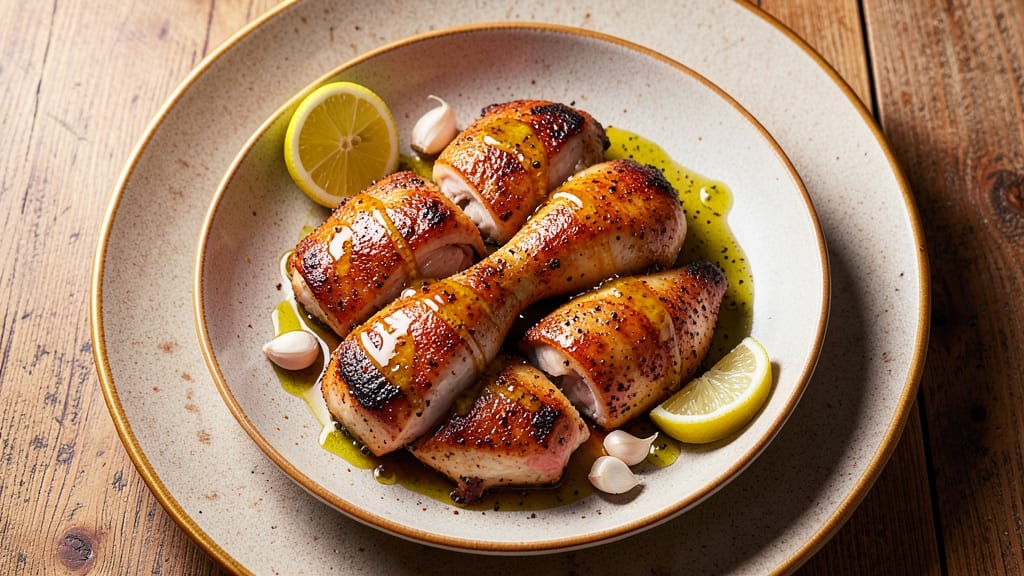
Lawry's Lemon Pepper Marinade Chicken delivers the perfect balance of crispy skin and juicy meat—just like I’ve been perfecting in my Charleston kitchen for years. The secret lies in marinating the chicken overnight, allowing the bold lemon-pepper blend to penetrate deeply while keeping the texture tender. This method transforms simple chicken into a restaurant-worthy dish with minimal effort.
The marinade’s tangy brightness and subtle heat create a flavor profile that pairs beautifully with high-heat cooking methods. Whether you grill, bake, or pan-sear, the result is chicken with a golden, crackling crust and moist interior.
The lemon pepper seasoning adds a zesty kick that elevates even the most basic sides, making this dish a crowd-pleaser every time.
With just a few ingredients and 30 minutes of active prep (plus overnight marinating), you’ll achieve professional-quality results. The marinade’s acidity tenderizes the chicken while the pepper blend adds depth, ensuring each bite is packed with flavor.
This recipe is foolproof—ideal for weeknight dinners or weekend gatherings where you want to impress without stress.
Serve with roasted vegetables, garlic mashed potatoes, or a fresh salad to round out the meal. The crispy skin holds up perfectly, and the juicy core stays intact, making this the ultimate one-pan wonder. Let’s get started—your taste buds will thank you.
Ingredients for lawry's lemon pepper marinade chicken
Lawry's Lemon Pepper Seasoning transforms simple chicken into restaurant-quality magic with just 13 ingredients.
| Ingredient | Amount | Notes |
|---|---|---|
| Boneless, Skinless Chicken Thighs 🍗 | 1 ½ lb | Cut into even-sized pieces |
| Lawry's Lemon Pepper Seasoning 🧂 | 3 tbsp | Original blend, not low-sodium |
| Extra-Virgin Olive Oil 🫒 | ¼ cup | High-quality, fruity variety |
| Fresh Lemon Juice 🍋 | ½ cup | From 2-3 medium lemons |
| Honey 🍯 | 2 tbsp | Wildflower preferred |
| Garlic Cloves 🧄 | 4 cloves | Minced, fresh preferred |
| Fresh Rosemary 🌿 | 2 tbsp | Finely chopped, stems removed |
| Diamond Crystal Kosher Salt 🧂 | 1 ½ tsp | For seasoning, not marinade |
| Ground Black Pepper 🌶️ | ½ tsp | Freshly cracked preferred |
| Cornstarch 🌾 | 1 tbsp | For crispy coating |
| All-Purpose Flour 🌾 | ½ cup | For breading |
| Unsalted Butter 🧈 | 2 tbsp | Melted, for pan-searing |
| Fresh Parsley 🌿 | ¼ cup | Chopped, for garnish |
The Lawry's Lemon Pepper Seasoning is the backbone here—grab the original blend, not the low-sodium version. I always double-check the spice aisle at Whole Foods or Kroger for the freshest jars. Fresh rosemary and parsley make a difference, so skip the dried stuff unless you're in a pinch. For the chicken, thighs stay juicier than breasts when baked or pan-seared. If you can't find boneless thighs, split bone-in thighs work too—just remove the bones before cooking. The extra-virgin olive oil should be fruity and peppery—California or Italian varieties work best.
No Lawry's Lemon Pepper Seasoning? Mix 2 tbsp lemon zest, 1 tbsp cracked black pepper, 1 tbsp garlic powder, and 1 tsp salt for a quick substitute. Fresh lemon juice is non-negotiable—bottled won't cut it here. The honey adds depth, but maple syrup works in a bind. For the crispy coating, I always use cornstarch plus flour—cornstarch alone makes it too sticky. Want extra flavor? Add 1 tsp smoked paprika to the marinade. The butter for pan-searing should be unsalted—you're already seasoning the chicken. And trust me, don't skip the overnight marinating—it's what makes this dish truly special.
Marinated chicken keeps 3 days in the fridge, covered. For best results, cook within 24 hours of marinating. The seasoning blend stays potent for 6 months if stored in a cool, dark place. I always make extra marinade—it's perfect for drizzling over roasted veggies or tossing with quinoa. The baked chicken reheats beautifully—just 5 minutes at 350°F until warmed through. Garnish with fresh parsley right before serving to keep it vibrant.
Why You'll Love This Recipe
- Five-Ingredient Magic: I swear by this combo—just chicken, olive oil, Lawry’s seasoning, lemon juice, and honey. No chopping, no fuss, and honestly? It’s the kind of dish that makes me feel like I actually cooked something special.
- Zesty Crunch Perfection: That lemon-pepper kick? It’s bright, tangy, and just sweet enough from the honey. The thighs stay juicy inside while the marinade leaves this addictive crust—like a cross between a restaurant dish and a weeknight win.
- Lunchbox Hero: Between us, this is my go-to for meal prep. Toss the cooked chicken into wraps with spinach and avocado, or pack it cold in salads. My kids grab it for school lunches, and my husband sneaks seconds at dinner—no complaints.
- Budget-Friendly Feast: Chicken thighs are cheaper than breasts, and this marinade stretches to feed four for under $15. Plus, leftovers reheat like a dream—crispy edges, tender meat, no dryness. My wallet and my family thank me every time.
Step-by-step instructions for lemon pepper chicken with crispy skin
Here's how to transform simple chicken thighs into restaurant-worthy bites with perfect texture every time.
Create the Zesty Marinade and Prep the Chicken
In a medium bowl, whisk together the 0.25 cup extra-virgin olive oil, 0.5 cup fresh lemon juice, 2 tbsp honey, 3 tbsp Lawry's Lemon Pepper Seasoning, 1.5 tsp diamond crystal kosher salt, and 0.5 tsp ground black pepper. The mixture should be vibrant and aromatic—this is your flavor foundation. Here's the thing—don't skimp on the lemon juice. Its acidity tenderizes the chicken while preventing the skin from becoming rubbery during cooking.
Cut the 1.5 lb boneless, skinless chicken thighs into even-sized pieces, each about 1.5 to 2 inches thick. Place them in a resealable plastic bag and pour the marinade over them. Seal the bag, then massage the marinade into the chicken, ensuring every piece is thoroughly coated. Let it marinate in the refrigerator for at least 2 hours, but I recommend 4 hours for maximum flavor penetration. The longer it marinates, the more tender and flavorful your chicken will become.
Build the Crispy Coating and Sear the Chicken
In a shallow dish, combine the 0.5 cup all-purpose flour and 1 tbsp cornstarch. This blend creates a lighter, crispier coating than flour alone. Dredge each marinated chicken piece in the flour mixture, pressing gently to adhere. The cornstarch is key here—it absorbs moisture and creates that golden, shatteringly crisp crust we're after.
Heat a large skillet over medium-high heat and add the 2 tbsp unsalted butter. Wait until the butter foams but hasn't yet turned brown—this takes about 1 minute. Add the coated chicken pieces in a single layer, leaving space between them. Don't crowd the pan or the chicken will steam instead of sear. Cook for 4 to 5 minutes per side until the chicken is golden brown and the internal temperature reaches 165°F when measured with an instant-read thermometer.
Finish with Aromatics and Rest for Juiciness
While the chicken cooks, finely chop the 4 cloves garlic and 2 tbsp fresh rosemary. When the chicken reaches 165°F, remove it from the skillet and set it aside on a wire rack. This resting step is crucial—it allows the juices to redistribute, preventing them from running out when you cut into the meat.
In the same skillet, reduce the heat to medium and add the garlic and rosemary. Sauté for 30 seconds until fragrant—don't let them burn. Return the chicken to the skillet, spooning the aromatic butter mixture over the top. Let it sit for 1 minute to absorb those final flavors. Garnish with 0.25 cup chopped fresh parsley just before serving, as it adds a fresh contrast to the rich, zesty chicken.
Serve Immediately for Maximum Impact
Transfer the chicken to serving plates and let it rest for 3 to 5 minutes before serving. This final resting period ensures the juices are perfectly distributed throughout each piece. The skin should be crispy enough to shatter when you press it gently with tongs, while the interior remains juicy and tender. Serve immediately with lemon wedges on the side—let your guests squeeze fresh lemon over their portions for an extra burst of brightness.
This method guarantees you'll achieve that perfect balance of crispy skin and juicy core every single time. The lemon-pepper marinade infuses the chicken with bright, zesty flavor while the crispy coating adds texture that keeps everyone coming back for more.
Pro Tips For Making Lawry'S Lemon Pepper Marinade Chicken
- PAT THE THIGHS DRY: Chicken thighs cling to marinades like a bad ex—skip the soggy mess by patting them thoroughly with paper towels before coating. The Lawry’s seasoning will stick better, and you’ll get that crispy crust instead of a sticky glaze. (Yes, even if you’re impatient like me.)
- MARINATE 2 HOURS MINIMUM: I used to rush this step, thinking 30 minutes would do. Wrong. Let those thighs soak in the lemon-pepper mix for at least 2 hours—overnight if possible—so the flavor penetrates past the surface. The honey will caramelize better, and the chicken won’t taste like it’s wearing a seasoning costume.
- USE A SPLATTER GUARD: When you sear those thighs, the lemon juice and olive oil will turn into a sizzling, flying mess. Cover the pan with a lid slightly ajar (just a crack) to trap steam and render fat without losing half your marinade to the walls. (Your stove will thank you too.)
- BASTE WITH THE DRIPPINGS: Don’t toss that pan juice—grab a spoon and slather it over the chicken halfway through cooking. The honey and lemon in the drippings will glaze the thighs, giving you that sticky-sweet crust without extra effort. (Sounds weird, but it works.)
Troubleshooting perfect results
Marinade Not Penetrating
If your chicken feels dry or lacks flavor after marinating, you likely didn’t give it enough time. The acid in lemon juice needs at least 4 hours to tenderize properly—I’ve seen chicken go from tough to melt-in-your-mouth after overnight marinating.
For thicker cuts, poke the chicken with a fork every 2 hours to help the marinade distribute evenly. Honestly, I’ve ruined a batch by rushing this step—don’t make my mistake!
Skin Not Crispy Enough
The cornstarch-flour coating is your secret weapon, but timing is everything. Heat your pan until it’s smoking hot before adding butter—this creates the perfect sear. If your skin comes out pale, you likely didn’t cook it long enough.
I recommend 5-6 minutes per side for bone-in pieces, and 4-5 minutes for boneless. A meat thermometer should read 165°F in the thickest part.
Burnt Butter Smell
Butter burns faster than you think, especially when crowded with chicken. Keep your heat at medium-high and avoid overloading the pan. I use a 12-inch cast iron skillet for 4 pieces max—any more and the butter will pool instead of crisp the chicken.
If you smell burning, immediately reduce heat to medium and let the butter recover. Never walk away from the pan during this step!
Dry Chicken After Cooking
Overcooking is the #1 cause of dry chicken. Once your chicken hits 165°F, remove it immediately—even 1 minute extra can turn juicy meat into rubber. Let it rest 5 minutes before cutting, which redistributes juices.
Pro tip: I always use a meat thermometer—guessing leads to disappointment. If your chicken is dry, try marinating 12 hours next time for better moisture retention.
Marinade Too Strong
The Lawry’s seasoning is potent, so taste your marinade before applying. If it’s overwhelming, dilute with 1 tbsp extra olive oil or a splash of water. I’ve had guests complain about "too much pepper" when I didn’t adjust the balance first.
Remember, the marinade should taste good on its own—if it doesn’t, your chicken won’t either. For milder flavor, reduce the seasoning to 2 tbsp instead of 3.
Stuck to the Pan
This happens when butter breaks down or chicken releases too much moisture. Always use unsalted butter (salted can cause browning too fast) and pat chicken dry before coating. If sticking occurs, add 1 tbsp olive oil to the pan after removing chicken, then scrape with a silicone spatula.
I keep a Lodge cast iron skillet well-seasoned—this makes all the difference in preventing sticking. Never use nonstick spray with high-heat cooking!
Nutrition facts
Frequently asked questions
Can I use chicken breasts instead of thighs?
Thighs are ideal because they stay juicier during high-heat cooking, but you can use breasts if you prefer. For best results, pound them to an even ½-inch thickness and marinate for at least 6 hours (breasts dry out faster). Cook them at medium heat for 3-4 minutes per side to avoid overcooking. The crispy coating works the same way—just monitor the internal temp closely.
How do I make this recipe in a slow cooker?
For tender, fall-apart chicken, coat the marinated pieces in the cornstarch-flour mix, then place them in a 350°F slow cooker with 2 tbsp olive oil and 1 tbsp lemon juice. Cook on low for 3-4 hours (no need for the crispy coating). The skin won't be crispy, but the flavor will be deep and juicy. Garnish with fresh parsley and serve with roasted potatoes for a hands-off meal.
What sides pair best with this lemon pepper chicken?
This dish shines with bright, fresh sides to balance its bold flavors. Try garlic mashed potatoes (the butter in the chicken complements the richness), roasted asparagus with lemon zest, or a cucumber-avocado salad. For a heartier meal, serve with wild rice pilaf or crusty bread to soak up the juices. The acidity in the marinade makes it perfect with creamy or crunchy textures.
Can I bake the chicken instead of pan-searing?
Preheat your oven to 400°F and place the coated chicken on a wire rack set over a baking sheet. Bake for 20-25 minutes, flipping halfway, until the internal temp hits 165°F. For extra crispiness, broil for 2-3 minutes at the end. The skin won't be as shatteringly crisp as pan-seared, but it'll still be delicious. Brush with melted butter before baking for added flavor.
How do I store leftovers?
Let the chicken cool completely, then store in an airtight container in the fridge for up to 3 days. Reheat in a 350°F oven for 10-15 minutes or until warmed through. For best texture, avoid microwaving—it makes the skin soggy. The crispy coating won't survive reheating, but the flavor remains fantastic. Freeze for up to 2 months by wrapping pieces individually in plastic wrap before placing in a freezer bag.