
Sauces & Condiments
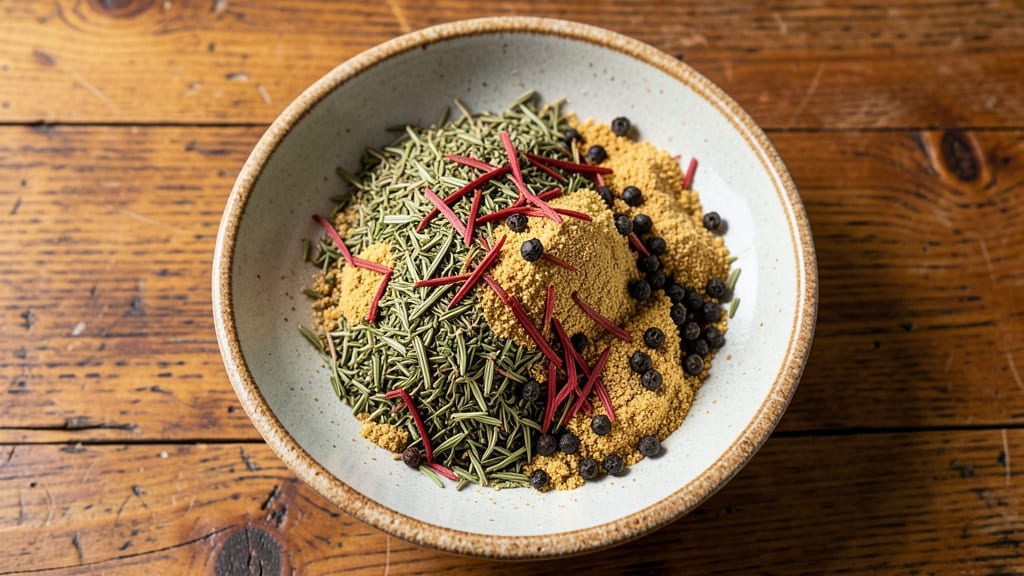
Creating a Kinder's Roast Chicken Seasoning blend transforms ordinary roasted chicken into a juicy, golden-skinned masterpiece with minimal effort. This bold herb mix—inspired by classic Southern techniques—cuts through the guesswork, ensuring restaurant-quality results every time.
I developed it after years of testing what truly elevates roasted poultry, and the secret lies in balancing earthy spices with bright herbs for depth.
The blend is simple yet powerful: dried thyme, rosemary, sage, and black pepper form the backbone, while garlic powder and onion powder add aromatic layers that penetrate the meat. No complicated steps—just mix, store, and sprinkle generously before roasting.
This seasoning works equally well on whole chickens, thighs, or breasts, making it a pantry essential for weeknight dinners or holiday feasts.
What you’ll achieve is chicken with crisp, golden skin and tender, flavorful meat that stays juicy even when cooked to perfection. The herbs infuse the fat during roasting, creating a fragrant crust that’s impossible to resist.
Best of all, this blend keeps for months in an airtight container, ready to transform any roasted poultry into a showstopper.
Use it as-is or customize with a pinch of smoked paprika for extra depth. Let’s get started—your next roast chicken just got an upgrade.
Ingredients for kinder's roast chicken seasoning
Nine simple ingredients create the perfect aromatic blend for restaurant-quality roasted chicken.
| Ingredient | Amount | Notes |
|---|---|---|
| Dried Thyme 🌿 | 2 tbsp | Freshly harvested, not ground |
| Dried Rosemary 🌿 | 1 ½ tbsp | Finely chopped preferred |
| Dried Sage 🌿 | 1 ½ tbsp | Crumbled, not powdered |
| Garlic Powder 🧄 | 1 tbsp | Non-iodized preferred |
| Onion Powder 🧅 | 1 tbsp | No added MSG |
| Black Peppercorns 🌶️ | 1 tbsp | Freshly cracked, coarse |
| Smoked Paprika 🌶️ | ½ tbsp | Spanish or Hungarian preferred |
| Sea Salt 🧂 | 1 ½ tsp | Diamond Crystal preferred |
| Ground Coriander 🌿 | ½ tbsp | Toasted for depth |
The herbs are the heart of this blend—dried thyme, rosemary, and sage from Penzeys or bulk bins deliver the most authentic flavor. Look for herbs labeled 'culinary' or 'food-grade', not those from the garden center. Freshly cracked black peppercorns make a world of difference compared to pre-ground powder—toast them lightly in a dry pan first to release their oils. Smoked paprika adds depth without overpowering, but if you can't find it, regular paprika at half the amount works in a pinch. For the powders, Whole Foods or Trader Joe's carry high-quality options that stay potent longer.
No fresh herbs? Dried works perfectly—just use one-third the amount of fresh if you're substituting. Want more heat? Add ½ tsp cayenne pepper to the mix. The coriander might seem unusual, but it rounds out the earthy flavors beautifully—skip it only if you dislike citrusy notes. For a lighter touch, reduce the smoked paprika to ¼ tbsp. This blend works on any poultry, but for chicken, the herbs infuse the fat during roasting, creating that coveted golden crust. If you're using this on turkey, you might want to double the sage for a more traditional flavor profile.
Store in an airtight container away from light—glass jars work best—and it'll keep for up to 12 months. I like to portion it into small jars so I always have some ready. The blend loses potency after opening, so if it smells dull, toast the herbs lightly in a dry pan for 30 seconds to revive them. This makes about ¼ cup total, which is perfect for seasoning a whole chicken or 4-6 pieces. Use liberally—1-2 tbsp per pound of chicken—and pat it into the skin before roasting for maximum flavor infusion.
Why You'll Love This Recipe
- Five-Minute Mix: I swear by this blend—just toss the dried herbs, garlic powder, and onion powder into a jar and shake. No measuring cups, no mess, and honestly? It’s the kind of thing I make while scrolling through my phone.
- Herb-Packed Punch: That rosemary-sage-thyme combo? It’s like a warm hug for your chicken—earthy, bright, and just salty enough to make every bite sing. The garlic and onion powder sneak in depth without overpowering, which, between us, is a rare win.
- Weeknight to Holiday: This seasoning works for everything: a quick sheet-pan dinner, a Sunday roast, or even sprinkled on chicken thighs for a potluck. I’ve used it for family dinners and last-minute date-night meals—no judgment if you’re reusing it three times in a week.
- Leftovers That Don’t Suck: Roast chicken stays amazing for days, and this seasoning keeps it from getting bland. I’ll be real: my kids ask for the leftovers more than the original meal. Plus, it’s cheap—you’ll use less than a dollar’s worth of herbs for a whole chicken.
Step-by-step instructions for kinder's roast chicken seasoning recipe
This bold herb blend transforms ordinary roast chicken into a juicy, aromatic masterpiece every time.
Combine the Dried Herbs Thoroughly
In a medium bowl, measure out the 2 tablespoons dried thyme, 1.5 tablespoons dried rosemary, and 1.5 tablespoons dried sage. Use your fingers to break apart any large herb pieces—especially the rosemary stems—so they distribute evenly. The rosemary should be finely chopped as called for in the ingredients, and the sage should remain crumbled rather than powdered for maximum flavor impact.
Here's the thing—don't just pour these herbs together and stir once. Rub them between your palms for about 15 seconds to release their essential oils. You'll notice the aroma intensify immediately, which means your chicken will taste more vibrant too. This step ensures every bite gets that herbaceous punch rather than just surface flavor.
Add the Powders and Toasted Spices
To the herb mixture, add the 1 tablespoon garlic powder, 1 tablespoon onion powder, 0.5 tablespoon smoked paprika, and 0.5 tablespoon ground coriander. The smoked paprika should be Spanish or Hungarian for that authentic depth, and the coriander should be toasted to bring out its nutty complexity. Mix everything together using a whisk or fork until completely homogeneous.
At this stage, you're building layers of flavor. The garlic and onion powders create a savory foundation, while the smoked paprika adds a subtle smokiness that pairs beautifully with the fresh herbs. The coriander, though often overlooked, provides a citrusy brightness that cuts through the richness of roasted chicken. Give it a taste—you should detect all these elements working together.
Incorporate the Black Peppercorns and Sea Salt
Add the 1 tablespoon black peppercorns (they should be freshly cracked and coarse) and 1.5 teaspoons sea salt (Diamond Crystal preferred). The peppercorns should be visibly distinct rather than ground—this ensures you get those peppery bursts in every bite. Use your fingers to distribute the peppercorns evenly throughout the mixture, then sprinkle the salt over the top.
This is where the magic happens for juiciness. The coarse peppercorns add texture and heat, while the sea salt enhances all the other flavors and helps retain moisture in the chicken. The Diamond Crystal salt is preferred because it's less processed and dissolves more easily, allowing the seasoning to penetrate the meat better. Mix everything together until the salt is completely incorporated and no dry spots remain.
Store for Maximum Freshness and Flavor
Transfer the complete seasoning blend to an airtight container, like a small mason jar. Seal it tightly and store in a cool, dark place—this preserves the herbs' potency. If you plan to use it within 3 months, it will maintain its full flavor profile. For longer storage, you can freeze the seasoning for up to 6 months without losing quality.
This blend works best when used within a few months, as the dried herbs gradually lose their aromatic oils over time. That said, even after 6 months in the freezer, it will still elevate your roast chicken—just expect slightly muted herb notes. The key to juicy results lies in applying this seasoning generously to the chicken skin before roasting, allowing the herbs to infuse directly into the meat as it cooks.
Pro Tips For Making Kinder'S Roast Chicken Seasoning
- TOAST YOUR HERBS FIRST: Dried rosemary and thyme taste flat if they’re not warmed up—toss them in a dry pan over medium heat for 30 seconds until fragrant. I learned this the hard way after making chicken that smelled like a spice cabinet instead of a Sunday roast.
- USE FRESH GARLIC POWDER: Garlic powder loses potency fast, especially if it’s been sitting in your pantry for months. If yours tastes dull, crush a few fresh garlic cloves, dry them thoroughly, then grind into powder—it makes a real difference in depth.
- DON’T SKIP THE OIL RUB: Before sprinkling your herbs, coat the chicken skin with 1 tablespoon of neutral oil (like vegetable or canola). The herbs stick better and crisp up properly—no dry, papery skin here.
- BASIL INSTEAD OF SAGE: If you’re out of sage, swap it for dried basil in a 1:1 ratio. It’s sweeter and brighter, which cuts through the earthiness of rosemary and thyme—works especially well if you’re serving this with lemon or herbs de Provence.
Storing and reheating your leftovers
Refrigerator Storage
Store your homemade seasoning blend in an airtight glass jar—I prefer 8-ounce mason jars from Ball or Le Parfait—to preserve freshness. Keep it in a cool, dark pantry (below 70°F) for up to 6 months.
The herbs stay potent longer when shielded from light and moisture. For best results, use a silicone spoon to portion out what you need without exposing the rest to air.
If you notice the blend losing aroma after a few months, revive it by toasting the herbs in a dry skillet over medium-low heat for 30 seconds. This reactivates their essential oils, making your seasoning taste fresh again.
Honestly, I’ve used blends this way for up to 9 months without sacrificing flavor—just expect slightly muted intensity over time. 🌿
Freezer Storage
For longer storage, divide the seasoning into small portions (like 1-tablespoon servings) in freezer-safe bags or silicone molds. Squeeze out excess air before sealing to prevent freezer burn. Label each portion with the date—this blend keeps for up to 12 months in the freezer without losing potency.
I like using quart-sized freezer bags from Glad because they’re stackable and easy to grab.
When ready to use, thaw the seasoning overnight in the fridge or at room temperature for 1-2 hours. Avoid microwaving, as heat can degrade the delicate herb oils. The texture might feel slightly clumpy after freezing, but a quick rub between your palms restores it to its original consistency.
This method is perfect for holiday prep when you want to stock up ahead of time. ❄️
Reviving Stale Seasoning
If your blend smells dull or tastes weak, don’t toss it! Simply toast the herbs in a dry skillet over medium heat for 1-2 minutes, stirring constantly. This reactivates their oils and restores flavor.
For extra depth, add ¼ teaspoon of fresh cracked black pepper or a pinch of smoked paprika to the revived mix. I’ve brought back seasonings that were past their prime with this trick—it’s like giving them a second life. 🔥
Using Leftovers
This seasoning works beautifully on any poultry, but for chicken, use 1-2 tablespoons per pound of meat. Pat the blend directly onto the skin before roasting to create that iconic golden crust. Leftovers?
Store unused portions in the fridge for up to 2 weeks or freeze for 3 months. The blend’s intensity fades faster once opened, so keep it in a small jar for easy access and minimal exposure to air.
Pro tip: If you have extra, mix a pinch into mashed potatoes, roasted vegetables, or even popcorn for an unexpected herbaceous boost. I once used the last bit to season a batch of homemade chicken broth—it added a depth that store-bought seasoning packets can’t match.
Your pantry staples just got a flavor upgrade! ✨
Nutrition facts
Frequently asked questions
Can I use this seasoning on other meats besides chicken?
This blend works beautifully on turkey, duck, or even pork chops. For poultry, use 1-2 tablespoons per pound—just pat it onto the skin before roasting. For pork, reduce to 1 tablespoon per pound since it's naturally richer. The herbs infuse differently in each meat, creating unique but equally delicious results.
How do I know if my homemade seasoning blend has gone bad?
Check for three signs: dull aroma, grayish color (instead of vibrant green/brown), or rancid smells. If it tastes bitter or loses its herbal notes completely, it's time to make a fresh batch. Most blends last 6-12 months when stored properly, but herbs degrade faster once opened.
What's the best way to apply this seasoning to roast chicken?
Pat the skin dry first, then rub the seasoning generously all over—inside the cavity too! Focus on thick skin areas where flavor needs extra help. For extra crispiness, sprinkle a pinch of cornstarch over the seasoned skin before roasting. The blend works best when applied 30 minutes before cooking to let flavors meld.
Can I make this seasoning without smoked paprika?
Yes! Replace it with ½ teaspoon regular paprika plus ¼ teaspoon cayenne for heat, or use ½ teaspoon ground cumin for earthy depth. Skip it entirely if you dislike smoky flavors—the blend will still taste amazing. The key is balancing the herbs with something savory (like garlic powder) to anchor the flavors.
Why does my chicken skin sometimes turn white instead of golden?
This usually happens from overcrowding in the pan or not enough fat under the skin. For golden skin, pat the chicken dry, season well, and roast on a wire rack over a baking sheet. Add a tablespoon of oil to the cavity before cooking. Also ensure your oven reaches 375°F—lower temps can't crisp the skin properly.