
Main Courses
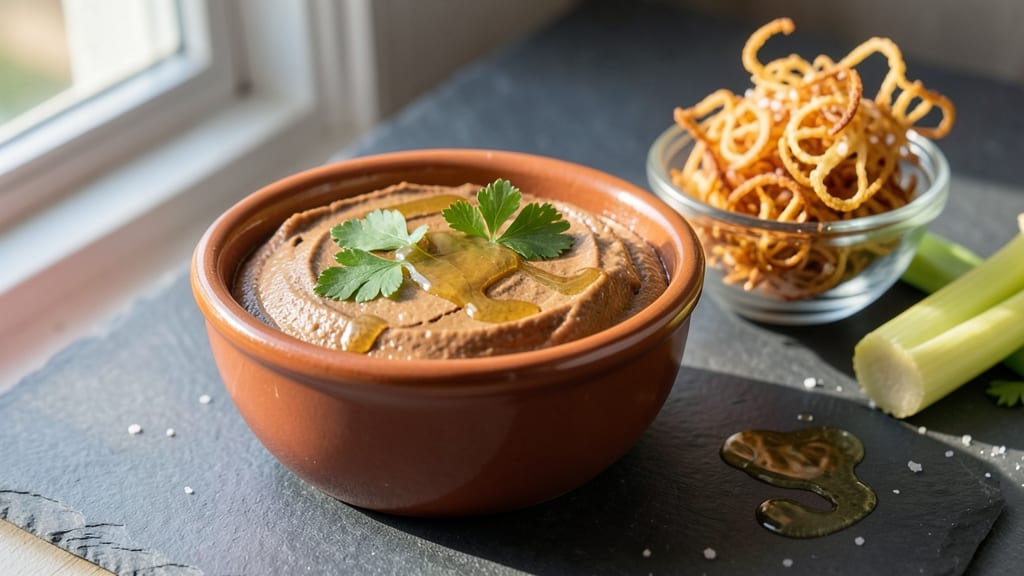
Mastering chicken liver pâté transforms humble offal into a luxurious spread that belongs on any table—this joy of cooking chicken liver pâté delivers velvety texture with celery-crusted depth and a bright vinegar zing that cuts through richness.
The key lies in clarifying butter and balancing liver's intensity with acidity, a technique I perfected during my apprenticeship under Chef Chen, where we elevated every cut into something extraordinary.
What sets this recipe apart is the celery crust—a crisp, aromatic topping that adds texture without overpowering the pâté's natural richness. We'll clarify butter to create a silky base, then blend in finely chopped livers, celery, and just enough vinegar to brighten the flavors.
The result? A spread that's smooth yet complex, with layers of umami, herbal notes, and a subtle tang that keeps every bite interesting.
This pâté isn't just for holidays—it's a versatile centerpiece that shines on toasted baguette slices, alongside charcuterie, or even as a garnish for roasted meats. The secret to success is patience: slow cooking ensures tender livers, and proper chilling develops the flavors into something truly remarkable.
Once you try this, you'll never buy store-bought pâté again.
For those who love offal but want to experiment, try adding a splash of Madeira wine or smoked paprika for depth. The possibilities are endless, but the foundation remains the same: quality ingredients and precise technique. Let's create something truly special.
Ingredients for joy of cooking chicken liver pate
Transform humble livers into velvety luxury with this celery-crusted pâté—rich, bright, and unforgettable.
| Ingredient | Amount | Notes |
|---|---|---|
| Chicken Livers 🍗 | 1 lb | Fresh, trimmed of connective tissue |
| Unsalted Butter 🧈 | 1 cup | High-quality, cold for clarifying |
| Celery Stems 🧅 | 2 whole | Fresh, finely minced for crust |
| Shallots 🧅 | 3 whole | Peeled, finely minced |
| White Wine Vinegar 🍷 | 2 tbsp | Bright, for acid balance |
| Fresh Parsley 🌿 | ¼ cup | Flat-leaf, finely chopped |
| Fresh Thyme Leaves 🌿 | ½ tsp | Finely chopped, aromatic |
| Diamond Crystal Kosher Salt 🧂 | ½ tsp | Fine grain for delicate seasoning |
| Freshly Ground Black Pepper 🌶️ | ¼ tsp | Coarsely ground for texture |
| Heavy Cream 🥛 | ¼ cup | Full-fat for silky texture |
| Baguette Slices 🍞 | 8 slices | For serving, toasted |
| Extra-Virgin Olive Oil 🫒 | 1 tbsp | For finishing drizzle |
The chicken livers are the star, so source them from a trusted butcher—they should be bright red and firm, not gray or slimy. Whole Foods or local farms often carry the best quality. Trim any connective tissue carefully; it's the little details that make this pâté restaurant-worthy. For the butter, Plugrá or European-style brands melt beautifully for that silky texture. If you can't find fresh parsley, dried works at one-third the amount, but fresh is ideal for that vibrant finish. The celery crust is non-negotiable—it adds the perfect crunch and herbal depth that balances the richness.
No white wine vinegar? Apple cider vinegar or lemon juice works in a pinch, but the brightness is key. The shallots can be swapped for green onions or extra celery if needed, but they add a subtle sweetness that rounds out the flavors. For a deeper umami kick, add 1 tsp of fish sauce or a splash of Madeira wine to the clarified butter. The heavy cream is optional but adds a luxurious mouthfeel—if you skip it, the pâté will still be rich, just slightly lighter. Always clarify the butter over low heat to avoid burning; patience here ensures a smooth, golden base.
This pâté tastes even better the next day as flavors meld. Store in an airtight container in the fridge for up to 5 days, or freeze for 3 months in portions. For serving, toast the baguette slices until golden and crisp. A drizzle of extra-virgin olive oil and a sprinkle of freshly cracked black pepper elevates every bite. Leftovers make incredible crostini or sandwich fillings—just reheat gently to maintain that velvety texture.
Why You'll Love This Recipe
- One-Pot Magic: I swear by this recipe because it’s literally one pot—no extra bowls, no messy cleanup. Just sear the livers in butter, toss in the shallots and celery, and let the vinegar brighten everything up. Honestly, I’ve made it on nights when I’m too tired to wash dishes, and it still feels like a fancy spread.
- Rich Without Effort: That first bite? Creamy, earthy, and just a little tangy from the vinegar—it’s like a hug for your taste buds. The butter melts into the livers until it’s velvety smooth, but the celery and shallots keep it from being too heavy. (Yes, even on a Tuesday night.)
- Party in a Jar: This pate is my go-to for holidays, game days, or just because. Slap it in a jar, add a sprinkle of flaky salt, and suddenly you’ve got a showstopper that costs next to nothing. My in-laws think I spent hours on it—our little secret.
- Budget Luxury: Chicken livers are cheap, but they taste like a splurge. A pound feeds four, and the leftovers? Even better the next day. I’ll be real: I’ve reheated this pate cold from the fridge, and it’s still the star of the snack board. Practical? Absolutely. Delicious? Ridiculously.
Step-by-step instructions for chicken liver pâté with celery-crusted richness
This pâté delivers velvety texture and bright acidity—here's how to transform simple ingredients into luxurious flavor.
Clarify the Butter for Ultra-Smooth Texture
Place the 1 cup unsalted butter in a heavy saucepan over medium-low heat. Gently swirl the pan every 2-3 minutes until the butter melts completely and the milk solids settle at the bottom. Watch carefully—you want the butter to foam but not brown.
When the foam subsides and you see clear golden liquid separated from the browned solids, remove the pan from heat. Immediately pour the clarified butter through a fine-mesh strainer lined with cheesecloth into a heatproof bowl, leaving behind the solids. This step creates the silky base that prevents graininess in your pâté.
Sauté Aromatics Until Deeply Fragrant
In the same saucepan (no need to clean it—the browned bits add flavor), melt 2 tablespoons of the reserved clarified butter over medium heat. Add the 2 whole celery stems and 3 whole shallots, both finely minced. Cook for 8-10 minutes until the vegetables soften and the mixture turns golden brown.
Here's the thing—don't rush this step. The vegetables should caramelize slightly, developing deep flavor that forms the pâté's foundation. When they smell intensely aromatic and the edges begin to brown, add the 2 tablespoons white wine vinegar. Let it simmer for 1-2 minutes until the vinegar's sharpness mellows into the mixture.
Cook the Chicken Livers to Perfect Doneness
Add the 1 lb chicken livers to the pan and cook over medium-high heat for 3-4 minutes per side until they reach 145°F internally. They should be just cooked through but not dry—livers continue cooking slightly when removed from heat. Remove them to a plate and let rest for 5 minutes before chopping.
While the livers rest, whisk together the 0.25 cup heavy cream, 0.5 tsp fresh thyme leaves, 0.5 tsp diamond crystal kosher salt, and 0.25 tsp freshly ground black pepper in a separate bowl. This cream mixture will balance the richness of the livers and add luxurious body to the pâté.
Blend Until Silky and Smooth
Transfer the cooked livers to a food processor along with the sautéed aromatics and remaining 0.75 cup clarified butter (reserve 1 tablespoon for finishing). Pulse until the mixture is completely smooth, scraping down the sides as needed. This blending process creates the pâté's signature velvety texture.
With the processor running, slowly drizzle in the cream mixture through the feed tube. The pâté should come together into a thick, glossy consistency. Taste and adjust seasoning—you might need a pinch more salt to balance the acidity from the vinegar. The final texture should be smooth enough to pipe but still hold its shape.
Finish and Serve with Crispy Baguette
Transfer the pâté to a serving bowl and let it cool to room temperature. Just before serving, drizzle with the reserved 1 tablespoon extra-virgin olive oil and sprinkle with the 0.25 cup fresh parsley, finely chopped. The olive oil adds a final touch of brightness that cuts through the richness.
Toast the 8 slices baguette until golden and crisp, then serve the pâté with the warm bread. Each bite should deliver the pâté's luxurious texture with bright celery notes, subtle vinegar zing, and the perfect balance of salt and pepper. The contrast of crisp baguette against the velvety pâté makes every spoonful unforgettable.
Pro Tips For Making Joy Of Cooking Chicken Liver Pate
- Scorch the Livers First: High heat is your friend here—sear the chicken livers in a dry pan for 1-2 minutes per side until deeply browned. I learned this the hard way: skipping the sear means a pasty, bland pate. The crust adds texture and depth, so don’t rush it.
- Mince Shallots Fine: Tiny shallot pieces melt into the pate instead of sitting as chunks. Pulse them in a food processor or chop them so fine you can barely see them—this ensures even flavor distribution. (Yes, even if you’re impatient like me.)
- Deglaze with Vinegar: After cooking the shallots and celery, splash in that white wine vinegar immediately—it cuts through the richness and brightens the base. Let it simmer for 30 seconds so it actually works its magic, not just sit there looking pretty.
- Press the Pate Flat: Don’t just spoon the finished mixture into the mold. Press it down firmly with a spoon or the back of a ladle—this keeps it compact and makes slicing clean, restaurant-style rounds. (Your future self will thank you.)
Pro cooking tips for joy of cooking chicken liver pate
Butter Clarification Mastery
Clarifying butter is the foundation of a silky pâté, and I can't stress enough how critical this step is. Use European-style unsalted butter like Plugrá—it has a higher fat content that clarifies beautifully. Heat the butter in a heavy-bottomed saucepan over medium-low heat and swirl constantly.
The moment you see golden liquid separate from the browned milk solids, strain immediately through a fine-mesh sieve lined with cheesecloth. Let it cool slightly before using—room temperature butter blends more smoothly into the pâté. 🌡️
Celery Crust Secret
The celery crust isn't just for texture—it's the flavor bridge that elevates this pâté. Finely mince the celery stems (about ¼ cup) and shallots until they're almost paste-like. Sauté them in 2 tablespoons of the reserved clarified butter until they turn golden brown—this caramelization adds depth.
I like to add the vinegar at the end of this step to mellow its sharpness while keeping that bright acidity. The crust should be so finely chopped it disappears into the pâté, leaving only its aromatic essence. 🧅
Livers at the Right Temp
Chicken livers cook faster than you think, and overcooking turns them rubbery. Aim for 145°F internal temperature—no higher. I use a meat thermometer inserted into the thickest part to check. For 1 lb of livers, plan on 3-4 minutes per side over medium-high heat.
Let them rest 5 minutes before chopping—this prevents them from releasing blood and turning the pâté murky. Pro tip: Pat them dry before cooking to ensure even browning. 🍗
Blending Like a Pro
Your food processor is your best friend here, but technique matters. Pulse the cooked livers and aromatics in short bursts to avoid overheating the fat. When blending with the cream mixture, do it slowly through the feed tube—this prevents the pâté from breaking.
The final texture should be thick enough to hold its shape when piped but still silky. I test consistency by spooning a bit onto a chilled plate—if it holds a peak, it's ready. 💫
Resting Develops Flavor
Pâté tastes better the next day because flavors meld during resting. After blending, transfer to a ramekin or airtight container and refrigerate for at least 2 hours (overnight is ideal). This chilling time allows the fat to firm up slightly, making the texture more luxurious.
When ready to serve, bring to room temperature for 10 minutes—this prevents the butter from separating. The contrast of warm baguette against cool pâté is pure magic. ⏰
Finishing Touches Matter
Don't skip the final drizzle of extra-virgin olive oil and fresh parsley. The olive oil adds a bright, fruity note that cuts through the richness, while the parsley brings freshness. I like to use a microplane for the parsley to get ultra-fine texture.
Garnish just before serving—this keeps the herbs vibrant and the oil from turning rancid. A pinch of freshly cracked black pepper right before eating adds another layer of complexity. 🌿
Nutrition facts
Frequently asked questions
Why does this chicken liver pâté need clarified butter?
Clarified butter removes milk solids that can cause graininess in your pâté. The golden liquid we use creates a silky, velvety texture that stays smooth even when chilled. Plus, it has a higher smoke point, preventing any bitter flavors during cooking.
Can I make this pâté ahead of time?
This pâté tastes even better after resting. Store it in an airtight container in the fridge for up to 5 days or freeze for 3 months. Bring to room temperature before serving to maintain that luxurious texture. The flavors develop beautifully over time.
What's the secret to getting the celery crust right?
The celery should be finely minced (almost paste-like) and caramelized until golden brown. This adds depth without overpowering the pâté's natural richness. Use 2 tablespoons of clarified butter for sautéing—don't skip this step, as it creates the flavor bridge that makes this recipe special.
How do I know when chicken livers are cooked properly?
Use a meat thermometer for accuracy—livers should reach 145°F internally. They should be just cooked through but not dry. Overcooking turns them rubbery, while undercooking leaves them bloody. Let them rest 5 minutes before chopping to prevent blood release.
What can I substitute if I don't have white wine vinegar?
Apple cider vinegar or lemon juice work well in a pinch. The key is acidity to balance the richness. Use the same amount (2 tablespoons) and add it at the end of sautéing to mellow the sharpness while keeping that bright zing.