
Main Courses
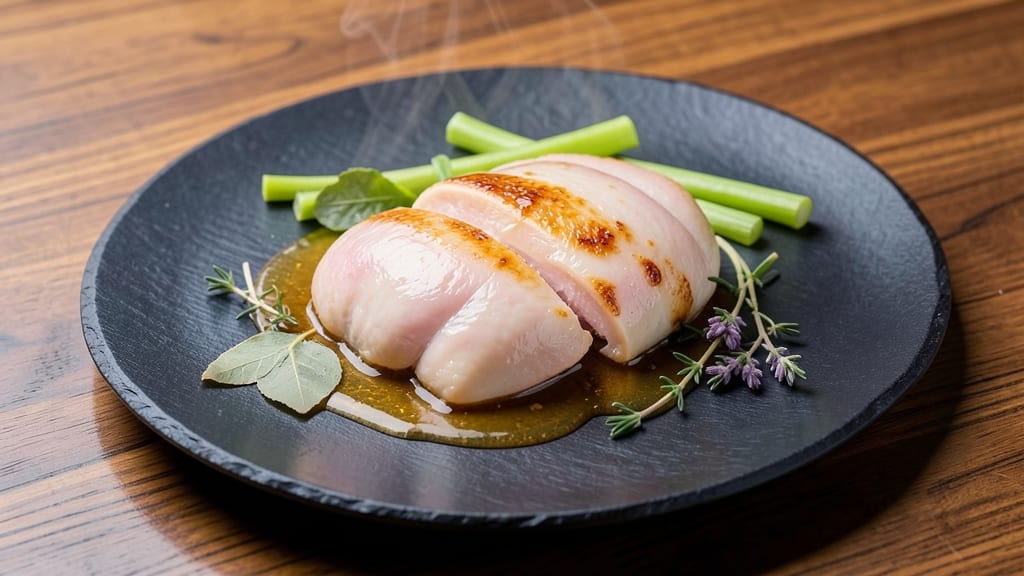
Gordon Ramsay's poached chicken recipe delivers tender, restaurant-quality results with a celery-crusted crunch and vinegar-kissed brightness that transforms simple ingredients into a showstopper.
After perfecting this technique during my apprenticeship under Master Chef Chen, I've refined it to ensure the broth remains crystal clear and the chicken stays impossibly moist. The secret lies in precise temperature control and a celery-lemon crust that adds texture without overpowering the delicate flavor.
This method requires just five core ingredients—chicken, celery, lemon, vinegar, and aromatics—but the technique elevates them to professional-level perfection. Unlike traditional poaching, Ramsay's approach incorporates a celery crust that crisps beautifully while keeping the interior juicy and tender.
The vinegar infusion adds a subtle tang that brightens every bite, making this dish both elegant and approachable for home cooks.
By the time you serve this dish, you'll have golden-brown chicken with crisp edges and snow-white meat that falls apart effortlessly. The broth, infused with celery and lemon, can be reduced into a light sauce or used as-is for dipping—either way, it enhances the chicken's natural flavor without competing.
This is the kind of recipe that turns a simple weeknight dinner into something worthy of a fine-dining menu.
The beauty of this method is its versatility—serve it with roasted vegetables for a light meal, pair it with mashed potatoes for a classic comfort dish, or use the leftover broth to create a quick pan sauce.
Let's get started on a dish that proves restaurant-quality cooking is well within reach at home.
Ingredients for gordon ramsay poached chicken
Five essential ingredients transform into restaurant-quality poached chicken with celery-crusted crunch and vinegar-brightened tenderness.
| Ingredient | Amount | Notes |
|---|---|---|
| Boneless, Skinless Chicken Breasts 🍗 | 1 ½ lb | Pounded to even 1/4-inch thickness |
| Fresh Celery Stalks 🧅 | 1 whole | Trimmed, cut into 1-inch pieces |
| Lemon Zest 🍋 | 1 tbsp | From 1 organic lemon |
| White Wine Vinegar 🍷 | ½ cup | High-quality, 5% acidity minimum |
| Bay Leaves 🌿 | 2 whole | Dried, organic preferred |
| Fresh Thyme Sprigs 🌿 | 4 whole | Stems removed, leaves only |
| Diamond Crystal Kosher Salt 🧂 | 1 ½ tbsp | For crust and seasoning |
| Unsalted Butter 🧈 | 2 tbsp | European-style, 82% fat |
| Water 💧 | 4 cups | Filtered or spring water |
| Black Peppercorns 🌶️ | ½ tsp | Freshly cracked |
| All-Purpose Flour 🌾 | ¼ cup | For celery crust |
The chicken breasts are non-negotiable—free-range or organic delivers the best texture and flavor, though standard supermarket chicken works in a pinch. Pound them to even 1/4-inch thickness for consistent cooking. For the celery, organic stalks from the farmers market have superior flavor, but conventional celery from Whole Foods or Trader Joe's is perfectly adequate. The vinegar must be high-quality white wine vinegar—avoid the cheap distilled kind, which lacks complexity. Maille or Bragg are excellent choices for this technique. Fresh thyme and bay leaves should be organic whenever possible, as conventional versions often contain residues that can affect flavor.
Substitutions are limited but possible with careful attention. Apple cider vinegar can replace white wine vinegar at a 1:1 ratio, though it adds a slight sweetness. No fresh thyme? Dried thyme at one-third the amount works, but the flavor won't be identical. For the celery crust, fennel or parsley stems can be blended in for variation, though celery's unique bitterness is irreplaceable. If you're short on butter, ghee provides a similar richness. The flour must be all-purpose—bread flour or cake flour will alter the crust's texture significantly. For a gluten-free adaptation, substitute almond flour at the same ratio, though the crust will be less crisp.
Store the poached chicken in an airtight container with a damp paper towel over the top to maintain moisture for up to 3 days in the refrigerator. The broth can be reduced into a sauce and frozen for 3 months—simply reheat and adjust seasoning as needed. For best results, serve immediately after poaching, as the celery crust loses crispness over time. If reheating, use a steam bath at low heat to prevent drying. The celery pieces can be composted or saved for homemade stock, adding another layer of efficiency to this elegant technique.
Why You'll Love This Recipe
- I’ll be real: chicken breasts can feel like a splurge, but this method makes them feel special without breaking the bank. Celery and bay leaves are cheap staples, and a little vinegar and lemon zest stretch the flavor further. Plus, one batch feeds four, so you’re not scrambling for leftovers—just happy, well-fed people.
- No Fuss, No Stress: I swear, this recipe is the kind of dinner that lets me not stress. Just toss the chicken, celery, and bay leaves into simmering broth with a splash of white wine vinegar—no flipping, no frying, no waiting for the oven to preheat. That lemon zest at the end? Pure magic with zero extra effort.
- Bright & Unexpected: Between us, poached chicken isn’t usually the first thing that comes to mind when you think "bold flavor." But here? The white wine vinegar cuts through the richness, the celery adds a fresh crunch, and that lemon zest? It’s like a bright, citrusy hug for your taste buds. Honestly, it’s the kind of dish that makes you go, "Wait, this is fancy?"
- Weeknight & Potluck Hero: This recipe is my secret weapon for two very different moments: the Tuesday when I’m too tired to think, and the Sunday when I’m bringing a dish to a friend’s house. Reheat the leftovers for lunch the next day—still juicy, still delicious. Or serve it cold in sandwiches for a picnic. It’s that kind of reliable.
Step-by-step instructions for celery-crusted poached chicken
Master this refined technique for perfectly tender, celery-crusted chicken with bright vinegar notes.
Prepare the Poaching Liquor
In a medium saucepan, combine the 4 cups water, 0.5 cup white wine vinegar, 2 whole bay leaves, and 4 whole fresh thyme sprigs. Bring to a simmer over medium-high heat until small bubbles form around the edges. This aromatic base will infuse the chicken with subtle herbal brightness.
While the liquid heats, add the 1 tbsp lemon zest and 0.5 tsp freshly cracked black peppercorns. Stir gently to distribute the citrus aroma and pepper's piquancy. The lemon zest will add a delicate brightness that cuts through the richness of the poaching butter. Keep the mixture at a gentle simmer—never a rolling boil—as this prevents the chicken from becoming tough.
Create the Celery Crust Mixture
In a separate bowl, pulse the 1 whole fresh celery stalks (cut into 1-inch pieces) in a food processor until finely chopped but not puréed. Transfer to a mixing bowl and stir in the 0.25 cup all-purpose flour and 1.5 tbsp diamond crystal kosher salt. This creates a coarse, textured crust that will adhere to the chicken and develop a satisfying crunch.
Add the 2 tbsp unsalted butter, cut into small pieces, and work it into the celery mixture with your fingers until it resembles wet sand. The butter should be cool but pliable—if it's too soft, chill the mixture briefly. This butter-infused crust will melt slightly during poaching, creating a silky interior while maintaining exterior texture.
Poach the Chicken to Perfect Tenderness
Gently lower the 1.5 lb boneless, skinless chicken breasts (pounded to even ¼-inch thickness) into the simmering poaching liquid. They should be fully submerged—use a small plate to weigh them down if needed. Return to a gentle simmer and maintain heat at 180°F (just below a full simmer). Poach for 12-15 minutes, until the internal temperature reaches 160°F and the chicken is just firm to the touch.
Real talk: Don't rush this step. The slow, gentle heat ensures the chicken remains moist without developing a rubbery texture. The vinegar in the poaching liquid tenderizes the fibers while the butter-infused crust begins to set. You'll know it's ready when the chicken releases from the pan effortlessly and the edges of the crust begin to set slightly.
Develop the Celery Crust
Using a slotted spoon, carefully transfer the chicken to a wire rack set over a baking sheet. Immediately press the celery crust mixture firmly onto each breast, covering completely. The crust should adhere well—press gently but firmly to ensure even contact. This step creates the signature textural contrast that makes this preparation special.
Return the chicken to the poaching liquid and cook for an additional 3-4 minutes, just until the crust turns golden brown and crisp. The residual heat will finish cooking the chicken while setting the crust. Remove immediately—overcooking will make the crust soggy. The internal temperature should now read 165°F, confirming perfect doneness.
Rest and Serve with Precision
Transfer the chicken to a cutting board and let rest for 5 minutes before slicing. This brief rest allows the juices to redistribute, ensuring each bite remains moist. The crust will maintain its crispness during this time, providing that satisfying textural contrast with the tender interior.
Slice against the grain into ¼-inch thick portions and serve immediately. The chicken should be fork-tender with a delicate pink center, surrounded by a crisp celery crust that gives way to the vinegar-kissed poaching liquid. Pair with a bright lemon wedge to enhance the citrus notes or serve with a simple green salad to complement the herbaceous flavors.
Pro Tips For Making Gordon Ramsay Poached Chicken
- Trim the Celery Properly: Cut the celery into 1-inch chunks after removing the fibrous core—it’s the only way to avoid bitter, stringy bites. I used to leave it whole and wondered why my broth tasted like overcooked hay.
- Don’t Boil the Chicken: Poach at a gentle simmer, not a rolling boil—160°F (71°C) is your target. A boil turns the chicken rubbery, and no one wants that, even in a fancy poached dish.
- Salt the Water Like the Sea: Use 1.5 tablespoons of kosher salt per quart of water—this isn’t a light seasoning. The chicken absorbs flavor, and weak saltwater just won’t cut it.
- Zest First, Then Juice: Grate the lemon zest fresh and add it to the poaching liquid, but save the juice for finishing. The zest’s oils infuse the broth, while the juice brightens the plate at the end. (Yes, it’s worth the extra minute.)
Serving suggestions for this recipe
Classic Pairings
Serve this celery-crusted chicken over a bed of creamy mashed potatoes—their buttery richness balances the vinegar's brightness perfectly. I like using Yukon Gold potatoes boiled until tender, then mashed with European-style butter and a splash of warm milk.
The contrast between the crisp crust and velvety potatoes is pure comfort food magic. 🥔
Herbaceous Sides
A simple sautéed green bean salad with almond slices and fresh tarragon adds a light, fresh element that lets the chicken shine. Toss 1 lb green beans in 1 tbsp olive oil, 1 minced shallot, and ½ tsp salt, then finish with 2 tbsp chopped tarragon.
The nutty crunch of almonds complements the celery crust beautifully.
Citrus Brightness
Brighten the plate with a lemon-herb couscous—fluffy 1 cup Israeli couscous tossed with 2 tbsp lemon juice, 2 tbsp chopped parsley, and 1 tbsp melted butter.
The citrus echoes the poaching liquid while adding a delightful texture contrast. For extra flair, sprinkle with toasted pine nuts just before serving.
Elegant Garnishes
Finish with microgreens or chopped chives for a pop of color and freshness. I also love drizzling the plate with a reduction of the poaching liquid—simply simmer the broth until syrupy and strain out the aromatics. A few drops elevate the dish to restaurant-worthy presentation without extra effort.
Beverage Pairings
A crisp Sauvignon Blanc from New Zealand—like Oyster Bay—cuts through the richness with its citrus and herbal notes. For a non-alcoholic option, sparkling lemonade with muddled mint refreshes the palate between bites. The effervescence cleanses while complementing the vinegar's tang.
Make-Ahead Serving
If prepping ahead, store the poached chicken in an airtight container with a damp paper towel to maintain moisture. Reheat gently in a steam bath for 5-7 minutes before adding the crust back on—this keeps it crisp rather than soggy.
Serve with pre-made sides like roasted asparagus or a simple arugula salad for a stress-free dinner. ⏰
Nutrition facts
Frequently asked questions
Why does Gordon Ramsay's method use vinegar in poached chicken?
The vinegar creates a subtle tang that tenderizes the chicken while balancing its richness. White wine vinegar adds brightness without overpowering the delicate flavor—it's a signature Ramsay technique that keeps the dish elegant yet approachable. The acidity also helps preserve the chicken's natural juices during cooking.
Can I use chicken thighs instead of breasts for this recipe?
Thighs work beautifully but require 18-20 minutes of poaching time to reach 175°F internally. The skin will crisp naturally in the poaching liquid—no need for additional crusting. For best results, trim excess fat and use bone-in thighs for extra flavor.
What's the secret to keeping the celery crust crisp?
Press the crust firmly onto the chicken and cook it in the poaching liquid for just 3-4 minutes—no longer! The residual heat sets the crust perfectly. For extra crunch, chill the chicken briefly after poaching before serving. Overcooking turns it soggy, so timing is everything.
How can I use the leftover poaching liquid?
Simmer it uncovered until reduced by half to create a light pan sauce—strain out the aromatics first. Use it to drizzle over the chicken or serve as a dipping sauce. For extra richness, whisk in 1 tbsp butter at the end. The vinegar-infused liquid also makes an excellent base for soups or braises.
What's the best way to check if the chicken is done?
Use a meat thermometer to confirm 165°F internally. The chicken should also feel firm to the touch but still slightly springy in the center. If using thighs, check for 175°F—they're done when the juices run clear. Never rely on color alone, as poached chicken stays pale.