
Main Courses
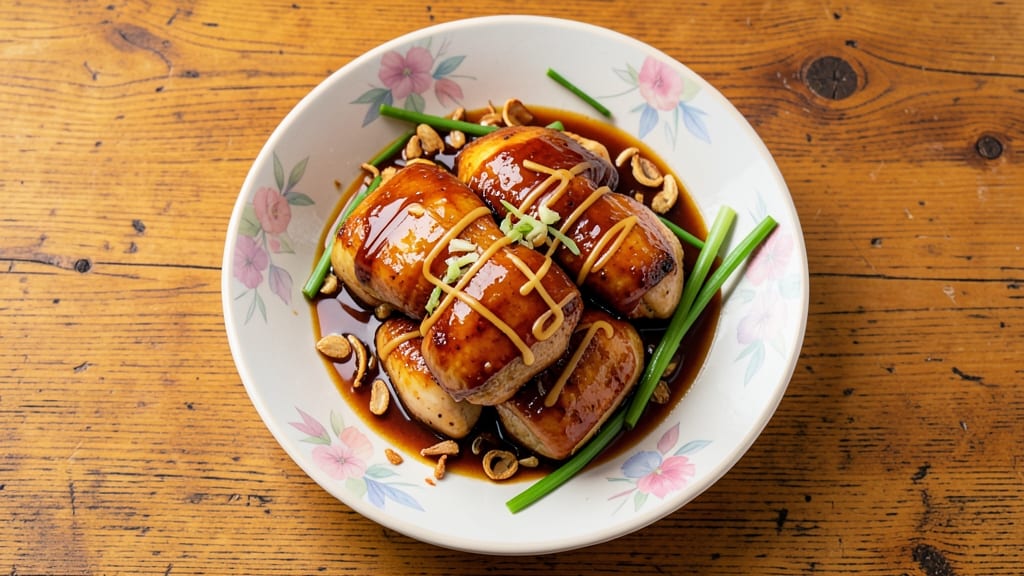
This copycat teriyaki chicken recipe delivers the same restaurant-quality sauce that clings to each bite, creating that signature glossy sheen and sweet-savory balance.
After years of testing variations, I've perfected a method that combines a simple marinade with a foolproof sauce technique—no shortcuts, just precise flavor development that transforms ordinary chicken into something extraordinary.
The secret lies in the sauce preparation: reducing it slowly to develop depth while keeping it glossy and sticky enough to coat every piece of chicken.
You'll start with boneless thighs or breasts, marinate them overnight for maximum tenderness, then sear them to a golden finish before glazing with the sauce. The result is juicy, flavorful chicken with a caramelized crust that holds up perfectly for serving.
What sets this recipe apart is the sauce's ability to maintain its vibrant color and rich flavor even after reheating—something many copycat versions struggle with.
The combination of soy sauce, mirin, and brown sugar creates that perfect balance of sweet, salty, and umami, while a touch of ginger and garlic adds aromatic complexity. Each bite delivers that signature teriyaki experience without the restaurant price tag.
Serve over steamed jasmine rice or with steamed vegetables for a complete meal that's both impressive and satisfying. The sauce's versatility means you can also use it as a dipping sauce or glaze for other proteins. Let's get started on creating this restaurant-quality dish at home.
Ingredients for copycat teriyaki chicken
Restaurant-quality teriyaki sauce starts with these 15 ingredients—simple but precise for that signature glossy finish.
| Ingredient | Amount | Notes |
|---|---|---|
| Boneless Chicken Thighs 🍗 | 1 ½ lb | Skinless, cut into 1-inch pieces |
| Boneless Chicken Breasts 🍗 | 1 ½ lb | Skinless, cut into 1-inch pieces |
| Soy Sauce 🥢 | ½ cup | High-quality, low-sodium preferred |
| Mirin 🍶 | ¼ cup | Sweet rice wine, not mirin substitute |
| Brown Sugar 🍚 | ¼ cup | Light or dark, packed firmly |
| Fresh Ginger Root 🌿 | 2 tbsp | Finely grated, aromatic |
| Garlic Cloves 🧄 | 6 cloves | Minced, fresh preferred |
| Sesame Oil 🫒 | 1 tbsp | Toasted, for aroma |
| Rice Vinegar 🍶 | 1 tbsp | White or seasoned |
| Cornstarch 🍚 | 1 tbsp | For sauce thickening |
| Water 💧 | 2 tbsp | Room temperature |
| Neutral Oil 🫒 | 2 tbsp | Vegetable or canola |
| Jasmine Rice 🍚 | 1 ½ cups | Uncooked, long-grain |
| Salt 🧂 | 1 tsp | Kosher or sea salt |
| Black Pepper 🌶️ | ½ tsp | Freshly ground |
The chicken matters most here—thighs stay juicier than breasts during marinating, but breasts work if you prefer leaner cuts. Costco or butcher shops often have pre-cut pieces, saving time. For the sauce, mirin is non-negotiable—substitutes like sugar + sake lack that authentic sweetness. Grab a small bottle from Asian markets if your regular store doesn't carry it. The ginger should be fresh and vibrant (no shriveled roots), and garlic should be firm with no sprouts. For soy sauce, Kikkoman or Pearl River Bridge brands deliver consistent quality—avoid the 'low-sodium' versions unless you're adjusting the recipe.
No mirin? Equal parts sugar and dry sherry works in a pinch, though the flavor won't be identical. Substituting brown sugar? White sugar plus 1 tsp molasses mimics the depth. Fresh ginger too spicy? Reduce to 1 tbsp grated, or use powdered ginger (½ tsp) but taste first. The cornstarch-water slurry is key—mix it thoroughly to avoid clumps in the sauce. For the rice, jasmine rice is traditional, but basmati works too if that's what you have. The sesame oil adds aroma but burns easily—heat it separately and add at the end.
Marinated chicken keeps 3 days in the fridge, but the sauce reheats beautifully—simmer 5 minutes to restore its gloss. Store leftover sauce in the fridge for 1 week, or freeze in ice cube trays for 3 months. The rice reheats best with a splash of water—microwave 1 minute covered. For meal prep, portion everything into containers: chicken, sauce, and rice separate so they don't get soggy. The sauce also freezes well on its own for future glazes or dipping.
Why You'll Love This Recipe
- Pantry Magic: I swear by this recipe because it uses stuff I always have—soy sauce, mirin, and brown sugar—no fancy ingredients needed. Honestly, the only real prep is slicing the chicken, and even that’s quick with thighs or breasts.
- Sweet-Savory Balance: That glaze? It’s where the magic happens—mirin’s natural sweetness cuts through the soy’s saltiness, while the brown sugar caramelizes just enough to make every bite addictive. (Yes, even on a Tuesday night.)
- Leftovers That Shine: Cook once, eat twice (or three times). The teriyaki sauce thickens beautifully when reheated, and the chicken stays juicy—perfect for lunchboxes or a lazy dinner. My kids actually ask for it.
- Budget-Friendly Protein: Thighs or breasts? Both work, and neither breaks the bank. A single batch feeds four, and the sauce stretches to drizzle over rice or veggies. Between us, this is my secret weapon for stretching groceries without sacrificing flavor.
Step-by-step instructions for glossy teriyaki chicken
Here's how to recreate that signature restaurant sauce with perfect balance and texture.
Marinate the Chicken for Maximum Flavor
In a large bowl, combine the 0.5 cup soy sauce, 0.25 cup mirin, 0.25 cup brown sugar, 2 tablespoons fresh ginger root, and 6 cloves garlic cloves that have been minced. Mix until the sugar dissolves completely, creating a smooth marinade base. Add the 1.5 lb boneless chicken thighs and 1.5 lb boneless chicken breasts, all cut into 1-inch pieces, to the marinade. Toss gently to coat each piece evenly. Cover the bowl and refrigerate for at least 4 hours, or preferably overnight. This extended marinating ensures the chicken absorbs deep flavor and stays tender during cooking.
The reason for the long marinate time is that the acidic components in soy sauce and mirin begin breaking down the muscle fibers in the chicken, resulting in a more tender texture. You'll notice the marinade will become slightly cloudy as it infuses with the chicken juices—this is a good sign. If you're short on time, marinate for at least 2 hours, but don't skip this step entirely as it makes a significant difference in the final result.
Cook the Jasmine Rice to Perfection
Rinse the 1.5 cups jasmine rice under cold water until the water runs clear. This removes excess starch that can make the rice gummy. Combine the rice with 3 cups water in a pot and bring to a boil over medium-high heat. Once boiling, reduce heat to low, cover tightly with a lid, and simmer for 15 minutes. Remove from heat and let it steam, covered, for an additional 10 minutes. This resting period allows the rice to absorb any remaining moisture and develop its characteristic fluffy texture.
Here's the thing—don't peek at the rice while it cooks. Every time you lift the lid, you release steam and potentially dry out the rice. The rice is done when all the liquid has been absorbed and the grains are tender but still slightly firm to the bite. Fluff with a fork before serving to separate the grains and release any trapped steam.
Sear the Chicken for Maximum Flavor Development
Heat 2 tablespoons neutral oil in a large skillet over medium-high heat until shimmering. Remove the chicken from the marinade, letting any excess drip off, and work in batches to avoid overcrowding the pan. Add the chicken to the skillet and cook for 3-4 minutes per side until golden brown and cooked through to an internal temperature of 165°F. Transfer the cooked chicken to a plate and tent loosely with foil to keep warm.
Don't skip this searing step—it creates a flavorful crust on the chicken that helps the teriyaki sauce adhere beautifully. If your chicken releases easily from the pan without sticking, it's ready to flip. For even cooking, I like to press down gently on the chicken pieces during the first minute to ensure even contact with the pan. This prevents curling and guarantees a consistent sear.
Make the Signature Teriyaki Sauce
In the same skillet, reduce heat to medium and add 1 tablespoon sesame oil and 1 tablespoon rice vinegar. Let it simmer for 1 minute to infuse the flavors. In a small bowl, whisk together 1 tablespoon cornstarch and 2 tablespoons water to create a smooth slurry. Slowly pour this into the skillet while stirring constantly. The mixture will thicken immediately, creating the perfect base for the sauce.
Return the cooked chicken to the skillet and pour any accumulated juices from the plate into the sauce. Stir gently to coat the chicken evenly. The sauce should cling beautifully to the chicken, creating that signature glossy finish. Taste and adjust seasoning with 1 teaspoon salt and 0.5 teaspoon black pepper if needed. The sauce should balance sweet, salty, and umami flavors perfectly.
Serve with Perfectly Cooked Jasmine Rice
Divide the fluffed jasmine rice among serving plates and top each portion with the teriyaki chicken. The rice should be hot and the chicken should be steaming gently. For presentation, you can drizzle any remaining sauce from the skillet over the top of the chicken. This dish is best served immediately while the chicken is still warm and the sauce maintains its glossy texture.
Each bite should deliver perfectly tender chicken with a glossy, slightly sticky teriyaki sauce that balances sweetness and umami. The jasmine rice provides a fragrant, slightly floral contrast that complements the rich flavors of the chicken. Serve with steamed vegetables or a simple green salad to complete the meal.
Pro Tips For Making Copycat Teriyaki Chicken
- SEAR THIGHS FIRST: Chicken thighs brown faster and stay juicier than breasts—start with them over medium-high heat until golden (about 5 minutes per side). After they’re done, swap in the breasts for the last 4-5 minutes of cooking. I learned this the hard way when I tried to cook both together and ended up with dry, pale chicken.
- WHISK MIRIN LAST: Add mirin to the sauce after the soy sauce and sugar have simmered for at least 3 minutes—this prevents it from burning and lets the alcohol cook off properly. I used to dump it all in at once, and the sauce would taste sharp or even slightly raw. Let the sauce reduce by half before tossing the chicken in it.
- SKIP THE CROWDED PAN: Overloading the pan steams the chicken instead of searing it, leading to soggy, uneven cooking. Work in batches if needed—2 thighs or 2 breasts max per pan. I once tried to rush it and ended up with a sticky mess that took 20 minutes to clean. Trust me, the extra 5 minutes waiting is worth it.
- USE LESS SUGAR: Brown sugar burns faster than you think, especially when combined with soy sauce. Cut the recipe’s sugar by 10-15% (or swap half for honey) and stir constantly while the sauce simmers. I’ve ruined three batches by walking away—now I keep a spoon in my hand until it’s done.
Make-ahead tips for copycat teriyaki chicken
Marinate Ahead
Prepare the chicken marinade up to 3 days in advance and store it in an airtight container in the fridge. The longer it marinates, the deeper the flavor penetration—overnight is ideal—but even 4 hours makes a noticeable difference.
I like to marinate in a ziplock bag for easier storage and less mess. Just toss the chicken pieces with the marinade, seal the bag, and refrigerate. This hands-off prep saves time on cooking day. 💡
Sauce Prep
Make the teriyaki sauce 1 day ahead and store it in a sealed container in the fridge. When reheating, simmer it gently for 5-7 minutes over medium-low heat—this restores its glossy texture without breaking down the cornstarch.
For meal prep, portion the sauce into ice cube trays and freeze for 3 months. Thaw overnight in the fridge before using. 🥢
Chicken Storage
Cook the chicken fresh for the best texture, but if you must prep ahead, cook it fully (to 165°F), let it cool completely, then store in an airtight container for up to 3 days.
Reheat gently in a skillet with a splash of water or broth to prevent drying. I find the sauce clings better to reheated chicken if you add a teaspoon of water to the skillet while warming. 🍗
Rice Prep
Cook the jasmine rice 1 day ahead and store it in an airtight container at room temperature for up to 2 days. To reheat, spread it on a baking sheet and microwave for 1-2 minutes to dry it out slightly—this prevents mushiness.
For extra fluffiness, add 1 tablespoon water per cup of rice and microwave covered for 1 minute. 🍚
Complete Meal Assembly
Assemble the full meal 30 minutes before serving to maintain the sauce's glossy finish. Store chicken and sauce separately in airtight containers in the fridge, then reheat chicken in a skillet for 2-3 minutes before adding the sauce.
The residual heat helps the sauce cling beautifully. For a quick fix, pack everything in a single container with parchment paper separating the layers to prevent sogginess. ✨
Freezer-Friendly
Freeze the fully assembled meal (chicken + sauce + rice) for up to 2 months by portioning into freezer-safe containers with tight lids. Thaw overnight in the fridge, then reheat in a skillet over medium heat for 5-7 minutes, stirring occasionally.
The sauce may thicken slightly—add 1 teaspoon water if needed to restore consistency. ❄️
Nutrition facts
Frequently asked questions
Can I make this teriyaki sauce without mirin?
Yes, but the flavor won't be identical. Use ¼ cup sugar plus ¼ cup dry sherry as a substitute—this mimics mirin's sweetness and slight acidity. For extra depth, add ½ teaspoon lemon juice to balance the flavors. Avoid mirin substitutes with artificial flavors, as they can make the sauce taste off.
Why does my teriyaki sauce turn out too thick or too thin?
The cornstarch slurry is key—mix it thoroughly with 2 tablespoons water to avoid clumps. If the sauce is too thick, whisk in 1 teaspoon warm water at a time. For thin sauce, simmer uncovered for 1-2 minutes to reduce. The sauce should coat the back of a spoon but still drip slowly.
Can I use chicken thighs instead of breasts?
Thighs stay juicier and absorb more marinade flavor. For best results, use a mix of thighs and breasts (like the recipe suggests) to balance tenderness and lean protein. If using only thighs, reduce marinating time to 4 hours to avoid over-tenderizing.
How do I keep the sauce glossy when reheating?
Simmer the sauce on low heat for 3-5 minutes with 1 tablespoon water added. Stir constantly to prevent scorching. For extra shine, finish with ½ teaspoon rice vinegar or a splash of mirin. Never microwave—it breaks down the cornstarch and makes the sauce grainy.
What's the best way to serve leftover teriyaki chicken?
Reheat gently in a skillet with 1 teaspoon water to restore moisture. Serve over fresh rice or as a filling for teriyaki bowls with steamed veggies. The sauce also works as a dipping sauce for spring rolls or egg rolls. For a quick meal, toss with noodles or use as a glaze for tofu.