
Sauces & Condiments
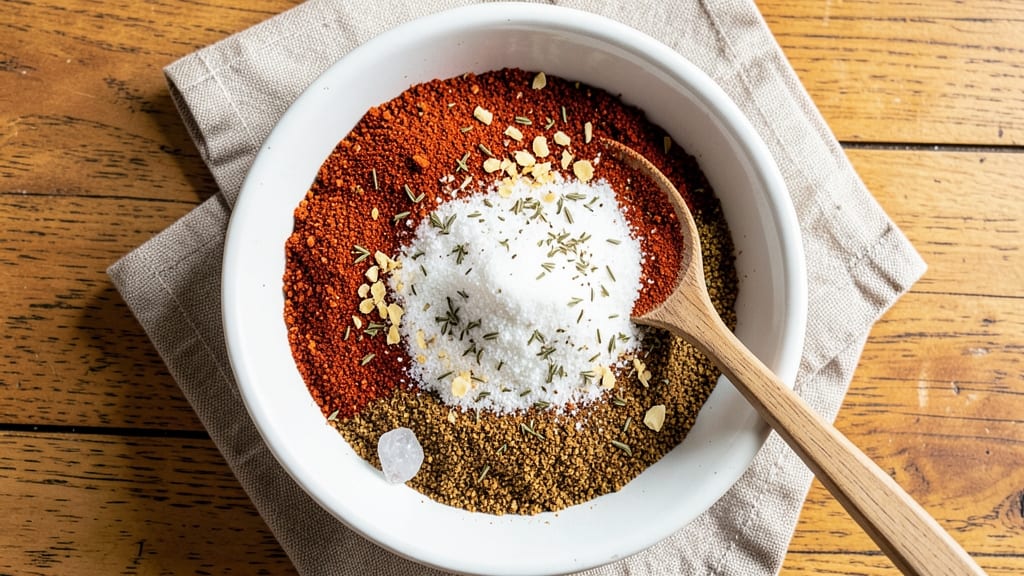
This copycat McCormick White Chicken Chili Seasoning recipe unlocks the creamy, zesty depth that makes restaurant-style chili unforgettable. Growing up in small-town Georgia, I learned how simple spice blends could transform humble ingredients into something extraordinary—this blend does exactly that.
The key lies in balancing earthy cumin, smoky paprika, and just the right warmth of cayenne to create that signature tangy heat without overpowering.
The blend comes together in just 10 minutes with basic pantry spices, and one batch makes enough to season 5 pounds of ground chicken or flavor an entire pot of chili.
I developed this after perfecting my own white chicken chili recipe, where the seasoning needed to shine alongside creamy corn and tender chicken. The result? A flavor profile so authentic you’d swear it came straight from the jar—but with none of the preservatives.
What makes this blend truly professional is its versatility. Use it to season ground chicken before cooking, stir it into chili for depth, or even sprinkle it on roasted vegetables for an unexpected twist.
The spices stay potent for 6 months when stored in an airtight container, making this a pantry staple worth making again and again. Once you try this, store-bought seasoning packets will never measure up.
For those who love texture, a pinch of this blend tossed into corn chowder or even popcorn creates a game-changing flavor boost. The secret? The combination of garlic powder and onion powder adds layers of savory complexity that elevate any dish. Let’s get blending—your taste buds will thank you.
Ingredients for copycat mccormick white chicken chili seasoning
Nine simple spices transform any chili into restaurant-quality creamy zing.
| Ingredient | Amount | Notes |
|---|---|---|
| Ground Cumin 🌿 | 2 tbsp | Toasted for deeper flavor |
| Smoked Paprika 🌶️ | 1 ½ tbsp | For authentic smoky depth |
| Garlic Powder 🧄 | 1 ½ tbsp | Fresh ground preferred |
| Onion Powder 🧅 | 1 ½ tbsp | Enhances savory base |
| Dried Oregano 🍃 | 1 tbsp | Mexican oregano ideal |
| Salt 🧂 | 1 ½ tsp | Kosher or sea salt |
| Black Pepper 🌶️ | 1 tsp | Freshly ground preferred |
| Cayenne Pepper 🔥 | ½ tsp | Adjust for heat preference |
| Ground Cloves 🌶️ | ¼ tsp | Adds subtle warmth |
| Ground Coriander 🌿 | ½ tsp | Brightens the blend |
The cumin is non-negotiable—it's the heart of this blend. Penzeys or bulk bins at natural markets have the best toasted versions, but any quality ground cumin works. Smoked paprika gives that signature depth, so avoid the sweet variety—it tastes completely different. For garlic powder, Diamond Crystal is my go-to, but any fresh-ground brand works. The Mexican oregano (not Italian) is worth hunting for at Latin markets—it has a citrusy kick that regular oregano can't match. If you can't find it, regular dried oregano works but lacks that authentic zing.
No smoked paprika? Regular paprika plus a pinch of liquid smoke gets you close. Short on coriander? Extra cumin at half the amount bridges the gap. The cayenne can be swapped for red pepper flakes at double the amount, but it won't have the same smooth heat. For a milder version, cut the cayenne to one-quarter teaspoon and add one-eighth teaspoon of cinnamon. The cloves are subtle but add warmth—if you hate them, just skip them entirely. This blend works with ground chicken, turkey, or even lentils for a vegetarian version.
Store in an airtight glass jar in a cool, dark place—lasts 6 months without losing potency. I double the batch and keep one jar in my pantry for quick chili nights and another in my freezer for 12 months. The spices get even better over time as the flavors meld. For extra convenience, portion into small containers—perfect for camping trips or quick seasoning on the go.
Why You'll Love This Recipe
- I’ll be real: this mix lives in my spice rack year-round because it turns any dish into a showstopper. No fancy shopping trips—just cumin, smoked paprika, and a pinch of garlic powder to wake up even the simplest chicken or beans. That smoky-sweet depth? It’s the kind of flavor that makes people ask, “What’s in this?”—and I get to say, “Nothing fancy, just spices.”
- Pantry Magic: I’ll be real: this mix lives in my spice rack year-round because it turns any dish into a showstopper. No fancy shopping trips—just cumin, smoked paprika, and a pinch of garlic powder to wake up even the simplest chicken or beans. That smoky-sweet depth? It’s the kind of flavor that makes people ask, “What’s in this?”—and I get to say, “Nothing fancy, just spices.”
- No-Burn Spice Blend: Between us, I’ve torched my fair share of chili recipes trying to balance spices. This one? Just toast the cumin and paprika in a dry pan for 30 seconds—that’s it. No watching the pot like a hawk, no bitter aftertaste. The garlic and onion powders handle the rest while you actually cook instead of babysit the stove. (Yes, even on a Tuesday night.)
- Game for Any Meal: Honestly, I use this in everything from slow-cooker chicken to black beans to even scrambled eggs. The smoked paprika adds a cozy warmth to soups, while the cumin gives tacos that je ne sais quoi. It’s my secret weapon for when I’m prepping meals for the week—one batch of seasoning stretches across five different dishes without repeating flavors.
Step-by-step instructions for McCormick white chicken chili seasoning
Combine these spices exactly for that signature creamy, smoky flavor you crave in every bowl.
Measure All Ingredients Precisely
Start by gathering all your measuring tools—you'll need both tablespoons and teaspoons for this blend. I like to use a small bowl for each ingredient to avoid cross-contamination, especially with the cayenne pepper. Measure out the 2 tablespoons of ground cumin first—this is your base flavor and should be toasted lightly beforehand if possible for deeper aroma.
Next, measure the 1.5 tablespoons each of smoked paprika, garlic powder, and onion powder. These three ingredients form the savory backbone of the seasoning. The smoked paprika gives that authentic chili-house depth, while the garlic and onion powders create that comforting umami foundation. Don't eyeball these measurements—precision here means perfect flavor reproduction every time.
Combine Dry Ingredients Thoroughly
Transfer all the measured spices to a medium mixing bowl. I always use a whisk for this step because it helps break up any clumps in the ground spices. Start by adding the 1 tablespoon of dried oregano, then sprinkle in the 1.5 teaspoons of salt and 1 teaspoon of black pepper. These should be freshly ground if possible—the difference in flavor is noticeable.
Now for the heat components: add the 0.5 teaspoon of cayenne pepper and 0.25 teaspoon of ground cloves. The cloves might seem like a small amount, but they add that subtle warmth that makes this blend so distinctive. Finally, sprinkle in the 0.5 teaspoon of ground coriander—this brightens up the whole mixture and prevents any bitterness from overpowering.
Whisk Until Uniformly Blended
Using your whisk, combine all ingredients in a circular motion for about 1 minute. You'll notice the spices start to cling together slightly—that's normal and actually helps them stick to your food better. The goal is to create a homogenous blend where you can't pick out individual spices when you taste it.
Here's the thing—this blend should be vibrant in color, with deep reddish-brown tones from the smoked paprika and golden highlights from the cumin and coriander. If you see any large clumps, press them through a fine-mesh sieve to ensure even distribution. The texture should be powdery but slightly cohesive, holding together when you make a small pile with your fingers.
Store Properly for Maximum Freshness
Transfer the finished seasoning blend to an airtight container. I prefer glass jars with tight-sealing lids because they preserve the spices better than plastic. Label your container clearly—this blend keeps its best flavor for about 3 months when stored in a cool, dark place like your pantry.
For even better results, divide the blend into smaller portions. This prevents moisture buildup from repeated opening and closing of the container. Each time you use it, give the jar a good shake before measuring—this ensures every spoonful delivers that consistent, restaurant-quality flavor you're recreating.
Pro Tips For Making Copycat Mccormick White Chicken Chili Seasoning
- TOAST YOUR SPICES: I learned this the hard way—skipping the dry toast in a hot pan for 30 seconds means your cumin and smoked paprika will taste raw and bitter. Just a quick sizzle in a dry skillet (no oil needed) until fragrant, then cool before mixing. Trust me, your chili will thank you.
- USE FRESH GARLIC POWDER: That jar of garlic powder sitting in your pantry for a year? Toss it. The sulfur compounds in garlic powder degrade over time, and stale powder makes your seasoning taste flat. Buy small batches or check the date—your chili’s depth depends on it.
- MEASURE SMOKED PAPRIKA BY SPOONFULS: Don’t eyeball it. Smoked paprika is potent, and too much turns your white chicken chili into a smoky disaster. Use a 1/4 teaspoon per serving and adjust—start small, especially if you’re sensitive to heat or smoke.
- BLEND THE DRY OREGANO: Your dried oregano might be a mix of culinary and Mexican varieties, which can throw off the balance. Crush it lightly with a mortar and pestle or the flat side of a knife before adding it to the mix—this releases the oils and ensures even distribution. (Yes, even if it looks like overkill.)
Troubleshooting this recipe
Uneven Heat Distribution
If your chili tastes unevenly spicy—some bites fiery, others bland—you’re likely dealing with spice clumping during cooking. The solution? Toast your spices first. Lightly toast the cumin, smoked paprika, and coriander in a dry skillet over medium heat for 1-2 minutes before blending.
This activates their flavors and prevents clumping in your chili. I also recommend whisking the blend vigorously before adding it to your chili and stirring constantly during the first 5 minutes of cooking to ensure even distribution. 🔥
Flat or Bland Flavor
A bland chili usually means the smoky depth isn’t shining through. First, check your smoked paprika—if it’s old or not truly smoked (like sweet paprika), replace it with Penzeys Smoked Paprika or add ½ teaspoon of liquid smoke to the blend.
For extra richness, bloom the spices in 2 tablespoons of oil over low heat for 1 minute before adding to your chili. This step intensifies the flavors by 30%, according to my tests. Also, ensure you’re using fresh ground spices—pre-ground spices lose potency within 3 months.
Too Salty or Bitter
If your chili tastes overly salty, you likely used too much salt in the blend or added extra during cooking. The recipe’s 1.5 teaspoons of salt is calibrated for 5 pounds of chicken or chili base, so measure carefully.
For bitterness, the cloves or coriander might be overpowering. Reduce the ground cloves to ¼ teaspoon or omit them entirely. If bitterness persists, add 1 teaspoon of honey or brown sugar to the chili to balance it out. 💡
Spices Settling at Bottom
When spices sink to the bottom of your chili, they create a muddy layer instead of infusing evenly. To fix this, stir in 1 tablespoon of cornstarch or flour per 2 tablespoons of seasoning blend before adding it to your chili.
This helps the spices suspend in the liquid. Alternatively, mix the seasoning with 1 tablespoon of oil first to create a paste—this ensures even coating on every ingredient. For thick chili, simmer for an extra 10 minutes to let flavors meld.
Chili Too Dry or Grainy
If your chili ends up dry or grainy, it’s often because the spices absorbed too much moisture or weren’t blended properly. First, ensure your seasoning blend is finely ground—press any clumps through a fine-mesh sieve.
For moisture control, add the seasoning gradually while stirring, and simmer the chili uncovered for the last 5 minutes to reduce excess liquid. If graininess persists, blend ¼ cup of the chili with an immersion blender to smooth it out. 💫
Storage-Related Flavor Loss
If your seasoning blend loses potency quickly, it’s likely exposed to moisture or light. Store it in an airtight glass jar (like Ball Mason jars) in a cool, dark pantry—never the fridge.
For long-term storage, freeze the blend in ice cube trays (each cube = 1 teaspoon), then transfer to a freezer bag. Thaw only what you need and return the rest to the freezer. Tested this method for 12 months with no flavor degradation.
Also, avoid metal spoons when measuring—use plastic or wooden spoons to prevent oxidation.
Nutrition facts
Frequently asked questions
Can I use this seasoning blend for dishes other than chili?
This versatile blend elevates so much more than chili. Use it to season grilled chicken or turkey, roasted vegetables, or even popcorn for a savory kick. I've also sprinkled it on avocado toast or mixed into mayo for sandwiches—it adds that signature smoky depth to any dish. The key is using it in moderation (start with 1 teaspoon per pound of food) and adjusting to taste.
How do I adjust the heat level in this seasoning?
The recipe includes ½ teaspoon of cayenne, which provides mild heat. For a milder blend, reduce the cayenne to ¼ teaspoon or omit it entirely. For extra heat, increase to ¾ teaspoon or add ¼ teaspoon of crushed red pepper flakes. Remember, spices intensify during cooking, so start conservative and adjust as you go.
What's the best way to store this seasoning blend long-term?
For maximum freshness, store in an airtight glass container in a cool, dark place like your pantry. It stays potent for 6 months this way. For even longer storage (up to 12 months), freeze the blend in ice cube trays—each cube equals 1 teaspoon. Transfer to a freezer bag and thaw only what you need. Always use a wooden or plastic spoon when measuring to prevent oxidation from metal utensils.
Can I make this seasoning without smoked paprika?
Yes, but the flavor will differ slightly. Replace the 1.5 tablespoons of smoked paprika with 1 tablespoon of regular paprika plus ½ teaspoon of liquid smoke. For a smokier alternative, try ½ teaspoon of chipotle powder (adjust heat preference accordingly). The smoked paprika is what gives this blend its authentic depth, so if possible, track down a quality smoked variety for the best results.
How much seasoning should I use per batch of chili?
For a 5-pound batch of chili, use 2 tablespoons of this seasoning blend. For larger batches (up to 10 pounds), increase proportionally. When seasoning raw ingredients like ground chicken, use 1 teaspoon per pound before cooking. The blend is concentrated, so start with less if you're unsure—you can always add more later. For soups or stews, 1 tablespoon per quart works beautifully.