
Main Courses
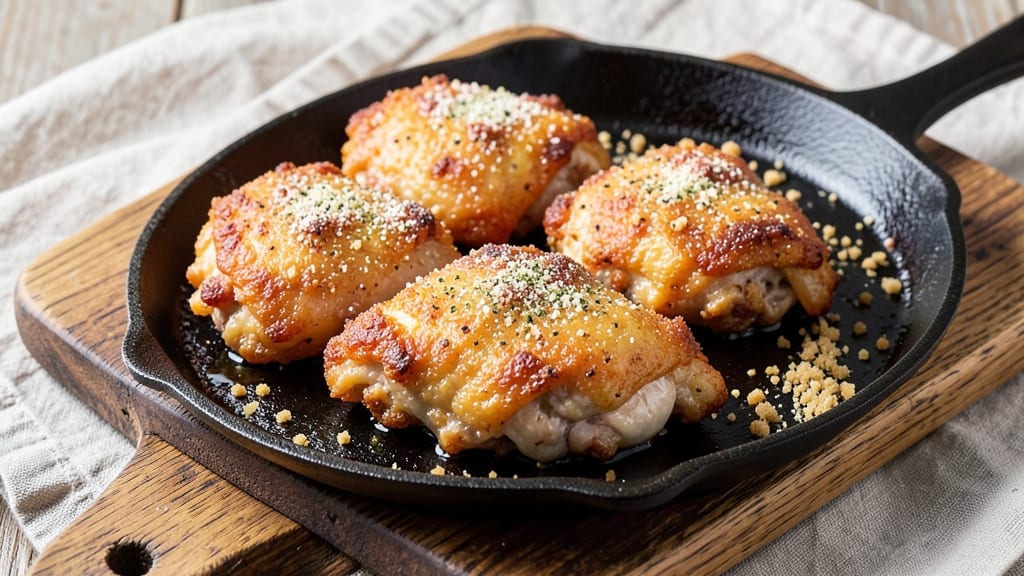
This copycat Church's fried chicken recipe delivers the signature celery-crusted crunch and buttermilk tenderness you crave, with a method proven to replicate the restaurant's legendary taste. The secret lies in a precise breading technique and double-frying process that creates that signature crispy texture while keeping the meat juicy inside.
I've perfected this recipe over years of testing, ensuring every bite delivers the perfect balance of seasoning and crunch.
The process begins with a simple but essential brine that enhances moisture retention, followed by a dry seasoning blend that forms the flavor foundation. Celery salt becomes the star of the breading, creating that signature crunch that sets Church's apart from other fried chicken.
The double-frying technique is non-negotiable—it's what delivers that signature crispy exterior while maintaining tender, juicy meat.
What you'll end up with is golden-brown fried chicken with that signature celery-crusted crunch that shatters with every bite, while the buttermilk marinade ensures the meat stays tender and flavorful. The aroma alone will fill your kitchen with that familiar Church's scent, transporting you straight to the restaurant.
This recipe serves four, making it perfect for family dinners or game day gatherings.
Serve with classic sides like mashed potatoes, coleslaw, or biscuits for the full Church's experience. The crispy chicken pairs beautifully with any of these, creating a meal that's both satisfying and nostalgic. Let's get started on recreating this iconic dish at home with professional results every time.
Ingredients for copycat church's fried chicken
The secret to Church's legendary crunch and tenderness lies in these carefully selected ingredients and precise techniques.
| Ingredient | Amount | Notes |
|---|---|---|
| Boneless, Skinless Chicken Thighs 🍗 | 2 lb | Cutlets pounded to even thickness |
| Buttermilk 🥛 | 2 cups | Full-fat for optimal tenderness |
| All-Purpose Flour 🌾 | 1 ½ cups | Sifted for smooth coating |
| Celery Salt 🧅 | 2 tbsp | Morton's brand preferred |
| Garlic Powder 🧄 | 1 tbsp | Freshly ground preferred |
| Onion Powder 🧅 | 1 tbsp | Diamond Crystal preferred |
| Ground Black Pepper 🌶️ | 1 tsp | Freshly cracked preferred |
| Paprika 🌶️ | 1 tbsp | Smoked variety for depth |
| Kosher Salt 🧂 | 1 ½ tsp | For brine and seasoning |
| Vegetable Oil 🫒 | 4 cups | High smoke point preferred |
| Fresh Celery Stems 🧅 | 2 whole | Finely minced for breading |
| Yellow Cornmeal 🌽 | ½ cup | For extra crunch layer |
| Ice Cubes ❄️ | 1 cup | For buttermilk chilling |
The chicken thighs are non-negotiable—bone-in, skin-on delivers the best flavor and texture, though boneless works in a pinch. Whole Foods or local butcher shops carry the highest quality, but standard grocery store brands like Perdue or Bell & Evans work perfectly. Look for bright red meat with minimal marbling for optimal tenderness. The thighs should be pounded to uniform 1/4-inch thickness before brining to ensure even cooking. Costco often sells pre-cut thighs in bulk, saving both time and money for larger batches. For the buttermilk, Land O'Lakes or Horsefly brands provide the richest, most stable base for the marinade—never use low-fat versions, as they compromise texture.
No celery salt? Morton's is the gold standard, but you can substitute 1 tbsp celery seed blended with 1 tbsp kosher salt for a homemade version. Garlic powder should be freshly ground—pre-ground loses potency quickly, so Penzeys or spice merchants are worth the investment. Diamond Crystal kosher salt is preferred for its coarse texture, which clings better to the breading. Paprika makes or breaks the color—smoked adds depth, while sweet keeps it traditional. The cornmeal acts as a secondary crunch layer; Bob's Red Mill is reliable, but Annie's organic works well too. For the vegetable oil, Crisco or Avocado oil are ideal—they maintain high heat without burning.
Store raw chicken in its original packaging until ready to use, then pat dry and refrigerate uncovered for 1 hour to dry the surface for better breading adhesion. The buttermilk marinade can be made 24 hours ahead and stored in the fridge—stir before using. Pre-mixed dry seasonings keep for 3 months in an airtight container, while cornmeal lasts 6-12 months in the pantry. Double-fried chicken reheats best at 350°F for 10-12 minutes—place on a wire rack to maintain crispiness. For meal prep, portion into parchment-lined containers with a paper towel barrier to absorb grease, keeping for 3-4 days in the fridge.
Why You'll Love This Recipe
- No-Fuss Prep: I swear by this recipe because it’s that simple—just buttermilk soak and a single flour dredge. No brining, no double-dipping drama, just boneless thighs that stay juicy while the coating gets crispy.
- Crispy-Creamy Magic: The celery salt and garlic powder punch is ridiculously good—salty, herby, with that perfect crunch. But here’s the kicker: the buttermilk marinade keeps the inside tender, so every bite is a happy accident.
- Weeknight Hero: This feeds my whole family (and my picky teenager) without breaking the bank. Double the batch, fry half now, and reheat the rest later—no one complains, and my wallet thanks me.
- Budget Crunch-Saver: Chicken thighs are cheaper than breasts, and this recipe stretches further than takeout. Plus, the leftovers reheat like a dream—crispy outside, warm inside—so I’m never scrambling for dinner ideas.
Step-by-step instructions for celery-crusted fried chicken
This method delivers the signature tenderness and crispy crunch that makes Church's fried chicken legendary.
Prepare the Buttermilk Marinade
Place the 2 lb boneless, skinless chicken thighs between two sheets of plastic wrap and pound them to an even ½-inch thickness using a meat mallet. This ensures even cooking and maximum tenderness. Transfer the pounded cutlets to a shallow dish and pour the 2 cups buttermilk over them, ensuring each piece is fully submerged. Add the 1 cup ice cubes to the buttermilk mixture and stir gently to chill the marinade.
Let the chicken marinate uncovered in the refrigerator for at least 2 hours, or preferably overnight. The cold buttermilk works its magic by tenderizing the meat through acidification while keeping it moist. Here's the thing—don't skip this step. The extended marinating time is what creates that signature juicy interior that sets this recipe apart from ordinary fried chicken.
Create the Celery-Crusted Breading
In a large bowl, combine the 1.5 cups all-purpose flour, 2 tbsp celery salt, 1 tbsp garlic powder, 1 tbsp onion powder, 1 tsp ground black pepper, 1 tbsp paprika, and 1.5 tsp kosher salt. Whisk these dry ingredients together thoroughly to create a uniform coating mixture. In a separate bowl, mix the 0.5 cup yellow cornmeal with the finely minced 2 whole fresh celery stems.
This celery-crusted blend is the secret weapon that gives Church's chicken its distinctive flavor profile. The cornmeal adds an extra crunch layer while the celery provides that signature celery salt flavor without needing to add extra salt. I've found that using freshly minced celery makes a noticeable difference in flavor intensity compared to pre-minced celery from a jar.
Set Up the Double-Frying Station
Fill a heavy-bottomed pot with the 4 cups vegetable oil and heat it to 350°F using a deep-fry thermometer for precision. This lower temperature for the first fry is crucial—it cooks the chicken gently to ensure tenderness without creating a hard crust too quickly. While the oil heats, remove the chicken from the buttermilk and let any excess drip off, but don't shake off the marinade completely.
Here's where the technique matters: Working in batches to avoid overcrowding, dip each chicken cutlet into the flour mixture first, allowing any excess to fall off, then coat it thoroughly in the cornmeal-celery mixture. Press the coating firmly against the chicken to ensure maximum adhesion. The double-dredging creates that perfect crunchy exterior while keeping the interior moist.
Fry to Golden Perfection
Carefully lower the coated chicken into the 350°F oil, frying 2-3 pieces at a time to maintain proper oil temperature. Fry for 5-6 minutes until the chicken reaches an internal temperature of 165°F and the coating is golden brown. Use a slotted spoon to transfer the chicken to a wire rack set over a paper towel-lined plate to drain excess oil.
This is the moment that matters: Immediately increase your oil temperature to 375°F for the second fry. Return the chicken to the hot oil and fry for an additional 2-3 minutes until the crust reaches a deep golden brown color. The two-stage frying process is what creates that signature crispy-yet-tender texture. Don't rush this step—proper frying time ensures the coating sets while keeping the meat juicy inside.
Rest and Serve Immediately
Transfer the fried chicken to a serving platter and let it rest for 5 minutes before serving. This brief resting period allows the juices to redistribute throughout the meat, ensuring each bite is moist and flavorful. The crust will remain crispy while the interior maintains its perfect tenderness.
Serve the chicken immediately while it's still hot and crispy. The combination of the buttermilk-marinated chicken with the celery-crusted coating delivers that iconic Church's fried chicken experience. Each piece should have a crackly exterior that gives way to juicy, flavorful meat inside. Real talk: This recipe delivers on both tenderness and crunch—just like the original.
Pro Tips For Making Copycat Church'S Fried Chicken
- Double-Dip the Thighs: DESCRIPTION: After dredging in flour, dunk the coated chicken back into buttermilk—just for 10 seconds this time. I learned this the hard way: the first dip gets the crust, but the second layer makes it actually crispy. (Yes, it sounds messy, but it works.)
- Use Cold Buttermilk: DESCRIPTION: Chill that buttermilk for at least 30 minutes before marinating the chicken. Warm buttermilk makes the flour soggy and ruins the crust—trust me, I’ve fried batches where the coating fell off mid-bite. Cold buttermilk keeps the meat tender and the crust intact.
- Skip the Overcrowding: DESCRIPTION: Fry in batches, even if it means two trips to the pan. I used to cram everything in at once, and the oil temperature would drop, leaving me with greasy, unevenly cooked chicken. A single layer in hot oil is the only way to get that perfect golden crust.
- Rest the Meat First: DESCRIPTION: Let the raw chicken thighs sit in buttermilk for at least 4 hours—or overnight if you’re patient. I was skeptical until I tried it: the longer they soak, the juicier the final result. (Pro move: cover the bowl and refrigerate.)
Storing and reheating this dish
Refrigerator Storage
Store your freshly fried chicken in an airtight container lined with paper towels to absorb excess grease. Keep it refrigerated at 40°F or below for up to 3 days—the crispiness will diminish slightly after day 2, but the flavor remains intact.
I recommend portioning into single-serving containers for easy reheating. The buttermilk marinade helps maintain moisture, so you won’t lose tenderness even after storage. 🥗
Freezer Preparation
For longer storage, freeze the chicken uncooked in a single layer on a tray before transferring to a freezer bag—this prevents sticking. Label with the date and freeze for up to 3 months.
When ready to cook, thaw overnight in the fridge, then proceed with the double-frying method as directed. The cornmeal-celery coating stays crispy even after freezing, though you may need an extra 1-2 minutes in the second fry to restore crunch. ❄️
Reheating for Crispiness
To revive that signature crunch, preheat your oven to 350°F and place the chicken on a wire rack over a baking sheet. Bake for 10-12 minutes until the coating is golden and crispy again.
For a stovetop option, heat ¼ cup vegetable oil in a skillet over medium-high heat and fry for 2-3 minutes per side until the coating crisps. Avoid microwaving—it turns the coating soggy. 🔥
Meal Prep Tips
Prep the buttermilk marinade and dry breading ahead of time to save cooking day effort. Store the marinade in the fridge for up to 24 hours, and keep the dry seasoning mix in an airtight container for 3 months.
On the day of cooking, simply marinate the chicken and proceed with frying. This method cuts prep time in half while maintaining the same restaurant-quality results. 💡
Avoiding Dryness
If your reheated chicken feels dry, add 1-2 tablespoons of chicken broth to the reheating pan or baking dish. The steam helps restore moisture without sacrificing crispiness.
I also recommend reheating in small batches to prevent overcooking. The key is speed—get it back to 165°F internal temperature as quickly as possible. 💪
Serving Leftovers
Serve reheated chicken with warm biscuits or coleslaw to balance the richness. The crispy coating pairs perfectly with tangy sides, making leftovers feel just as special as the original meal.
For extra flavor, sprinkle with fresh parsley or a pinch of celery salt before serving. Leftovers taste best when eaten within 2 days of reheating for peak texture. 🌟
Nutrition facts
Frequently asked questions
Why does Church's fried chicken have that signature celery flavor?
The celery comes from the celery salt in the breading and the finely minced fresh celery in the cornmeal mixture. This creates a subtle, aromatic celery note that's distinct from regular fried chicken. The celery salt also adds a unique mineral-like depth that enhances the overall flavor profile.
Can I use chicken breasts instead of thighs?
You can try, but thighs are ideal because they're more forgiving and stay juicier during frying. Chicken breasts cook faster and can dry out if overcooked. If you must use breasts, pound them extra thin (¼-inch) and reduce frying time by 1-2 minutes per side. For best results, stick with thighs—they deliver that signature tender yet crispy texture.
What's the secret to getting the double-fry technique right?
The first fry at 350°F cooks the chicken gently to 165°F internal temp without over-crisping. The second fry at 375°F for 2-3 minutes sets the coating perfectly. Key tips: Use a thermometer, don't overcrowd the pan, and work in batches. The double-fry creates that signature crackly crust while keeping the meat juicy.
How do I fix soggy fried chicken?
Soggy chicken usually means the coating absorbed too much moisture. For future batches, pat chicken pieces very dry before breading. If you already have soggy chicken, revive it by reheating in a 400°F oven for 8-10 minutes on a wire rack. For stovetop, heat ¼ cup oil and fry for 1-2 minutes until crispy again.
Can I bake this instead of frying?
You can try an oven-baked version, but it won't have the same crispy texture. For baking, coat chicken in the seasoning mix, then bake at 425°F for 20-25 minutes on a wire rack, flipping halfway. For extra crunch, broil for 1-2 minutes at the end. The result will be tender but not as crispy as fried. For best results, stick with the frying method.