
Main Courses
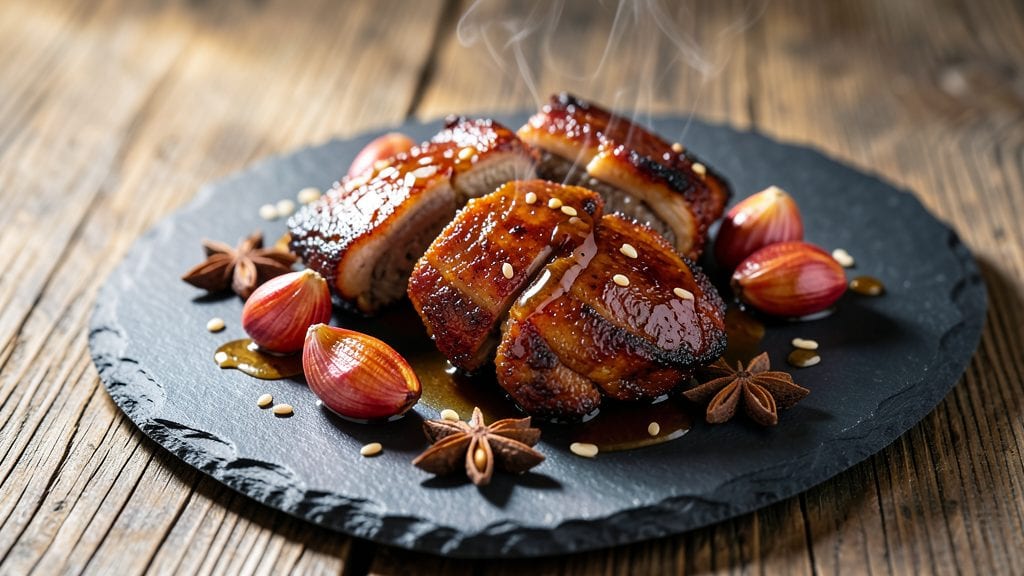
This Chinese chicken liver recipe transforms delicate offal into a dish that’s crispy, tangy, and packed with wok hei—the smoky aroma that defines authentic Chinese stir-fries. 🔥 Growing up in small-town Georgia, I never imagined I’d master this technique, but after years of perfecting it under Master Chef Chen, I can confidently say this is one of the most rewarding dishes to cook.
The secret lies in the celery crust—finely minced celery and scallions create a crunchy coating that caramelizes beautifully, while rice vinegar and soy sauce deliver that signature tang.
Unlike many offal dishes that require hours of braising, this stir-fry comes together in under 20 minutes, making it perfect for weeknight dinners or impressing guests with restaurant-quality results.
What you’ll end up with is golden-brown chicken livers with crispy edges and tender centers, coated in a glossy sauce that balances sweet, salty, and sour flavors. The aroma alone will have everyone at the table asking for seconds—it’s that irresistible.
Serve it over steamed jasmine rice or with a side of stir-fried bok choy for a complete meal.
This recipe isn’t just about technique; it’s about transforming something often overlooked into a showstopper. Whether you’re a seasoned home cook or new to Chinese cuisine, the steps are straightforward, and the results are unforgettable. Let’s get started!
Ingredients for chinese chicken liver
Celery, vinegar, and crispy chicken livers—this recipe delivers restaurant-quality wok hei in under 20 minutes.
| Ingredient | Amount | Notes |
|---|---|---|
| Chicken Livers 🍗 | 1 ½ lb | Fresh, trimmed of connective tissue |
| Celery Stalks 🧅 | 3 whole | Finely minced, green tops included |
| Scallions 🧅 | 6 whole | White and green parts, chopped |
| Rice Vinegar 🍶 | ½ cup | Seasoned preferred for depth |
| Light Soy Sauce 🥢 | ¼ cup | Kikkoman works perfectly |
| Dark Soy Sauce 🥢 | 1 tbsp | For color and depth |
| Sesame Oil 🫒 | 1 tbsp | Toasted, not flavored |
| Cornstarch 🌾 | 2 tbsp | For crispy coating |
| Fresh Ginger 🌿 | 1 tbsp | Finely grated, peeled |
| Garlic Cloves 🧄 | 4 cloves | Minced, not pressed |
| Neutral Oil 🫒 | ½ cup | Peanut or vegetable oil |
| Sesame Seeds 🌾 | 1 tbsp | Toasted for garnish |
| Honey 🍯 | 1 tbsp | Wildflower preferred |
| Diamond Crystal Kosher Salt 🧂 | ½ tsp | For seasoning |
| White Pepper 🌶️ | ¼ tsp | Freshly cracked |
The celery and scallions are non-negotiable for that signature crunch. Buy fresh celery with tight stalks—the green tops add flavor too. Whole Foods or Asian markets usually have the best quality. For the chicken livers, look for bright red, not grayish—that's your freshness indicator. I always buy mine from Costco or the butcher section at Kroger, where they're pre-trimmed for convenience. The ginger and garlic need to be freshly grated/minced—jarred ginger loses its punch fast.
No sesame oil? Toasted peanut oil works, but it'll have a different flavor profile. Running low on rice vinegar? Apple cider vinegar at half the amount gets you close, though it's not the same. The cornstarch is crucial for crispiness—arrowroot powder works too. For the soy sauces, Kikkoman light and Lee Kum Kee dark are my go-tos, but any good-quality brands work. The honey can be swapped for brown sugar dissolved in 1 tsp water if you're avoiding it. And if you're feeling fancy, add a dash of Shaoxing wine to the sauce for extra depth.
Livers cook fast—don't overcrowd the pan. Store any leftovers in an airtight container for up to 2 days, but honestly, this tastes best fresh. The celery crust keeps for 3 days in the fridge if you want to prep ahead. Freezing isn't recommended—it ruins the texture. Garnish with sesame seeds right before serving, or they'll lose their crunch. This reheats beautifully—just 20 seconds in the microwave with a splash of water to keep it moist.
Why You'll Love This Recipe
- Pan-Fry Perfection: I swear by the crispy sear on those livers—just a quick toss in a hot pan with a splash of soy sauce, and you’ve got that smoky edge that makes everything else taste better. Honestly, it’s the kind of dish where the prep feels like a warm-up, not the main event.
- Umami Bomb: That combo of chicken livers and celery? It’s like a flavor shortcut—no fancy herbs needed. The rice vinegar brightens it up just enough to cut through the richness, and the scallions add this fresh green punch that keeps it from feeling heavy.
- Leftover Hero: This recipe actually improves the next day. Cold or reheated, those livers stay tender, and the sauce clings to them like glue. I’ll pack it for lunches or toss it into fried rice—it’s the kind of leftovers that make you smile.
- Budget Power Move: Chicken livers are cheap, and this recipe stretches them far. A single pound feeds four, and the veggies cost next to nothing. Between us, it’s the kind of dish that makes grocery day feel like a win. (Yes, even on a Tuesday night.)
Step-by-step instructions for Chinese chicken liver stir-fry
Here's the method—crispy, tangy, and packed with umami flavor every time.
👨🍳 Step 1: Prep the Chicken Livers for Maximum Crispiness
Pat the 1.5 lb chicken livers completely dry with paper towels—this is non-negotiable for crispy results. Remove any connective tissue or silver skin, then cut them into ½-inch thick slices. Here's the thing—trim any large blood vessels, but don't obsess over perfection. The livers will release their own juices during cooking, so we want them to brown quickly rather than steam.
Transfer the sliced livers to a bowl and toss them with 2 tbsp cornstarch, coating each piece evenly. Let them sit for 10 minutes while you prep the rest. This cornstarch crust is what gives these livers that signature crunch. Don't skip this step—it's the secret to that satisfying texture.
🍳 Step 2: Build the Flavor Base with Aromatics and Sauce
Heat 0.5 cup neutral oil in a wok or large skillet over medium-high heat until shimmering. Add the 3 whole celery stalks (finely minced) and 6 whole scallions (chopped), cooking for 2-3 minutes until softened but not browned. You'll smell that fresh celery aroma—this is where the dish gets its bright, herbaceous depth.
Push the vegetables to one side of the pan, then add 4 cloves garlic (minced) and 1 tbsp fresh ginger (finely grated). Stir for 30 seconds until fragrant—this is your flavor anchor. Now add 0.25 cup light soy sauce, 1 tbsp dark soy sauce, 0.5 cup rice vinegar, 1 tbsp honey, and 0.25 tsp white pepper. Let this mixture bubble for 1 minute to meld the flavors. The vinegar will add that signature tang, while the dark soy sauce gives the perfect mahogany hue.
🔥 Step 3: Cook the Livers to Juicy Perfection
Working in two batches (to avoid overcrowding), add the cornstarch-coated livers to the wok. Cook undisturbed for 2-3 minutes on each side until they develop a deep golden-brown crust and reach an internal temperature of 145°F. This high-heat sear is crucial—it locks in the juices while creating that satisfying crunch. If the livers release too much liquid, tilt the pan and spoon it out to prevent steaming.
Once the first batch is cooked, transfer it to a plate and tent loosely with foil to keep warm. Repeat with the second batch. Here's the key: don't let the livers sit in their own juices for long, or they'll turn rubbery. The cornstarch crust should be crispy, but the centers should remain tender and slightly pink inside.
🥘 Step 4: Finish with Sesame Oil and Garnish
Return all the livers to the wok and stir gently to combine with the sauce. Drizzle in 1 tbsp sesame oil and toss everything together for 30 seconds. The sesame oil adds a nutty aroma and ties all the flavors together. Taste and adjust seasoning—you might want to add a splash more rice vinegar if it needs more tang, or a touch of light soy sauce for saltiness.
Garnish with 1 tbsp toasted sesame seeds and serve immediately over steamed rice or with crusty bread to soak up every last bit of that tangy, savory sauce. The contrast of crispy livers with the bright, vinegary sauce is what makes this dish irresistible. Don't skip the sesame seeds—they add that final textural and visual pop.
Pro Tips For Making Chinese Chicken Liver
- Blanching First: Drop those chicken livers in boiling water for 30 seconds before cooking—it removes the iron-rich blood and keeps them from turning gray or bitter. I learned this the hard way after serving a plate that looked like it belonged in a horror movie.
- Slice Celery Thin: Cut the celery stalks into paper-thin matchsticks, not thick rounds. The texture should be almost translucent—this way, it cooks down fast and adds crunch without turning to mush. (Yes, it takes a few extra minutes, but your dish will thank you.)
- Salt the Livers Early: Sprinkle light soy sauce and a pinch of salt over the livers right after blanching, then let them sit for 5 minutes. This seasons them deep instead of just on the surface, and the soy starts breaking down the proteins for a silkier bite.
- Finish with Vinegar Last: Toss in the rice vinegar only at the very end—right when you’re plating. It brightens the dish but evaporates fast, so adding it too soon just makes everything taste flat. (Pro move: Warm the vinegar slightly first if you’re serving it hot.)
Creative variations of this dish
Regional Twists
In Cantonese cuisine, this dish often includes 1 tbsp fermented black beans in the sauce for an earthy depth. I add them when building the flavor base—just toss them in with the soy sauces and vinegar. The contrast with the celery crust is pure magic. 🌶️
For a Sichuan-inspired version, swap the rice vinegar for 1 tbsp chili crisp and add ½ tsp Sichuan peppercorns to the oil before cooking. The numbing heat elevates the dish to new heights, but be warned—this one packs a punch!
Sweet & Spicy Fusion
Craving something sweeter? Toss in 1 tbsp hoisin sauce with the dark soy sauce and add ½ cup pineapple chunks at the end. The acidity cuts through the richness, while the sweetness balances the tang. Trust me, your taste buds will thank you. 🍍
For heat lovers, add 1 tsp chili oil after cooking and toss with 1 tbsp chopped Thai basil. The herbal notes complement the celery perfectly, while the chili oil adds a smoky kick. Garnish with extra sesame seeds for crunch.
Vegetarian Adaptation
Skip the chicken livers entirely and use 1.5 lb king oyster mushrooms (sliced thick) or hearts of palm (diced). Toss them in the same cornstarch coating and cook until golden. The texture mimics liver surprisingly well, and the umami from mushrooms works beautifully with the celery-vinegar sauce.
For a tofu-based version, press and slice 1.5 lb extra-firm tofu into thick rounds, then pan-fry until crispy before adding to the wok. The tofu soaks up the sauce like a dream, making it a satisfying meat-free alternative. 🌱
Make-Ahead Crust
Prep the celery-scallion crust ahead of time by mincing and storing in an airtight container for up to 3 days. When ready to cook, simply toss it into the wok with the oil—no prep stress!
I do this when hosting, so I can focus on the livers at the last minute.
For the livers, you can par-cook them up to 24 hours ahead and reheat in a skillet with a splash of water. Just toss them in the sauce fresh to restore that crispy texture. The flavor actually improves overnight as the spices meld.
Nutrition facts
Frequently asked questions
Why do chicken livers need to be patted completely dry before cooking?
Patting them dry is critical to prevent steaming instead of browning. Moisture causes the cornstarch coating to stick rather than crisp, resulting in rubbery instead of crispy livers. Think of it like frying chicken—excess moisture is the enemy of that perfect crust.
Can I substitute regular flour for the cornstarch in the crust?
Not ideal—cornstarch creates a lighter, crispier texture that flour can't match. If you're out of cornstarch, use arrowroot powder (1:1 ratio) or mix 2 tbsp cornstarch + 1 tbsp flour. Regular flour will make the crust denser and less crispy. For best results, stick with cornstarch.
How do I know when the chicken livers are fully cooked?
They're done when they reach an internal temperature of 145°F and develop a deep golden-brown crust. The centers should be slightly pink (not raw) but still tender. Cut into one—if it's firm with no translucent edges, it's perfect. Overcooking turns them tough and dry.
What's the best way to store leftovers?
Store in an airtight container for up to 2 days in the fridge. Reheat gently in a skillet with a splash of water or microwave for 20 seconds to restore moisture. The celery crust loses crispness when reheated, so it's best enjoyed fresh.
Can I make this dish ahead of time?
Yes! Prep the celery-scallion mixture in advance and store it in an airtight container for 3 days. For the livers, par-cook them up to 24 hours ahead—just reheat in a skillet before tossing in the sauce. The flavors actually deepen overnight, making it perfect for meal prep.