
Main Courses
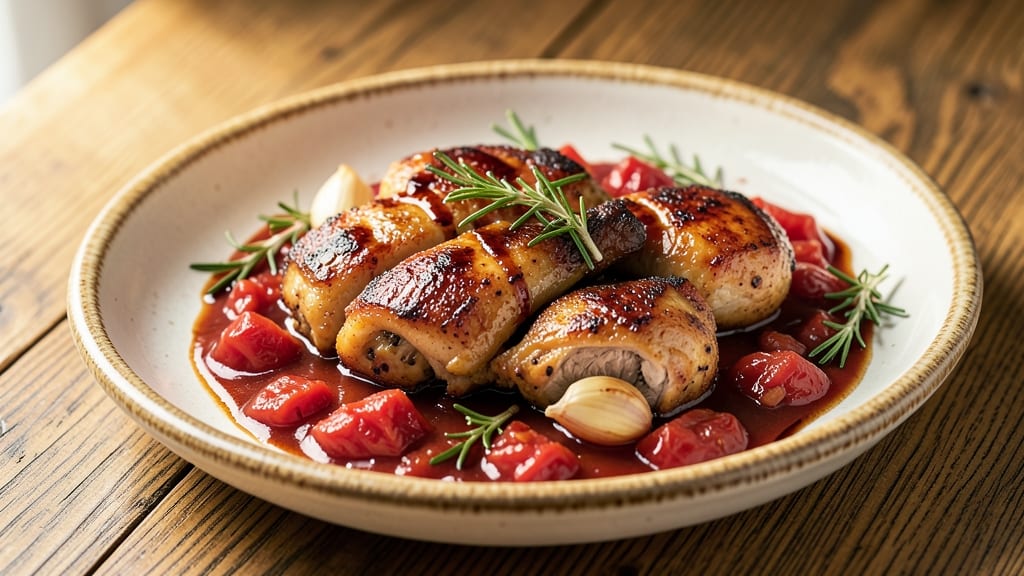
Cooking chicken thighs with canned tomatoes transforms simple ingredients into a restaurant-worthy one-pot dish that’s rich, herby, and deeply flavorful. The secret lies in balancing the acidity of tomatoes with the natural richness of bone-in thighs, creating a sauce that’s velvety yet bright.
I’ve perfected this method over years of testing—no fancy techniques, just a one-pot simmer that yields tender meat and a sauce so good you’ll want to drizzle it over everything.
This recipe delivers foolproof results in under an hour, with minimal prep and cleanup. You’ll start by searing the chicken to lock in juices, then slow-cook it with tomatoes, garlic, and herbs until the thighs fall off the bone.
The canned tomatoes add convenience without sacrificing depth—just look for high-quality, crushed varieties with minimal additives. A splash of wine or broth deepens the flavor, while fresh herbs at the end brighten the dish.
What you’ll end up with is a dish that’s hearty enough for a weeknight dinner but elegant enough for company. The chicken thighs stay tender and juicy, while the sauce thickens into a glossy, herby reduction that clings to every bite.
Serve it with crusty bread to soak up the sauce or over fluffy rice for a complete meal. The aroma alone will have everyone asking what’s for dinner.
This method works equally well for meal prep—leftovers taste even better the next day as the flavors meld further. Pair it with roasted vegetables or a simple green salad to round out the plate. Let’s get started on this one-pot wonder that proves home cooking can rival restaurant quality.
Ingredients for chicken thighs canned tomatoes
Simple pantry staples meet bone-in chicken thighs for a one-pot dish that tastes like a restaurant favorite.
| Ingredient | Amount | Notes |
|---|---|---|
| Bone-In Chicken Thighs 🍗 | 1 ½ lb | Skin-on preferred for flavor |
| Crushed Tomatoes (Canned) 🍅 | 2 cups | San Marzano or high-quality brand |
| Garlic Cloves 🧄 | 4 cloves | Freshly minced for best flavor |
| Dry Red Wine 🍷 | ½ cup | Bold variety like Cabernet Sauvignon |
| Chicken Broth 💧 | 1 cup | Low-sodium preferred |
| Fresh Rosemary 🌿 | ¼ cup | Finely chopped, stems removed |
| Fresh Thyme 🌿 | ¼ cup | Leaves only, stems discarded |
| Olive Oil 🫒 | 2 tbsp | Extra-virgin for richness |
| Salt 🧂 | 1 ½ tsp | Kosher salt preferred |
| Black Pepper 🌶️ | ½ tsp | Freshly ground preferred |
| Red Pepper Flakes 🌶️ | ½ tsp | Optional for heat |
| Fresh Parsley 🌿 | ⅛ cup | Chopped for garnish |
| Lemon Juice 🍋 | 1 tbsp | Freshly squeezed |
The bone-in chicken thighs are non-negotiable here—they stay juicier and add depth to the sauce. Look for skin-on thighs at your local butcher or grocery store's meat counter; they're often cheaper than pre-cut packages. Costco or Whole Foods carry high-quality cuts, but the regular supermarket will do if you check for freshness. Pat them dry before searing to get that perfect crust. For the tomatoes, San Marzano cans are the gold standard—they're sweeter and less acidic, but any quality crushed tomatoes will work in a pinch. The wine adds complexity, so don't skimp on a bold red like Cabernet Sauvignon—it's worth the extra dollar.
No red wine? Substitute an extra 0.5 cup of chicken broth and add a splash of balsamic vinegar for depth. Fresh herbs are ideal, but dried rosemary and thyme at one-third the amount will work if that's all you have. The olive oil should be extra-virgin—it makes a noticeable difference in the final sauce. For the tomatoes, if you can only find whole canned tomatoes, crush them by hand with your fingers or a wooden spoon. The red pepper flakes are optional but add a nice kick; if you're sensitive to heat, start with just a pinch. The lemon juice at the end brightens everything up—don't skip it.
This dish reheats beautifully—actually tastes better the next day as the flavors meld. Store leftovers in an airtight container in the fridge for up to 4 days, or freeze for 3 months in portion-sized containers. The sauce thickens as it cools, so you can thin it with a splash of broth or water when reheating. I like to make a double batch because it's perfect for meal prep—just reheat and serve over rice or with crusty bread. The aroma alone will have your whole house asking what's for dinner.
Why You'll Love This Recipe
- Foolproof One-Pan: I swear by this recipe because it’s the kind of meal where you brown the thighs, dump everything else in, and walk away. No chopping mountains of veggies or fussing with multiple pans—just garlic, wine, and tomatoes doing all the heavy lifting while you sip your glass of that same red wine you’re cooking with.
- Rich, Deep Umami Bomb: That bone-in, skin-on magic with crushed tomatoes and a splash of wine? It’s like a hug for your taste buds. The skin gets crispy, the meat stays juicy, and the sauce reduces into something so flavorful you’ll want to lick the pan—and I’ve done it.
- Weeknight to Weekend: Make it on a Tuesday for a quick dinner, then reheat the leftovers for a picnic or potluck. The flavors actually improve the next day, so you’re not stuck with sad, dry chicken. Honestly, it’s my go-to for lazy Sundays too—just throw it in the oven and let it do its thing.
- Budget-Friendly Luxury: Bone-in thighs are cheaper than breasts, canned tomatoes stretch the sauce, and a bottle of wine makes the whole thing feel fancy. You’re feeding a crowd for half the cost of takeout, and everyone’s left happy—including your wallet. Plus, the leftovers freeze like a dream.
Step-by-step instructions for chicken thighs with canned tomatoes
This one-pot method delivers tender, flavorful chicken with a rich tomato-herb sauce every time.
Sear the Chicken Thighs for Depth of Flavor
Heat the 2 tablespoons olive oil in a large Dutch oven over medium-high heat until shimmering. Pat the 1.5 pounds bone-in chicken thighs dry with paper towels—this ensures a good sear. Place the thighs skin-side down in the pot and cook undisturbed for 5-6 minutes until the skin is golden brown and crispy.
Here's the thing—don't rush this step. You want that skin to develop a deep color and texture before you move the chicken. Flip the thighs and sear the other side for another 4-5 minutes until golden. Remove the chicken and set it aside on a plate, leaving all the rendered fat in the pot. This fat will become the base of your sauce.
Build the Herb-Tomato Base
Reduce the heat to medium and add the 4 cloves minced garlic cloves, stirring for 30 seconds until fragrant. Be careful not to let the garlic burn—it should smell sweet and nutty, not bitter. Add the 0.25 cup finely chopped fresh rosemary and 0.25 cup fresh thyme leaves, stirring for 1 minute to release their aromatic oils.
Pour in the 0.5 cup dry red wine, scraping up any browned bits from the bottom of the pot with a wooden spoon. These bits are packed with flavor, and this technique is called deglazing. Let the wine simmer for 2-3 minutes until it reduces by about half, then add the 2 cups crushed tomatoes (canned) and 1 cup chicken broth. Stir well to combine, then sprinkle in the 1.5 teaspoons salt, 0.5 teaspoon black pepper, and 0.5 teaspoon red pepper flakes. Bring the mixture to a gentle simmer.
Simmer the Chicken Until Tender
Return the chicken thighs to the pot, skin-side up, and spoon the tomato-herb sauce over them. Cover the pot and reduce the heat to low. Simmer gently for 30-35 minutes, turning the thighs occasionally, until they reach an internal temperature of 165°F and the meat pulls away from the bone easily.
Here's where patience pays off. The chicken should be fork-tender, with the skin crispy and the meat falling off the bone. If the sauce reduces too quickly, add 2-3 tablespoons of water to keep it moist. The goal is a rich, velvety sauce that clings to every bite of chicken.
Finish with Bright Herbs and Acid
Once the chicken is fully cooked, remove it from the pot and transfer it to a serving platter. Increase the heat to medium-high and simmer the sauce uncovered for 5-7 minutes to thicken slightly. Stir in the 0.125 cup chopped fresh parsley and 1 tablespoon lemon juice, then taste and adjust the seasoning if needed.
Return the chicken to the pot, spooning the sauce over the top. Let it sit for 2-3 minutes to allow the chicken to absorb the flavors. Serve immediately, with the sauce generously drizzled over each portion. The lemon juice brightens the dish, cutting through the richness of the tomatoes and herbs.
Pro Tips For Making Chicken Thighs Canned Tomatoes
- CRISP THE SKIN FIRST: I learned this the hard way—skipping the skin crisping means soggy, sad chicken. Pat the thighs dry, then sear skin-side down in a hot pan for 8-10 minutes until golden. The fat renders, flavor explodes, and you’ll actually want to eat the skin.
- DEGLAZE WITH WINE IMMEDIATELY: Don’t let that browned garlic and chicken fond go to waste. As soon as you remove the thighs, pour in the red wine right away—scrape every last bit from the pan. This builds depth faster than simmering alone ever could.
- DON’T DROWN THE TOMATOES: Crushed tomatoes need room to breathe. After adding them, keep the liquid level just above the chicken—not swimming. Too much broth or wine will turn your sauce into a thin, watery mess. If needed, reduce the broth by half first.
- SAVOR THE GARLIC: Minced garlic burns faster than you think. Smash the cloves with the flat of your knife first, then finely chop after they’ve softened in the oil for 30 seconds. This keeps them fragrant, not bitter. (Yes, even if you’re impatient like me.)
Pro cooking tips for perfect results
Sear Like a Pro
That initial sear is where all the magic happens—don’t skip it! Use a heavy-bottomed Dutch oven (I love my Le Creuset) to distribute heat evenly. Pat the chicken thighs extremely dry with paper towels before searing; moisture prevents that golden crust.
Work in batches if needed—overcrowding steams instead of sears. Aim for 5-6 minutes per side until the skin is deep golden and crispy. 🔥
Deglaze for Flavor
After removing the chicken, deglaze immediately with the red wine—this scrapes up those flavor-packed browned bits (fond). Let the wine reduce by half before adding tomatoes; this concentrates the alcohol’s flavors. For extra depth, add 1 tsp tomato paste with the garlic—it caramelizes beautifully and thickens the sauce naturally.
Low-and-Slow Simmer
Maintain a gentle simmer (small bubbles, not a rolling boil) to prevent the chicken from toughening. The 30-35 minute cook time at low heat ensures tender meat without drying it out.
If the sauce reduces too quickly, add 2 tbsp broth or water—just enough to keep it moist. A meat thermometer is non-negotiable here; aim for 165°F internal temp.
Herb Timing Matters
Add fresh rosemary and thyme during the deglazing stage to infuse their oils into the sauce. However, parsley and lemon juice should go in only at the very end—they’re bright, fresh flavors that need to stay vibrant.
If using dried herbs, reduce to 1 tsp each and add them with the tomatoes. 🌿
Sauce Thickening Hacks
For a glossier sauce, simmer uncovered for the last 5-7 minutes—this reduces it naturally. If it’s too thin, mash 1-2 tomato halves directly into the pot to thicken it without adding starch.
A splash of cornstarch slurry (1 tsp cornstarch + 1 tbsp water) works in a pinch, but use sparingly to avoid a pasty texture.
Resting for Juiciness
Let the chicken rest 5 minutes after cooking before serving—this allows juices to redistribute. I also recommend tenting it loosely with foil during the last 10 minutes of simmering if the skin starts to darken too much. The result? Juicy, fall-apart tender chicken with a sauce that clings perfectly. ✨
Nutrition facts
Frequently asked questions
Can I use boneless chicken thighs instead of bone-in?
Yes, but the cooking time will be slightly shorter—boneless thighs cook faster. Use the same method, but check for doneness at 25-30 minutes instead of 30-35 minutes. The sauce will still be rich, but you’ll lose the extra flavor the bone adds to the broth. For best results, trim excess fat before cooking.
What if I don’t have red wine? Can I substitute?
Use 0.5 cup chicken broth + 1 tbsp balsamic vinegar for depth, or 0.5 cup apple cider for a sweeter touch. Avoid white wine—it won’t complement the tomatoes as well. The key is balancing acidity, so any substitute should have a similar tang.
How do I fix rubbery chicken thighs?
Rubbery chicken usually means overcooking. Always use a meat thermometer—remove thighs at 165°F (they’ll rise to 170°F while resting). If the sauce is too thin, simmer uncovered for 5-7 extra minutes to thicken naturally. Never skip the resting time—it lets juices redistribute.
Can I make this in a slow cooker?
Yes! Brown the chicken first, then transfer everything to the slow cooker. Cook on low for 4-5 hours or high for 2-3 hours. The sauce will be even richer, but you may need to add 1-2 tbsp cornstarch slurry at the end to thicken it properly.
What’s the best way to reheat leftovers?
Reheat gently in a skillet with 1 tbsp olive oil over low heat for 3-4 minutes, or cover with foil in a 350°F oven for 10-12 minutes. Avoid microwaving—it makes the sauce watery. Add a splash of broth or water if needed to loosen the sauce.