
Main Courses
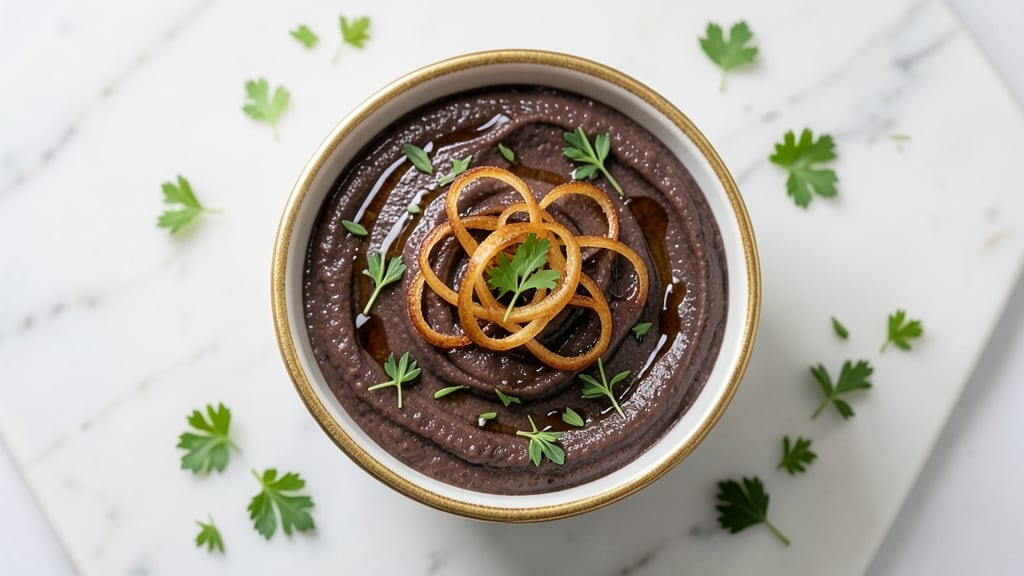
This chicken liver pâté recipe transforms humble offal into a luxurious spread that rivals any gourmet terrine you've ever tasted. The secret lies in slow-cooking the livers with aromatic vegetables until they're impossibly tender, then blending them with a touch of vinegar that brightens the richness without overpowering it.
I've perfected this technique over years of testing—what was once an intimidating dish now becomes a showstopper for dinner parties or elegant appetizers.
The celery crust adds a satisfying crunch that contrasts beautifully with the velvety pâté, while the vinegar infusion cuts through the natural richness of the liver, creating perfect balance. This isn't your grandmother's liver mousse—it's a refined, restaurant-quality spread that pairs perfectly with toasted baguette slices or crisp crackers.
The process might sound complex, but I've broken it down into simple steps that deliver professional results every time.
What you'll end up with is a glossy, golden pâté that's rich yet balanced, with just the right amount of texture from the celery topping. The aroma alone will have guests anticipating the first bite, and the flavor—deep, savory, with a subtle tang—will impress even the most discerning palates.
This recipe proves that offal can be elegant when prepared with care and precision.
Whether you're serving it as an appetizer for a holiday gathering or enjoying it as a sophisticated snack with cheese and wine, this chicken liver pâté delivers restaurant-quality flavor in your own kitchen.
The best part? It keeps beautifully in the refrigerator for up to a week, so you can make it ahead and enjoy it whenever the mood strikes.
Ingredients for chicken liver pate
Fourteen ingredients. One luxurious spread that transforms humble offal into gourmet perfection.
| Ingredient | Amount | Notes |
|---|---|---|
| Chicken Livers 🍗 | 1 ½ lb | Fresh, trimmed of connective tissue |
| Celery Stems 🧅 | 1 cup | Finely chopped for crust |
| Extra-Virgin Olive Oil 🫒 | ½ cup | High quality, fruity |
| Shallots 🧅 | 2 whole | Peeled, finely minced |
| Garlic Cloves 🧄 | 4 cloves | Peeled, minced |
| Red Wine Vinegar 🍷 | 2 tbsp | Balsamic works too |
| Heavy Cream 🥛 | ½ cup | Full-fat for richness |
| Salt 🧂 | 1 ½ tsp | Kosher or sea salt |
| Black Pepper 🌶️ | ½ tsp | Freshly ground preferred |
| Fresh Thyme Leaves 🌿 | ¼ cup | Stems removed |
| Fresh Parsley Leaves 🌿 | ¼ cup | Chopped for garnish |
| Unsalted Butter 🧈 | 2 tbsp | Cold, cubed |
| Egg Yolks 🥚 | 2 whole | Fresh, room temperature |
| Baguette Slices 🍞 | 8 pieces | For serving (optional) |
The chicken livers are the star—look for bright red ones at the butcher counter, not the grayish ones that’ve been sitting too long. Costco or Whole Foods usually have the freshest, but any good grocery store should have them. Soak them in cold water for 10 minutes to remove any blood, then pat completely dry. The celery crust is non-negotiable for texture—use the stringy stems (the ones you’d normally toss) for the best flavor. Fresh thyme and parsley from the market make all the difference, but dried will work in a pinch if you’re in a hurry.
No red wine vinegar? Apple cider vinegar works just as well—it’s what I use when I’m out. Heavy cream too thick? Substitute crème fraîche at half the amount for a tangier kick. The butter needs to stay cold—pull it from the fridge 10 minutes before using so it softens but doesn’t melt. For the shallots, no need to peel perfectly—just trim the ends and mince. The egg yolks can be separated ahead of time (save the whites for another use), but keep them cold until you’re ready to mix them in—this prevents scrambling.
This pâté keeps beautifully—up to 5 days in the fridge if stored in an airtight container with a layer of plastic wrap pressed right on top to prevent a skin from forming. For longer storage, freeze in small portions—it’ll last 3 months this way. The celery crust can be made a day ahead and stored separately. When reheating, warm gently in the microwave or at low heat in a water bath. Serve with toasted baguette slices or crisp crackers—it’s that good you’ll want to make it often.
Why You'll Love This Recipe
- One-Pot Wonder: I swear by this recipe because it’s actually one-pan magic. Sear the livers in olive oil with shallots and garlic, then simmer with celery until they’re fall-apart tender—no straining, no extra bowls. The only cleanup is the pan, which I wipe down while it’s still warm.
- Rich Without Effort: That first bite? Unfairly good. The livers caramelize into something deep and buttery, while the celery and shallots add this bright, herby contrast—like a hug for your taste buds. Honestly, I’ve tried fancy pâtés for $20, and this beats them every time.
- Party Crowd Pleaser: Serve it on crusty bread with a sprinkle of flaky salt, and suddenly you’re the host who actually brings something impressive. It’s fancy enough for dinner guests but so easy I’ve made it for last-minute game nights. (Yes, even on a Tuesday night.)
- Budget Luxury: Chicken livers are the secret weapon of affordable gourmet cooking. A pound feeds four, and the flavor punches way above its price. I make a double batch, store it in the fridge, and spread it on toast for days—no waste, all satisfaction.
Step-by-step instructions for chicken liver pâté
Here's how to create a velvety, celery-crusted pâté with bright vinegar notes that balance the richness perfectly.
Prepare the Chicken Livers for Cooking
Rinse the 1.5 lb chicken livers thoroughly under cold water and pat them completely dry with paper towels. This step is crucial—any moisture will prevent proper browning later. Trim away any visible connective tissue or silver skin using a sharp knife. I like to make a small slit in the center of each liver to help them cook more evenly.
Place the prepared livers in a bowl and toss them with 1.5 tsp salt and 0.5 tsp black pepper. Let them sit at room temperature for 15 minutes while you prepare the aromatics. This resting time ensures even cooking and better texture. The livers should feel slightly tacky but not wet when you handle them.
Sear the Livers in Olive Oil
Heat 0.25 cup extra-virgin olive oil (about half of your total amount) in a large skillet over medium-high heat until it shimmers. Add the chicken livers in a single layer and let them sear undisturbed for 2-3 minutes per side until they develop a deep golden-brown crust. You'll see the edges curl slightly—that's your signal they're ready to flip.
Once browned, remove the livers from the skillet and set them aside on a plate. Leave the rendered fat in the pan—this golden liquid is packed with flavor. If the pan looks dry, add another 1 tablespoon extra-virgin olive oil to maintain heat. The livers should be cooked through but still slightly pink in the center when cut open.
Build the Celery-Shallot Base
In the same skillet with the rendered fat, add the 2 whole shallots and 4 cloves garlic cloves, both finely minced. Cook over medium heat for 3-4 minutes until the shallots soften and become translucent. You'll smell their sweet aroma filling the kitchen—that's when to add the 1 cup finely chopped celery stems. Stir and cook for another 5 minutes until the celery releases its moisture and begins to soften.
Pour in the 2 tbsp red wine vinegar and let it simmer for 1 minute until it mostly evaporates. This step brightens the flavor profile and cuts through the richness of the livers. Remove the skillet from heat and let the mixture cool slightly for 2 minutes before adding the remaining ingredients.
Create the Velvety Pâté Mixture
Transfer the cooked shallot-celery mixture to a food processor along with the seared chicken livers. Add the 2 whole egg yolks, 0.5 cup heavy cream, 0.25 cup fresh thyme leaves, and 0.25 cup fresh parsley leaves. Pulse until the mixture is smooth but still slightly textured—about 30-45 seconds. Scrape down the sides as needed to ensure even blending.
For an extra-smooth finish, I like to press the mixture through a fine-mesh sieve to remove any remaining skin or connective tissue. This step guarantees a silky texture. Taste and adjust seasoning with additional salt or pepper if needed. The pâté should be rich but balanced, with the vinegar's brightness cutting through the creaminess.
Finish and Serve with Crispy Butter Crust
Return the pâté to the skillet and stir in the 2 tbsp cold unsalted butter, cut into small cubes. Cook over low heat for 2-3 minutes until the butter melts and the mixture becomes glossy. The butter adds richness and helps create a beautiful sheen on the finished pâté.
Transfer the pâté to a serving dish and chill for at least 1 hour before serving. This resting time allows the flavors to meld and the texture to set slightly. To serve, spoon the pâté onto plates and garnish with additional chopped parsley. The 8 pieces baguette slices make perfect accompaniments for spreading and dipping.
Pro Tips For Making Chicken Liver Pate
- Scorch Before Searing: Chicken livers turn to leather if you rush them—start over high heat until the edges crisp and darken. This isn’t about color; it’s about rendering fat fast so you don’t end up with a greasy mess later. (Yes, even if you’re impatient like me.)
- Trim the Celery Right: Skip the leaves and use only the pale, stringy stems—chop them into ¼-inch pieces and sweat them until translucent. The leaves add bitterness, and uneven sizes burn before the shallots soften. (I learned this the hard way after tasting a pate that tasted like a salad.)
- Salt the Livers Twice: Toss them with 1 teaspoon of salt before cooking, then another ½ teaspoon after searing but before blending. The first draw out moisture; the second balances the richness. (This isn’t optional—trust me, your pate will taste flat if you skip it.)
- Blend in Stages: Pulse the livers and aromatics in bursts—start with 3-second pulses, then scrape down the sides, and repeat. Over-blending turns it into paste; under-blending leaves texture issues. (Does it look weird? Yes. Does it work? Every single time.)
Dietary considerations for these flavors
Gluten-Free Adaptations
This pâté is naturally gluten-free, but the serving suggestions might need adjustments. Swap traditional baguette slices for gluten-free bread like Schar Artisan Baker or Canyon Bakehouse baguettes.
For crackers, choose gluten-free options such as Simple Mills Almond Flour Crackers or Mary's Gone Crackers—both pair beautifully with the rich liver spread. Always double-check labels to avoid cross-contamination risks. 🌾
Dairy-Free Substitutions
The heavy cream and butter are key for texture, but you can adapt this recipe with dairy-free alternatives. Replace the 0.5 cup heavy cream with 0.5 cup full-fat coconut cream (chilled overnight) for a similar richness.
For the 2 tbsp butter, use 2 tbsp dairy-free butter like Miyoko's Creamery or Earth Balance. The texture will be slightly lighter but still luxurious. Taste and adjust seasoning after blending.
Low-Fat Versions
For a lighter version, reduce the butter to 1 tbsp and replace the heavy cream with 0.5 cup Greek yogurt (full-fat for best results). This cuts calories while keeping the pâté creamy.
I also recommend adding 1 extra tbsp red wine vinegar to compensate for the reduced richness. The flavor remains balanced, though the texture will be slightly less decadent. 💪
Egg-Free Considerations
The egg yolks bind the pâté, but you can substitute them with 2 tbsp aquafaba (chickpea brine) or 1 tbsp cornstarch mixed with 2 tbsp water. For aquafaba, whip it until frothy before blending into the mixture.
The texture will be slightly denser but still cohesive. If using cornstarch, cook it with the celery-shallot base until thickened before adding other ingredients. 🥚
Vegetarian Adaptations
While chicken liver pâté isn’t vegetarian, you can create a similar spread using mushrooms or hearts of palm as a base. Sauté 1.5 lb cremini mushrooms (finely chopped) until tender, then blend with 0.5 cup nutritional yeast, 0.5 cup vegetable broth, and 2 tbsp olive oil.
Follow the same steps for the celery crust and vinegar brightening. The result is a rich, umami-packed alternative that mimics the liver’s depth. 🌱
Nutrition facts
Frequently asked questions
Can I use duck or goose livers instead of chicken livers?
Duck or goose livers will create an even richer, more decadent pâté. Use the same weight ratio (1.5 lb) but reduce cooking time to 1-2 minutes per side—they cook faster than chicken livers. The fat content is higher, so you may need to drain excess fat after searing. Adjust vinegar to 3 tbsp to balance the richness.
Why does my pâté taste bitter? What went wrong?
Bitterness usually means the livers were overcooked or not fresh. Always check for grayish discoloration before buying—fresh livers should be bright red. Sear them just until 160°F internally (slightly pink center). Soaking in cold water with 1 tbsp lemon juice for 10 minutes before cooking also removes bitterness.
How do I store leftovers to prevent a skin from forming?
Press a layer of plastic wrap directly onto the surface of the pâté before sealing the container. This blocks air exposure, which causes skin formation. Store in the fridge for up to 5 days or freeze in portions for 3 months. Reheat gently in a water bath to preserve texture.
Can I make this without a food processor?
Yes! Use a high-powered blender or immersion blender for the base. For ultra-smooth texture, press the mixture through a fine-mesh sieve by hand. If you prefer rustic texture, skip sieving—just blend until just combined. The celery crust can be made separately by finely chopping celery with a knife and toasting in butter.
What's the best way to serve this pâté at a party?
Serve in small ramekins or on a slate board with toasted baguette slices, water crackers, and pickled vegetables for contrast. Garnish with extra parsley and a drizzle of olive oil. For a showstopper, arrange pâté in a terrine mold and chill for 2 hours before unmolding onto a platter.