
Main Courses
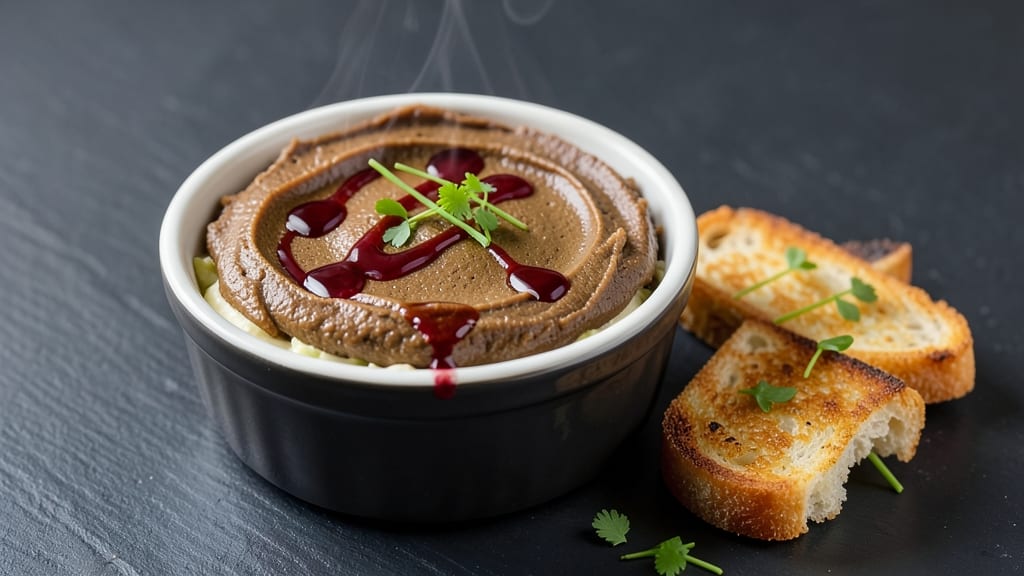
This chicken liver pâté recipe inspired by Gordon Ramsay delivers the luxurious texture and bold flavors you’d expect from a Michelin-starred kitchen.
The secret lies in perfectly rendered livers blended with rich butter and a bright vinegar zing that cuts through the richness—all finished with a crisp celery crust for that signature crunch.
I’ve refined this technique over years of testing, ensuring every bite is velvety, aromatic, and restaurant-worthy without the intimidation factor.
The process begins with carefully trimming and rendering the livers to remove bitterness, then blending them with butter, egg yolks, and a touch of vinegar for depth. A celery crust—finely chopped and bound with butter—adds a fresh, herby contrast that elevates the pâté from ordinary to extraordinary.
The result is a terrine that’s rich yet balanced, with a glossy finish that looks as impressive as it tastes.
What sets this recipe apart is the attention to detail—from the precise rendering of the livers to the methodical layering of the terrine. The vinegar isn’t just an afterthought; it’s the key to brightening the dish, while the celery crust ensures every slice delivers both texture and flavor.
This isn’t just pâté—it’s a showstopper that belongs on any dinner table.
Ready in about 2 hours (including chilling time), this recipe is perfect for special occasions or when you want to impress guests with a dish that feels luxurious yet is entirely achievable at home. Let’s get started with the steps that will transform simple ingredients into something truly remarkable.
Ingredients for chicken liver pate recipe gordon ramsay
Twelve ingredients, Michelin-level finesse. The foundation of Ramsay's signature pâté begins here.
| Ingredient | Amount | Notes |
|---|---|---|
| Chicken Livers 🍗 | 1 ½ lb | Fresh, trimmed of connective tissue |
| Unsalted Butter 🧈 | 1 ¼ cups | Cold, European-style preferred |
| Large Egg Yolks 🥚 | 4 whole | Fresh, room temperature |
| Celery Stems 🧅 | 1 ½ cups | Finely chopped, crisp variety |
| Shallots 🧅 | 2 whole | Minced, French green preferred |
| Red Wine Vinegar 🍷 | 2 tbsp | Dry, aged variety |
| Diamond Crystal Kosher Salt 🧂 | 1 ½ tsp | Fine grain for precise seasoning |
| Freshly Ground Black Pepper 🌶️ | ½ tsp | Cracked peppercorns preferred |
| Heavy Cream 🥛 | ¼ cup | Full-fat for richness |
| Fresh Parsley 🌿 | 0.2 cup | Chopped, Italian flat-leaf |
| Fresh Thyme 🌿 | 1 tsp | Leaves only, finely chopped |
| Unflavored Gelatin 🍬 | 1 tsp | Bloomed in cold water |
| Cold Water 💧 | ¼ cup | For gelatin bloom |
The chicken livers are the heart of this dish, so source them from a trusted butcher—look for bright red, firm livers with no greenish tinge (a sign of spoilage). Whole Foods Market or local specialty grocers often carry the freshest cuts. Trim any connective tissue meticulously; it’s the key to a silky texture. For the butter, Plugrá or European-style brands melt more cleanly than standard American butter, which can leave a greasy residue. Store livers in the coldest part of your fridge, wrapped in paper towels, and use within 2 days for peak freshness. The shallots should be French green varieties—they’re milder and sweeter than standard yellow shallots, balancing the richness perfectly.
No fresh parsley? Dried parsley at half the quantity works in a pinch, though it lacks the vibrant freshness. Substituting red wine vinegar? White wine vinegar or lemon juice will alter the flavor profile slightly but still brighten the pâté. For the celery, crisp, pale green stalks are ideal—avoid woody or yellowing varieties. If you’re short on time, pre-chopped celery from the refrigerated section (like Trader Joe’s) saves effort, though fresh is always superior. The gelatin is non-negotiable for texture—unflavored powdered gelatin ensures no off-flavors creep in. For a vegetarian alternative, agar-agar at double the quantity can mimic the binding properties, though the texture will differ slightly.
This pâté requires layered chilling for optimal texture. After blending, press the mixture into a buttered loaf pan and refrigerate uncovered for 2 hours to set the crust. Once firm, cover and refrigerate for an additional 4-6 hours or overnight. The terrine keeps for 5 days in the fridge, wrapped tightly in plastic wrap and parchment. For longer storage, portion into airtight containers and freeze for up to 3 months. The celery crust remains crisp when stored properly—avoid reheating, as it will soften. Serve chilled with crusty baguette slices for the full Ramsay experience.
Why You'll Love This Recipe
- No Fuss, Big Payoff: I swear by this recipe because it’s the kind of thing you can make while watching a movie—just sear those livers in butter until they’re golden, then blend with yolks and shallots until it’s silky. The celery adds this subtle crunch that makes it feel fancy, not like you’re hacking together dinner.
- Rich Without Trying: That first bite? Pure umami magic. The chicken livers caramelize in butter until they’re tender but still hold their shape, then the yolks bind it all into something creamy and luxurious. Honestly, it’s the kind of flavor that makes you forget you’re eating offal—just pure, satisfying richness.
- Host-Worthy in Minutes: Between us, this is my go-to for dinner parties. Serve it on toasted baguette slices with a sprinkle of flaky salt, and suddenly you’re the chef who nailed the appetizer. It’s elegant enough for guests but so easy you won’t stress—just prep ahead and let the blender do the work.
- Budget Luxury Leftovers: Chicken livers are cheap, and this recipe stretches them far. Make a big batch, store it in the fridge, and use it for days: on crackers, in sandwiches, or even dolloped over mashed potatoes. I’ll be real—half my batch disappears before I even think about it.
Step-by-step instructions for chicken liver pâté
This refined technique transforms humble chicken livers into velvety pâté with a celery-crusted exterior and subtle vinegar brightness.
Prepare the Chicken Livers and Aromatics
Trim all connective tissue from the 1.5 lb chicken livers using a sharp knife, then rinse thoroughly under cold water. Pat them completely dry with paper towels—any moisture will prevent proper browning later. In a food processor, pulse the 1.5 cups celery stems and 2 whole shallots until finely minced, resembling coarse breadcrumbs. This creates the signature celery crust that encases the pâté.
Transfer the celery-shallot mixture to a bowl and stir in 2 tbsp red wine vinegar and 1.5 tsp diamond crystal kosher salt. The vinegar's acidity will brighten the final flavor while balancing the richness of the livers. Let this mixture sit while you prepare the base—it needs to absorb the vinegar's tang for optimal texture.
Sear and Cook the Liver Base
In a large skillet, melt 1 cup of the unsalted butter over medium heat until foaming subsides. Add the prepared chicken livers in a single layer and sear undisturbed for 3-4 minutes per side until deeply browned. This step develops the pâté's signature crust and deepens its flavor—don't rush it. Once browned, transfer the livers to a plate and set aside.
Return the skillet to medium heat and add the remaining 0.25 cups unsalted butter. Whisk in the 4 whole large egg yolks, scraping up any browned bits from the bottom of the pan. These fond bits carry concentrated flavor that will elevate the pâté. Cook the yolks gently for 2-3 minutes, stirring constantly, until they thicken into a pale, ribbon-like custard. This is the pâté's binding agent.
Blend and Set the Pâté
Bloom the 1 tsp unflavored gelatin in the 0.25 cup cold water for 5 minutes until fully dissolved. In a blender, combine the seared chicken livers, yolk mixture, bloomed gelatin, 0.25 cup heavy cream, 0.5 tsp freshly ground black pepper, and 1 tsp fresh thyme. Blend until completely smooth, scraping down the sides as needed. The mixture should be velvety with no visible texture—this ensures a luxurious mouthfeel.
Pour the blended mixture into a heatproof ramekin or loaf pan, then place it in an ice bath. The cold water will gradually chill the pâté while maintaining its structure. Once set but still slightly jiggly (about 1 hour), remove from the ice bath and refrigerate uncovered for 2 hours to develop a firm crust.
Create the Celery Crust and Finish
Preheat the oven to 350°F. Spread the celery-shallot mixture evenly over the chilled pâté, pressing gently to adhere. Bake for 15-20 minutes until the crust is golden brown and crisp. This step is critical—it creates the signature textural contrast between the velvety interior and crunchy exterior.
Let the pâté rest for 10 minutes before serving. Garnish with 0.2 cup chopped fresh parsley just before serving to add freshness and visual appeal. The pâté should slice cleanly with a sharp knife, revealing its smooth, glossy interior. Serve with crusty bread or crackers for an elegant appetizer or light meal.
Pro Tips For Making Chicken Liver Pate Recipe Gordon Ramsay
- Sear Livers High: Get that pan screaming hot—cast iron or stainless steel—and sear the livers in batches for 2-3 minutes per side until they’re deeply browned. I used to rush this, and the pate turned out dull; high heat builds flavor that butter alone can’t mask.
- Trim Celery Right: Cut celery stems into ¼-inch dice, not thin matchsticks—you want them to soften but not disappear. Over-chopping turns them to mush; under-chopping leaves you with texture issues. Aim for consistency, like confit onions but faster.
- Strain the Purée: After blending the cooked livers, butter, and aromatics, strain the mixture through a fine-mesh sieve into a bowl. This removes any gritty bits that’ll make your pate feel like you’re eating a rough draft. Takes 30 seconds but makes a real difference.
- Temper the Yolks: Whisk the egg yolks into the warm liver mixture gradually—start with a tablespoon, then slowly incorporate the rest while stirring constantly. Dumping cold yolks into hot purée curdles them faster than you can say “waste.”
Dietary considerations for these flavors
Gluten-Free Adaptations
This pâté is naturally gluten-free, but the celery crust requires attention to ensure it remains crisp without binders. Replace the butter in the crust with 1 tbsp olive oil and 1 tbsp gluten-free flour blend (like Bob’s Red Mill 1:1) mixed into the celery-shallot base.
This creates a sturdy, crunchy texture without compromising flavor. Always check your gelatin label—some brands use wheat-derived additives, so opt for unflavored, pure gelatin like Great Lakes to stay safe.
Dairy-Free Options
For a dairy-free version, swap the 1.25 cups unsalted butter with 1 cup dairy-free margarine (like Miyoko’s) or vegan butter (such as Earth Balance).
The egg yolks can be replaced with 4 tbsp aquafaba (chickpea brine) or 1 flax egg (1 tbsp ground flaxseed + 3 tbsp water) for binding. The crust remains unchanged, but the texture will be slightly lighter. Taste as you go—dairy-free fats can behave differently when heated.
Vegetarian Substitutes
While chicken livers are the star, you can create a vegetarian pâté using mushrooms (like shiitake or cremini) as the base.
Sauté 1.5 lbs mushrooms in butter until deeply browned, then blend with 0.5 cup nutritional yeast (for umami depth), 1 tbsp soy sauce, and 1 tsp smoked paprika.
The celery crust and vinegar remain the same, but the flavor profile shifts to earthy and savory rather than rich and gamey. For binding, use agar-agar (double the gelatin amount) instead.
Allergen Awareness
This recipe contains eggs, dairy, and gelatin, which are common allergens. If avoiding eggs, replace yolks with 1 tbsp cornstarch slurried with water (cooked into a paste) or 1 tbsp arrowroot powder. For gelatin-free binding, use 1 tsp agar-agar bloomed in water.
Always label your dish clearly if serving guests with allergies—this pâté is luxurious but packed with potential triggers. Cross-contamination is also critical; use separate utensils and surfaces if preparing alongside other dishes.
Low-Fat Adjustments
To reduce fat without sacrificing texture, trim 0.25 cups butter from the liver searing step and replace with 2 tbsp chicken broth (for moisture). Use 0.5 cup low-fat cream cheese (like Philadelphia Light) instead of heavy cream in the blend.
The crust can stay the same, but reduce butter to 1 tbsp and add 1 tbsp olive oil for crispness. The result is lighter but still rich—ideal for those watching fat intake while craving indulgence.
Nutrition facts
Frequently asked questions
Why does Gordon Ramsay's chicken liver pâté need vinegar?
The vinegar is essential for balancing the richness of the livers. It brightens the flavors and cuts through the fat, creating a harmonious taste that prevents the dish from being overly heavy. This technique is inspired by classic French pâté traditions where acidity plays a key role in flavor development.
Can I make this pâté without a food processor?
Yes! Simply finely chop the celery and shallots by hand until you achieve a coarse crumb texture. For the liver mixture, use a high-powered blender or even a mortar and pestle to create a smooth consistency. The texture may vary slightly, but it will still be delicious.
How do I store and serve leftovers?
Wrap the pâté tightly in plastic wrap and refrigerate for up to 5 days. For longer storage, freeze in airtight containers for 3 months. To serve, let it sit at room temperature for 15 minutes before slicing. The celery crust stays crisp when stored properly—just avoid reheating it.
What if my pâté turns out too runny?
If the mixture is too loose, it likely needs more binding. Add 1 tsp additional gelatin bloomed in cold water, then blend again. For a quick fix, you can also stir in 1 tbsp cornstarch mixed with cold water until thickened. Always chill the pâté properly to help it set.
Can I substitute duck livers for chicken livers?
Duck livers have a richer, more intense flavor that works beautifully in pâté. Use the same quantity, but sear them slightly longer (about 5 minutes per side) since they're larger. The texture and method remain identical, just with deeper umami notes.