
Sauces & Condiments
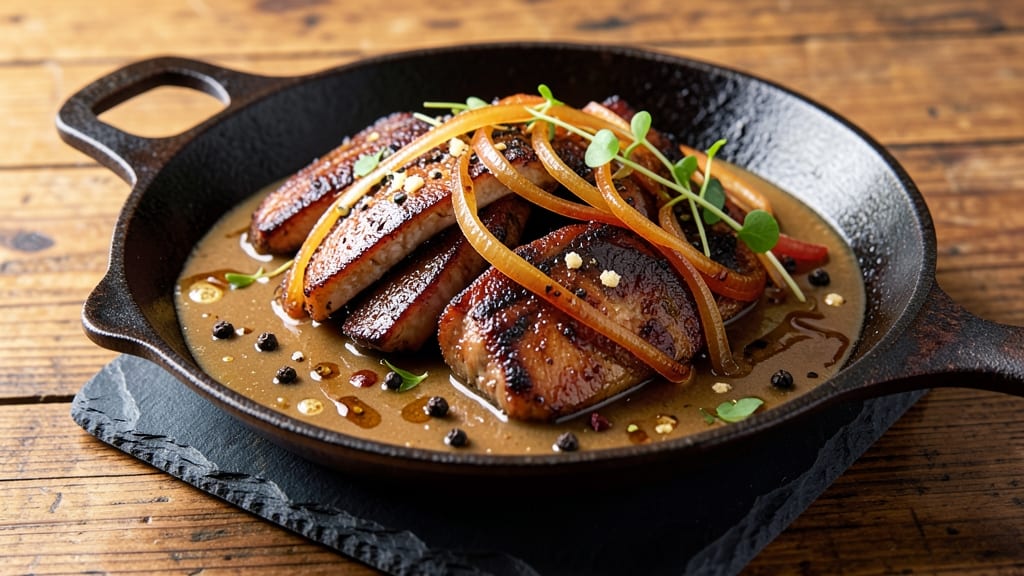
Master this chicken liver and onions with gravy recipe to turn humble leftovers into a velvety, indulgent pan sauce that elevates simple ingredients into something extraordinary. The secret lies in proper searing and deglazing, which unlocks deep, savory flavors that make every bite unforgettable.
I developed this method during my time at The Smoky Pig, where precision and flavor were everything.
This recipe delivers tender chicken livers with perfectly caramelized onions and a velvety gravy that clings to every spoonful. The key is cooking the livers just until they reach 145°F—no more, no less—to ensure they remain moist and rich.
Deglazing the pan with broth captures all those flavorful browned bits, forming the base for a gravy that’s both elegant and deeply satisfying.
The result is a dish that feels like a restaurant-quality meal, ready in about 20 minutes of active prep time. Serve it over toasted bread to soak up every last drop of that luxurious pan sauce, or pair it with roasted potatoes for a complete meal.
This is the kind of dish that makes good use of leftovers while delivering restaurant-worthy results.
For those looking to elevate their technique, consider a quick sear in a cast-iron skillet or even an air-fryer for a modern twist. The method remains the same—focus on timing and flavor extraction—and the outcome will always be impressive. Let’s get started on this timeless classic.
Ingredients for chicken liver and onions with gravy
Precision-crafted ingredients transform humble chicken livers into a restaurant-worthy pan sauce masterpiece.
| Ingredient | Amount | Notes |
|---|---|---|
| Chicken Livers 🍗 | 1 lb | Fresh, trimmed of connective tissue |
| Yellow Onions 🧅 | 1 whole | Thinly sliced for caramelization |
| Unsalted Butter 🧈 | ½ cup | Cold, cubed for searing |
| Chicken Broth 💧 | 1 cup | Homemade or high-quality store-bought |
| Dry Sherry 🍷 | ¼ cup | Substitute with white wine if unavailable |
| Diamond Crystal Kosher Salt 🧂 | 1 tsp | For seasoning and finishing |
| Freshly Ground Black Pepper 🌶️ | ½ tsp | Cracked peppercorns preferred |
| All-Purpose Flour 🌾 | 1 tbsp | For gravy thickening |
| Fresh Thyme Leaves 🌿 | ¼ tsp | Dried thyme at one-third amount |
| Fresh Parsley 🌿 | ¼ cup | Chopped, for garnish |
| Heavy Cream 🥛 | ¼ cup | Full-fat for richness |
| Sourdough Bread 🍞 | 8 slices | For serving, lightly toasted |
The quality of chicken livers is non-negotiable—freshness and proper trimming ensure a tender result. Purchase from a reputable butcher or high-end grocery section like Whole Foods or Eataly, where you can verify the livers are bright red and free of yellowing or bruising. Trim away any connective tissue and silver skin meticulously; this step prevents bitterness and ensures a silky texture. For onions, Yellow Sweet onions caramelize most beautifully, though Vidalia or red onions work well in a pinch. The butter should be European-style if possible—its lower water content yields superior browning and flavor extraction during searing.
Substitutions must preserve the dish's fundamental balance. If dry sherry is unavailable, white wine or brandy work equally well, though sherry's nutty depth remains ideal. For a vegetarian adaptation, mushroom duxelles or hearts of palm can replace livers, though texture will differ. The chicken broth should be homemade with roasted vegetable bases for maximum depth, but Swanson or Pacific Foods brands suffice in a bind. Fresh thyme is preferable, but dried thyme at one-third the quantity maintains the aromatic profile. When thickening the gravy, cornstarch slurry can replace flour for a gluten-free option, though the sauce will have a slightly different mouthfeel.
Proper storage extends this dish's luxurious qualities. Leftover livers should be refrigerated in an airtight container for up to 2 days, though they're best consumed immediately for peak tenderness. The gravy reheats beautifully—simply warm over medium heat, stirring constantly to prevent lumps. For longer storage, freeze the gravy in ice cube trays for easy portioning; it maintains quality for 3 months. The sourdough bread for serving should be stored in a paper bag at room temperature to prevent staling, and toasted fresh when ready to serve to maximize its ability to absorb the velvety sauce.
Why You'll Love This Recipe
- One-Pan Magic: I swear by this recipe when I’m too tired to dirty more than one pan. Sear the livers and onions in butter, deglaze with sherry, then simmer in broth—all while you pull together mashed potatoes or toast bread. The onions caramelize right in the same skillet, so no extra chopping or cleanup.
- Rich Umami Bomb: That first sip of gravy—savory, slightly sweet from the onions, with a deep richness from the sherry—is why I keep coming back. The livers stay juicy and tender, not rubbery, and the butter makes everything taste like a hug. Honestly, it’s the kind of dish that makes you go, “Wait, this is just liver?”
- Weeknight to Weekend: I make this for lazy Tuesday dinners, but it’s also my go-to for brunch with friends or a fancy-ish supper when company drops by. Serve it with crusty bread for a rustic spread or over toast for a quick breakfast. The gravy thickens beautifully, so it works just as well cold in sandwiches the next day.
- Budget-Friendly Luxury: Chicken livers are cheap, but they feel special—like you’re treating yourself without breaking the bank. A pound feeds four, and leftovers reheat perfectly for lunch or a late-night snack. Between us, this is my way to enjoy restaurant-quality flavor without the price tag. Plus, the sherry adds depth without needing fancy ingredients.
Step-by-step instructions for chicken liver and onions with gravy
This method transforms simple ingredients into a luxurious dish with velvety gravy and perfectly cooked livers.
Prepare and Sear the Chicken Livers
Pat the 1 lb chicken livers completely dry with paper towels—this ensures a proper sear. Trim any visible connective tissue or membranes, as these can make the livers tough. Season generously with the 1 tsp diamond crystal kosher salt and 0.5 tsp freshly ground black pepper on all sides.
Heat 0.25 cup of the 0.5 cup unsalted butter in a large skillet over medium-high heat until the butter foams but doesn't brown. Add the chicken livers in a single layer, leaving space between each piece. Sear undisturbed for 2-3 minutes until the bottoms develop a deep golden-brown crust. Flip carefully and cook for another 2 minutes on the second side. The livers should be cooked through but still slightly pink in the center—overcooking will make them rubbery.
Caramelize the Onions and Deglaze
Remove the chicken livers from the skillet and set aside. Reduce the heat to medium and add the remaining 0.25 cup unsalted butter to the skillet. Add the thinly sliced 1 whole yellow onions and cook slowly, stirring occasionally, for 15-20 minutes until deeply golden brown and caramelized. This step is crucial—don't rush it, or the onions will burn rather than caramelize.
Once the onions are caramelized, pour in the 0.25 cup dry sherry and scrape up any browned bits from the bottom of the pan with a wooden spoon. Let the sherry simmer for 2-3 minutes until it reduces by half and the alcohol flavor cooks off. This deglazing step captures all the rich flavors that would otherwise be lost.
Build the Gravy
Sprinkle the 1 tbsp all-purpose flour evenly over the onions and sherry mixture. Stir constantly for 1-2 minutes until the flour is fully incorporated and the mixture thickens slightly. This creates a roux that will help thicken the gravy. Gradually whisk in the 1 cup chicken broth, ensuring no lumps form. Add the 0.25 tsp fresh thyme leaves and stir to combine.
Return the seared chicken livers to the skillet and simmer gently for 3-4 minutes, allowing the livers to absorb the flavors of the gravy. The sauce should coat the back of a spoon but remain silky rather than gluey. If it thickens too much, whisk in 1-2 tablespoons of water to adjust the consistency. Taste and season with additional salt and pepper if needed.
Finish with Cream and Garnish
Reduce the heat to low and stir in the 0.25 cup heavy cream. Let the gravy simmer gently for another 2-3 minutes, stirring occasionally, until it reaches a velvety consistency. The cream will add richness and smooth out the texture. Remove the skillet from heat and let it rest for 2 minutes to allow the flavors to meld.
Garnish with the 0.25 cup chopped fresh parsley just before serving. The parsley not only adds freshness but also provides a visual contrast to the deep golden gravy. Serve the chicken livers and onions immediately over the 8 lightly toasted slices of sourdough bread, ensuring each portion gets a generous ladle of the rich gravy.
Pro Tips For Making Chicken Liver And Onions With Gravy
- Sear Livers Fast: Chicken livers cook in a flash—too fast if you’re not careful. Hit them over high heat for 30 seconds per side max, or they’ll turn rubbery before they brown. I learned this the hard way after serving a plate of gray, overcooked livers that tasted like regret.
- Trim the Fat, Not the Flavor: Chicken livers come with a thin layer of fat—don’t strip it all off. Use a paper towel to blot excess moisture, but leave the fat intact; it renders into the pan and adds richness to the gravy. (Yes, even if it looks messy.)
- Deglaze with Sherry Early: Pour in that dry sherry before the onions soften—it’s the best way to build depth. The alcohol burns off quickly, leaving behind a toasty aroma that cuts through the richness. Skip this, and your gravy will taste flat, like it’s missing something.
- Simmer Gravy Low and Long: After adding chicken broth, resist the urge to rush. Let the gravy bubble gently for at least 10 minutes—this breaks down the onions and livers into a silky texture. I used to walk away after 5, only to end up with a thin, sad sauce that clung to the plate instead of coating it.
Wine and beer pairings for this chicken liver and onions with gravy
Classic Sherry Pairing
For this dish, I always reach for a dry Spanish amontillado sherry—the same one used in the recipe. The nutty, slightly oxidative notes mirror the caramelized onions and deepen the gravy's complexity.
A glass of González Byass 1985 from Jerez complements the dish beautifully, its aged character standing up to the richness without overpowering. 🍷
Crisp White Wine
If you prefer wine, a dry, mineral-driven white like Albariño from Rías Baixas offers bright acidity that cuts through the buttery gravy. The citrus and saline notes refresh your palate between each luxurious bite.
I also love a Chardonnay from Burgundy with subtle oak—its complexity echoes the dish's depth while maintaining elegance.
Malty Amber Ale
Beer lovers should opt for a Belgian-style amber ale with its malty sweetness and spicy notes. Rodenu Triple from Belgium brings caramel and caramelized onion flavors to the table, enhancing the dish's richness.
For a lighter option, try a German Märzen—its toasty malt profile pairs wonderfully with the gravy's depth.
Port Wine Finisher
For an unexpected twist, finish your meal with a small glass of tawny Port—its nutty, caramelized profile mirrors the dish's flavors. A 10-year-old Graham's Six Grapes adds a sophisticated, slightly sweet contrast that complements the savory livers and onions.
This pairing feels indulgent yet balanced, making it perfect for special occasions. ✨
Non-Alcoholic Option
Don't overlook non-alcoholic choices! A sparkling apple cider like Martinelli's Brut offers crisp acidity and subtle sweetness that cleanses the palate. For something more robust, try a ginger beer—its spicy kick cuts through the richness while adding a refreshing contrast to the dish's depth.
Pairing Pro Tips
Serve wine or beer slightly chilled—around 50-55°F—to enhance their aromas and flavors. For sherry or Port, room temperature is ideal. And remember, the best pairing is one you enjoy!
If you love bold flavors, lean into richer options; if you prefer brightness, stick with crisp whites or sparkling options. 💡
Nutrition facts
Frequently asked questions
Why do chicken livers need to be trimmed before cooking?
Trimming removes connective tissue and silver skin, which can make the livers tough and bitter. These membranes don't break down during cooking, so removing them ensures a silky texture. Look for any white or yellowish bits—those are the ones to discard.
Can I use frozen chicken livers for this recipe?
Fresh is ideal, but frozen livers work if thawed properly. Place them in the fridge overnight and pat completely dry before cooking. The extra moisture from thawing can cause splattering, so use medium heat and avoid overcrowding the pan.
How do I fix rubbery chicken livers?
Overcooking is the usual culprit. Livers should reach 145°F internally—any hotter and they'll turn tough. If they're already rubbery, try slicing them thinly and serving with extra gravy to mask the texture. For next time, use a meat thermometer to check doneness.
What's the best way to caramelize onions for this dish?
Low and slow is key—cook them on medium heat for 15-20 minutes until deep golden brown. Stir occasionally and resist the urge to rush. The goal is to develop sweetness and depth, not just color. If they start browning too quickly, reduce the heat immediately.
Can I make this recipe ahead of time?
Yes, but with adjustments. Cook the livers and onions fully, then refrigerate the components separately. Reheat the gravy gently and add the livers just before serving to maintain tenderness. The gravy reheats beautifully—simmer it on low heat and whisk constantly to prevent lumps.