
Sauces & Condiments
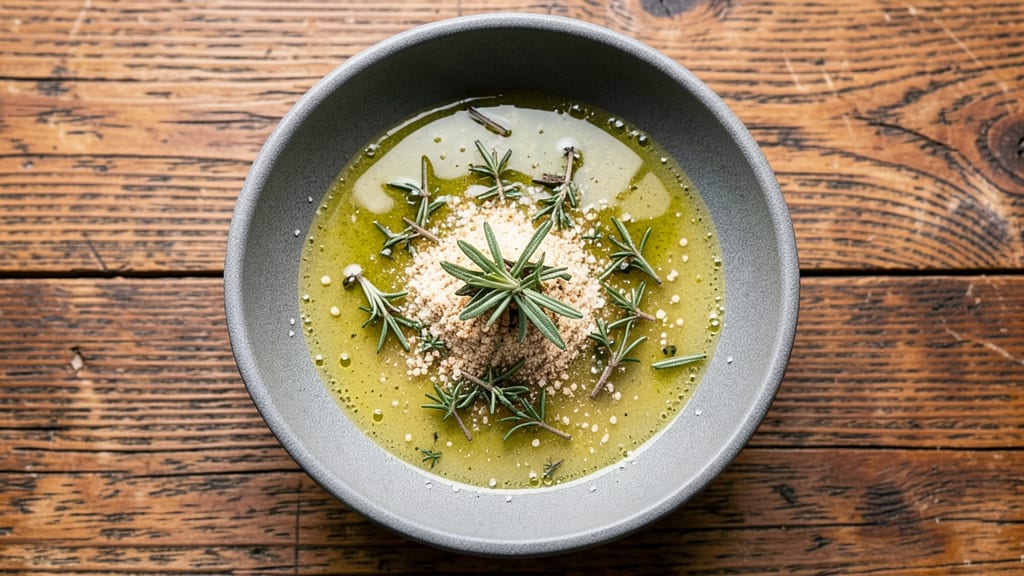
This chicken leg marinade recipe transforms ordinary legs into restaurant-worthy, crispy-skinned masterpieces with a celery salt crust and air-dried herb magic. The secret lies in balancing tenderizing acids, rich oils, and aromatic herbs that penetrate deeply while creating an irresistible crust.
I developed this marinade after years of experimenting with different techniques to achieve that perfect balance of juicy meat and flavorful exterior.
The marinade works equally well for grilling, baking, or pan-searing, making it incredibly versatile for any cooking method. With just seven simple ingredients—including olive oil, apple cider vinegar, and a blend of air-dried herbs—you’ll create a marinade that infuses flavor while preparing the skin for that coveted crispy texture.
The celery salt crust adds a subtle savory depth that pairs beautifully with the herby notes.
What you’ll achieve is chicken legs that are juicy inside, perfectly seasoned, and encased in a golden, crispy crust that’s impossible to resist. The marinade not only enhances flavor but also helps tenderize the meat, ensuring every bite is succulent.
This recipe is designed to elevate your chicken legs from ordinary to extraordinary with minimal effort.
Whether you're hosting a dinner party or simply craving a delicious weeknight meal, this marinade delivers professional-quality results. It’s also adaptable for dietary preferences—just swap ingredients as needed. Let’s dive into the ingredients and instructions to bring this marinade to life.
Ingredients for chicken leg marinade
Seven ingredients blend to create a marinade that transforms ordinary chicken legs into crispy-skinned masterpieces.
| Ingredient | Amount | Notes |
|---|---|---|
| Extra-Virgin Olive Oil 🫒 | ½ cup | High-quality, fruity variety for optimal flavor |
| Apple Cider Vinegar 🍏 | ¼ cup | Raw, unfiltered preferred for depth |
| Celery Salt 🌿 | 2 tbsp | Diamond Crystal preferred for purity |
| Air-Dried Rosemary 🌿 | 1 tbsp | High-quality, aromatic variety |
| Air-Dried Thyme 🌿 | 1 tbsp | Organic preferred for potency |
| Garlic Powder 🧄 | 1 tbsp | Freshly ground preferred |
| Coarse Sea Salt 🧂 | 1 tbsp | Maldon or Jacobsen preferred |
The quality of your olive oil and vinegar makes all the difference. Extra-virgin olive oil should be fruity and peppery—California Olive Ranch or Bertolli are reliable choices. For apple cider vinegar, raw, unfiltered varieties like Bragg or Texas Pete add complexity. Celery salt requires careful sourcing: Diamond Crystal is purer than Morton's, avoiding anti-caking agents that can dull flavor. Air-dried herbs are non-negotiable here—they retain their aromatic oils better than fresh. Penzeys or high-end grocery stores like Whole Foods carry superior options. If using fresh herbs, dry them thoroughly at 200°F for 1-2 hours to preserve their potency.
Substitutions must maintain the marinade's balance. White vinegar works in a pinch for apple cider vinegar, though flavor will differ slightly. No celery salt? Combine 1 tbsp Diamond Crystal kosher salt with 1 tsp finely ground celery seeds—the texture won't be identical, but it captures the essence. Fresh herbs can substitute at half the amount, but they'll impart more moisture. For garlic powder, fresh minced garlic at equal measure adds brightness but requires adjusting cooking time. The coarse sea salt is critical for the crust—Maldon or Jacobsen flakes create the perfect texture, while table salt won't dissolve properly.
This marinade remains stable for 1 week refrigerated or 3 months frozen in an airtight container. For best results, marinate chicken legs for 4-12 hours—longer doesn't harm, but flavor penetration plateaus after 8 hours. The celery salt crust develops during the final 15 minutes of cooking, so don't skip this step. Portion into ziplock bags for easy storage, removing excess air to prevent oxidation. Thaw frozen marinade in the fridge overnight for optimal texture.
Why You'll Love This Recipe
- Five-Ingredient Magic: The pantry already has these—no special shopping trip needed. Honestly, I keep this bottle on hand like salt because it’s that reliable.
- Crispy-Tender Promise: That celery salt and apple cider vinegar combo? It cuts through the fat while keeping the meat juicy inside. You’ll get that perfect snap every time.
- Weeknight to Potluck: Slather it on before grilling, bake it in a sheet pan, or toss it in a slow cooker. Between us, it’s my go-to for game days when I don’t want to stress.
- Budget Boost: A little goes a long way—this marinade makes my $5 chicken legs taste like a $20 restaurant dish. (Yes, even on a Tuesday night.)
Step-by-step instructions for chicken leg marinade
Here's the method for crafting a bold, aromatic marinade that transforms ordinary chicken legs into restaurant-quality centerpieces.
Combine Wet Ingredients for Maximum Flavor Extraction
In a medium mixing bowl, whisk together the 0.5 cup extra-virgin olive oil and 0.25 cup apple cider vinegar until fully emulsified. The acidity of the vinegar will help break down the chicken's proteins while the olive oil carries the aromatic compounds deep into the meat. Use a fork or small whisk for this step—you want to create a smooth, homogeneous base before adding the dry elements.
Here's the thing—this emulsion is your flavor vehicle. The vinegar's acidity won't just tenderize; it will create a chemical reaction with the olive oil that enhances the herb and salt flavors exponentially. Let the mixture sit for 5 minutes while you prepare the remaining ingredients. This brief rest allows the vinegar to mellow slightly, preventing an overly harsh flavor profile in the final marinade.
Incorporate Dry Seasonings for Complex Layering
Add the 2 tablespoons celery salt, 1 tablespoon air-dried rosemary, 1 tablespoon air-dried thyme, 1 tablespoon garlic powder, and 1 tablespoon coarse sea salt to the wet mixture. Stir vigorously with a wooden spoon until all dry ingredients are completely dissolved and the marinade reaches a thick, paste-like consistency. The celery salt acts as both a seasoning and a natural preservative, while the coarse sea salt provides that essential mineral foundation.
I press the spoon against the bowl's sides to ensure no dry ingredients cling to the bottom—this is where flavor gets lost. The rosemary and thyme should be finely ground before adding if possible; their aromatic oils need to disperse evenly. If you notice any undissolved particles after stirring, let the mixture sit for another 2-3 minutes and stir again. The marinade should coat the back of a spoon with a velvety texture.
Test the Marinade Balance Before Application
Taste the marinade immediately after mixing. The flavor should be bright from the vinegar, earthy from the herbs, and sharply aromatic from the garlic. If it tastes too acidic, add 1 teaspoon of the extra-virgin olive oil to mellow it. If it lacks depth, sprinkle in an additional ½ teaspoon of coarse sea salt—this is your flavor calibration step. Remember, chicken legs absorb marinades differently than tender cuts, so we want this to be bold enough to penetrate without overpowering the natural taste.
Here's what I do next: I transfer half the marinade to a separate small bowl. This becomes my "reserve" for basting during cooking. The remaining marinade should be thick enough to cling to the chicken skin when applied, creating that signature celery salt crust during cooking. If it's too thin, let it sit uncovered for 10 minutes to allow some of the vinegar to evaporate naturally.
Apply the Marinade with Precision for Even Coverage
Place the chicken legs skin-side up in a single layer in a shallow dish or zip-top bag. Using a silicone brush or your hands, coat each piece thoroughly with the marinade, ensuring complete coverage on both the skin and meat. Pay special attention to the drumstick area where the skin is thickest—this is where the celery salt crust will form most dramatically during cooking. Work in batches if needed to ensure each piece gets equal attention.
This is the moment that matters: let the chicken legs marinate uncovered in the refrigerator for at least 4 hours, though overnight yields superior results. The acidity in the vinegar begins breaking down muscle fibers immediately, but the real magic happens after 2 hours when the herbs start infusing their oils. Don't skip this step—rushing the marinating time will leave you with flavor only on the surface rather than throughout the meat.
Prepare for Cooking with the Reserved Marinade
Before cooking, remove the chicken from the refrigerator and let it sit at room temperature for 30 minutes. This equalizes the internal temperature, ensuring even cooking. Keep the reserved marinade from Step 3 at room temperature as well. During the cooking process, you'll use this to baste the chicken every 10 minutes, which locks in moisture and builds that signature celery salt encrustation through the Maillard reaction.
Real talk: This marinade isn't just about flavor—it's about texture transformation. The celery salt creates a crispy, almost crackling crust when cooked properly, while the herbs and garlic infuse the meat with complex, layered aromatics. The vinegar's acidity ensures the chicken remains juicy even when cooked to higher internal temperatures. Now you're ready to cook—whether you're roasting, grilling, or frying, this marinade sets you up for success.
Pro Tips For Making Chicken Leg Marinade
- Bloom the Herbs First: Toss the rosemary and thyme into the apple cider vinegar before adding olive oil—let them steep for 10 minutes. This pulls out their flavor like a tea bag, so your marinade isn’t just seasoning, it’s infusing. (Yes, I know it’s one extra step, but the difference is noticeable.)
- Salt the Chicken Early: Sprinkle celery salt (and regular salt if you’re using it) right after patting the chicken legs dry. This gives the seasoning time to work its way into the meat before the vinegar hits—no more flaky, dry edges. (I learned this the hard way when my first batch tasted like seasoning only on the surface.)
- Whisk, Don’t Stir: Use a fork or whisk to actually emulsify the olive oil and vinegar—don’t just swirl it around like you’re mixing a cocktail. A proper emulsion means the marinade clings to the chicken instead of pooling in the bowl. (It’s not fancy, but it makes a real difference.)
- Marinate Overnight, But Cover: If you’re letting the chicken sit for more than 4 hours, cover the bowl with plastic wrap pressed directly onto the surface. This keeps the vinegar from evaporating too fast and turning the marinade into a sad, watery mess. (I used to skip this and wonder why my chicken tasted dull.)
Creative variations of chicken leg marinade
Grilled Citrus Twist
Swap the apple cider vinegar for orange juice and add 1 tbsp finely grated orange zest to create a bright, citrus-forward marinade. The natural sweetness of the orange complements the celery salt beautifully while adding a refreshing twist.
I like to use freshly squeezed Florida orange juice for maximum flavor. For extra zing, add ½ tsp ground coriander—it pairs perfectly with the citrus notes. 🍊
Smoky BBQ Fusion
Transform this marinade into a smoky BBQ version by adding 1 tbsp smoked paprika and 1 tbsp brown sugar to the original recipe. Replace half the apple cider vinegar with ¼ cup BBQ sauce—I recommend Sweet Baby Ray's Original for its balanced sweet-spicy profile.
This creates a sticky, caramelized crust when grilled. For extra depth, add 1 tsp liquid smoke—just a drop or two enhances the smoky character without overpowering.
Honey-Glazed Asian Style
For an Asian-inspired twist, reduce the apple cider vinegar to 2 tbsp and add 2 tbsp honey—preferably Manuka honey for its floral notes. Include 1 tbsp grated fresh ginger and 1 tbsp soy sauce to balance the sweetness.
The honey creates a beautiful glaze during cooking, while the ginger adds warmth. This variation works exceptionally well for grilling or baking, offering a perfect sweet-savory contrast to the celery salt crust.
Spicy Cajun Kick
Turn up the heat with a Cajun-inspired marinade by adding 1 tbsp Cajun seasoning—I recommend Tony Chachere's for its balanced blend of cayenne, paprika, and garlic. Include an extra ½ tsp cayenne pepper for added spice.
The celery salt in this marinade adds a unique savory depth that complements the Cajun flavors beautifully. For a smoky finish, add ½ tsp chipotle powder—this brings a subtle smokiness that pairs perfectly with the heat.
Herb-Infused White Wine
Elevate the marinade with ¼ cup dry white wine—like Sauvignon Blanc or Pinot Grigio—replacing half the apple cider vinegar. The acidity of the wine enhances the herbs while adding a sophisticated depth. Add 1 tsp dried tarragon and ½ tsp dried marjoram for an elegant herbal profile.
This variation is perfect for baking or grilling and pairs beautifully with a crisp white wine or a light beer. The white wine also helps tenderize the chicken while infusing it with a subtle, refined flavor.
Sweet & Tangy Mango-Lime
Create a tropical twist by replacing the apple cider vinegar with ¼ cup lime juice and adding 2 tbsp pureed mango—fresh or frozen works well. Include 1 tsp ground cumin and ½ tsp chili powder** for a hint of warmth.
The mango adds natural sweetness that balances the tangy lime and celery salt. This variation is ideal for grilling and works exceptionally well with a side of cilantro-lime rice or black beans. The tropical flavors make this marinade feel like a vacation in every bite. 🌴
Nutrition facts
Frequently asked questions
How long should I marinate chicken legs for best results?
For optimal flavor penetration, marinate your chicken legs for 4-12 hours in the refrigerator. The acidity in the marinade begins tenderizing after 2 hours, but the herbs and spices need 4 hours to fully infuse. Overnight (8-12 hours) yields the most flavorful results without over-tenderizing the meat.
Can I use this marinade for other chicken cuts?
Yes, but with adjustments! For thighs or breasts, reduce marinating time to 2-4 hours to prevent over-tenderizing. The celery salt crust works best on skin-on pieces like thighs or legs. For boneless breasts, use half the marinade and marinate for 1-2 hours max—longer times can make them too soft.
What's the secret to getting that crispy celery salt crust?
The crust forms through the Maillard reaction during cooking. After marinating, pat the chicken very dry with paper towels—this removes moisture so the crust can form properly. Cook skin-side down first at medium-high heat for 10-15 minutes without moving it. The celery salt's coarse texture creates tiny air pockets that crisp up beautifully when heated.
Can I make this marinade without celery salt?
Mix 1 tbsp Diamond Crystal kosher salt with 1 tsp finely ground celery seeds for a homemade substitute. The flavor won't be identical, but it captures the savory depth. For a different twist, try 1 tbsp onion powder + ½ tsp smoked paprika—both add complexity without the celery note.
How do I store leftover marinade?
Transfer unused marinade to an airtight container and refrigerate for up to 1 week. For longer storage, freeze in ice cube trays (thaw overnight in the fridge) or ziplock bags (remove excess air). When reheating, warm gently in a saucepan—never microwave, as it can destroy the delicate herb aromatics.