
Sauces & Condiments
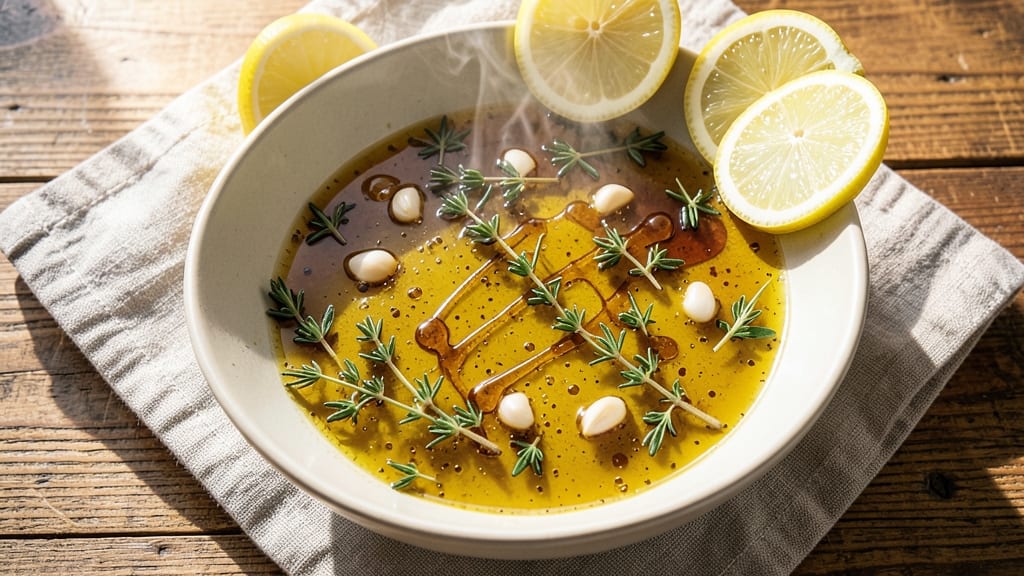
Transforming gamey chicken hearts into tender, umami-rich bites starts with this chicken heart marinade recipe—a carefully balanced blend of acid, oil, and aromatic spices that breaks down tough fibers while infusing deep, savory flavor.
The secret lies in the marriage of citrus brightness and earthy herbs, which not only tenderize but create a complex profile that elevates even the most challenging cuts.
This marinade works its magic in just 4 hours, though overnight results are even better for maximum penetration.
I designed it to be simple yet powerful—no fancy ingredients, just high-impact components like soy sauce for umami depth, garlic for aromatic punch, and a touch of honey to balance the acidity. The result? Chicken hearts that develop a velvety texture and restaurant-quality taste without hours of soaking.
What makes this marinade truly professional is its versatility—use it for grilling, pan-searing, or even slow-cooking, and the flavors will carry through every cooking method. The acidity in the marinade also helps prevent bitterness, ensuring each bite is rich and satisfying rather than overpowering.
Store leftovers in the fridge for up to 5 days, making it perfect for meal prep or batch cooking.
Once you try this marinade, you’ll never cook chicken hearts the same way again. The transformation is dramatic, turning what can be a polarizing ingredient into something irresistibly tender and flavorful. Let’s get started on the perfect balance of acid, oil, and seasoning that will change your game-day meals forever.
Ingredients for chicken heart marinade
Nine simple ingredients unlock restaurant-quality flavor in tough chicken hearts.
| Ingredient | Amount | Notes |
|---|---|---|
| Extra-Virgin Olive Oil 🫒 | ½ cup | High-quality, fruity variety |
| Soy Sauce 🍶 | ¼ cup | Low-sodium preferred for balance |
| Fresh Lemon Juice 🍋 | ¼ cup | Freshly squeezed, no pulp |
| Honey 🍯 | 2 tbsp | Wildflower or clover preferred |
| Garlic Cloves 🧄 | 6 cloves | Freshly minced, aromatic |
| Fresh Thyme Leaves 🌿 | 1 tbsp | Or 1 tsp dried thyme |
| Fresh Rosemary 🌿 | 1 tbsp | Finely chopped, pine-fresh |
| Diamond Crystal Kosher Salt 🧂 | 1 ½ tsp | Fine grain for even dissolving |
| Black Peppercorns 🌶️ | 1 tsp | Freshly cracked, coarse grind |
| Smoked Paprika 🌶️ | 1 tsp | For subtle smoky depth |
The olive oil is the base—look for extra-virgin with a fruity, peppery finish at stores like Whole Foods or Trader Joe's. Soy sauce brings the umami punch, but low-sodium versions prevent overpowering saltiness. Fresh lemon juice is non-negotiable; bottled versions lack the bright acidity. For honey, local wildflower adds subtle floral notes, but any liquid honey works. The garlic should be freshly minced—pre-minced loses its punch fast. Thyme and rosemary are your earthy anchors; buy sprigs and strip leaves for maximum flavor. If you're short on fresh herbs, dried works at one-third the amount, but nothing beats the fresh stuff.
No soy sauce? Coconut aminos or even a splash of Worcestershire sauce works in a pinch. Short on lemon? Lime juice or apple cider vinegar both add acidity, though lime leans more tart. The honey can be swapped for maple syrup or agave, though it'll change the flavor slightly. Smoked paprika hard to find? Regular paprika plus a pinch of liquid smoke mimics the effect. For extra umami, add 1 tbsp fish sauce (trust me, it blends in). The marinade keeps its potency for 5 days in the fridge, so make extra—it's perfect for game-day wings or slow-cooked heart dishes.
This marinade doubles as a dipping sauce—just reduce it by half on the stove for a glossy glaze. Store leftovers in a glass jar with a tight seal, submerged in the marinade to prevent oxidation. Keeps 5 days in the fridge or 3 months frozen. For best results, let the chicken hearts soak for at least 4 hours, but overnight transforms even the toughest cuts into tender bites. The acidity also helps break down any bitterness, so don't skip the lemon or vinegar substitutes.
Why You'll Love This Recipe
- Pantry Magic: I swear by this marinade—no fancy ingredients, just what’s already lurking in my cupboard. The olive oil and soy sauce base cuts through the richness of chicken hearts while the honey adds that sticky, caramelized sweetness that makes every bite unforgettable.
- Umami Bomb: That garlic-soy-lemon combo? It’s the kind of flavor that lingers. The lemon brightens the richness, the garlic adds depth, and the honey ties it all together with a touch of warmth—like a hug for your taste buds.
- Weeknight Hero: Between us, I’ve used this marinade for everything from quick stir-fries to slow-cooked stews. It’s my go-to when I’m too tired to think but still want something that tastes like I tried. (Spoiler: It does.)
- Budget Win: Chicken hearts are a steal, and this marinade stretches them even further. A little goes a long way, so I make a big batch, marinate extra, and freeze it—meaning I’m always ready for a cheap, protein-packed meal without the grocery shock.
Step-by-step instructions for chicken heart marinade
This marinade transforms tough, gamey chicken hearts into tender, flavorful bites.
Combine the Wet Ingredients
In a medium bowl, whisk together the 0.5 cup extra-virgin olive oil, 0.25 cup soy sauce, and 0.25 cup fresh lemon juice. The acidity from the lemon juice will begin breaking down the proteins in the chicken hearts, while the soy sauce adds that essential umami depth. Stir until fully emulsified—this ensures all ingredients blend smoothly.
Next, add the 2 tbsp honey and mix well. The honey not only balances the acidity but also helps tenderize the meat through its natural enzymes. Here's the thing—don't rush this step. Let the mixture sit for 5 minutes while you prepare the aromatics. This gives the soy sauce and lemon juice time to start working their magic on the oil.
Incorporate Aromatics and Herbs
In a small bowl, finely mince the 6 cloves garlic using a chef's knife or garlic press. I like to press the garlic directly into the marinade to avoid any clumps—this ensures even distribution of flavor. Add the minced garlic to the wet mixture and stir.
Next, add the 1 tbsp fresh thyme leaves and 1 tbsp fresh rosemary, finely chopped. These herbs bring a bright, piney freshness that cuts through the richness of the olive oil and soy sauce. Give everything another good stir, making sure the herbs are fully dispersed. The rosemary should be chopped small enough to release its oils but not so fine that it turns to mush—you want visible flecks of green in the marinade.
Season and Adjust
In a separate small bowl, combine the 1.5 tsp diamond crystal kosher salt, 1 tsp black peppercorns (freshly cracked), and 1 tsp smoked paprika. The salt will enhance all the flavors, the peppercorns add a subtle heat, and the smoked paprika brings that deep, earthy smokiness that pairs perfectly with chicken hearts.
Pour the spice mixture into the marinade and whisk vigorously to fully incorporate. Taste a small amount—this is your quality check. You should detect bright lemon, rich umami from the soy sauce, a touch of sweetness from the honey, and a hint of smokiness. If it needs more acidity, add a splash of fresh lemon juice. If it's too strong, a drizzle of olive oil will mellow it out. This marinade should be bold but balanced.
Marinate the Chicken Hearts
Place the cleaned and trimmed chicken hearts in a resealable plastic bag or shallow dish. Pour the marinade over the hearts, ensuring they're fully coated. Here's the critical part: let them marinate for at least 4 hours, but ideally overnight in the refrigerator. The longer they sit, the more tender they become. I've found that overnight marinating transforms even the toughest hearts into melt-in-your-mouth bites.
When ready to cook, remove the hearts from the marinade and pat them dry with paper towels. This step is crucial—it prevents the marinade from steaming the hearts instead of searing them. Reserve the leftover marinade for basting during cooking or as a dipping sauce. The marinade's depth of flavor will elevate any cooking method—grilling, pan-searing, or even roasting.
Pro Tips For Making Chicken Heart Marinade
- Pound the Garlic First: Mince the garlic cloves into a paste with a pinch of salt before adding it to the marinade—this breaks down the fibers faster and lets the flavor meld smoother. I used to just chop it, and the garlic always tasted like it was hiding in the background.
- Balance the Honey: Start with half the honey called for, taste the marinade, then add the rest—chicken hearts absorb flavors differently than breast or thigh. Too much honey upfront makes the marinade cloying; you want it to caramelize on the hearts, not drown them.
- Marinate Cold, Not Room Temp: Pop the chicken hearts in the fridge for 2–4 hours with the marinade, not on the counter. Warmth speeds up bacterial growth, and the olive oil can turn rancid faster. I learned this after a questionable batch where the lemon juice didn’t cut through enough.
- Acid First, Then Oil: Whisk the lemon juice and soy sauce together before adding olive oil—this emulsifies the marinade so it clings to the hearts instead of pooling. Skip this, and you’ll end up flipping hearts in a slippery, oily mess every time.
Storing and reheating this recipe
Fridge Storage
Store unused marinade in an airtight glass jar (like Ball Mason jars) with the lid sealed tightly. Submerge any leftover chicken hearts completely in the marinade to prevent oxidation. This keeps the marinade fresh for up to 5 days in the refrigerator.
I like to label my jars with the date—trust me, you’ll forget how long it’s been sitting there! 📅
Freezer Preservation
For longer storage, freeze the marinade in ice cube trays—this makes it easy to thaw just what you need. Once frozen, transfer the cubes to a freezer-safe zip-top bag, squeezing out excess air to prevent freezer burn.
This marinade stays potent for up to 3 months in the freezer. When ready to use, thaw overnight in the fridge or submerge the frozen cubes in warm water for 10 minutes.
Reheating Cooked Hearts
If you’ve already cooked the chicken hearts and want to reheat them, place them in a skillet over medium heat with 1 tablespoon reserved marinade. Cook for 2-3 minutes per side until heated through—this keeps them tender and prevents drying.
For extra flavor, add a splash of water or broth to deglaze the pan. 🔥
Reviving Dried-Out Hearts
If your chicken hearts end up dry after storage, don’t toss them! Toss them in a fresh batch of this marinade for 30 minutes before reheating. The acidity and moisture will work their magic to restore tenderness.
I’ve revived even the toughest, dried-out hearts this way—it’s like giving them a second chance at life.
Marinade as a Sauce
Use leftover marinade as a dipping sauce or glaze by simmering it in a small saucepan over medium-low heat for 5-7 minutes until slightly thickened. This reduces the liquid while concentrating the flavors.
Brush it over grilled or roasted chicken hearts for an instant flavor boost. The reduced version also makes an excellent drizzle for tacos or grain bowls. 💫
Safety Tips
Never reuse marinade that has come into contact with raw chicken hearts unless you boil it first for 5 minutes to kill bacteria. If you’re using the marinade as a sauce on cooked hearts, this step is non-negotiable.
I always set aside a portion of the marinade before adding the raw hearts to use later as a safe dipping sauce. When in doubt, toss it—better safe than sorry! 🛡️
Nutrition facts
Frequently asked questions
Can I use this marinade on other meats besides chicken hearts?
This marinade works beautifully on other gamey or tough cuts like duck hearts, beef heart, or even pork tenderloin. The acidity and umami blend helps tenderize any meat, though marinating times may vary. For duck or beef heart, aim for 6-8 hours for best results.
What if I don’t have fresh herbs like thyme or rosemary?
No problem! Use 1 teaspoon dried thyme and 1 teaspoon dried rosemary instead, but add them directly to the marinade (no need to chop). For extra depth, substitute with 1 teaspoon each of oregano and marjoram. The flavor will be slightly different but still delicious.
How do I know when chicken hearts are properly cleaned and trimmed?
Start by removing any excess fat or silver skin from the hearts. Rinse them thoroughly under cold water, then pat dry. Look for a smooth, clean surface with no remaining connective tissue or gristle. If you're unsure, cut open a heart to check for any remaining impurities. Proper prep ensures the marinade works its magic without any unwanted textures.
Can I make this marinade without honey?
Yes, but the flavor will shift slightly. Replace the honey with 2 tablespoons maple syrup or agave nectar for a similar sweetness level. For a savory-only version, omit it entirely and increase the soy sauce by 1 tablespoon to maintain balance. The acidity from the lemon will still tenderize the meat effectively.
What’s the best way to cook chicken hearts after marinating?
For maximum tenderness, sear the hearts in a hot skillet with 1 tablespoon olive oil over medium-high heat for 2-3 minutes per side until browned. Finish cooking in the oven at 375°F for 10-12 minutes or until internal temp reaches 165°F. Grilling also works well—just avoid overcooking to prevent dryness.