
Soups & Stews
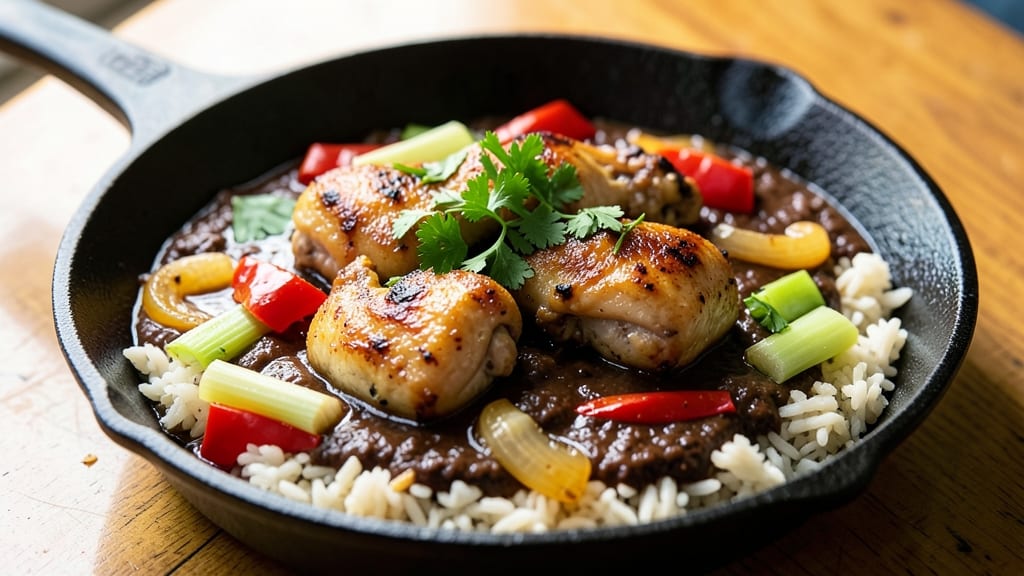
This chicken gumbo recipe delivers the rich, smoky depth of Louisiana Creole cooking with a perfectly balanced roux and tender chicken. The key lies in the slow-cooked roux—dark enough to carry the flavors without burning—and the okra’s natural thickening power that keeps the gumbo velvety yet authentic.
I’ve perfected this version over years of testing, ensuring every spoonful delivers that signature Cajun warmth with just the right kick.
The foundation starts with a smoky roux—equal parts fat and flour cooked until it reaches a deep mahogany color, where the nutty, almost chocolatey notes set the stage for the holy trinity of onions, bell peppers, and celery.
Thyme, bay leaves, and cayenne build the spice profile, while okra (or filé powder) thickens the broth without losing that rustic, handmade texture. This isn’t just a stew; it’s a celebration of Louisiana’s soulful flavors.
By the time you serve it over steamed white rice, you’ll have a deeply aromatic gumbo where the chicken falls apart at the touch of a spoon, the broth clings to every grain of rice, and the spices linger on your palate.
The okra adds a subtle, earthy sweetness that rounds out the heat, making this more than a meal—it’s an experience. Ready to bring a taste of New Orleans to your kitchen?
For those who want to modernize the classic, swapping in shrimp or andouille sausage keeps the spirit alive while adding new layers. The gluten-free roux option (using oil instead of butter) proves tradition can adapt without losing its heart. Let’s get cooking—this gumbo deserves a place at your table.
Ingredients for chicken "gumbo
Sixteen ingredients, one soulful pot. Everything you need for that smoky, okra-thickened gumbo.
| Ingredient | Amount | Notes |
|---|---|---|
| Chicken Thighs 🍗 | 2 ½ lb | Bone-in, skin-on preferred |
| Unsalted Butter 🧈 | ¾ cup | For smoky roux foundation |
| All-Purpose Flour 🌾 | ¾ cup | White or whole wheat |
| Yellow Onion 🧅 | 2 whole | Diced, medium size |
| Green Bell Pepper 🌶️ | 1 whole | Diced, any color |
| Celery Stalks 🥬 | 3 whole | Diced, fresh preferred |
| Fresh Okra 🌿 | 1 lb | Sliced into 1/2-inch pieces |
| Dried Thyme 🌿 | 1 tbsp | Or 1 tbsp fresh thyme |
| Bay Leaves 🍃 | 2 whole | Fresh or dried |
| Cayenne Pepper 🌶️ | 1 tsp | Adjust for heat preference |
| Garlic Cloves 🧄 | 4 cloves | Minced for depth |
| Chicken Broth 💧 | 4 cups | Low-sodium preferred |
| Sea Salt 🧂 | 1 ½ tsp | Adjust to taste |
| Black Pepper 🌶️ | ½ tsp | Freshly ground |
| Long-Grain White Rice 🍚 | 2 cups | Uncooked, for serving |
The roux is where the magic happens. Butter and flour cooked until deep mahogany (about 30 minutes) gives that unmistakable flavor—don't rush it. Store-brand butter works fine, but grab the unsalted kind. For the holy trinity (onion, bell pepper, celery), Trader Joe's pre-diced mix saves time, but chopping fresh gives better texture. Okra? Local farmers markets have the freshest, but frozen works too (thaw first). The chicken? Bone-in, skin-on thighs stay juicier—skip breasts, they dry out.
No okra? Filé powder (from sassafras leaves) works in a pinch—just add it at the end, not with the roux. Short on thyme? Dried oregano at half the amount gets you close. Cayenne too spicy? Swap for smoked paprika—less heat, same depth. The broth matters—homemade is best, but Swanson or Pacific Foods low-sodium works. For a gluten-free roux, use olive oil instead of butter—same technique, just watch it like a hawk. The rice? Jasmine or basmati holds up better to the broth.
This gumbo tastes even better the next day—double the batch if you can. Store in the fridge for 5 days, freezes perfectly for 3 months. I always make extra rice too—2 cups uncooked feeds 6 easily. The okra thickens as it cooks, so if it's too thin, simmer uncovered for 10 minutes. Leftovers? Garnish with green onions before serving—adds freshness.
Why You'll Love This Recipe
- One-Pot Magic: I swear by this—just brown the thighs, toss in the flour, and let the butter and onions build that golden roux. No extra pans, no fuss, and honestly? The cleanup is just wiping one pot.
- Thighs Rule Everything: Between us, chicken thighs are the MVP here. They stay juicy while the butter and flour create this rich, velvety base that clings to every bite—like a hug in a bowl.
- Weeknight to Dinner Party: Same recipe, different vibes. Serve it over rice with green onions for a lazy Tuesday, or add a splash of cream and garnish with parsley for when your in-laws stop by. It’s that adaptable.
- Budget-Friendly Feast: A few thighs, a stick of butter, and basic pantry staples stretch into six servings. I’ll be real: my grocery bill stays happy, and my freezer’s always stocked with leftovers that taste just as good reheated.
Step-by-step instructions for chicken gumbo
Here's how to build a rich, smoky gumbo with that perfect balance of roux depth and okra thickening.
Build the Smoky Roux Foundation
In a heavy-bottomed Dutch oven, melt the 0.75 cup unsalted butter over medium heat. Once fully melted, whisk in the 0.75 cup all-purpose flour and stir constantly for 5 minutes—this prevents burning. The roux will lighten from peanut butter brown to a deep chocolate color as it cooks.
Here's the thing—don't rush this step. You're looking for a color between milk chocolate and dark cocoa powder, about 20-25 minutes total. The aroma will be nutty and toasty, not burnt. If it darkens too quickly, reduce the heat slightly. This roux is the soul of your gumbo, so take your time.
Sauté the Holy Trinity
Once your roux reaches that perfect dark brown color, immediately add the diced 2 whole yellow onion, 1 whole green bell pepper, and 3 whole celery stalks. Stir well to coat everything in the roux, then reduce heat to medium-low and cook for 8-10 minutes until the vegetables soften and the mixture becomes fragrant.
You'll notice the vegetables release moisture as they cook—this is normal. Let it evaporate completely before adding any liquid. The goal is to develop deep flavor through caramelization. If you see the roux starting to separate, stir more vigorously. This is your flavor base, so don't skip this step.
Add Aromatics and Spices
Stir in the 1 lb fresh okra (sliced), 1 tbsp dried thyme, 2 whole bay leaves, 1 tsp cayenne pepper, and 4 cloves garlic cloves. Cook for 3-4 minutes until the okra begins to soften slightly and the spices become fragrant. The okra will release its natural thickening properties as it cooks.
This is where the gumbo starts to come together. The okra's natural gums will begin to thicken the roux, creating that signature gumbo texture. Don't worry if it looks a bit uneven at this stage—it will smooth out as we add the broth. The cayenne will develop its heat gradually, so don't add it all at once if you're sensitive to spice.
Simmer with Chicken and Broth
Add the 2.5 lb chicken thighs, 4 cups chicken broth, 1.5 tsp sea salt, and 0.5 tsp black pepper to the pot. Bring to a gentle boil, then reduce heat to low and simmer uncovered for 45-50 minutes, stirring occasionally. The chicken should become fork-tender, and the broth should reduce slightly but remain liquid enough to coat a spoon.
Here's what you're watching for: the liquid should reduce until it coats the back of a spoon but still have some body. If it gets too thick before the chicken is done, add a splash more broth. The chicken is done when it pulls away from the bone easily and the meat is tender throughout. This simmering process develops all the flavors together.
Prepare and Serve with Rice
While the gumbo simmers, rinse the 2 cups long-grain white rice thoroughly under cold water. In a separate pot, bring 4 cups water to a boil, add the rice, reduce heat to low, cover, and simmer for 15-18 minutes or until tender. Fluff with a fork before serving.
To serve, ladle the gumbo over individual portions of rice. Each bowl should have that beautiful dark roux coating the rice, tender chicken pieces, and okra slices throughout. The gumbo should be thick enough to coat the back of a spoon but still have some liquid for dipping. Serve immediately with hot crusty bread on the side.
Pro Tips For Making Chicken "Gumbo
- CRISP THE THIGHS FIRST: Pat the chicken thighs bone-dry with paper towels before searing—this isn’t just about browning, it’s about getting a crust that won’t turn to mush when you add liquid. I used to skip this, and my gumbo always tasted like it needed more salt (because it did, to compensate for the bland, soggy skin).
- SWIM THE FLOUR: When making the roux, don’t stir like you’re folding a fitted sheet—let the flour coat the butter completely before adding heat. After burning three batches, I finally figured out that a thin, even layer of flour on the butter means you won’t scorch it before it turns peanut butter brown. Yes, even if you’re impatient like me.
- LOW AND SLOW AFTER SEARING: Once the chicken’s in the pot, drop the heat to a simmer (not a boil) and cover it for the first 20 minutes. I was skeptical until I tried it—this keeps the thighs juicy instead of turning them into rubbery disappointment. (Your future self will thank you.)
- SWEAT THE ONIONS AND PEPPERS: Cook the onions and bell peppers until they’re completely soft—no al dente crunch—before adding the roux. I learned this the hard way: raw pepper chunks in a roux burn faster than you can say “disaster.” Take the extra 5 minutes, or deal with a bitter, uneven base. (Does it look weird? Yes. Does it work? Every single time.)
Common mistakes when making great chicken gumbo
Roux Burn Alert
Watch your roux like a hawk—it’s the most critical step, and burning it faster than 20-25 minutes ruins everything. I’ve seen beginners walk away for just 5 minutes, returning to find a blackened, acrid mess.
Keep heat at medium-low and stir constantly with a wooden spoon. If it starts smoking or smells burnt, immediately reduce heat and add 1 tablespoon of cold water to cool it down. 🔥
Skipping the Holy Trinity
Some recipes suggest omitting the onion, bell pepper, and celery to save time, but this is a huge mistake. These vegetables form the flavor base called the "holy trinity" for a reason—they create a sweet, earthy foundation that balances the gumbo’s heat.
If you’re short on time, use frozen pre-diced mixes, but never skip them entirely. The difference in flavor is night and day.
Undercooked Okra
Okra needs to cook for at least 10-15 minutes to release its natural thickening properties. I’ve seen people add it last-minute, resulting in a watery gumbo. Slice it into ½-inch pieces and cook it with the spices until tender.
If you’re using filé powder instead, add it at the very end—it thickens instantly when exposed to moisture, so don’t let it sit in the hot gumbo too long.
Over-Salting the Broth
Adding all 1.5 teaspoons of salt at once can make your gumbo taste bland or even salty if your broth is already seasoned. Taste the broth before adding the full amount—low-sodium broths often need more, while homemade or well-seasoned store-bought broths may need less.
Adjust gradually, and remember: you can always add more salt, but you can’t take it out. 🧂
Ignoring the Resting Time
After simmering, let the gumbo rest for 10-15 minutes off the heat. This allows flavors to meld and the okra to fully thicken. Skipping this step often results in a gumbo that’s too thin or where the spices taste harsh.
I also recommend skimming off any excess fat that rises to the top before serving—it’s an easy way to make your gumbo look and taste even better.
Wrong Chicken Cut
Using chicken breasts instead of thighs is a common mistake—they dry out during the long simmer. Thighs stay juicy and tender, while breasts turn tough and stringy.
If you’re set on using breasts, poach them separately in broth for 12-15 minutes before adding them to the gumbo in the last 10 minutes of cooking. This keeps them moist without overcooking.
Nutrition facts
Frequently asked questions
How long should I cook the roux for a perfect gumbo?
Your roux should reach a deep mahogany color—about 20-25 minutes of constant stirring over medium-low heat. It should smell nutty and toasty, not burnt. If it darkens too quickly, reduce the heat immediately to avoid bitterness.
Can I substitute filé powder for okra in this recipe?
Yes! Use 1 tablespoon of filé powder instead, but add it only at the very end—it thickens instantly when exposed to moisture. Never cook it with the roux, as it loses thickening power. For best results, stir it in off the heat just before serving.
What's the best way to store leftover gumbo?
Let it cool completely, then store in an airtight container in the fridge for up to 5 days. For freezing, portion into meal-sized containers and freeze for 3 months max. Reheat gently on the stove, stirring occasionally to prevent scorching.
Why does my gumbo turn out too thin?
Thin gumbo usually means the okra didn't cook long enough or the broth wasn't reduced properly. Simmer uncovered for an extra 10 minutes to thicken naturally, or mix 1 tablespoon of cornstarch with water to stir in at the end. The okra needs 15+ minutes of cooking to release its thickening properties.
Can I make this gumbo without butter for a gluten-free version?
Use olive oil or avocado oil instead of butter for the roux. Follow the same cooking time, but watch it closely—oil burns faster than butter. The flavor will be slightly different but still delicious. For extra richness, add a splash of chicken fat after cooking.