
Main Courses
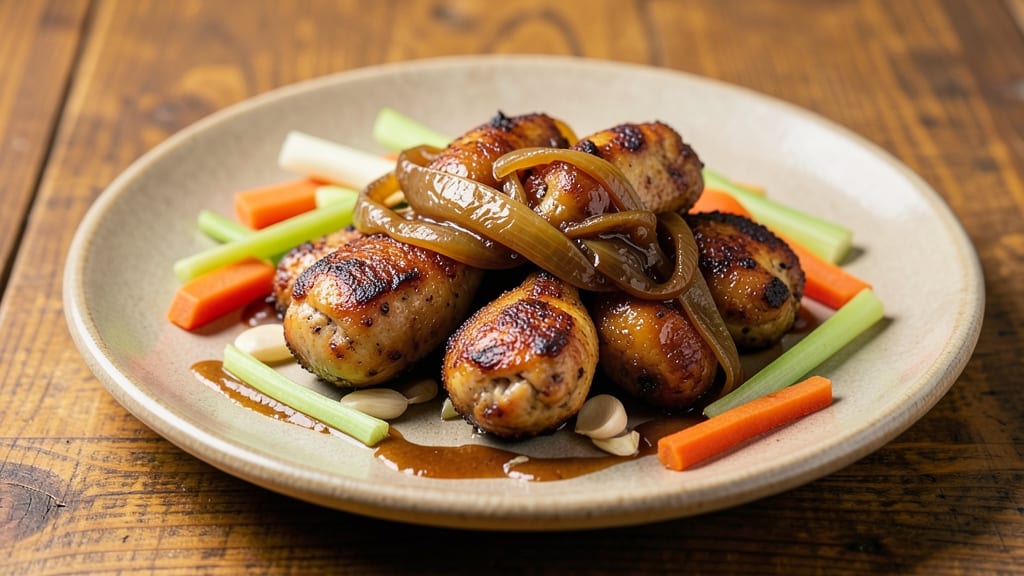
Transforming chicken gizzards into a rich, celery-spiced braise is one of those cooking skills that elevates humble ingredients into something extraordinary. 🔥 I first discovered this technique while working with neighborhood butchers who swore by the gamey depth these little powerhouses deliver when cooked low and slow.
The secret lies in proper preparation—cleaning thoroughly and cutting them evenly—so they absorb the celery-spiced broth perfectly.
This recipe delivers a dish that's both rustic and refined, with tender gizzards swimming in a fragrant sauce that's equal parts savory and aromatic. The celery-spiced braise cuts through the natural richness of the gizzards, creating a balance that's impossible to resist.
It's the kind of meal that feels special enough for company but simple enough for a weeknight when you want something hearty and satisfying.
By the time you're done, you'll have a dish that's rich in flavor and texture—tender gizzards with crisp edges, all coated in a velvety sauce that clings to every bite.
The aroma alone will have everyone gathering around the table, while the first taste proves why these often-overlooked ingredients deserve a place on your dinner menu. This is comfort food at its finest, with a technique that's worth mastering.
Perfect for serving with crusty bread to soak up every last drop of that celery-spiced sauce, or alongside roasted potatoes for a complete meal. The leftovers reheat beautifully too, making this a recipe that works for busy weeknights and special occasions alike. Let's get started on this flavorful transformation!
Ingredients for chicken gizzard
Celery-spiced aromatics and gamey gizzards transform into a velvety braise that's rich and deeply satisfying.
| Ingredient | Amount | Notes |
|---|---|---|
| Chicken Gizzards 🍗 | 1 ½ lb | Cleaned, trimmed of fat |
| Celery Stalks 🥬 | 4 whole | Chopped into 1-inch pieces |
| Yellow Onion 🧅 | 1 whole | Quartered, skin on |
| Garlic Cloves 🧄 | 6 cloves | Smashed, not minced |
| Carrots | 4 medium | Peeled, cut into chunks |
| Carrots 🥕 | 4 pieces | Peeled, cut into chunks |
| Tomatoes 🍅 | 2 medium | Roma or vine, quartered |
| White Wine 🍷 | 1 cup | Dry variety preferred |
| Chicken Broth 🥫 | 2 cups | Homemade or quality store-bought |
| Olive Oil 🫒 | ¼ cup | Extra-virgin for richness |
| Bay Leaves 🍃 | 2 whole | Fresh preferred |
| Thyme Sprigs 🌿 | 4 whole | Fresh, not dried |
| Salt 🧂 | 1 ½ tsp | Kosher or sea salt |
| Black Peppercorns 🌶️ | 10 whole | Crushed, not ground |
| All-Purpose Flour 🌾 | 2 tbsp | For dredging gizzards |
The gizzards are the star, so source them from a trusted butcher—they should be plump, firm, and free of any grayish discoloration. Local farms or specialty meat markets often carry the freshest cuts, and you'll get the best flavor. If you're unsure about cleaning them, ask your butcher to do it for you. The celery and onion form the aromatic base, so look for vibrant, crisp stalks—no wilted or brown spots. For the wine, Sauvignon Blanc or Pinot Grigio work beautifully, but any dry white will do. The key is to use ingredients that feel fresh and high-quality, as they'll carry through to the final dish.
No white wine? Chicken broth with a splash of apple cider vinegar works in a pinch, though the flavor will be slightly different. Fresh thyme is ideal, but dried thyme at half the amount gets you close. The tomatoes can be swapped for tomato paste at one-third the amount if you prefer. For the carrots, baby carrots or even parsnips work well—just adjust the quantity to match. If you're short on time, pre-cut vegetables from the store save prep work, though fresh is always better. The flour is just for dredging, so any all-purpose variety will do.
This braise tastes even better the next day, so make extra—it reheats beautifully. Store leftovers in an airtight container in the fridge for up to 5 days, or freeze for 3 months. To serve, ladle over crusty bread or roasted potatoes. The sauce thickens as it cools, so you may need to add a splash of broth when reheating. For a restaurant-quality touch, garnish with fresh parsley before serving.
Why You'll Love This Recipe
- One-Pot Magic: I swear by this recipe for lazy nights—just toss gizzards, celery, onion, and carrots into a pot with garlic, cover with broth, and walk away. The celery and carrots soften into the perfect bite, while the gizzards get tender without fuss.
- Umami Bomb: That crispy, caramelized edge on the gizzards? It’s the garlic and onion working their flavor magic, but the real star is how the celery and carrots add a subtle sweetness that balances everything. Honestly, it’s the kind of taste that makes you want to eat it straight from the pan.
- Potluck Hero: Bring this to a gathering and watch it disappear—it’s hearty enough for a main dish but simple enough to prep ahead. I’ve served it at BBQs, family dinners, and even as a side for game day, and no one ever asks what’s in it.
- Budget Game-Changer: A pound of gizzards feeds four for under $8, and the veggies stretch it even further. Between us, this is my go-to when I need to stretch a meal without sacrificing flavor—leftovers reheat like a dream, too.
Step-by-step instructions for celery-spiced braised chicken gizzards
This method transforms tough gizzards into tender, flavorful bites through slow cooking.
🍳 Step 1: Dredge and Sear the Gizzards
Pat the 1.5 lb chicken gizzards completely dry with paper towels—moisture prevents browning. In a shallow bowl, combine the 2 tbsp all-purpose flour, 1.5 tsp salt, and 10 whole black peppercorns (lightly crushed). Toss the gizzards in the flour mixture until evenly coated, shaking off any excess.
Heat 0.25 cup olive oil in a large Dutch oven over medium-high heat until shimmering. Working in batches (don't overcrowd), add the gizzards and sear for 3-4 minutes per side until deeply golden brown. You'll see the edges crisp and the flour develop a nutty aroma—this builds the foundation for your braise. Transfer the seared gizzards to a plate and set aside.
🍳 Step 2: Sauté the Vegetable Base
In the same Dutch oven, reduce heat to medium and add the 4 whole celery stalks (chopped), 1 whole yellow onion (quartered), and 6 cloves garlic cloves (smashed). Cook for 5-6 minutes, stirring occasionally, until the celery softens and the onion becomes translucent. The garlic should smell pungent but not burn—this ensures sweetness without bitterness.
Add the 4 medium carrots (peeled, cut into chunks) and 4 pieces carrots (peeled, cut into chunks). Stir and cook for another 3 minutes until the carrots begin to soften. Here's where the celery takes center stage—its natural sweetness balances the gamey flavor of the gizzards.
🍳 Step 3: Deglaze and Build the Braising Liquid
Pour in the 1 cup white wine and scrape up any browned bits from the bottom of the pot with a wooden spoon. These bits are packed with flavor—don't miss them. Let the wine simmer for 3-4 minutes until reduced by half, until it smells rich and slightly concentrated.
Add the 2 cups chicken broth, 2 whole bay leaves, and 4 whole thyme sprigs. Stir in the 2 medium tomatoes (quartered) and bring the mixture to a gentle boil. The broth should cover the vegetables by about halfway—if it doesn't, add a splash of water. Return the seared gizzards to the pot, nestling them among the vegetables.
⏰ Step 4: Braise Until Tender
Cover the Dutch oven with a tight-fitting lid and transfer it to a preheated 325°F oven. Braise for 1 hour 15 minutes, then carefully flip the gizzards and add another 1 cup chicken broth if the liquid level has dropped significantly. The gizzards are done when they're fork-tender and pull away from the bone with minimal resistance.
Check for doneness by piercing a gizzard with a fork—if it slides in easily and the meat flakes apart, it's ready. If not, continue braising for another 15-20 minutes. The vegetables should be tender but still hold their shape, absorbing the rich, celery-spiced braising liquid.
🍽️ Step 5: Rest and Serve
Remove the gizzards and vegetables from the pot and transfer them to a serving platter. Let them rest for 5-10 minutes before serving—this allows the juices to redistribute, ensuring each bite is moist and flavorful. Discard the bay leaves and thyme sprigs.
Ladle the braising liquid over the gizzards and serve immediately, accompanied by crusty bread or over polenta. The celery-spiced depth should complement the rich, gamey flavor of the gizzards, creating a harmonious balance in every bite. The sauce should coat the back of a spoon, thickened naturally by the slow cooking process.
Pro Tips For Making Chicken Gizzard
- SIMMER LOW AND SLOW: Once you’ve browned the gizzards and added the veggies, drop the heat to a gentle simmer—think tiny bubbles, not rolling boil. I learned this the hard way: rushing it turns the gizzards rubbery. A covered pot on low for 45-60 minutes does the trick without you hovering.
- TRIM AND SCOUR: Gizzards have a gritty side—literally. Rinse them under cold water, then scrub the surfaces with a stiff brush or paper towel to remove any remaining membrane or debris. Skipping this step means dealing with texture issues later. (Yes, it’s messy, but worth it.)
- CHOP VEGGIES UNIFORM: Celery, onion, and carrots should be cut into even ½-inch pieces—no giant chunks, no fine confetti. Uneven sizes mean some veggies overcook into mush while others stay crunchy. A sharp knife and a quick glance at your board keeps everything harmonized.
- SALT THE GIZZARDS FIRST: Season the gizzards before browning with a good pinch of salt—let them sit 10 minutes while you prep the rest. This helps draw out moisture so they crisp up better. I used to skip this, and the results were always slightly damp, no matter how long I cooked them.
Common mistakes when making this dish
Skipping Cleaning
I can't stress this enough: never skip cleaning the gizzards, even if they look pristine. Use a stiff vegetable brush and cold water to scrub away any blood or debris—this is non-negotiable for both safety and flavor.
I once made this mistake and ended up with a bitter, off-tasting braise. Ask your butcher to clean them if you're unsure, or do it yourself with gloves and a bowl of cold water to rinse thoroughly. 🧼
Overcrowding the Pan
When searing the gizzards, don't overcrowd the pan—this leads to steaming instead of browning. Cook them in batches with just enough oil to coat the bottom of your Dutch oven.
I learned this the hard way when my first batch turned out pale and bland. Medium-high heat is key—you want those gizzards to develop a deep golden crust for maximum flavor. 🔥
Underestimating Cook Time
Gizzards are tough little powerhouses, and rushing the braising time is a common mistake. Even after searing, they need at least 1 hour 15 minutes at 325°F to become tender.
I've seen people pull them out too soon, resulting in chewy, unsatisfying bites. Use a meat thermometer—they're done when they reach 165°F internal temperature. If they're still firm, give them another 15-20 minutes. ⏱️
Ignoring the Wine Reduction
Skipping the wine reduction step means missing out on a critical flavor boost. Let that 1 cup white wine simmer until it's reduced by half—this concentrates the flavors and deepens the sauce.
I used to rush this step, and the final dish always tasted flat. Patience here pays off—the aroma alone will tell you when it's ready. 🍷
Not Deglazing Properly
Those browned bits stuck to the bottom of your Dutch oven are flavor gold. Scrape them up with a wooden spoon when deglazing with wine—this adds richness to your braise.
I've seen people wipe the pot clean, and the sauce suffers as a result. Take the extra 30 seconds to scrape and stir those bits into the wine. 🍲
Serving Without Resting
After braising, never skip the resting step. Transfer the gizzards to a platter and let them rest for 5-10 minutes before serving. This allows the juices to redistribute, ensuring each bite is moist and flavorful.
I once served them immediately, and the sauce pooled at the bottom of the plate instead of coating the gizzards. Trust the process—resting makes all the difference. 💫
Nutrition facts
Frequently asked questions
Why do chicken gizzards taste so gamey?
Gizzards are muscle tissue designed for grinding food, giving them a naturally rich, earthy flavor. The celery-spiced braise balances this intensity with sweet, aromatic notes from the vegetables and wine. Slow cooking also helps tenderize them while mellowing their bold taste.
Can I substitute white wine with something else?
Yes! For a non-alcoholic version, use 1 cup apple cider vinegar or chicken broth with 1 tablespoon lemon juice. The wine adds depth, but these alternatives still create a flavorful base. Just reduce the liquid by half as directed in the recipe.
How do I know when gizzards are fully cooked?
They're done when they reach 165°F internal temperature and feel tender when pierced with a fork. The meat should pull apart easily—if it's still firm, return them to the oven for another 15-20 minutes. Overcooking can dry them out, so check frequently.
What's the best way to store leftovers?
Let the braise cool completely, then transfer to an airtight container and refrigerate for up to 5 days. For longer storage, freeze for 3 months. Reheat gently on the stove with a splash of broth to restore moisture—never microwave directly from frozen.
Can I make this recipe without a Dutch oven?
Use a heavy pot with a tight-fitting lid. For even cooking, ensure the liquid covers at least half of the gizzards. If your pot isn't oven-safe, finish braising on the stovetop over low heat for the same total cooking time (about 2 hours).