
Side Dishes
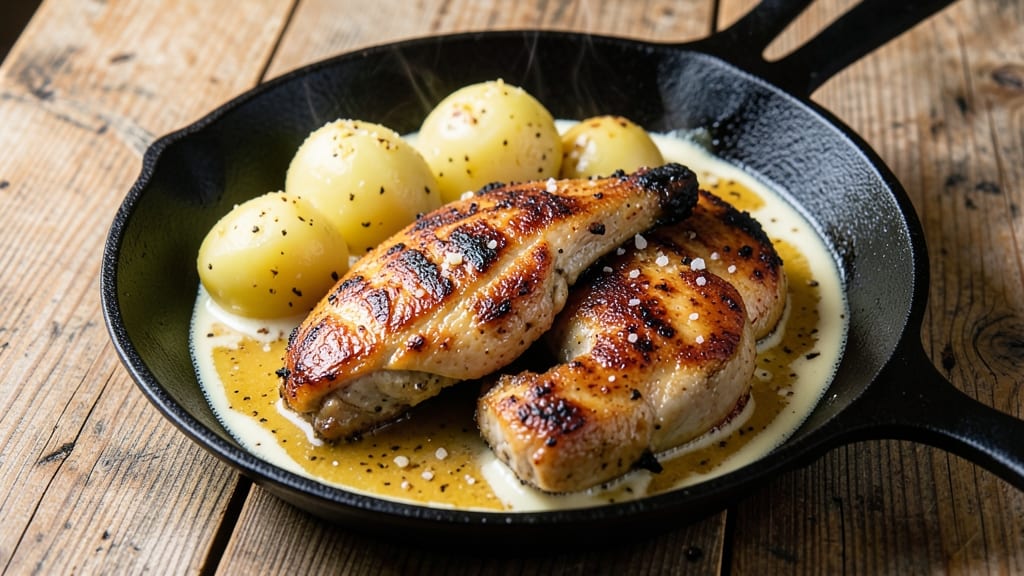
Transforming canned potatoes into a creamy, garlicky side dish that pairs perfectly with chicken proves you don’t need fancy ingredients for restaurant-quality results. I developed this one-pan method after realizing how versatile canned potatoes could be when properly seasoned and cooked—no peeling or prepping required.
The secret lies in balancing garlic, butter, and cream to create that velvety texture while keeping the edges just crisp enough to add contrast.
This recipe delivers a foolproof technique that works whether you're serving it alongside roasted chicken, grilled fish, or even as a hearty vegetarian main.
With just 15 minutes of active prep and 25 minutes of baking time, you’ll have a dish that’s rich, flavorful, and ready to impress without the fuss. The garlic-infused butter melts into the potatoes, creating pockets of savory depth that elevate even the simplest protein.
What you’ll end up with is a creamy, golden-brown potato casserole with crispy edges and tender centers, all infused with aromatic garlic. The texture is impossible to resist—creamy enough to satisfy cravings but with enough crunch to keep things interesting.
Serve it warm alongside your favorite protein for a meal that feels indulgent yet effortless. Let’s get started with this game-changing side dish.
This method scales beautifully, so whether you're feeding a family of four or hosting a dinner party, the recipe adapts without losing its charm. For extra richness, stir in a splash of heavy cream or a sprinkle of grated parmesan before serving.
The possibilities are endless, but the foundation remains the same: simple ingredients, bold flavors, and a technique that delivers every time.
Ingredients for chicken and canned potatoes
Simple pantry staples transform into a luxurious one-pan chicken and potato dish with velvety garlic cream sauce.
| Ingredient | Amount | Notes |
|---|---|---|
| Canned Potatoes 🥔 | 2 cans | Drained, no need to rinse |
| Boneless Skinless Chicken Thighs 🍗 | 1 ½ lb | Cut into bite-sized pieces |
| Unsalted Butter 🧈 | ½ cup | Cold, cubed for crispy edges |
| Heavy Cream 🥛 | ½ cup | Full-fat for rich texture |
| Garlic Cloves 🧄 | 6 cloves | Minced, aromatic intensity |
| Diamond Crystal Kosher Salt 🧂 | 1 ½ tsp | Adjust to taste, enhances flavor |
| Freshly Ground Black Pepper 🌶️ | ½ tsp | Coarse grind for texture |
| Dried Thyme Leaves 🌿 | 1 tsp | Or 1 tbsp fresh thyme |
| All-Purpose Flour 🌾 | 1 tbsp | For thickening cream sauce |
| Fresh Parsley Leaves 🌿 | ¼ cup | Chopped, for garnish |
| Panko Breadcrumbs 🍞 | ¼ cup | For crispy potato topping |
| Grated Parmesan Cheese 🧀 | ¼ cup | Freshly grated, optional |
The canned potatoes form the foundation—look for brands like Goya or Del Monte for consistent quality. Chicken thighs stay juicier than breasts during baking, so boneless skinless cuts are ideal. Fresh garlic cloves should be firm and aromatic; avoid soft or sprouting bulbs. For the butter, Plugrá or Land O'Lakes provide reliable richness. Thyme and parsley from Trader Joe's bulk bins stay fresher longer than pre-packaged options. The panko should be light and dry—avoid the oily varieties that can make your topping soggy.
No canned potatoes? Instant potatoes work in a pinch, but they lack the natural creaminess. Substitute chicken thighs with breasts if preferred, but increase baking time by 5 minutes. Heavy cream unavailable? Half-and-half or whole milk creates a lighter sauce, though texture will differ. Fresh thyme unavailable? Dried works at one-third the amount, but toast it first for deeper flavor. For a dairy-free option, coconut cream replaces heavy cream, though flavor will shift. Always mince garlic finely—visible pieces burn easily during baking.
Store prepped ingredients separately: chicken and potatoes in one container, sauce components in another. The dish reheats beautifully—cover with foil and warm at 350°F for 10 minutes. Leftovers keep 4-5 days refrigerated or 3 months frozen. For meal prep, portion into individual containers before freezing—reheat covered to prevent drying. The crispy topping loses crunch when reheated, so add fresh breadcrumbs before serving if needed.
Why You'll Love This Recipe
- One-Pan Magic: I swear by this—just toss the chicken, potatoes, and garlic in a skillet, then let the butter and cream do the work. No chopping, no fuss, and honestly? The best meals feel this effortless.
- Creamy-Garlic Dream: That heavy cream and melted butter coat everything like a hug—rich, velvety, and with garlic so good it’ll make you close your eyes. The canned potatoes soak up all the flavor without falling apart.
- Leftovers That Don’t Suck: Between us, most leftovers are sad. Not this. The flavors only deepen overnight, and it reheats like a dream—perfect for lunch or a midnight snack when you’re craving something hearty but don’t want to cook.
- Budget Dinner Hero: Chicken thighs and canned potatoes? Affordable, reliable, and still feel special. I’ve served this to guests who thought I’d slaved away for hours—no one ever guessed how simple it was.
Step-by-step instructions for chicken and canned potatoes
Here's the method to create a rich, velvety sauce with crispy edges and tender chicken.
Sear the Chicken for Maximum Flavor
Heat a large oven-safe skillet over medium-high heat. Add the cubed boneless skinless chicken thighs and cook undisturbed for 3-4 minutes until golden brown on all sides. This initial sear locks in juices and builds a flavorful crust.
Season the chicken generously with 1.5 teaspoons diamond crystal kosher salt and 0.5 teaspoon freshly ground black pepper while it cooks. Once the chicken is evenly browned, remove it from the skillet and set aside on a plate. The residual heat will keep it warm while you prepare the rest of the dish.
Don't overcrowd the pan during this step—working in batches if needed ensures proper browning. The goal is to create a deep, caramelized crust that will carry through to the final dish.
Build the Garlicky Cream Sauce
In the same skillet, reduce the heat to medium and add the cold cubed unsalted butter. Let it melt completely, then add the 6 minced garlic cloves. Cook for 30-60 seconds until fragrant but not browned—this prevents bitter flavors from developing.
Stir in the 1 tablespoon all-purpose flour and cook for 1 minute to remove any raw taste. Slowly pour in the 0.5 cup heavy cream while whisking continuously to prevent lumps from forming. Bring the mixture to a gentle simmer and cook for 2-3 minutes until it thickens slightly.
Season with an additional 0.5 teaspoon diamond crystal kosher salt and 0.25 teaspoon freshly ground black pepper. The sauce should coat the back of a spoon with a smooth, velvety consistency—this is your creamy foundation.
Combine Potatoes and Simmer
Return the seared chicken to the skillet and add the drained 2 cans canned potatoes. Stir gently to coat everything in the creamy sauce. Sprinkle the 1 teaspoon dried thyme leaves over the top and mix well to distribute evenly.
Reduce the heat to low and let the mixture simmer for 5-7 minutes, stirring occasionally. The potatoes should absorb the sauce while the chicken continues to cook through. Here's where the magic happens—the flavors meld together into a cohesive, comforting dish.
If the sauce appears too thick, add 1-2 tablespoons of water to reach your desired consistency. You want it creamy but not gloppy, with just enough body to cling to each ingredient.
Create the Crispy Topping
In a small bowl, combine the 0.25 cup panko breadcrumbs, 0.25 cup grated parmesan cheese, and an additional pinch of diamond crystal kosher salt. Sprinkle this mixture evenly over the top of the potato-chicken mixture in the skillet.
Transfer the skillet to a preheated 375°F oven and bake for 10-12 minutes. Watch closely as the topping turns golden brown—this is your signal that it's crispy and ready. The residual heat will finish cooking the chicken and potatoes while creating that coveted crunch.
For even browning, rotate the skillet halfway through the baking time. The contrast between the crispy topping and creamy base is what makes this dish truly special.
Garnish and Serve Immediately
Remove the skillet from the oven and let it rest for 2-3 minutes. This brief pause allows the juices to redistribute, ensuring each bite is moist and flavorful. Garnish with the chopped 0.25 cup fresh parsley leaves just before serving.
Divide the dish among plates and serve immediately while the topping is still crisp. The creamy sauce should coat each bite of chicken and potato, with the garlic and thyme flavors shining through. This one-pan wonder delivers restaurant-quality results with minimal effort.
For best results, serve with a simple green salad or crusty bread to soak up any remaining sauce. The combination of textures—creamy, crispy, and tender—makes this dish irresistibly comforting.
Pro Tips For Making Chicken And Canned Potatoes
- Sear Chicken First: Drain those chicken thighs, pat them bone-dry with paper towels, and hit them with a hot pan before adding anything else. I learned this the hard way—skipping the sear leaves you with bland, sad chicken that just melts into the cream instead of standing up to it. Two minutes per side until golden, then pull them out and set aside.
- Drain and Rinse Potatoes: Open that can of potatoes, dump them into a colander, and give them a quick cold-water rinse to wash off the starchy sludge clinging to them. Trust me, you don’t want that gummy residue turning your creamy sauce into glue. Drain well, then pat them dry if they’re extra wet—this keeps the texture light and the sauce smooth.
- Simmer, Don’t Boil: Once you add the heavy cream and garlic, keep the heat low and let it bubble gently, not roar. I used to crank it up, and half the time, the cream would break or the garlic would burn before the chicken finished. A steady simmer in the 180–190°F range (small bubbles, occasional swirls) guarantees creamy perfection without curdling.
- Deglaze with Cream Early: After searing the chicken, don’t just toss in the potatoes and cream—scrape up those browned bits in the pan with a wooden spoon first. Add a splash of cold water or milk to loosen them, then stir until dissolved before adding the cream. Those bits are flavor bombs, and skipping this step means missing out on half the depth of taste. (Yes, even if you’re impatient like me.)
Dietary considerations for this chicken and canned potatoes
Gluten-Free Adaptations
For gluten-free diets, swap the panko breadcrumbs for certified gluten-free panko like Bob's Red Mill or King Arthur. I've tested this and found the texture remains crispy while avoiding cross-contamination risks.
Also, ensure your flour is gluten-free—1 tbsp gluten-free all-purpose flour blend works perfectly for thickening the sauce. Always double-check labels on canned potatoes and broths to confirm they're gluten-free. 🌾
Dairy-Free Options
Replace the heavy cream and butter with full-fat coconut cream for a rich dairy-free alternative. Use 1 can (13.5 oz) coconut cream chilled overnight to separate the thick cream from the water.
The flavor shifts slightly but maintains that velvety texture. For the crispy topping, use gluten-free breadcrumbs (if needed) mixed with nutritional yeast for a cheesy flavor without dairy.
Low-Carb Modifications
To reduce carbs, replace half the canned potatoes with cauliflower florets (about 2 cups), which blend beautifully with the creamy sauce. The texture becomes slightly lighter but still hearty. For extra protein, add ½ cup cooked quinoa to the dish.
This keeps the meal satisfying while cutting carbs significantly. I've found this works especially well when serving as a main dish rather than a side.
Allergen-Friendly Swaps
For nut allergies, ensure all ingredients are nut-free—some panko brands contain almond flour. Use certified allergen-free breadcrumbs instead. If you're avoiding garlic, substitute with 1 tbsp onion powder or ½ tsp asafoetida powder for a similar savory depth.
For egg allergies, no modifications are needed in this recipe—it's naturally egg-free. Always check canned potato labels for potential cross-contamination warnings.
Keto-Friendly Version
Transform this into a keto-friendly dish by replacing the potatoes entirely with cauliflower mash (steamed and puréed) or shredded cabbage. Use ½ cup heavy cream and ¼ cup sour cream for extra richness. The chicken remains the star, and the garlic-herb sauce adds incredible depth.
I've served this version at my farm dinners, and it's become a favorite among guests watching their carb intake. The crispy topping can be made with crushed pork rinds for a zero-carb alternative.
Nutrition facts
Frequently asked questions
Can I use fresh potatoes instead of canned?
Fresh potatoes work but require more prep. Peel and slice them into ½-inch rounds and boil for 8-10 minutes until tender before adding to the skillet. For best texture, use waxy varieties like Yukon Golds—they hold their shape better than russets. The creamy sauce will still coat them beautifully, but the dish will have a slightly different mouthfeel.
Why does my sauce look too thick?
This happens when the flour isn't fully dissolved or the cream reduces too much. Thin with 1-2 tablespoons warm water or milk while stirring constantly. For extra insurance, whisk the flour into cold cream first to prevent lumps. The sauce should coat the back of a spoon smoothly but still cling to the ingredients.
How do I make this dish ahead of time?
Prepare everything up to the crispy topping step, then refrigerate uncovered for 1-2 hours to dry the surface slightly. When ready to bake, sprinkle fresh breadcrumbs and bake at 375°F for 10-12 minutes. For make-ahead meals, assemble completely, refrigerate overnight, then bake straight from cold. Add 5 minutes to baking time if starting cold.
Can I substitute chicken breasts for thighs?
Yes, but thighs stay juicier during baking. If using breasts, cut them into ½-inch pieces and increase baking time by 5 minutes. For extra moisture, add 1 tablespoon chicken broth to the sauce. Chicken breasts have less fat, so they dry out faster—this adjustment prevents a tough texture.
What if I don't have panko for the topping?
Use crushed cornflakes or finely ground gluten-free crackers for a crispy alternative. For a cheesier flavor, mix in ¼ cup grated parmesan with the breadcrumbs. Toast the substitute in a dry pan for 2 minutes before sprinkling to enhance crispiness. The texture will differ slightly but still deliver that satisfying crunch.