
Sauces & Condiments
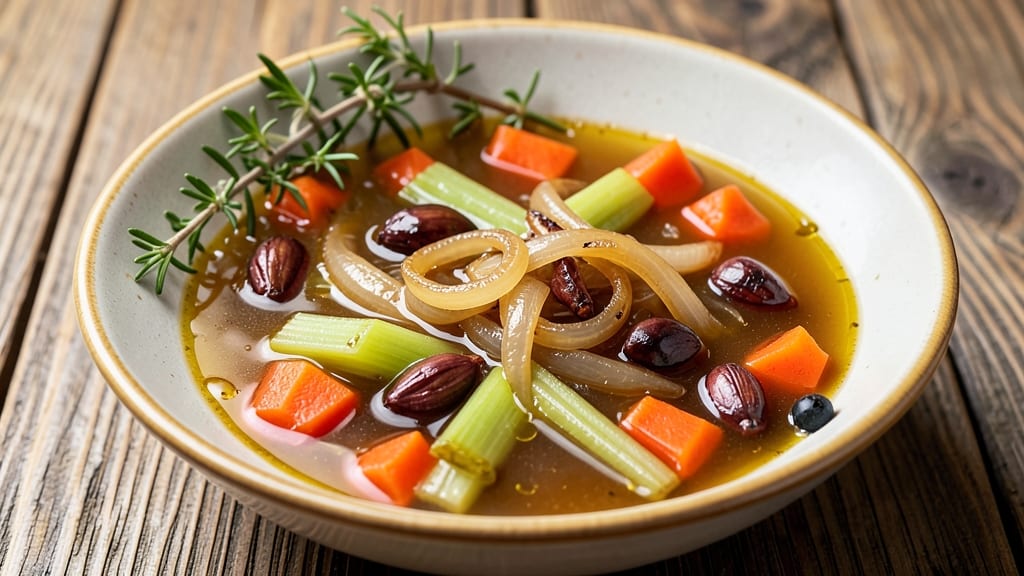
Transforming canned chicken broth into a homemade pantry staple in just 10 minutes unlocks a world of restaurant-quality soups, sauces, and stews. I learned this technique while perfecting my whole-hog cooking methods—where every flavor layer matters—and it’s become my go-to for quick, deeply satisfying meals.
The secret lies in balancing the broth’s richness with fresh aromatics and the right cooking method, whether simmering or sautéing.
This recipe builds on the convenience of canned broth while elevating it with simple ingredients like onions, garlic, and herbs—no fancy equipment required. Whether you’re making a hearty chicken noodle soup or a velvety risotto base, the result is a bold, aromatic broth that forms the backbone of any dish.
The process is streamlined but precise, ensuring every batch delivers professional results without the guesswork.
By the end, you’ll have a versatile, flavor-packed broth that transforms basic canned stock into something extraordinary. It’s the kind of foundation that turns weeknight dinners into memorable meals—rich, savory, and packed with depth. Ready to elevate your cooking? Let’s start with the ingredients.
This method works equally well for soups, sauces, or as a base for grains like rice or quinoa. The key is patience in the simmering stage, where flavors meld into harmony. Trust the process, and you’ll never reach for store-bought again.
Ingredients for canned chicken broth
Pantry staples plus fresh aromatics—this transforms store-bought broth into restaurant-quality depth.
| Ingredient | Amount | Notes |
|---|---|---|
| Canned Chicken Broth 🍲 | 2 cups | Low-sodium preferred for control |
| Yellow Onion 🧅 | 1 medium | Diced, about 1 cup |
| Garlic Cloves 🧄 | 4 cloves | Minced, peeled |
| Carrots 🥕 | 2 medium | Diced, about 1 cup |
| Celery Stalks 🌿 | 2 stalks | Diced, about 1 cup |
| Fresh Thyme 🌿 | 2 sprigs | Stems removed, leaves chopped |
| Fresh Parsley 🌿 | ¼ cup | Chopped, stems removed |
| Olive Oil 🫒 | 2 tbsp | Extra-virgin for richness |
| Salt 🧂 | 1 tsp | Diamond Crystal kosher preferred |
| Black Peppercorns 🌶️ | ½ tsp | Freshly cracked |
| Bay Leaf 🌿 | 1 whole | For depth of flavor |
| Chicken Bouillon Cube 🍲 | 1 cube | Optional, for extra umami |
The fresh vegetables are non-negotiable. Yellow onions, carrots, and celery should be crisp—not wilted or rubbery. Hit the produce section early to grab the freshest. For herbs, farmers market thyme and parsley have the most vibrant flavor, but grocery store bunches work too if you use them within a week. The bay leaf adds complexity without overpowering, so don't skip it. If you're using pre-diced veggies from the freezer section, thaw and pat dry first—excess moisture dilutes the broth's depth.
No fresh thyme? Dried thyme at one-third the amount gets you close, but the flavor won't be as bright. Swapping carrots for sweet potatoes or parsnips adds natural sweetness. The bouillon cube is optional but worth it if you want that extra umami punch—Knorr or Maggi work best. For a vegetarian version, swap the chicken broth for vegetable broth and mushroom bouillon. The olive oil matters here—use something fruity and peppery, not the cheap stuff. And if you're short on time, pre-minced garlic from the jar saves 5 minutes (no judgment).
This broth keeps beautifully—5 days in the fridge or 6 months in the freezer. I freeze it in ice cube trays for easy portions, then transfer to a bag. For soups, the flavor actually improves after a day or two as everything melds. If you make a big batch, divide it into quart-sized containers—perfect for lunches or quick meals. The bay leaf? Remove it before freezing—no one wants a leafy surprise in their soup.
Why You'll Love This Recipe
- Pantry Magic: I swear by this—no fresh herbs needed. That canned broth already packs depth, and a single onion, two garlic cloves, and a handful of chopped carrots/celery turn it into a pro-level base. Honestly, I keep a pre-chopped veggie bag in the fridge just for this.
- Savory Umami Bomb: The caramelized onion and garlic? Chef’s kiss. Simmering them low and slow until the broth reduces just a little concentrates that rich, salty-sweet flavor. Between us, this is the secret weapon in my soups, grains, and even marinades.
- Weeknight Workhorse: I use this for everything—dumping into rice for fried rice, deglazing pans for pasta, or even as a quick braising liquid for chicken thighs. (Yes, even on a Tuesday night.) The beauty? It’s always ready when I am.
- Zero-Waste Goldmine: That leftover broth? Freeze it in ice cube trays for future soups or sauces. I’ve got a stash from last month’s batches, and not a drop goes unused. Budget-friendly? Absolutely. But more like flavor-friendly—every spoonful feels like a win.
Step-by-step instructions for homemade chicken broth
Here's how to transform simple pantry ingredients into rich, flavorful broth in minutes.
Sauté the Aromatic Vegetables
Heat the 2 tablespoons olive oil in a medium saucepan over medium heat. Add the 1 medium yellow onion, 2 medium carrots, and 2 stalks celery—all diced as specified in your ingredients. Let them cook undisturbed for 3-4 minutes until the onion becomes translucent and the vegetables begin to soften slightly.
Here's the thing—this initial cooking step develops the base flavor. The vegetables should release their moisture and create a light sheen in the pan. If you notice the oil starts to smoke, reduce the heat slightly. The goal is to caramelize the edges just enough to build depth without burning.
Add Garlic and Herbs
Push the vegetables to one side of the pan and add the 4 cloves minced garlic to the empty space. Cook for 30 seconds until fragrant—you'll know it's ready when the aroma fills your kitchen. Stir to combine with the vegetables, then add the 2 sprigs chopped fresh thyme, 1 whole bay leaf, 1 teaspoon salt, and 0.5 teaspoon cracked black peppercorns. Stir everything together for 1 minute to ensure even distribution of seasoning.
This is where the magic happens: the garlic should sizzle briefly before blending into the vegetables. The thyme and bay leaf will infuse their earthy notes into the broth later. Don't skip this step—it's what transforms basic vegetables into aromatic building blocks.
Pour in the Broth and Bouillon
Add the 2 cups canned chicken broth and the 1 chicken bouillon cube (if using) to the pan. The bouillon cube will dissolve completely in the hot liquid, adding an extra layer of umami depth. Bring everything to a gentle simmer—you should see small bubbles forming around the edges but not a rolling boil.
Simmer for 8-10 minutes uncovered. This allows the flavors to meld while preventing the broth from developing a skin. If you notice the liquid reduces too quickly, add 1-2 tablespoons of water to maintain the volume. The broth should have a rich, golden color and be fragrant with all the vegetable aromas.
Finish with Parsley and Strain
Remove the pan from heat and stir in the 0.25 cup chopped fresh parsley. This final addition brightens the broth with freshness, balancing all the deep, savory flavors. Let the mixture sit for 2 minutes off the heat to fully incorporate the parsley's essence.
Line a fine-mesh strainer with cheesecloth or a coffee filter if you want an extra-smooth broth, then strain the mixture into a clean bowl or pitcher. Discard the solids in the strainer. Your homemade chicken broth is now ready to use—rich, flavorful, and completely customizable for any recipe.
Pro Tips For Making Canned Chicken Broth
- Sear the Aromatics First: Toss chopped onion, garlic, carrots, and celery into a cold pot—then turn the heat to medium-high and let them sizzle for 3-4 minutes before adding broth. I learned this the hard way: skipping the sear leaves your broth tasting flat, like someone forgot to wake up the flavors. The Maillard reaction here is your secret weapon.
- Dice Onion and Celery Uniformly: Cut the onion into ¼-inch dice and the celery into ½-inch chunks—same size as the carrots. Uneven pieces mean some cook faster than others, leaving you with a mushy mess or raw chunks. I used to eyeball it, but now I measure my knife strokes for consistency.
- Don’t Boil the Broth: Once everything’s simmering, keep it at a gentle bubble—never a rolling boil. Boiling burns the veggies and makes the broth bitter. I was skeptical until I tried it: lower heat = deeper flavor, and no one wants to drink regret.
- Strain for Smoothness: After simmering, strain the broth through a fine-mesh sieve to remove all the veggie bits. I know, it’s extra work, but those little fibers turn to sludge in storage. If you’re lazy, at least skim the surface with a spoon—your future self will notice the difference.
Serving suggestions for canned chicken broth
Soup Elevation
This enriched broth transforms basic soups into restaurant-worthy dishes. For chicken noodle soup, add 8 oz egg noodles, 2 cups shredded rotisserie chicken, and 1 cup baby spinach to your finished broth.
Simmer for 10 minutes before serving—this broth makes the broth itself the star, not just the filler. 🥣
For creamy potato-leek soup, blend 2 cups cooked Yukon gold potatoes directly into the broth after straining. Finish with a swirl of crème fraîche and crispy fried shallots for texture contrast. The broth's depth carries the creaminess without overpowering it.
Sauce Foundation
Use this broth as the base for pan sauces with seared chicken or pork. Deglaze your pan with 2 tbsp white wine, then add 1 cup broth and reduce by half.
Finish with 1 tbsp Dijon mustard and a splash of heavy cream for a velvety sauce that clings beautifully to proteins. 🍗
For risotto, toast 1 cup Arborio rice in olive oil until translucent, then gradually add the warm broth 1 cup at a time while stirring. The broth's herbal notes complement the nutty rice perfectly—no need for expensive stock blends.
Grain Accompaniment
Cook 1 cup jasmine rice or farro directly in this broth for a one-pot meal. Add 1 cup diced zucchini and ½ cup frozen peas in the last 5 minutes of cooking. The broth infuses the grains with savory depth, making it a complete meal in 25 minutes. 🍚
For quinoa bowls, cook 1 cup quinoa in the broth, then top with roasted vegetables and a fried egg. The broth's richness balances the earthy quinoa while keeping the dish light enough for lunch or dinner.
Beverage Pairings
Serve your soups or grain bowls with a crisp Sauvignon Blanc from New Zealand—its citrus notes complement the thyme and parsley in the broth. For heartier dishes, a light-bodied Pinot Noir from Oregon adds a fruity contrast without overpowering. 🍷
For a non-alcoholic option, try sparkling water with a squeeze of lemon—it cleanses the palate between bites of rich broth-based dishes. The effervescence also enhances the herbal notes in the broth.
Nutrition facts
Frequently asked questions
Can I use this enriched broth for slow-cooked dishes like pot roast?
This broth is perfect for braising or slow-cooking. Use 2 cups as the liquid base for a 3-4 hour pot roast, adding vegetables and meat directly to the pot. The herbal notes will infuse beautifully into the meat, creating tender, flavorful results. Just reduce the simmering time to 15 minutes before adding other ingredients.
What's the best way to store leftover broth?
Store in airtight containers for up to 5 days in the fridge or 6 months in the freezer. For freezing, portion into ice cube trays first—this makes it easy to grab just what you need later. Label containers with the date to track freshness. Thaw overnight in the fridge before reheating.
How do I adjust the flavor if my canned broth was high-sodium?
Reduce the added salt to ½ teaspoon and boost umami with 1 extra bouillon cube or 1 teaspoon soy sauce. The fresh herbs and vegetables will naturally balance the saltiness. If using low-sodium broth, add a pinch of MSG (optional) for extra depth, but don't skip the bouillon cube—it makes a big difference!
Can I make this vegetarian?
Yes! Swap the chicken broth for vegetable broth and use mushroom bouillon instead of chicken. Add 1 diced shallot and ½ cup finely chopped mushrooms to the sautéed vegetables for extra depth. The flavor profile will be earthier but equally rich.
Why does my broth taste bitter after simmering?
Overcooking or high heat causes bitterness. Keep the simmer gentle (small bubbles at edges) and never let it boil vigorously. If bitterness appears, stir in 1 teaspoon sugar or ½ teaspoon lemon juice to balance it. Fresh herbs like parsley also help mask unwanted flavors.