
Sauces & Condiments
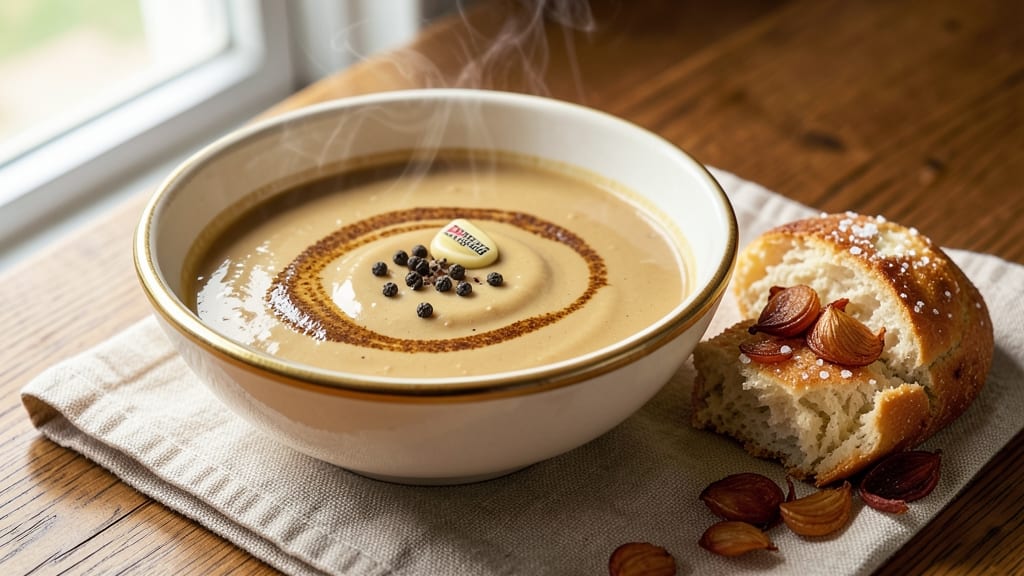
Homemade Campbell's cream of chicken gravy delivers that same rich, velvety magic you love—but with full control over thickness and flavor.
The secret lies in a proper roux (butter and flour cooked to a golden paste) that creates a smooth, lump-free base, then building layers of savory chicken broth and velvety cream.
I’ve perfected this version after years of testing, ensuring it clings perfectly to mashed potatoes while staying silky, not gluey.
What sets this apart is the balance of ingredients: high-quality chicken broth for depth, a touch of Dijon mustard for subtle tang, and just enough cream to round out the richness. The thickening process is foolproof—simmering the roux until it reaches the perfect consistency ensures no thin spots or clumps.
This gravy isn’t just a sauce; it’s a flavor enhancer that transforms ordinary sides into something restaurant-worthy.
Ready in just 15 minutes, this gravy delivers professional results without the canned shortcuts. The aroma alone—warm, buttery, with a hint of savory chicken—will have everyone asking for seconds.
Store leftovers in the fridge for up to 5 days or freeze for 3 months, making it the ultimate pantry staple for quick weeknight dinners.
Use it to elevate mashed potatoes, biscuits, or even as a drizzle for roasted vegetables. The key is patience during the roux stage—don’t rush it, or the gravy will break. Here’s how to make it perfectly every time.
Ingredients for campbell's cream of chicken gravy
Five minutes of prep, one roux, endless flavor. This gravy is restaurant-quality without the shortcuts.
| Ingredient | Amount | Notes |
|---|---|---|
| Unsalted Butter 🧈 | ½ cup | Cold, cubed for even cooking |
| All-Purpose Flour 🌾 | ½ cup | Sifted for smooth texture |
| Chicken Broth 🍲 | 2 cups | Homemade or quality store-bought |
| Heavy Cream 🥛 | ½ cup | Full-fat for richness |
| Dijon Mustard 🍯 | 1 tbsp | For subtle tang |
| Salt 🧂 | ½ tsp | Diamond Crystal preferred |
| Ground Black Pepper 🌶️ | ¼ tsp | Freshly ground |
| Garlic Powder 🧄 | ½ tsp | Not garlic salt |
| Dried Thyme 🌿 | ¼ tsp | Or 1 tsp fresh |
| Worcestershire Sauce 🍶 | 1 tbsp | For umami depth |
The butter and flour make all the difference here. Use European-style butter if you can find it—higher fat content means richer flavor. The flour should be all-purpose, sifted to avoid lumps. For the broth, homemade is ideal, but Swanson or Pacific Foods are solid store-bought options. I always grab the low-sodium version to control the seasoning myself. The Dijon mustard? Maille or Whole Foods brand has the perfect balance of tang without overpowering. Freshly ground pepper and garlic powder are worth the extra minute—they make a noticeable difference.
No heavy cream? Half-and-half or even whole milk works in a pinch, but the texture will be thinner. Short on Dijon? Yellow mustard at half the amount gets you close. The Worcestershire sauce is non-negotiable for that savory depth—Lea & Perrins is the gold standard. No fresh thyme? Dried works at one-third the amount. The roux is where most people mess up: cook it until it's a golden, peanut butter-like consistency—not brown, not pale. That's your flavor foundation right there.
This gravy reheats beautifully—just warm it gently on the stove, stirring constantly. Keeps in the fridge for 5 days in an airtight container, or 3 months frozen. I like to portion it into small jars (like Ball mason jars) for easy serving. The texture changes slightly when reheated, so I always make extra the first time. Leftovers? Perfect for drizzling over roasted veggies or even using as a soup base.
Why You'll Love This Recipe
- Five-Ingredient Magic: I swear by this combo—just butter, flour, broth, cream, and a splash of Dijon. That mustard? It’s the secret that keeps it from tasting like plain old canned gravy. Honestly, I’ve made it a dozen times, and it never fails to impress.
- Weeknight Workhorse: Slap it on mashed potatoes, dump it over biscuits, or drizzle it on roasted veggies. The best part? It’s ready while whatever you’re serving is still cooking. (Yes, even on a Tuesday night when you’re exhausted.)
- Leftovers That Shine: Make a double batch—it reheats like a dream. The flour-butter roux thickens perfectly every time, so no one will guess it’s been sitting in the fridge. My kids actually ask for it the next day.
- Rich Without the Splurge: Heavy cream makes it velvety, but it’s not fancy. A box of broth and a stick of butter keep costs low, and the Dijon adds depth for pennies. Between us, this is my go-to when I need comfort food that won’t break the bank.
Step-by-step instructions for creamy homemade gravy
This velvety gravy comes together in minutes with simple technique and the right ingredients.
Melt Butter and Whisk in Flour
Melt the 0.5 cup unsalted butter in a medium saucepan over medium heat. Let it bubble gently but not brown—you want it to foam and smell nutty, not toasted. Once fully melted, immediately whisk in the 0.5 cup all-purpose flour all at once. Keep whisking continuously for 2-3 minutes until the mixture turns a pale golden color and smells toasty.
This step, called a roux, is where all the magic happens. The flour's starch molecules will thicken your gravy beautifully. If you notice any lumps forming, press them against the side of the pan with your whisk to break them up. The roux should be smooth and uniform—this ensures your gravy won't be grainy later.
Gradually Add Chicken Broth
Slowly pour in the 2 cups chicken broth, whisking constantly to prevent clumping. Start with just a splash at first, then gradually add more while maintaining a steady stream. The mixture will thicken immediately as the flour absorbs the liquid. Keep whisking vigorously for 3-4 minutes until the gravy reaches a smooth, creamy consistency.
Here's the thing—you want to cook the raw flour flavor out completely. The gravy should coat the back of a spoon and leave a slight sheen. If it's too thick at this point, you can thin it later with a splash of warm broth. But don't rush this step; proper cooking of the flour creates that rich, velvety texture we're after.
Season and Simmer
Add the 1 tbsp Dijon mustard, 0.5 tsp salt, 0.25 tsp ground black pepper, 0.5 tsp garlic powder, 0.25 tsp dried thyme, and 1 tbsp Worcestershire sauce. Stir well to combine all the flavors. Now bring the gravy to a gentle simmer over medium-low heat, stirring occasionally for 5-7 minutes. The mixture should bubble softly but not vigorously.
This simmering time allows all the seasonings to meld together and develop their flavors. You'll notice the aroma becoming more complex—herby from the thyme, savory from the Worcestershire, and that subtle tang from the Dijon. The gravy should be completely smooth with no visible flour particles remaining. If it starts to thicken too much, you can add a splash of warm chicken broth to adjust the consistency.
Finish with Heavy Cream
Reduce the heat to low and stir in the 0.5 cup heavy cream. Let the gravy simmer gently for 2-3 minutes just to warm through. The cream will give your gravy that luxurious richness and silky texture. Taste and adjust the seasoning if needed—you might want to add a pinch more salt or pepper to balance the flavors.
This is where your gravy transforms from good to exceptional. The cream not only adds richness but also creates that perfect mouthfeel. For the best results, serve the gravy immediately over your mashed potatoes. The heat from the potatoes will help meld all the flavors together beautifully. If you need to reheat later, do so gently over low heat to prevent curdling of the cream.
Pro Tips For Making Campbell'S Cream Of Chicken Gravy
- Whisk Like You Mean It: The moment you add broth to the roux, stop stirring and let it bubble. I used to whisk constantly, and my gravy always ended up lumpy—like someone dropped a handful of flour into a snowstorm. Give it 30 seconds of untouched simmering to fully incorporate, then whisk in just the broth. Your future gravy will be smoother than a politician’s apology.
- Salt the Butter First: Unsalted butter needs seasoning before it hits the pan. Toss in a pinch of salt (about ¼ teaspoon per tablespoon of butter) while melting—this carries flavor through the whole dish. Skipping this means your gravy tastes like it’s missing half its soul, and no one wants that.
- Temper the Cream Slowly: Heavy cream and hot roux are an angry couple—dump it in too fast, and you’ll end up with scrambled eggs. Ladle the cream in while whisking, a splash at a time, until the mixture thickens. Sounds tedious, but it’s the difference between velvety gravy and a sad, broken sauce.
- Use Cold Broth: Warm or hot broth will cook the flour before it can form a proper roux, leading to a gluey mess. Keep your chicken broth chilled until the very last second—pour it in when the butter-flour mix is golden and bubbling, not when it’s already turning into paste. Trust me, your gravy will thank you.
Regional styles of this recipe
Southern Comfort Style
In the South, this gravy gets a heartier twist with the addition of 1 cup cooked chicken shredded directly into the simmering broth. I like to use leftover roasted chicken for extra flavor depth.
For an authentic touch, stir in 1 tbsp apple cider vinegar at the end—it brightens the richness while keeping the gravy clingy. Serve it over buttery cornbread dressing or fluffy biscuits for that classic Southern Sunday dinner feel. 🍗
Midwest Homestyle Twist
The Midwest version keeps it simple but adds a comforting touch with ½ cup cream cheese blended into the finished gravy. This creates an ultra-smooth, almost velvety texture that pairs perfectly with creamy mashed potatoes>.
I also recommend adding ½ tsp onion powder and ½ tsp smoked paprika for subtle warmth. This version is especially popular in Minnesota and Wisconsin, where hearty meals are a way of life. 🥔
New England Clam Chowder Fusion
For a coastal twist, stir in ½ cup clam juice and 1 tbsp Old Bay seasoning when adding the chicken broth. Finish with 2 tbsp chopped fresh parsley and a splash of heavy cream>>>.
This version works beautifully as a topping for New England clam chowder or even as a sauce for lobster rolls. The briny notes from the clam juice elevate the gravy's savory profile in a way that feels distinctly coastal. 🦪
Texas BBQ Gravy
Take this gravy to the next level by adding 1 tbsp smoked paprika and ½ tsp cayenne pepper during the seasoning step. For an extra kick, stir in 2 tbsp chipotle powder>>>>>>>>>>>>>>>>>>>>>>>>>>>>>>>>>>>>>>>>>>>>>>>>>>>>>>>>>>>>>>>>>>>>>>>>>>>>>>>>>>>>>>>>>>>>>>>>>>>>
Nutrition facts
Frequently asked questions
Can I make this gravy without heavy cream?
Yes! Swap the 0.5 cup heavy cream for 0.5 cup whole milk or half-and-half for a lighter version. The texture will be slightly thinner but still delicious. For extra richness, use ½ cup sour cream instead—it adds tanginess that balances the savory flavors perfectly.
Why did my gravy turn out lumpy?
Lumps usually happen when the roux (butter/flour mix) isn't cooked long enough or whisked properly. Always whisk continuously for 2-3 minutes until the roux is smooth and golden. If lumps appear later, blend the gravy briefly with an immersion blender for a silky finish.
How can I adjust the consistency?
Too thick? Thin with 1-2 tbsp warm chicken broth at a time. Too thin? Simmer uncovered for 2-3 minutes to reduce. For extra clinginess (like canned gravy), whisk in 1 tsp cornstarch mixed with 1 tbsp cold water until thickened.
Can I make this ahead of time?
Store in an airtight container in the fridge for up to 5 days or freeze for 3 months. Reheat gently on low heat, stirring constantly to prevent separation. For best texture, add a splash of warm broth or cream when reheating.
What are the best sides to serve with this gravy?
This gravy shines over creamy mashed potatoes, buttery biscuits, or roasted vegetables. For a hearty meal, pair it with fried chicken or herb-roasted potatoes. The creamy texture also works beautifully as a drizzle for clam chowder or cornbread.