
Main Courses
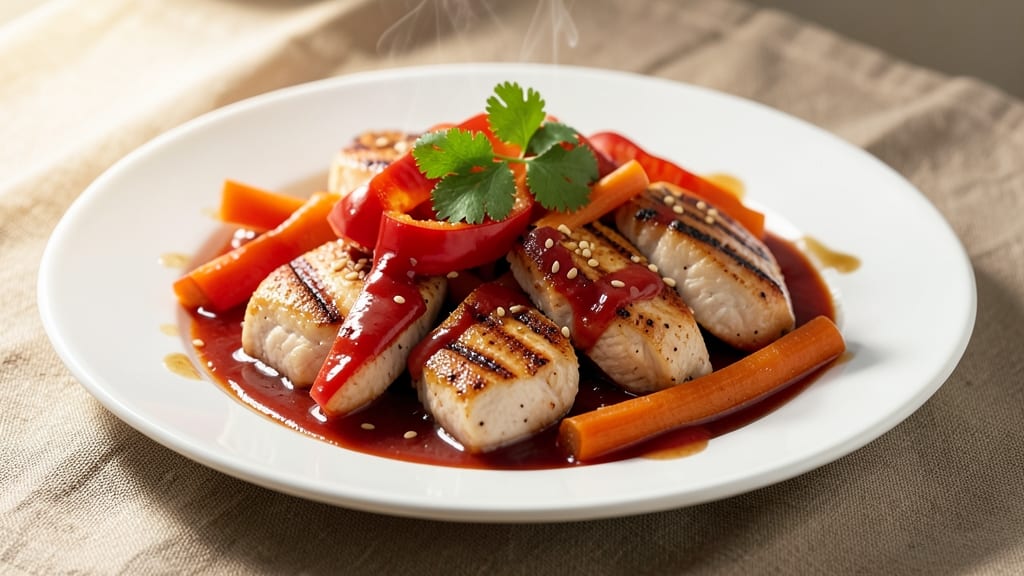
Transforming weeknight dinners into restaurant-quality meals doesn’t require hours in the kitchen—just Campbell's chicken stir fry with its rich, flavorful broth base and one-pan simplicity.
This recipe delivers a sauce-packed meal in 25 minutes, perfect for busy professionals or anyone craving a quick yet satisfying dinner without sacrificing depth of flavor. The secret lies in balancing Campbell’s creamy tomato broth with bold seasonings and fresh vegetables, creating a dish that’s both hearty and effortless.
What sets this stir fry apart is its ability to transform simple ingredients into something extraordinary with minimal effort. You’ll start with chicken breast cut into bite-sized pieces, sautéed until golden, then simmered in a fragrant blend of garlic, ginger, and Campbell’s broth.
The result is tender chicken swimming in a velvety sauce, infused with the natural sweetness of tomatoes and the savory umami of the broth. This method ensures every bite is packed with flavor, yet the recipe remains accessible for home cooks of all skill levels.
The beauty of this dish lies in its versatility—adjust the vegetables based on what’s fresh at your market, or swap in shrimp for a seafood twist. The sauce clings perfectly to the chicken and veggies, creating a cohesive, restaurant-worthy meal that’s ready in under half an hour.
Whether you’re feeding a family or meal prepping for the week, this stir fry delivers restaurant-quality results with a fraction of the fuss. Let’s get started on a dish that’s as rewarding to make as it is delicious to eat.
Serve this stir fry over steamed rice or noodles for a complete meal, or pair it with a side of garlic bread to soak up every last drop of that flavorful sauce. The dish holds up well when reheated, making it ideal for lunches or leftovers.
With just a few pantry staples and 25 minutes of active time, you’ll have a dish that’s sure to become a weeknight staple. Here’s how to make it happen.
Ingredients for campbell's chicken stir fry
Pantry staples plus a few fresh veggies—this stir fry comes together faster than takeout.
| Ingredient | Amount | Notes |
|---|---|---|
| Boneless, Skinless Chicken Breast 🍗 | 1 ½ lb | Cut into 1-inch bite-sized pieces |
| Campbell's Cream of Tomato Soup 🍅 | 1 can | 24 oz can, undiluted |
| Extra-Virgin Olive Oil 🫒 | 2 tbsp | For high-heat sautéing |
| Garlic Cloves 🧄 | 3 cloves | Minced for aromatic base |
| Fresh Ginger 🌿 | 1 tbsp | Grated, fresh preferred |
| Low-Sodium Soy Sauce 🍶 | 2 tbsp | For umami depth |
| Carrots 🥕 | 1 ½ cups | Julienned or thinly sliced |
| Bell Peppers 🌶️ | 1 cup | Any color, diced |
| Snapped Green Beans 🌱 | 1 cup | Trimmed, fresh or frozen |
| Honey 🍯 | 1 tbsp | For sauce balance |
| Cornstarch 🌾 | 1 tsp | For sauce thickening |
| Salt 🧂 | ½ tsp | Adjust to taste |
| Ground Black Pepper 🌶️ | ¼ tsp | Freshly ground preferred |
| Sesame Oil 🫒 | 1 tsp | For finishing aroma |
| Cooked White Rice 🍚 | 2 cups | For serving base |
The Campbell's soup is the unsung hero here—grab the 24 oz can (not the condensed version) for that creamy, tomato-rich base. Fresh ginger and garlic? Asian markets usually have the best prices, but the regular grocery store works too. Look for ginger with tight skin and no soft spots. The chicken should be boneless, skinless breasts—thighs work but cook faster, so watch them closely. I always cut mine into even 1-inch pieces so everything cooks at the same rate. Prep all your veggies first—julienne the carrots and dice the bell peppers while the chicken rests.
No fresh ginger? Ground ginger at half the amount works in a pinch, but it's not the same. Swap the bell peppers for broccoli florets if you're feeling fancy, or keep it simple with frozen stir-fry veggie mix. The soy sauce can be regular, but low-sodium gives you more control over the salt level. Sesame oil is optional but adds that restaurant-quality aroma—Trader Joe's sells it cheap. For a vegetarian twist, swap the chicken for extra-firm tofu pressed and cubed. The cornstarch is key for thickening—don't skip it unless you like a thinner sauce.
This reheats beautifully—just add a splash of water or broth to loosen the sauce. Keeps for 4 days in the fridge, or 3 months frozen in portion-sized containers. I double the recipe on Sundays and freeze half for lazy nights. The rice? Cook a big batch ahead—it's perfect cold for lunches too. Store the sauce separately if you're prepping ahead, then toss with rice and veggies when ready to eat.
Why You'll Love This Recipe
- Here’s what sold me: that Campbell’s Cream of Tomato isn’t just a shortcut—it’s the flavor anchor. The smoky, slightly sweet base lets the garlic and ginger shine without overpowering, and the chicken soaks up just enough richness to stay juicy. Not too heavy, not too light—just right.
- One-Pan Magic: I swear by this recipe because it’s the rare dish where cleanup is basically optional. Sear the chicken in olive oil, toss in garlic and ginger, then just pour in that creamy tomato soup—no extra bowls, no mess. My countertop stays clear, and my sanity stays intact.
- Soup Secret: Here’s what sold me: that Campbell’s Cream of Tomato isn’t just a shortcut—it’s the flavor anchor. The smoky, slightly sweet base lets the garlic and ginger shine without overpowering, and the chicken soaks up just enough richness to stay juicy. Not too heavy, not too light—just right.
- Lunchbox Hero: Between us, this is my go-to for meal prep because it doubles perfectly. Cook once, reheat twice (or three times), and it’s still solid. Pack it in containers for work, or serve it over rice for a quick dinner—my college-aged kid lives for it, and he’s the toughest critic.
Step-by-step instructions for Campbell's chicken stir fry
This one-pan stir fry comes together faster than takeout—here's how to make it shine.
Prep the Chicken and Veggies
Start by cutting the 1.5 lb boneless, skinless chicken breast into 1-inch bite-sized pieces. I like to slice them against the grain for more tender bites. While the chicken rests, prep all your vegetables: julienne the 1.5 cups carrots into thin matchsticks, dice the 1 cup bell peppers into small cubes, and snap the 1 cup snapped green beans into 1-inch lengths. Real talk—don't skip prepping everything first. You'll thank me when you're not scrambling mid-cook.
Mince the 3 cloves garlic cloves and grate the 1 tbsp fresh ginger using a microplane. The finer the ginger, the more flavor it releases. Set these aside with your veggies. Here's the thing—if you're using frozen green beans, give them a quick rinse and pat dry before adding to the pan. Excess moisture makes the stir fry soggy, and nobody wants that.
Cook the Chicken in Olive Oil
Heat a large skillet or wok over medium-high heat and add the 2 tbsp extra-virgin olive oil. Let it get hot for about 1 minute—you should see gentle ripples when you flick the oil with your finger. Add the chicken pieces in a single layer, giving them space to brown without crowding. Cook undisturbed for 3-4 minutes until the edges turn golden and the chicken is no longer pink in the center.
Here's where it gets fun—toss the chicken with a pair of tongs and cook for another 2-3 minutes until everything is evenly browned. If your chicken starts sticking, don't panic. Just lower the heat slightly and let it cook through. The goal is golden chicken with just a hint of char—this builds flavor faster than any sauce. Once done, transfer the chicken to a plate and set it aside.
Build the Sauce Base
In the same skillet (no need to clean it—those browned bits are flavor gold), add the julienned carrots, diced bell peppers, and snapped green beans. Stir-fry for 3-4 minutes until the vegetables start to soften but still have a slight bite. You want them tender-crisp, not mushy. Add the minced garlic and grated ginger, cooking for 30 seconds until fragrant—this is where the real flavor develops.
Pour in the 1 can Campbell's cream of tomato soup, 2 tbsp low-sodium soy sauce, and 1 tbsp honey. Stir everything together and let it simmer for 3-4 minutes until the sauce starts to thicken slightly. If it's too thick, add 1-2 tablespoons of water to loosen it up. The sauce should coat the back of a spoon but still be pourable. Here's the moment that matters: sprinkle in the 1 tsp cornstarch and stir vigorously for 1 minute until the sauce becomes glossy and thickens noticeably.
Combine and Finish
Return the chicken to the skillet and stir everything together, letting it cook for 2-3 minutes until everything is heated through and coated in the sauce. Taste and adjust seasoning with the 0.5 tsp salt and 0.25 tsp ground black pepper if needed. The sauce should be balanced—sweet from the honey, tangy from the tomato soup, and umami-rich from the soy sauce. If it needs more depth, add a splash more soy sauce.
Drizzle in the 1 tsp sesame oil and toss everything together one last time. The sesame oil adds a nutty aroma that ties all the flavors together. Serve the stir fry immediately over 2 cups cooked white rice—this dish doesn't wait. The rice soaks up the extra sauce, making every bite packed with flavor. Garnish with extra sesame seeds if you're feeling fancy, but honestly, it's already delicious as-is.
Pro Tips For Making Campbell'S Chicken Stir Fry
- Cut Chicken Thin: Skinless breasts stay juicy when sliced against the grain—about ¼-inch thick. I used to fight with my knife until I realized the grain direction matters more than speed. Thinner slices cook faster and soak up the soup’s richness better.
- Sauté Garlic Low: The soup’s acidity burns garlic fast—pull the pan off heat the second it’s fragrant. I learned this after turning my kitchen into a smoke-filled war zone twice. Just a minute of toasting is enough; overdoing it makes the whole dish bitter.
- Deglaze First: After browning the chicken, splash in ¼ cup water or broth and scrape the pan clean before adding the soup. The fond (those brown bits) adds depth, and skipping this step means flavor hiding in the back of the pan instead of your dish.
- Stir in Stages: Don’t dump the soup all at once—add half, let it simmer 2 minutes, then add the rest. The chicken absorbs the sauce better this way, and you won’t end up with a watery mess. I used to pour it all in at once and always regretted it.
Troubleshooting your campbell's chicken stir fry
Chicken Overcooking
Your chicken turns out dry and rubbery? That’s usually a heat issue. I see this happen when people crank the heat too high or leave the chicken in the pan too long after it’s cooked. Chicken should reach 165°F internal temperature—use an instant-read thermometer to check.
Remove the chicken from the pan when it’s just barely cooked through, then finish it in the sauce. The residual heat will carry it to perfection. 🌡️
Sauce Too Thin
The sauce ending up watery? You likely skipped the cornstarch or didn’t cook it long enough. The 1 tsp cornstarch is non-negotiable—it’s what gives that glossy, restaurant-quality consistency. If your sauce still seems thin after adding cornstarch, let it simmer for an extra 1-2 minutes.
For a quick fix, mix ½ tsp cornstarch with 1 tsp water, stir into the sauce, and cook for 30 seconds until thickened.
Vegetables Too Soft
Mushy veggies ruin the texture contrast we all love in stir-fry. The key is timing—vegetables should cook just until tender-crisp, not mushy. Add harder veggies like carrots first, then softer ones like bell peppers and green beans.
Cook them separately in batches if needed, then combine at the end. I often stir-fry the veggies for 2-3 minutes max before adding the sauce. 🥕
Sauce Too Salty
Over-salted sauce happens when using regular soy sauce instead of low-sodium. If your dish tastes too salty, balance it with a touch of sweetness—add ½ tsp honey or 1 tsp sugar to the sauce.
For a more dramatic fix, stir in 1 tbsp tomato paste to dilute the saltiness while adding depth. Taste as you go—this sauce is forgiving, but timing is everything.
Stir Fry Sticking
Nothing ruins a stir-fry faster than stuck-on bits. This usually happens when the pan isn’t hot enough or the oil isn’t properly heated. Always use medium-high heat and let the oil get shimmering hot before adding ingredients.
If it starts sticking mid-cook, lower the heat slightly and give it a few seconds to release. A well-seasoned wok or cast-iron skillet helps too—I swear by my Lodge cast iron for this recipe.
Frozen Veggies Soggy
Using frozen veggies without prepping them right leads to a watery stir-fry. Always rinse frozen veggies and pat them completely dry before adding to the pan. Excess moisture steams the veggies instead of sautéing them.
For extra insurance, spread them on a paper towel-lined plate and let them air-dry for 5 minutes before cooking. This simple step makes a world of difference in texture. 🌱
Nutrition facts
Frequently asked questions
Can I use chicken thighs instead of breasts?
Chicken thighs work beautifully—they stay juicier and add richer flavor. Just reduce cooking time to 2-3 minutes per side since thighs cook faster than breasts. For even better results, pat them dry first to prevent excess moisture in the pan.
What if I don't have Campbell's cream of tomato soup?
No problem! Use 1 cup tomato sauce + ½ cup chicken broth for a similar base, or swap for 1 cup coconut milk + 1 tbsp tomato paste for a creamy, tropical twist. Adjust seasoning to taste—this stir fry is versatile enough to handle substitutions.
How do I make this gluten-free?
Replace the soy sauce with 2 tbsp gluten-free tamari or coconut aminos and check Campbell's label for gluten-free certification. Most canned soups are gluten-free, but always verify. The cornstarch can be swapped for arrowroot powder if needed.
Can I meal prep this ahead of time?
Yes, but store components separately! Cook the chicken and veggies, then refrigerate them in one container. Keep the sauce in another container—reheat everything together for 2-3 minutes until warmed through. The sauce will thicken as it reheats, so add a splash of water if needed.
What's the best way to serve leftovers?
Reheat gently in a skillet with 1 tsp sesame oil to restore that restaurant-quality aroma. Serve over microwaveable rice or cold rice for a texture contrast. For extra flavor, top with chopped green onions or sesame seeds right before eating.