
Appetizers
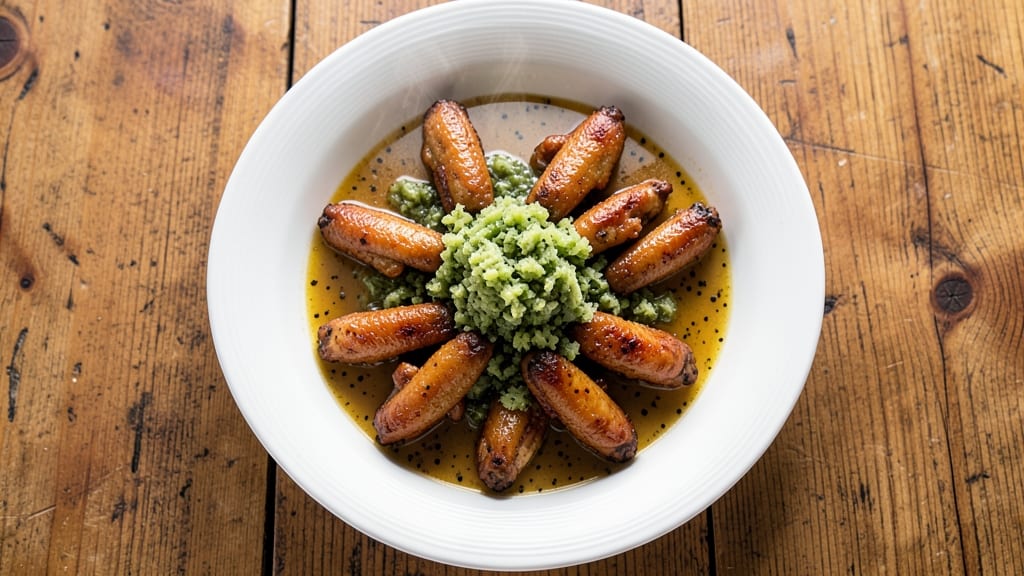
Boiled chicken wings deliver a crispy-tender texture and bold flavor that transforms them from simple appetizer to crowd-pleasing centerpiece. Growing up in Georgia, I learned this technique from my grandmother, who perfected the art of boiling wings until they're juicy inside with just enough bite.
The secret lies in precise water temperature and timing—something I've refined over years of testing in my professional kitchen.
This recipe combines celery-crusted wings with a tangy vinegar brine that keeps them moist while adding a bright, zesty kick. Unlike frying or baking, boiling preserves natural juices while allowing for crispy coatings when finished properly.
The process takes about 30 minutes from start to finish, making it ideal for game day gatherings or weeknight meals when you crave something satisfying without heavy prep.
What you'll achieve is wings with crunchy celery crusts, tender meat, and a vinegar-infused bite that balances richness perfectly. The brine ensures they stay juicy, while the celery coating adds a refreshing crunch that disappears with each bite.
This method delivers restaurant-quality results at home—no deep fryer or smoker required.
Serve with classic ranch or blue cheese dressing, or try them with a side of spicy honey glaze for extra flair. The versatility of boiled wings makes them perfect for parties, meal prep, or even a quick lunch. Let's get started with this foolproof technique that always impresses.
Ingredients for boiled chicken wings
Six ingredients transform simple wings into Georgia-style crunchy-tender perfection with vinegar bite.
| Ingredient | Amount | Notes |
|---|---|---|
| Chicken Wings 🍗 | 3 lb | Flattened slightly for even cooking |
| Celery Stalks 🥬 | 2 whole | Fresh, tough strings removed |
| White Vinegar 💧 | 1 cup | Distilled preferred for clarity |
| Water 💧 | 4 cups | Filtered or bottled for purity |
| Salt 🧂 | 2 tbsp | Diamond Crystal kosher preferred |
| Black Peppercorns 🌶️ | 1 tbsp | Freshly cracked for aroma |
| Garlic Cloves 🧄 | 4 cloves | Smashed lightly for infusion |
| Lemon Juice 🍋 | 2 tbsp | Freshly squeezed for brightness |
| Butter 🧈 | ½ cup | Unsalted, melted for coating |
| All-Purpose Flour 🌾 | ¼ cup | For light dusting |
| Dried Thyme 🌿 | 1 tsp | Or 1 tbsp fresh thyme leaves |
| Paprika 🌶️ | 1 tsp | Smoked for depth of flavor |
The wings need to be raw, never frozen, and roughly the same size for even cooking. Costco or local butchers often sell them pre-cut and trimmed, saving you time. Look for wings with a good balance of meat and bone—too much bone means less flavor per bite. If you're buying whole wings, split the drumettes and flats yourself for more even cooking. The celery should be crisp and vibrant; organic celery from the grocery store's produce section works perfectly, but avoid anything wilted or rubbery. For the vinegar, white vinegar is ideal—apple cider vinegar adds a fruity note that might overpower the celery's clean crunch.
No celery? Substitute finely chopped fennel or extra-leaf lettuce for a similar texture, though the flavor won't be identical. Running short on butter? Olive oil works in a pinch, but it won't give the same rich coating. The brine relies on the vinegar's acidity to tenderize the wings, so don't skip it—even if you're in a hurry. For extra flavor, add a pinch of cayenne or a splash of hot sauce to the brine. The smoked paprika is optional but adds a subtle depth that pairs beautifully with the celery's freshness. If you're prepping ahead, pat the wings dry after boiling to help the celery crust adhere better later.
Boiled wings keep beautifully in the fridge for 3-4 days, stored in an airtight container with a paper towel to absorb excess moisture. For longer storage, freeze them for up to 3 months—just thaw overnight in the fridge before reheating. The celery crust stays crispy when reheated gently in the oven at 350°F for 5-7 minutes. Double the batch if you're feeding a crowd; these wings reheat just as well the second time around. Leftovers make fantastic sandwiches or salads the next day—just toss them in a bowl with your favorite greens and dressing.
Why You'll Love This Recipe
- Five-Ingredient Magic: I swear by this combo—just wings, celery, vinegar, water, and salt. That’s it. No fancy prep, no hidden ingredients, and somehow it still delivers.
- Crispy-Tender Payoff: The vinegar does something wild—it keeps the wings juicy inside while giving them that satisfying snap. Honestly, I’ve tried every other method, and this one’s my go-to.
- Game Day Staple: Between us, this is my secret weapon for tailgates or lazy Sundays. Double the batch, toss in some paper towels, and boom—you’ve got a crowd-pleaser that’s still under $10.
Step-by-step instructions for boiled chicken wings
Here's how to transform simple wings into crispy, celery-crusted bites with a tangy vinegar kick.
Prepare the Celery Crust and Flavor Base
Start by processing the 2 whole celery stalks into a fine, wet pulp using a food processor or sharp knife. You want it to resemble coarse sandpaper texture—this will create the signature crunch. In a small bowl, combine the celery pulp with the 1 cup white vinegar, 2 tbsp lemon juice, and the 1 tbsp freshly cracked black peppercorns. Mix thoroughly and let this sit while you prepare the wings.
The vinegar and lemon juice work together to tenderize the wings while building that signature tangy bite. Don't skip cracking the peppercorns—whole peppercorns won't infuse properly. This mixture will form the foundation of your crust, so make sure it's evenly combined.
Season and Coat the Wings
Pat the 3 lb chicken wings completely dry with paper towels—this is crucial for crispiness. In a large bowl, combine the wings with the celery-vinegar mixture, ensuring each wing is thoroughly coated. Let them marinate for at least 30 minutes, but I prefer 1 hour for maximum flavor penetration.
While the wings marinate, melt the 0.5 cup butter in a small saucepan over low heat. Remove from heat and stir in the 1 tsp dried thyme and 1 tsp paprika until fully incorporated. Let this butter mixture cool slightly, then transfer it to a shallow dish. Lightly dust the wings with the 0.25 cup all-purpose flour, shaking off any excess.
Boil the Wings to Tender Perfection
In a large pot, combine the 4 cups water and 2 tbsp salt. Bring to a rolling boil over high heat, then carefully add the wings. Reduce heat to maintain a gentle simmer and cook for 15 minutes. This initial boil helps tenderize the meat without overcooking it.
After 15 minutes, use a slotted spoon to remove the wings and transfer them to a colander to drain. Return the pot to high heat and bring the water back to a boil. Add the 4 smashed garlic cloves and simmer for 2 minutes to infuse the cooking liquid with flavor.
Build the Crispy Celery Crust
Heat a large skillet over medium-high heat. Working in batches to avoid crowding, add the wings to the hot skillet. Cook for 3-4 minutes per side until they develop a golden-brown crust. This is where the magic happens—the butter you brushed on earlier helps create that beautiful caramelization.
As each batch cooks, carefully transfer the wings to a paper towel-lined plate to drain excess butter. The crispy exterior should hold its shape when you lift it with tongs. If any wings aren't golden enough, return them to the skillet for another 30 seconds.
Finish with Garlic-Infused Liquid
Return all the wings to the pot with the garlic-infused cooking liquid. Bring to a gentle simmer and cook for an additional 5-7 minutes, allowing the wings to absorb that garlicky flavor. The liquid should reduce slightly, creating a glossy sheen on the wings.
Serve immediately while the wings are still crispy and the celery crust holds its texture. The combination of the vinegar-marinated wings, celery crust, and garlic-infused liquid creates a perfect balance of tangy, crunchy, and savory flavors that will disappear faster than you can say "buffalo wings."
Pro Tips For Making Boiled Chicken Wings
- Trim the Fat First: Pat those wings dry after trimming excess fat—it’s the thing that matters most for even cooking. I learned this the hard way when my first batch turned greasy and uneven; now they boil up crisp and clean every time.
- Salt the Water Hard: Toss in at least 2 tablespoons of salt per gallon of water—more than you’d use for pasta. The celery and wings need that briny punch to stay crisp and seasoned deep, not just on the surface.
- Don’t Overpack the Pot: Crowding the pot steams the wings instead of boiling them. Leave enough space so they float freely—this keeps the water hot and the texture tender, not soggy.
- Vinegar at the End: Add the white vinegar in the last 5 minutes of cooking—it brightens the broth and tenderizes the wings without making them rubbery. I used to dump it in early, and the flavor always felt flat.
Flavor customization for these flavors
Spicy Vinegar Kick
For a fiery twist, add 1 tbsp hot sauce or 2 tsp cayenne powder to the vinegar brine before marinating the wings. I like Crystal or Tabasco for that classic heat without overpowering the celery's freshness.
If you want smoky heat, swap half the white vinegar for apple cider vinegar and add ½ tsp smoked paprika—this combo gives a Carolina-style kick. 🌶️
Herb-Infused Variations
Swap the thyme for 1 tbsp fresh rosemary or 1 tsp dried oregano in the butter mixture for a Mediterranean touch. I once made a version with lemon zest and parsley in the celery crust that tasted like a bright, citrusy spring day.
For a Southern twist, add ½ tsp ground mustard to the butter for depth.
Sweet and Tangy Glaze
After boiling, toss the wings in 2 tbsp honey mixed with 1 tbsp soy sauce and 1 tsp sesame oil for an Asian-inspired glaze. The sweetness balances the vinegar's tang perfectly.
For a quicker version, brush them with spicy honey glaze (mix ¼ cup honey with 1 tbsp sriracha) after crisping in the skillet.
Celery Substitutes
No celery? Use finely chopped fennel for a licorice-like crunch or extra-leaf lettuce for a milder texture. I once used crushed potato chips (like Kettle Brand salt & vinegar) for a salty crunch—it worked surprisingly well!
For a nutty option, pulse ½ cup almond flour with the vinegar mixture instead of celery.
Extra Crispy Options
For maximum crunch, coat the wings in crushed cornflakes or panko breadcrumbs after boiling and before skillet crisping. I also like a double-dip method: after the celery-vinegar marinade, dip wings in beaten egg then coat with crushed cornflakes before skillet finishing.
This adds a buttery, crackly texture that disappears with each bite. 💫
Smoky BBQ Twist
Add 1 tbsp BBQ rub (like Montana BBQ Company's competition blend) to the butter mixture for a smoky depth. After boiling, toss the wings in ½ cup BBQ sauce (I recommend Sweet Baby Ray's Original) and broil for 2-3 minutes to caramelize.
This gives you a hybrid of boiled and smoked flavors with minimal effort.
Nutrition facts
Frequently asked questions
Why do these wings need to marinate in vinegar?
The vinegar brine serves two key purposes: it tenderizes the chicken by breaking down proteins, and it infuses that signature tangy bite. The acidity helps create a crispy exterior while keeping the meat juicy inside. Don't skip this step—it's what makes these wings taste so distinct from regular boiled chicken.
Can I use frozen chicken wings for this recipe?
No, always use raw wings that are fresh or thawed completely first. Frozen wings release moisture when cooking, which can dilute the celery crust and make it less crispy. If you're short on time, thaw them in cold water for 20-30 minutes before starting the recipe.
How do I get the celery crust to stay crispy?
The secret is proper drying and timing: pat the wings completely dry after boiling, and cook them in batches in a hot skillet for just 3-4 minutes per side. Overcrowding the pan steams instead of crisps. For extra crunch, broil for 1-2 minutes at the end if needed.
What's the best way to reheat leftover wings?
For maximum crispiness, reheat in a 350°F oven for 5-7 minutes on a wire rack. Avoid microwaving—they'll get soggy. If you need a quick fix, air fry at 375°F for 3-4 minutes to restore that crunchy texture.
Can I make this recipe without celery?
Try finely chopped fennel for a licorice-like crunch or crushed potato chips (like salt & vinegar) for a salty snap. For a nutty option, pulse ½ cup almond flour with the vinegar mixture. Just remember these substitutes won't taste identical but will still create texture.