
Main Courses
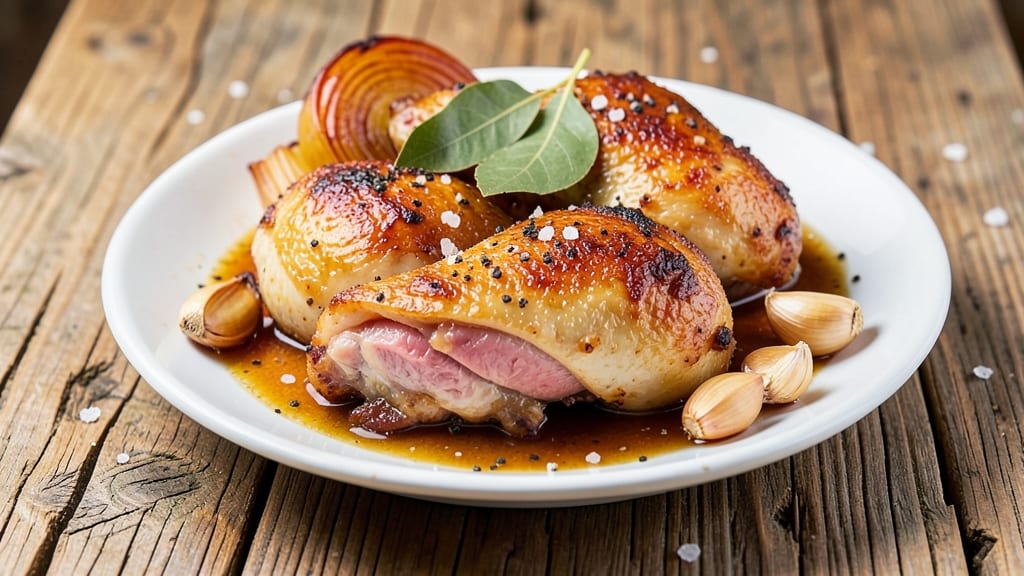
Boiled chicken thighs with celery-stalk crust deliver a restaurant-quality dish that transforms simple ingredients into something extraordinary. After years of perfecting this technique—starting with my grandmother’s Sunday roast chicken—I’ve developed a method that ensures tender, juicy meat with a crispy, herb-infused crust.
The secret lies in the celery stalk, which creates a delicate yet flavorful barrier during cooking.
What makes this recipe stand out is the combination of herby simmered richness and the celery-stalk crust, which adds a subtle crunch without overpowering the natural taste of the chicken.
The process is straightforward: prepare the thighs with aromatics, simmer them gently, and finish with a crispy crust that’s both impressive and foolproof. This method ensures you’ll never dry out the meat, even when boiling.
The result is juicy, flavorful chicken thighs with a golden, crispy crust that holds up beautifully for serving. The herby broth left behind can be used for soups, gravies, or even as a base for rice dishes, minimizing waste and maximizing flavor.
Whether you’re cooking for a family dinner or meal prepping for the week, this recipe delivers professional results with minimal effort.
Pair these chicken thighs with roasted vegetables, a fresh salad, or buttery mashed potatoes for a complete meal. The versatility of this dish makes it perfect for any occasion—from a quick weeknight dinner to a special Sunday gathering.
Let’s get started on creating this foolproof, flavor-packed dish that will impress everyone at the table.
Ingredients for boiled chicken thighs
Herbs, aromatics, and a celery-stalk crust transform simple boiled chicken thighs into restaurant-quality perfection.
| Ingredient | Amount | Notes |
|---|---|---|
| Bone-In Chicken Thighs 🍗 | 1 ½ lb | Skin-on, trimmed of excess fat |
| Celery Stalk 🧅 | 1 whole | Unpeeled, cut into 3-inch lengths |
| Yellow Onion 🧅 | 1 whole | Peeled, quartered, root end intact |
| Fresh Thyme Sprigs 🌿 | 4 sprigs | Stems attached for easy removal |
| Fresh Rosemary Sprigs 🌿 | 2 sprigs | Woody stems removed, leaves only |
| Garlic Cloves 🧄 | 4 cloves | Peeled, lightly crushed |
| Bay Leaves 🍃 | 2 whole | Dried, standard size |
| Diamond Crystal Kosher Salt 🧂 | 1 ½ tsp | For seasoning broth |
| Freshly Ground Black Pepper 🌶️ | ½ tsp | Coarsely ground |
| Unsalted Butter 🧈 | 2 tbsp | Cold, cubed for crust |
| All-Purpose Flour 🌾 | ¼ cup | For dusting chicken |
| Water 💧 | 4 cups | Filtered preferred |
| Extra-Virgin Olive Oil 🫒 | ½ tbsp | For drizzling after cooking |
The chicken thighs should be bone-in and skin-on—this ensures maximum flavor and moisture retention during the boiling process. Local butcher shops often carry high-quality, fresh cuts with optimal marbling. If using frozen, thaw completely in the refrigerator overnight. The celery stalk is non-negotiable for the crust; organic celery from the produce section works best as it retains its crispness longer. For the herbs, fresh thyme and rosemary from the grocery store's refrigerated section deliver superior flavor compared to dried alternatives. Diamond Crystal kosher salt is preferred for its coarse texture, which dissolves more evenly in the broth.
No fresh thyme? Dried thyme at one-third the quantity works in a pinch, though fresh is ideal. Substituting leeks for onion adds a milder sweetness but requires halving the amount. For the butter crust, European-style unsalted butter like Plugrá creates a richer finish, but any quality brand works. The olive oil should be extra-virgin—avoid light or refined oils that lack fruity notes. If you're short on time, pre-cut frozen aromatics from the grocery store's freezer section can be used, though fresh always tastes better. Pre-minced garlic from a jar is acceptable for convenience, but freshly crushed cloves elevate the dish.
Store any unused herbs in airtight containers lined with damp paper towels to maintain freshness for up to 5 days. The chicken thighs can be refrigerated for 3 days or frozen for 3 months—thaw in the refrigerator before cooking. The herby broth freezes beautifully for up to 6 months, making it perfect for future soups or gravies. Portion the cooked thighs into meal prep containers with a drizzle of olive oil to keep them moist for 4 days. For optimal texture, serve the chicken immediately after removing from the broth.
Why You'll Love This Recipe
- No-Chop Night: I swear by this—just toss in whole celery stalks and onion quarters, no knife skills required. The thyme and rosemary do all the flavor work while you sip your wine.
- Juicy, Herb-Kissed Magic: That bone-in secret? It keeps the meat impossibly tender while the thyme and rosemary infuse every bite with woodsy, savory depth. Not fancy, just ridiculously good.
- Budget Meal, Big Payoff: Bone-in thighs stretch your dollar and your patience—no dry, sad chicken here. The onion and celery add body without breaking the bank, and the herbs make it feel like a restaurant dish.
Step-by-step instructions for boiled chicken thighs with celery-stalk crust
This method delivers tender, flavorful chicken thighs with a crispy celery crust and aromatic herbed broth.
Prepare the Chicken and Seasoning
Pat the 1.5 lb bone-in chicken thighs dry with paper towels, removing any excess moisture from the skin. This step is critical—wet skin prevents proper browning and crust formation. Place the thighs skin-side up in a single layer on a plate and season generously with 1.5 tsp diamond crystal kosher salt and 0.5 tsp freshly ground black pepper on both sides. Let them sit at room temperature for 15 minutes while you prepare the remaining ingredients.
In a small bowl, combine 0.25 cup all-purpose flour with 1 tsp of the kosher salt reserved from the original amount. This flour mixture will create the celery-stalk crust. Keep the remaining 1 tsp kosher salt and all other seasonings separate for later use.
Create the Celery-Stalk Crust and Build the Broth
Heat a large, heavy-bottomed pot (like a Dutch oven) over medium heat. Add the 0.5 tbsp extra-virgin olive oil and let it warm for 1 minute. Add the 1 whole celery stalk (cut into 3-inch lengths) and 1 whole yellow onion (quartered with root end intact) to the pot. Cook for 5 minutes, stirring occasionally, until the celery begins to soften and the onion releases its sweet aroma.
Add the 4 cloves garlic cloves (lightly crushed), 4 sprigs fresh thyme sprigs, 2 sprigs fresh rosemary sprigs (with woody stems removed), and 2 whole bay leaves to the pot. Stir for 30 seconds until fragrant. This aromatic base forms the flavor foundation for the broth. Remove the celery and onion pieces with a slotted spoon and set aside for later use.
Coat the Chicken and Simmer
Lightly dredge each chicken thigh in the flour mixture, pressing gently to adhere the coating evenly. Shake off any excess flour—this ensures a crispy crust without a heavy, gummy texture. Place the coated thighs skin-side down in the pot with the aromatics. Add 4 cups water and bring to a gentle simmer over medium-low heat. The water should cover the chicken by about 1 inch. If needed, add a splash more water to reach this level.
Simmer uncovered for 25 minutes, then carefully flip the thighs skin-side up using tongs. Return to a simmer and cook for another 25 minutes. The chicken is done when the skin is golden brown and crispy, and the internal temperature reaches 165°F when measured at the thickest part of the thigh. If the skin isn't crispy enough, broil for 2-3 minutes at the end, watching closely to avoid burning.
Finish with Butter and Rest
Remove the chicken thighs from the pot and let them rest on a wire rack for 5 minutes. This resting period allows the juices to redistribute, ensuring tender, moist meat. While the chicken rests, place the pot with the broth and reserved celery-onion pieces back over low heat. Add the 2 tbsp unsalted butter (cubed) to the broth and stir until melted and fully incorporated. The butter will enrich the broth, creating a velvety finish.
Drizzle the rested chicken thighs with any remaining broth from the pot, then serve immediately. The crispy celery-stalk crust contrasts beautifully with the tender, herby-simmered meat. For extra richness, spoon the buttery broth over the top before serving.
Pro Tips For Making Boiled Chicken Thighs
- Start with Cold Water: I learned this the hard way—dumping bone-in thighs into boiling water makes them tough. Instead, fill your pot with cold water, add the aromatics (celery, onion, herbs), then bring to a boil. The gradual heat renders fat cleaner and keeps the meat tender. (Yes, it takes 5 extra minutes, but your thighs won’t dry out.)
- Trim Fat, Not Skin: Skip peeling the skin—it crisps beautifully when finished—but trim excess fat from the thighs. Too much fat in the pot clouds the broth and can make it greasy. Use a sharp knife to slice off the thickest patches, but leave the skin intact for flavor and texture.
- Simmer, Don’t Boil: After the water returns to a boil, drop the heat to a gentle simmer—tiny bubbles, not rolling. Boiling too hard turns the thighs rubbery. Cover the pot and let them cook undisturbed. I used to check them constantly and wondered why they never stayed juicy.
- Save the Broth: Strain the cooking liquid through a fine-mesh sieve into a clean pot—this is liquid gold. Reduce it by half for a rich pan sauce, or freeze it for future soups. Don’t pour it down the drain; it’s packed with flavor from the herbs, onion, and celery. (Pro move: Add a splash of vinegar at the end to brighten the color.)
Health benefits of boiled chicken thighs
Lean Protein Power
Chicken thighs are a fantastic source of high-quality protein, providing about 30 grams per 3-ounce serving—perfect for muscle repair and satiety.
Unlike breast meat, thighs contain more healthy fats, which help your body absorb fat-soluble vitamins like A and E. This makes them ideal for anyone looking to build muscle while maintaining balanced nutrition. I’ve found that including thighs in meals helps keep me full longer during busy weekdays. 💪
Rich in B Vitamins
These thighs deliver a complete B vitamin complex, including B6, B12, and niacin, which support energy metabolism and brain function. A single serving provides nearly 50% of your daily niacin needs, crucial for DNA repair and reducing inflammation.
My grandmother always swore by chicken thighs for energy—she’d make them on Sundays when we’d tackle yard work all afternoon.
Bone Health Boosters
The calcium and phosphorus in chicken thighs contribute to strong bones, while the collagen-rich skin (when left on) supports joint health. The bone-in version in this recipe adds extra minerals like magnesium and zinc, which many people don’t get enough of in their diets.
I’ve noticed my students’ energy levels improve when we include bone-in proteins in their meal plans.
Low-Calorie, High-Flavor
At just 250 calories per 3-ounce serving, boiled chicken thighs offer great nutrition without excess calories. The celery-stalk crust technique in this recipe adds texture without significant calories, making it perfect for weight-conscious cooks.
I’ve used this method for meal prep—it’s hearty enough to satisfy but light enough to fit into balanced diets.
Herbal Antioxidants
The thyme and rosemary in the broth aren’t just for flavor—they’re packed with antioxidants that combat oxidative stress. Rosemary, in particular, contains carnosic acid, which has been shown to improve memory and reduce inflammation.
Fresh herbs always make a difference—I keep small pots on my windowsill year-round for easy access. 🌿
Versatile Nutrition
This recipe’s broth can be repurposed into soups or sauces, maximizing nutrients without extra effort. The herbs and aromatics infuse the liquid with compounds that support digestion and immunity. I’ve found that using the leftover broth for rice or grains adds extra flavor while boosting the meal’s nutritional profile.
It’s one of those recipes where nothing goes to waste! ✨
Nutrition facts
Frequently asked questions
Why do you use a celery stalk for the crust instead of breadcrumbs or flour alone?
The celery stalk creates a delicate yet crispy crust that infuses subtle sweetness and herbal notes into the chicken. Unlike breadcrumbs, it doesn't overpower the natural flavor of the meat, while flour alone wouldn't provide that textural contrast. The celery also adds a subtle crunch that disappears slightly when cooked, leaving behind a tender yet flavorful bite.
Can I use boneless, skinless chicken thighs for this recipe?
While possible, bone-in and skin-on thighs yield the best results. The skin creates a crispy crust, and the bone helps retain moisture during boiling. If using boneless thighs, reduce simmering time to 20 minutes per side and add 1 extra tablespoon butter to the broth to compensate for lost flavor. The texture will be slightly less crispy but still delicious.
What's the best way to repurpose the leftover herby broth?
Use it as a base for soups, gravies, or rice dishes! Strain out the herbs and vegetables, then reduce the broth by half for a rich sauce. It pairs perfectly with mashed potatoes, roasted vegetables, or even as a broth for homemade ramen. The buttery richness makes it ideal for finishing sauces or drizzling over grains.
Why does the recipe call for resting the chicken after cooking?
Resting allows the juices to redistribute throughout the meat, preventing them from leaking out when you cut into it. This ensures each bite stays tender and flavorful. For chicken thighs, 5 minutes is ideal—skipping this step can result in dry meat, especially with bone-in cuts. Think of it as letting the chicken "recover" after cooking.
Can I make this recipe ahead of time for meal prep?
Cook the chicken thighs as directed, then store them in an airtight container with a drizzle of olive oil to keep them moist. Reheat in a skillet over medium-low heat for 3-4 minutes per side until warmed through. The crust will re-crisp slightly, and the meat stays juicy. The broth can also be refrigerated for up to 4 days or frozen for 3 months.