
Soups & Stews
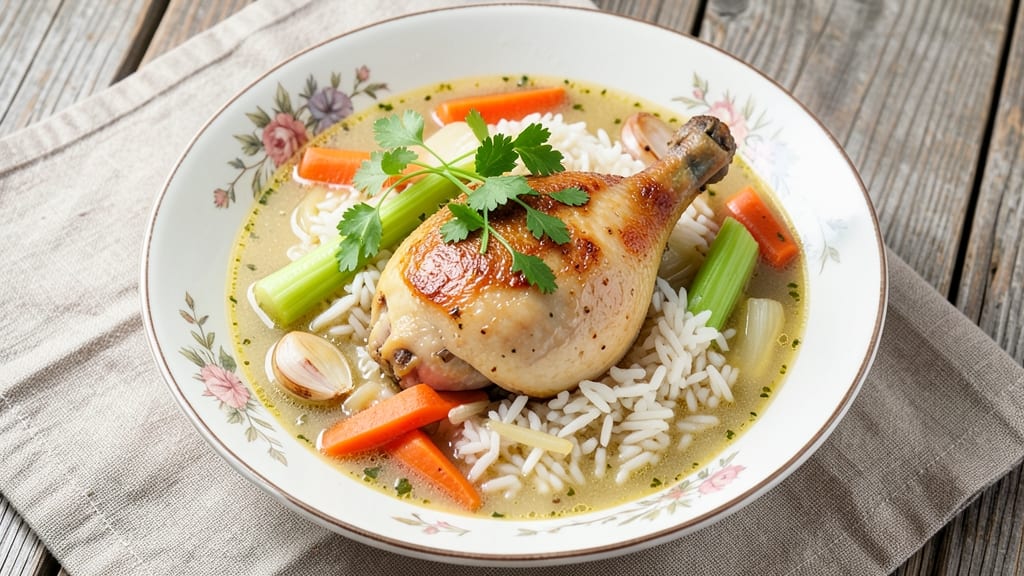
This boiled chicken and rice soup recipe delivers the kind of homestyle comfort that warms both body and soul—simple yet deeply satisfying in every spoonful. The secret lies in tender, slow-simmered chicken that falls apart effortlessly, paired with perfectly cooked rice that soaks up the rich, savory broth.
No fancy techniques required, just a one-pot method that transforms basic ingredients into a meal that feels like a hug.
What makes this dish truly special is its foolproof simplicity: bone-in chicken simmers until fork-tender, releasing flavor into the broth, while rice cooks directly in the same pot, absorbing all that depth. The result? A hearty, aromatic soup that’s ready in under an hour, with minimal cleanup.
Serve it as-is or garnish with fresh herbs for a touch of brightness—either way, it’s the kind of meal that turns an ordinary day into something memorable.
Ingredients for boiled chicken and rice soup
Simple, comforting ingredients that transform into a hearty one-pot meal.
| Ingredient | Amount | Notes |
|---|---|---|
| Bone-In Chicken Thighs 🍗 | 1 ½ lb | With skin on, cut into pieces |
| Long-Grain White Rice 🍚 | 1 cup | Uncooked, jasmine or basmati preferred |
| Yellow Onion 🧅 | 1 whole | Medium size, diced |
| Carrots 🥕 | 3 medium | Peeled and sliced into rounds |
| Garlic Cloves 🧄 | 4 cloves | Peeled and minced |
| Celery Stalks 🥬 | 2 whole | Cut into 1-inch pieces |
| Chicken Broth 💧 | 4 cups | Low-sodium preferred |
| Water 💧 | 2 cups | For broth dilution |
| Bay Leaves 🌿 | 2 whole | Dried, removed before serving |
| Salt 🧂 | 1 ½ tsp | Kosher or sea salt |
| Black Peppercorns 🌶️ | ½ tsp | Freshly ground |
| Fresh Parsley 🌿 | ¼ cup | Chopped, for garnish |
| Olive Oil 🫒 | 1 tbsp | For sautéing |
| Fresh Thyme 🌿 | 1 tbsp | Leaves only, chopped |
The chicken thighs are key here—bone-in gives the broth incredible depth, and the skin adds richness. Look for free-range or organic if possible, but standard grocery store thighs work perfectly fine. I always grab mine from the butcher section at Whole Foods or Kroger—they tend to have fresher cuts. If you're using frozen, thaw overnight in the fridge, not under running water (keeps them juicier). The rice should be long-grain—jasmine or basmati absorb the broth beautifully without getting mushy.
No fresh thyme? Dried works at half the amount, but fresh has that bright, herbal note that's hard to beat. Short on carrots? Zucchini or sweet potatoes add a nice twist—just adjust cooking time. The chicken broth can be store-bought (check for low-sodium) or homemade—if you're making your own, bone broths from Epic or Pacific Foods are my go-to for that rich flavor. For extra depth, add a splash of soy sauce or Worcestershire (about 1 tsp) when the broth simmers. The parsley is purely decorative, but it brightens the whole dish—fresh is best, but dried won't ruin it.
This soup tastes even better the next day as flavors meld. Store in an airtight container in the fridge for up to 4 days. For freezing, portion into 2-cup containers—reheat gently on the stove with a splash of water to restore texture. The rice will thicken slightly when reheated, so add water as needed. I always make a double batch—one for dinner, one for leftovers that turn into quick lunches. The broth freezes beautifully, so you can even save it separately and use it later for other dishes.
Why You'll Love This Recipe
- No-Fuss Stovetop Simplicity: I swear by this recipe when I’m too tired to chop much—just brown the thighs, toss in the onion, carrots, and garlic, then let the broth do the work. The rice cooks right in the pot, so no extra bowls or strainers.
- Rich Bone-Braised Depth: That bone-in chicken? It’s the secret weapon—simmered long enough, the meat falls off the bone while the broth turns velvety. I’ll be real: the first time I tasted it, I nearly skipped the rice.
- Crowd-Pleaser Basics: Between us, this is the one dish I make when friends drop by unannounced. It’s hearty enough for a family dinner but simple enough that no one questions how long it took. (Spoiler: it didn’t.)
- Leftovers That Don’t Suck: Honestly, I always make extra. The rice holds up perfectly, and the broth gets even better the next day—ideal for quick lunches or reheating for sick days. No sad, mushy leftovers here.
Step-by-step instructions for boiled chicken and rice soup
This homestyle soup comes together effortlessly in one pot for maximum comfort.
Sauté the Aromatics for Flavor Foundation
Heat the 1 tablespoon olive oil in a large pot over medium heat. Add the diced yellow onion, 3 medium sliced carrots, and 2 whole celery stalks cut into 1-inch pieces. Cook for 5-6 minutes until the vegetables soften slightly and the onion becomes translucent.
Add the 4 minced garlic cloves and 1 tablespoon chopped fresh thyme, cooking for another 30 seconds until fragrant. This step builds the flavor base that will infuse through the entire soup. Don't let the garlic burn—it should just smell amazing, not turn bitter.
Brown the Chicken for Rich Depth
Push the vegetables to one side of the pot and add the 1.5 lb bone-in chicken thighs (cut into pieces) to the empty space. Cook for 4-5 minutes until the chicken develops a golden-brown crust on all sides. This browning creates the Maillard reaction that adds deep, savory flavor to your soup.
Once browned, stir the chicken pieces into the vegetables. Add the 2 whole bay leaves, 1.5 teaspoons salt, and 0.5 teaspoon black peppercorns. Pour in the 4 cups chicken broth and 2 cups water, bringing everything to a gentle boil.
Simmer the Chicken and Vegetables
Reduce heat to low-medium and let the soup simmer uncovered for 20-25 minutes. You'll know it's ready when the chicken is fully cooked (internal temperature reaches 165°F) and the vegetables are tender but still hold their shape. Stir occasionally to prevent sticking.
Here's the thing—don't lift the lid too often. Every time you peek, you lose heat and moisture. Instead, check by gently pressing a chicken piece with a spoon—it should slide off the bone easily when fully cooked. Remove the chicken pieces and set them aside to rest.
Cook the Rice Directly in the Broth
Add the 1 cup uncooked long-grain white rice to the simmering broth. Stir gently to distribute the rice evenly. Return the heat to medium-low and let it cook uncovered for 15-18 minutes, stirring occasionally to prevent sticking. The rice should absorb the broth and become tender but still have a slight bite.
This direct cooking method creates perfectly flavorful rice without requiring separate cooking. The rice will finish cooking in the residual heat even after you remove it from the stove. If the soup looks too thick before the rice is done, add a splash of hot water to maintain the right consistency.
Finish and Serve with Fresh Herbs
Once the rice is tender, remove the pot from heat and let it sit covered for 5 minutes. This resting period allows the flavors to meld completely. Remove and discard the bay leaves, then shred the chicken pieces with two forks directly in the pot.
Stir in the 0.25 cup chopped fresh parsley just before serving. The parsley adds a bright finish that cuts through the richness of the chicken and rice. Ladle the soup into bowls and serve immediately with crusty bread for dipping.
Pro Tips For Making Boiled Chicken And Rice Soup
- Parboil Chicken First: Start the chicken in cold water—no need for boiling it alive. Bring to a simmer, then cook just until the internal temp hits 165°F (about 12-15 minutes). This keeps the meat juicy and prevents it from turning rubbery when you add the rice later. I used to drop it in hot water and ended up with dry, stringy thighs every time.
- Slice Carrots Thin: Cut those carrots into ¼-inch half-moons instead of thick chunks. They’ll cook faster and stay tender, especially when you’re boiling the whole thing together. Thick slices turn mushy and lose their sweetness—no one wants that sad, limp veggie in their soup.
- Salt the Water Generously: Add at least 1 tablespoon of salt to the broth before the chicken goes in. The skin will crisp up better, and the rice will absorb flavor instead of tasting bland. I learned this the hard way after making a batch where the rice just… disappeared into the broth.
- Add Rice Late: Stir in the rice only in the last 15 minutes of cooking. It needs that final burst of heat to absorb liquid properly and stay separate, not turn to mush. If you add it too early, you’ll end up with a gluey, unappetizing mess—trust me, I’ve been there.
Common mistakes when making great boiled chicken and rice soup
Overcooking the Chicken
One of the biggest mistakes is letting the chicken overcook while the rice simmers. Chicken should reach 165°F internal temperature but no higher—once you remove it from the broth, it continues cooking from residual heat.
I’ve ruined perfectly tender chicken by leaving it in too long, turning it dry and stringy. Remove the chicken when it’s just barely done, then let it rest while you finish the rice. 🌡️
Skipping the Browning Step
Many home cooks skip browning the chicken, which means missing out on the Maillard reaction that adds deep, savory flavor. That golden crust on the chicken pieces? It’s what makes your soup taste restaurant-quality.
Take the extra 4-5 minutes to sear the chicken—it’s worth the effort for that rich, caramelized depth. Don’t rush this step!
Using Too Much Water
The broth-to-rice ratio is critical. With 1 cup uncooked rice, you only need 6 cups liquid total (4 cups broth + 2 cups water). Adding too much water dilutes the flavor, leaving you with a weak, watery soup.
If your rice needs extra moisture, add just ¼ cup hot water at a time instead of drowning it. Taste as you go!
Lifting the Lid Too Often
Every time you lift the lid while simmering, you lose heat and moisture, extending cooking time and thinning the broth. I used to check constantly, only to find the chicken still undercooked.
Instead, trust the 20-25 minutes simmer time and only peek when absolutely necessary. If you must check, use a spoon to test the chicken—it should slide off the bone easily.
Stirring the Rice Too Much
Aggressive stirring while the rice cooks can break it apart, creating a mushy texture instead of fluffy grains. Stir gently 2-3 times during cooking, just enough to prevent sticking. The rice will finish cooking in the residual heat after you remove the pot from the stove.
Let it sit covered for 5 minutes before fluffing—this resting step is non-negotiable for perfect texture. ✨
Ignoring the Resting Period
Skipping the 5-minute rest after cooking means serving soup with uneven textures—some grains still firm, others overcooked. This resting time lets the rice absorb any remaining broth and the chicken redistribute its juices.
I’ve learned the hard way that rushing this step leads to dry chicken and mushy rice. Patience here makes all the difference!
Nutrition facts
Frequently asked questions about homestyle chicken and rice soup
Can I use chicken breast instead of thighs?
You can, but thighs are ideal for this recipe! Chicken thighs stay juicier and more flavorful during long simmering because they contain more fat. If you prefer breast, use 1.5 lb boneless, skinless breasts and reduce simmering time to 15 minutes—they cook faster and can dry out. For best results, cut them into even pieces and don't overcook.
What if my rice turns out mushy?
Mushy rice usually means too much liquid or stirring too much. For next time, use 1 cup rice to 6 cups liquid max (4 cups broth + 2 cups water). Stir only 2-3 times while cooking, and let it rest covered for 5 minutes off heat. If it's still mushy, try jasmine rice next time—it holds up better in broth.
How can I make this soup spicier?
Add heat with ½ teaspoon cayenne pepper when browning the chicken, or stir in 1 teaspoon hot sauce at the end. For smoky depth, add ½ teaspoon smoked paprika with the thyme. If you love spice, try ½ cup diced jalapeños (remove seeds for less heat) when sautéing the aromatics.
Can I make this soup in an Instant Pot?
Sauté the aromatics and brown the chicken as directed, then add broth, water, and bay leaves. Set to high pressure for 12 minutes, then quick-release. Add rice and cook on high pressure for 4 minutes. The rice will be slightly firmer—stir in ¼ cup hot water if needed. Quick release prevents overcooking the chicken.
What's the best way to store leftovers?
Store in an airtight container in the fridge for up to 4 days. For freezing, portion into 2-cup containers—the broth freezes beautifully. Reheat gently on the stove with a splash of water or broth to restore texture. The rice may thicken slightly when reheated, so add liquid as needed. Never microwave directly from frozen.