
Main Courses
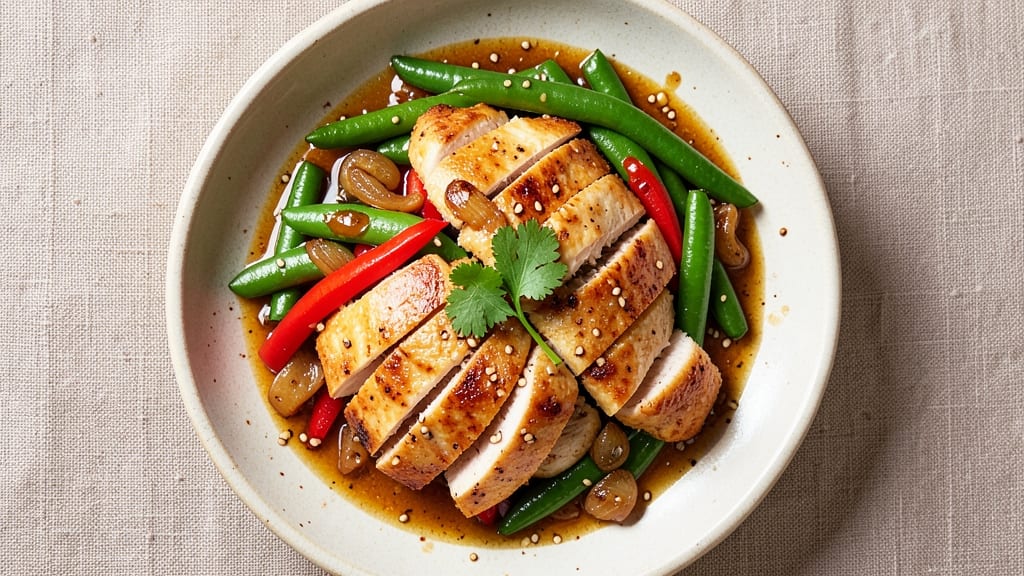
Betty Crocker’s chicken stir fry delivers crisp-tender bites with a bright, balanced flavor that’s foolproof for weeknight dinners. I’ve adapted this classic recipe with a hidden vinegar zing—just enough acidity to cut through the richness without overpowering the natural taste of the chicken.
The secret lies in a simple marinade that tenderizes while building flavor, paired with a stir-fry technique that ensures perfect texture every time.
This recipe balances approachability with restaurant-quality results, using pantry staples like soy sauce, rice vinegar, and cornstarch to create a sauce that’s both glossy and deeply flavorful.
The chicken cooks in under 20 minutes, making it ideal for busy evenings, while the optional bell peppers and snap peas add color and crunch. No fancy equipment is needed—just a large skillet and a little patience for the best sear.
What you’ll end up with is golden-brown chicken pieces that stay tender and juicy inside, coated in a sauce that’s tangy, slightly sweet, and perfectly seasoned. The aroma alone will have everyone gathering at the table, and the dish pairs beautifully with steamed rice or noodles.
It’s the kind of meal that feels special without requiring hours in the kitchen.
For extra flair, garnish with sesame seeds or sliced green onions, and serve with a side of steamed broccoli or cucumber salad. The recipe scales easily for a crowd, and leftovers reheat well for lunch the next day. Let’s get cooking!
Ingredients for betty crocker chicken stir fry
Pantry staples and a few fresh ingredients transform into golden, crisp-tender chicken stir fry.
| Ingredient | Amount | Notes |
|---|---|---|
| Boneless, Skinless Chicken Breast 🍗 | 1 ½ lb | Cut into 1-inch strips |
| All-Purpose Flour 🌾 | ½ cup | For coating chicken |
| Cornstarch 🍚 | ¼ cup | For crispy coating |
| Soy Sauce 🥢 | ½ cup | Low-sodium preferred |
| Rice Vinegar 🍶 | ¼ cup | White or seasoned |
| Sesame Oil 🫒 | 1 tbsp | Toasted for aroma |
| Brown Sugar 🍯 | 2 tbsp | Light or dark |
| Garlic Cloves 🧄 | 4 cloves | Minced for marinade |
| Fresh Ginger 🌿 | 1 tbsp | Grated, peeled |
| Vegetable Oil 🫒 | 2 tbsp | High smoke point |
| Bell Peppers 🧅 | 1 whole | Red/yellow, sliced |
| Snap Peas 🌱 | 1 cup | Fresh or frozen |
| Green Onions 🧅 | 2 whole | Sliced for garnish |
| Toasted Sesame Seeds 🌾 | 1 tbsp | For garnish |
| Salt 🧂 | 1 tsp | Kosher or sea salt |
The chicken is the star, so choose boneless, skinless breasts—they stay juicy when sliced thin. Cut against the grain for maximum tenderness. For the coating, cornstarch and flour create that perfect crispy texture. I grab my chicken from Trader Joe's or Costco for consistent quality. The bell peppers? Red or yellow add the brightest color, but any color works. If you're short on time, frozen snap peas work just as well as fresh—they thaw quickly in the hot pan.
No rice vinegar? Substitute apple cider vinegar or lemon juice at the same amount. Sesame oil can be skipped if you're avoiding strong flavors, but toasted sesame oil adds that signature aroma. For a quicker marinade, garlic powder and ginger powder work in a pinch (use half the amount). The soy sauce matters here—low-sodium versions keep the dish from getting too salty. If you're watching sugar, reduce the brown sugar to 1 tbsp, but trust me, it balances the tangy sauce perfectly. The snap peas can be swapped for broccoli florets if you prefer.
Store the cooked stir fry in an airtight container for up to 3 days in the fridge. It reheats beautifully—just add a splash of water to the pan and stir. For meal prep, portion into containers with a side of rice for easy grab-and-go lunches. The sauce thickens as it cools, so you can always add a splash of water when reheating. The sesame seeds and green onions keep best in the fridge for 1 week—store them in a sealed container to maintain freshness.
Why You'll Love This Recipe
- No-Fail Coating: I swear by the flour-cornstarch mix—it gives that perfect crispy-tender texture without fail. No fancy techniques, just toss the chicken in the blend, let it sit while you prep veggies, and boom. That golden crust happens every time.
- Umami Magic: The soy and rice vinegar combo? It’s a flavor bomb. The vinegar brightens the dish while the soy adds that deep, savory punch—no extra seasoning needed. Honestly, the first time I tasted it, I wondered why I’d ever made plain stir-fry before.
- Lunchbox Hero: This recipe is my go-to for meal prep. Cook a big batch, portion it into containers, and you’ve got grab-and-go lunches for days. My kids actually eat the leftovers—(yes, even on a Tuesday night)—because it’s not boring.
- Budget Crispy Feast: Skinless chicken breast might sound pricey, but this recipe stretches it further than you’d think. The flour-cornstarch trick makes it feel indulgent without breaking the bank. I’ve fed four people for under $10, and no one complains.
Step-by-step instructions for crisp-tender chicken stir fry
Here's how to achieve perfectly tender chicken with a crisp exterior and bright, balanced flavors.
Prepare the Chicken Marinade and Coating
In a medium bowl, combine the 0.5 cup soy sauce, 0.25 cup rice vinegar, 2 tbsp brown sugar, 4 cloves minced garlic cloves, and 1 tbsp grated fresh ginger. Mix well until the sugar dissolves completely. This marinade not only flavors the chicken but also tenderizes it through the acidity of the vinegar.
Cut the 1.5 lb boneless, skinless chicken breast into 1-inch strips and add them to the marinade. Let the chicken soak for at least 15 minutes (up to 30 minutes for deeper flavor). While the chicken marinates, prepare the coating in a shallow dish by whisking together the 0.5 cup all-purpose flour and 0.25 cup cornstarch. This combination creates a light, crispy crust that won't weigh down the chicken.
Create the Stir-Fry Sauce
In a small bowl, whisk together 0.5 cup soy sauce, 0.25 cup rice vinegar, 2 tbsp brown sugar, and 1 tbsp toasted sesame oil. Set this sauce aside—it will form the vibrant, slightly tangy base of your stir-fry. The sesame oil adds a nutty aroma that complements the bright acidity of the vinegar.
Real talk: Don't skip the sesame oil. It's what gives this dish that authentic, restaurant-quality depth. If you're short on time, you can use the same marinade as your stir-fry sauce, but adding the extra sesame oil makes a noticeable difference in flavor complexity.
Cook the Chicken to Crisp-Tender Perfection
Heat 2 tbsp vegetable oil in a large skillet or wok over medium-high heat until shimmering. Working in batches (to avoid crowding), remove the chicken from the marinade and let any excess drip off. Press the chicken strips into the flour-cornstarch mixture, coating them evenly on all sides. Shake off any excess coating—this ensures a crispy exterior without a gummy texture.
Add the coated chicken to the skillet in a single layer. Cook undisturbed for 2-3 minutes per side until the chicken is golden brown and cooked through to an internal temperature of 165°F. You'll know it's ready when the edges are crisp and the chicken releases easily from the pan. Transfer the cooked chicken to a plate and tent loosely with foil to keep warm.
Stir-Fry the Vegetables
In the same skillet (no need to clean it—the browned bits add flavor), add 2 tbsp vegetable oil if needed and increase heat to high. Add the 1 whole sliced bell peppers and 1 cup snap peas, stirring constantly for 3-4 minutes until the vegetables are bright green and just tender-crisp. Overcooking will turn them mushy, so watch closely.
Add the 2 whole sliced green onions and stir for 30 seconds to wilt them slightly. This is where the dish comes together—don't rush this step. The vegetables should retain their vibrant color and slight crunch, which balances the tender chicken.
Combine and Finish
Return the cooked chicken to the skillet and pour the prepared stir-fry sauce over everything. Toss vigorously for 1-2 minutes until the chicken and vegetables are evenly coated and the sauce has thickened slightly. The residual heat from the pan will help emulsify the sauce, creating a glossy, flavorful coating.
Taste and adjust seasoning with 1 tsp salt if needed. Garnish with 1 tbsp toasted sesame seeds and serve immediately over steamed rice or noodles. The contrast of crisp-tender chicken with bright, slightly tangy vegetables makes every bite satisfying.
Pro Tips For Making Betty Crocker Chicken Stir Fry
- Cut Chicken Thin: Betty Crocker’s recipe calls for boneless breasts, but thick slices turn rubbery. Slice against the grain into ¼-inch pieces—yes, it takes 2 minutes extra, but your stir-fry won’t taste like shoe leather. I used to skip this and wondered why my chicken always felt tough.
- Mix Dry Coats: The recipe says flour then cornstarch, but resist the urge to rush. Toss chicken in the flour first, shake off excess, then dredge in the cornstarch mix. This double-coat guarantees a crispy crust without gummy glop. I learned this after my first batch turned into a sad, sticky mess.
- High Heat First: Start cooking on maximum heat for 30 seconds—you’ll hear it sizzle like crazy. Then drop to medium-high. This initial shock sears the chicken before the sauce softens it, so it stays firm. I used to cook on medium and ended up with mushy bits every time.
- Deglaze Early: As soon as the chicken hits the pan, splash in 2 tablespoons of rice vinegar right away. It loosens the browned bits (fond) that’ll thicken your sauce later. Skip this, and your stir-fry sauce will taste flat. (Yes, even if the recipe doesn’t say it.)
Best sauces and condiments for these flavors
Classic Stir-Fry Sauce
Start with the sauce that defines this dish: a bright, tangy, and slightly sweet blend of ½ cup soy sauce, ¼ cup rice vinegar, and 2 tbsp brown sugar. This combination creates the perfect balance—salty, acidic, and just sweet enough to complement the chicken.
I always toast 1 tbsp sesame oil in the pan for 30 seconds before adding the sauce to infuse that nutty aroma into the base. 🌶️
For extra depth, add 1 tsp grated fresh ginger and 1 minced garlic clove to the sauce while it simmers. This step transforms a simple sauce into something layered and complex.
If you're short on time, a 1 tsp sesame paste (like Kikkoman) works in a pinch—just whisk it directly into the sauce. The key is to let the sauce reduce slightly on the stove, which intensifies the flavors.
Spicy Kick Option
Crank up the heat by adding 1 tbsp gochujang (Korean chili paste) or ½ tsp red pepper flakes to the sauce. For a smoky twist, stir in ½ tsp smoked paprika during the final minute of cooking.
I often use Penzeys Spicy Chili Flakes for a balanced heat that doesn’t overpower the dish. 🔥
If you love garlic, add 2 extra minced cloves to the sauce and let them sizzle for 10 seconds before combining everything. The raw garlic burns quickly, releasing its full flavor without becoming bitter. This works especially well if you're serving the stir-fry with buttery noodles to balance the spice.
Sweet and Tangy Glaze
For a sweeter profile, replace 1 tbsp of the brown sugar with 1 tbsp honey or maple syrup. This creates a glossy glaze that clings beautifully to the chicken. I’ve found that local Georgia honey adds a floral note that pairs perfectly with the vinegar’s acidity. 🍯
To make it even richer, whisk in 1 tbsp peanut butter (creamy, not crunchy) with the sauce. The nutty depth complements the stir-fry’s brightness, and it’s a trick I picked up from Southeast Asian street food.
Serve with a sprinkle of crushed peanuts on top for texture. This version feels indulgent but still light enough for a weeknight dinner.
Umami Boost
Elevate the dish with 1 tbsp fish sauce or 1 tsp mushroom powder (like Better Than Bouillon). These ingredients add a deep, savory umami that makes the sauce taste more complex. I keep a bottle of Red Boat Fish Sauce in my pantry—it’s worth the splurge for this recipe. 🍲
For a vegetarian-friendly twist, swap the chicken for extra-firm tofu (pressed and cubed) and add 1 tbsp soy sauce to the marinade. The umami boost from the sauce will make the tofu taste just as satisfying.
This version works especially well when paired with a side of quick-pickled vegetables to cut through the richness.
Quick Homemade Shortcut
No time to make sauce from scratch? Use ½ cup Betty Crocker Teriyaki Sauce as your base, then stir in 1 tbsp rice vinegar and ½ tsp toasted sesame oil.
This shortcut delivers 80% of the flavor with minimal effort. For extra brightness, add 1 tsp fresh lime juice at the end. 💡
If you’re using store-bought sauce, always taste it first—some brands can be too sweet. Balance it with an extra splash of vinegar or a pinch of salt if needed.
I’ve found that Kikkoman Teriyaki Sauce works well, but adding a dash of hot sauce (like Sriracha) gives it a little kick without overpowering the dish.
Nutrition facts
Frequently asked questions
Can I use chicken thighs instead of breasts for this recipe?
Chicken thighs work beautifully—they stay juicier and add richer flavor. Use 1.5 lb bone-in, skin-on thighs (trimmed of excess fat) and reduce cooking time to 1-2 minutes per side to avoid overcooking. The skin will crisp up nicely, adding texture. For best results, pat them dry before coating.
What if I don’t have cornstarch for the coating?
No problem! Swap the cornstarch for an extra ¼ cup all-purpose flour—just make sure to shake off any excess after coating. For extra crispiness, add 1 tbsp potato starch if you have it. The flour alone will still give you a light coating, though it may be slightly less crisp.
How do I prevent the sauce from becoming too thin?
Simmer the sauce uncovered for 1-2 minutes after combining everything in the pan. This reduces excess liquid and thickens it naturally. If it’s still too thin, mix 1 tsp cornstarch with 1 tbsp water, stir into the sauce, and cook for another 30 seconds. Avoid over-simmering, or the sauce may turn grainy.
Can I make this recipe ahead of time?
Yes, but with a few tweaks. Cook the chicken and vegetables, then store them separately in an airtight container for up to 2 days. Reheat in a skillet with a splash of water, then add the sauce fresh. The sauce reheats best when made fresh—it thickens as it cools, so thin with 1 tsp water if needed.
What’s the best way to serve this stir fry?
Pair it with steamed jasmine rice or egg noodles to soak up the sauce. For extra flair, serve with a side of quick-pickled cucumbers or a simple sesame-ginger salad. Garnish with extra sesame seeds and sliced green onions right before serving to keep everything fresh and vibrant.