
Main Courses
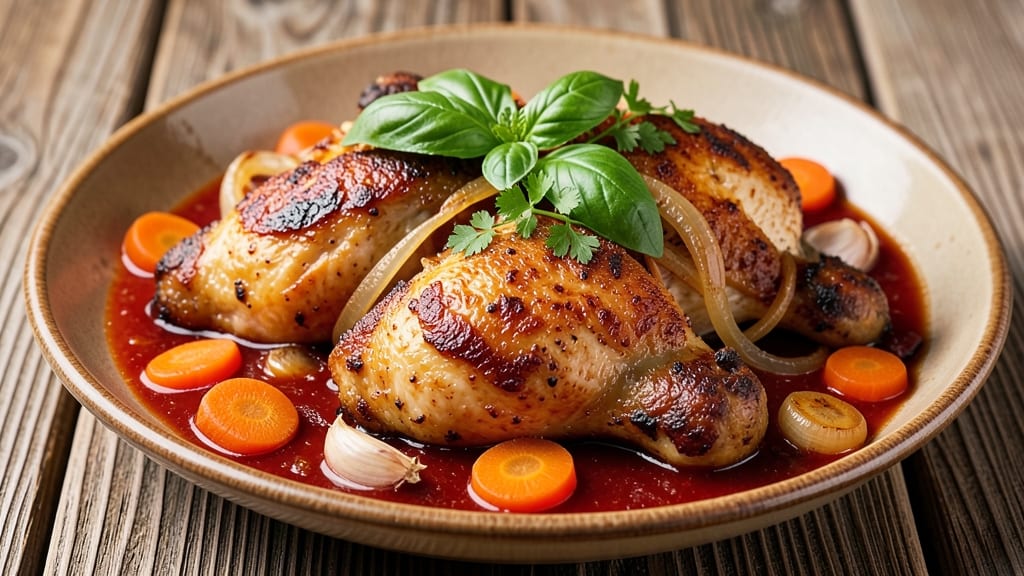
Betty Crocker's chicken cacciatore recipe delivers that classic Italian restaurant flavor right to your kitchen with minimal effort. Growing up in small-town Georgia, I learned that bold, braised dishes like this one transform simple ingredients into something extraordinary.
The secret lies in slow-cooking chicken with tomatoes, herbs, and wine until the sauce thickens into a rich, aromatic blanket.
This one-pan method requires just 30 minutes of active prep followed by hands-off simmering, making it perfect for weeknights when you crave restaurant-quality dinner. The chicken becomes tender and flavorful, while the sauce develops deep, complex notes from the tomatoes and wine.
I've adapted the classic recipe with a few modern touches—like using chicken thighs instead of breasts—to ensure foolproof results every time.
What you'll achieve is a dish that's elegant yet approachable: golden-brown chicken pieces swimming in a velvety tomato sauce with herbs and wine. The aroma alone will have everyone gathering at the table, and the flavors only improve as it sits.
Serve it over pasta, with crusty bread for dipping, or as a standalone main course that feels special without requiring hours in the kitchen.
For those who want to elevate it further, I suggest finishing with fresh basil or a sprinkle of grated parmesan just before serving. The dish holds well for leftovers, so you can make extra for lunches or freeze portions for future meals.
Here's how to create this timeless Italian classic in your own kitchen.
Ingredients for betty crocker chicken cacciatore
Classic Italian flavors with pantry staples and a few specialty touches.
| Ingredient | Amount | Notes |
|---|---|---|
| Chicken Thighs, Bone-In 🍗 | 1 ½ lb | Skin-on preferred for flavor |
| Red Wine 🍷 | 1 cup | Bold dry variety like Cabernet |
| Chicken Broth 💧 | 1 cup | Low-sodium preferred |
| San Marzano Tomatoes 🍅 | 28 oz | Canned, crushed or whole |
| Carrots 🥕 | 2 medium | Peeled, sliced into rounds |
| Garlic Cloves 🧄 | 4 cloves | Peeled, minced |
| Onion 🧅 | 1 medium | Yellow or red, sliced |
| Olive Oil 🫒 | 2 tbsp | Extra-virgin for richness |
| Tomato Paste 🍅 | 2 tbsp | Smooth, not chunky |
| Dried Oregano 🌿 | 1 tbsp | Italian or Mediterranean blend |
| Dried Thyme 🌿 | 1 tsp | Or 1 tbsp fresh thyme |
| Salt 🧂 | 1 ½ tsp | Kosher or sea salt |
| Black Pepper 🌶️ | ½ tsp | Freshly ground preferred |
| Fresh Basil Leaves 🌿 | ¼ cup | Chopped for garnish |
| Parmesan Cheese 🧀 | ¼ cup | Freshly grated |
The chicken thighs are key—bone-in stays juicier than breasts. Trader Joe's or Costco often have great prices on bone-in thighs. Look for good marbling in the meat. For the tomatoes, San Marzano cans make all the difference—they're sweeter and less acidic. If you can't find them, any high-quality canned tomatoes work, but you might need to add a pinch more salt. The carrots can be baby carrots if you're in a hurry, but whole carrots give better texture. I usually grab the organic carrots at Whole Foods—they're sweeter and more flavorful.
No red wine? Substitute with beef broth plus 1 tbsp balsamic vinegar—it mimics the acidity. Fresh thyme is ideal but dried works at one-third the amount. The tomato paste can be a squeeze tube from Trader Joe's if you don't have a can—just measure it out carefully. For the garlic, if you're not a fan of mincing, garlic powder at half the amount works in a pinch. The Parmesan? Freshly grated is a must—pre-grated tastes like sawdust. If you're short on time, Parmigiano-Reggiano from the deli counter is worth the splurge.
This sauce gets better as it sits—trust me, make extra. Keeps in the fridge for 5-6 days, and freezes beautifully for 3 months. I portion mine into containers for easy lunches. The basil? Add it fresh just before serving—it wilts fast in the sauce. If you're making this ahead, store the sauce and chicken separately and reheat together. The flavors meld overnight, so leftovers taste even better the next day.
Why You'll Love This Recipe
- One-Pan Magic: I swear by this recipe because it’s actually one-pan—no chopping boards, no extra pots. Toss in the bone-in thighs, dump in the wine and broth, and let the San Marzano tomatoes and carrots melt into the sauce while you’re doing the dishes.
- Wine-Infused Richness: That red wine doesn’t just disappear—it deepens the sauce into something ridiculously flavorful. The bone-in thighs stay juicy, and the tomatoes? They turn into a glossy, tangy blanket that makes every bite taste like a fancy dinner.
- Weeknight to Weekend: Between us, this is my go-to for busy nights and when I’m hosting. The leftovers reheat like a dream (yes, even the crispy bits), and it’s cheap enough to feed a crowd without breaking the bank—just double the wine.
- Budget-Friendly Luxury: Chicken thighs are forgiving, carrots stretch the meal, and a bottle of red wine makes it feel special. Honestly, it’s the kind of dish where you’ll reach for it again and again, but your wallet won’t even notice.
Step-by-step instructions for one-pan tomato-braised chicken
Here's how to create rich, flavorful chicken cacciatore with minimal effort.
Sear the Chicken Thighs for Maximum Flavor
Heat a large Dutch oven over medium-high heat. Add the 2 tablespoons olive oil and let it get shimmering hot. Place the 1.5 lb chicken thighs, bone-in skin-side down in the pan, leaving space between each piece. Press down gently on the thighs during the first minute—this prevents them from curling and ensures even contact with the pan.
Sear the chicken for 8-10 minutes until the skin is deep golden brown and crispy, and the juices run clear when you pierce the thickest part. Flip the thighs once and cook the other side for another 5-6 minutes until golden. Remove the chicken from the pan and set it aside on a plate, leaving all the browned bits in the pot—this is where all the flavor lives.
Build the Tomato-Basil Sauce
In the same Dutch oven, reduce the heat to medium and add the 1 medium onion and 2 medium carrots, sliced into rounds. Cook for 5 minutes until the onions soften and the carrots begin to caramelize. Add the 4 cloves garlic cloves, minced, and cook for 30 seconds until fragrant—don't let it brown or it'll turn bitter.
Stir in the 2 tablespoons tomato paste and cook for 1 minute to deepen its flavor. Pour in the 1 cup red wine and scrape up all those delicious browned bits from the bottom of the pan. Let the wine simmer for 3-4 minutes until it reduces by about half. Add the 28 oz San Marzano tomatoes, crushed by hand if they're whole, and stir well.
Season and Simmer the Sauce
Sprinkle in the 1 tablespoon dried oregano, 1 teaspoon dried thyme, 1.5 teaspoons salt, and 0.5 teaspoon black pepper. Stir everything together and bring the sauce to a gentle simmer. Return the chicken thighs to the pot, skin-side up, and spoon some of the sauce over the top to coat them. Cover the Dutch oven with a lid and transfer it to a preheated 350°F oven.
Bake for 30-35 minutes until the chicken is cooked through and the sauce has thickened slightly. You'll know it's ready when the chicken reaches an internal temperature of 175°F and the sauce clings to the back of a spoon. If the sauce looks too thin, uncover the pot and simmer for another 5-10 minutes to reduce it to your desired consistency.
Finish with Fresh Herbs and Cheese
Remove the chicken from the oven and let it rest for 5 minutes before serving. Stir the 0.25 cup fresh basil leaves, chopped, into the sauce and sprinkle the 0.25 cup Parmesan cheese on top. Taste and adjust the seasoning if needed—you might want to add a pinch more salt or a splash of 1 cup chicken broth if the sauce is too thick.
Serve the chicken cacciatore hot, spooning the rich tomato sauce over each piece. The skin should be crispy, the meat tender, and the sauce perfectly balanced between sweet tomatoes, tangy wine, and herby freshness. This one-pan wonder is perfect for feeding a crowd or enjoying a hearty meal with crusty bread.
Pro Tips For Making Betty Crocker Chicken Cacciatore
- Brown the Chicken First: Skip the "toss everything in" step—sear those bone-in thighs in a hot pan for 5-6 minutes per side until golden. The crust locks in flavor and keeps the meat from drying out later, especially since you’re using thighs (which are forgiving but still benefit from this). I used to rush this, and the sauce always tasted flat until I learned better.
- Deglaze with Wine Immediately: As soon as you pull the chicken out, pour in that red wine right away while the pan is still hot. Let it bubble for 2-3 minutes to cook off the alcohol—this builds the sauce’s depth. I learned this the hard way by letting the pan cool first, and the wine just turned into a sad, watery addition.
- Crush Those Tomatoes: Don’t just dump whole San Marzano tomatoes into the pot—they’ll turn to mush and make the sauce watery. Roughly crush them by hand (or pulse in a food processor) to release their juices evenly. This keeps the texture balanced and prevents a gloopy consistency, which is especially important when using canned tomatoes.
- Simmer Low and Slow: After adding the broth and carrots, reduce the heat to a gentle simmer (small bubbles, occasional skimming). High heat turns the sauce into a gluey mess, and the chicken stays tough. I was skeptical—"how long can this take?"—but trust the process: 45-60 minutes at low heat makes all the difference for tender meat and rich flavor.
Dietary considerations for this recipe
Gluten-Free Adaptation
This dish is naturally gluten-free when using bone-in, skin-on chicken thighs and checking all your ingredients. The classic recipe already avoids gluten-containing elements, but I always double-check my San Marzano tomatoes and chicken broth labels for hidden additives.
For extra assurance, I use Annie's gluten-free pasta when serving with noodles—it holds up beautifully to the rich sauce. The key is avoiding cross-contamination with utensils or surfaces that have handled gluten. 🌱
Dairy-Free Options
Skip the Parmesan cheese or substitute with nutritional yeast for a cheesy flavor without dairy. I've had great results using Follow Your Heart vegan Parmesan—it melts beautifully and adds that umami depth.
For extra richness, stir in 1 tablespoon olive oil at the end to compensate for the missing cheese. The sauce remains just as flavorful, just without the dairy. 🧀
Lower-Carb Version
Swap the traditional pasta for zucchini noodles or shirataki noodles to cut carbs dramatically. I like to sauté zucchini noodles in 1 teaspoon olive oil with a pinch of salt for 2 minutes before adding them to the sauce.
For even fewer carbs, serve the chicken and sauce over a bed of cauliflower rice—it absorbs the sauce beautifully. This keeps the meal hearty while making it keto-friendly. 🥦
Vegetarian Substitute
Replace the chicken with extra-firm tofu or hearty mushrooms for a meaty texture. I press and pan-fry 1.5 lbs firm tofu in 2 tablespoons olive oil until golden, then proceed with the recipe as written.
For mushrooms, use 8 oz cremini mushrooms sliced thickly—they absorb the sauce perfectly. The dish loses none of its richness when made vegetarian. 🍄
Allergen-Friendly Tips
For nut allergies, avoid any nut-based thickeners and stick to the original recipe's tomato base. If you're sensitive to sulfites, choose low-sulfite wine and fresh herbs over dried. I always keep Benadryl on hand as a precaution when cooking for guests with allergies.
The beauty of this dish is its simplicity—few ingredients mean fewer potential allergens. 💡
Protein-Packed Boost
Add ½ cup cooked lentils or ½ cup chickpeas to the sauce during the final 10 minutes of simmering for extra protein and fiber. I like to use canned lentils for convenience—they blend right into the sauce without altering the texture.
This makes the dish even more satisfying for muscle recovery or high-protein diets. 💪
Nutrition facts
Frequently asked questions
Why use bone-in chicken thighs instead of breasts?
Bone-in thighs stay juicier and more flavorful during long cooking times—this recipe relies on slow braising to develop deep tomato-wine flavors. The bones add richness to the sauce, while the skin crisps beautifully. For even better results, leave the skin on for maximum crispiness.
Can I make this dish ahead of time?
The flavors improve after resting overnight. Store the sauce and chicken separately in airtight containers—reheat together on the stove or in the oven. The sauce thickens slightly when chilled, so add a splash of broth if needed when reheating.
What if I don't have red wine?
Mix 1 cup beef broth with 1 tablespoon balsamic vinegar to mimic the acidity and depth. The dish still turns out rich and satisfying—just skip the wine reduction step. For extra tang, add an extra pinch of salt.
How do I prevent the sauce from being too watery?
Simmer uncovered for 5-10 minutes at the end to reduce excess liquid. If needed, stir in 1 tablespoon tomato paste or a cornstarch slurry (1 tbsp cornstarch + 2 tbsp water) for instant thickening. Always check the sauce consistency before removing from heat.
What's the best way to serve this dish?
Pair with al dente pasta, crusty bread for dipping, or serve over cauliflower rice for a lower-carb option. Garnish with fresh basil and extra Parmesan just before serving—this adds vibrant color and freshness. The sauce also works beautifully over polenta or mashed potatoes.