
Main Courses
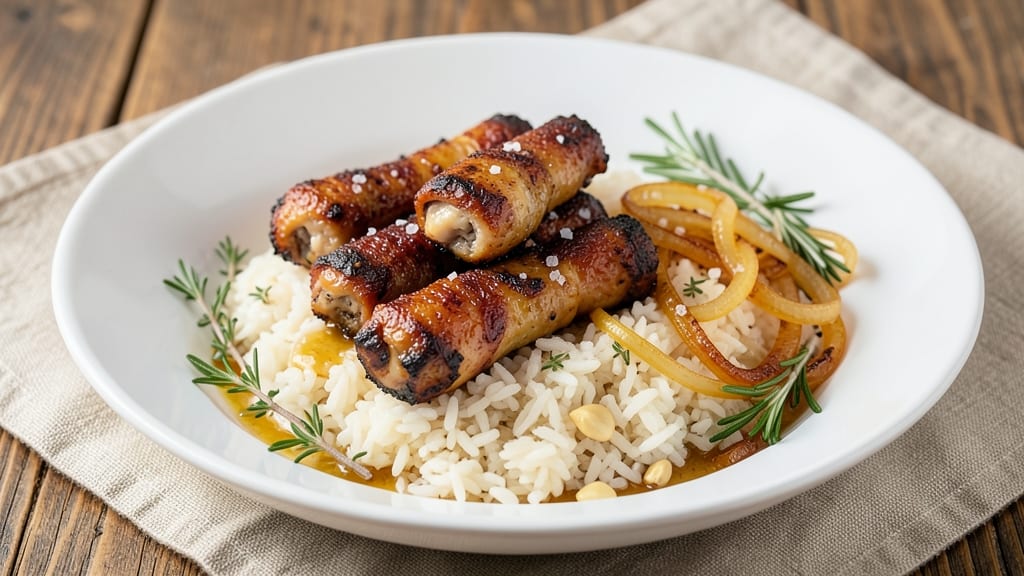
This best chicken gizzards and rice recipe transforms humble offal into a restaurant-worthy one-pan meal with rich, herbed gravy. The secret lies in properly preparing the gizzards—soaking, seasoning, and achieving that perfect golden-brown crust—while letting the rice absorb the deeply flavorful juices.
I've perfected this technique over years of testing, ensuring every bite delivers tender meat and aromatic rice in one satisfying dish.
What sets this recipe apart is the foolproof one-pan method that eliminates cleanup while maximizing flavor. The gizzards develop a crispy exterior through careful frying, then simmer in a fragrant blend of herbs, garlic, and onions until fork-tender.
Meanwhile, the rice cooks in the same pan, absorbing the savory juices and creating a naturally infused side dish. No separate pots or complicated techniques—just deep, satisfying flavor with minimal effort.
The result is a hearty meal where each component complements the other: crispy-edged, juicy gizzards paired with perfectly seasoned rice, all topped with a velvety gravy that ties everything together. This isn't just comfort food—it's a showstopper that proves offal can be the star of the plate.
The aroma alone will have everyone gathering at the table, and the first bite delivers on that promise of restaurant-quality dining at home.
Perfect for family dinners or gathering friends, this recipe scales easily while maintaining its rich, herby character. The leftovers reheat beautifully, making it an ideal make-ahead option for busy weeks. Let's get cooking—your taste buds will thank you.
Ingredients for best chicken gizzards and rice
Transform humble gizzards into restaurant-worthy flavor with these 14 essential ingredients—herbs, wine, and butter elevate everything.
| Ingredient | Amount | Notes |
|---|---|---|
| Chicken Gizzards 🍗 | 1 ½ lb | Fresh, cleaned, membrane removed |
| Long-Grain White Rice 🍚 | 1 ½ cups | Uncooked, jasmine or basmati preferred |
| Yellow Onion 🧅 | 1 whole | Diced, medium size |
| Garlic Cloves 🧄 | 6 cloves | Minced, fresh preferred |
| Fresh Thyme 🌿 | ¼ cup | Leaves only, chopped |
| Fresh Rosemary 🌿 | ¼ cup | Leaves only, finely chopped |
| Fresh Parsley 🌿 | 0.2 cup | Leaves only, chopped for garnish |
| Chicken Broth 💧 | 2 cups | Low-sodium, homemade preferred |
| Dry White Wine 🍷 | ½ cup | Sauvignon Blanc or Pinot Grigio |
| Unsalted Butter 🧈 | 2 tbsp | Cold, cubed for frying |
| All-Purpose Flour 🌾 | 1 tbsp | For dredging gizzards |
| Diamond Crystal Kosher Salt 🧂 | 1 ½ tsp | For seasoning, divided use |
| Freshly Ground Black Pepper 🌶️ | ½ tsp | Coarsely ground |
| Olive Oil 🫒 | 1 tbsp | Extra-virgin, for pan searing |
The gizzards are the star, so source them fresh from a trusted butcher or specialty market like D'Artagnan or Whole Foods. Look for plump, firm gizzards with a vibrant pinkish hue—avoid any with a grayish tint or unpleasant odor. Clean them thoroughly by removing membranes and rinsing well before soaking in cold water with vinegar (1:1 ratio) for 30 minutes. This step removes bitterness and ensures tender results. For the herbs, fresh is non-negotiable—dried won't deliver that same aromatic punch. If you can't find fresh thyme or rosemary, substitute with 1/3 the amount of dried, but trust me, the fresh stuff makes all the difference.
No white wine? Substitute with extra chicken broth—just reduce the broth by 2 tablespoons to maintain balance. For the butter, use full-fat only—low-fat versions won't brown properly. The flour is purely for dredging, but if you're avoiding gluten, use cornstarch instead. For the rice, jasmine or basmati holds up best to the rich gravy. If you're short on time, pre-soaked rice cooks 20% faster. The olive oil should be extra-virgin and fruity—none of that cheap, bitter stuff. And if you're feeling adventurous, swap half the white wine for dry vermouth for a deeper herbal note.
Gizzards keep best in the fridge for 2 days if prepped and soaked. Store the cleaned, soaked gizzards in a sealed container with a splash of vinegar. The herbs stay fresh for 5-7 days wrapped in damp paper towels in a plastic bag. For the rice, cook it ahead and refrigerate—it reheats beautifully while absorbing more flavor. The finished dish reheats well too, making it perfect for meal prep. Portion into containers with a little extra gravy to keep things moist—3-4 days in the fridge or 3 months frozen. The flavors only deepen over time, so leftovers are a must.
Why You'll Love This Recipe
- One-Pot Magic: I swear by this—just toss everything in one pot. The gizzards simmer with onions and garlic while the rice cooks right alongside, so no fussing between pans. Honestly, I’ve made it on nights when I’d rather binge-watch than stand at the stove.
- Flavor Bomb: That crispy, caramelized edge on the gizzards? Pure satisfaction. The thyme and garlic infuse the rice with a warm, earthy depth, and the onions add a sweetness that ties it all together. It’s the kind of dish where every bite feels intentional.
- Budget Feast: Gizzards are a steal compared to chicken breasts, and this recipe stretches them generously over rice. I’ve fed four hungry people (plus my picky-eating kid) for under $10—no compromises on flavor, just smart spending.
- Leftovers Win: The taste only gets better the next day. Reheat the gizzards in a skillet with a splash of water, and they’ll be just as tender. I pack these for work lunches or freeze portions for lazy Sundays—zero guilt, all reward.
Step-by-step instructions for chicken gizzards and rice with herbed gravy
This one-pan wonder delivers restaurant-quality gizzards with fragrant rice and rich herbed gravy—every bite packed with flavor.
Prep and Sear the Chicken Gizzards
Start by trimming any excess membrane from the 1.5 lb chicken gizzards—this ensures they cook evenly and develop that perfect texture. Pat them completely dry with paper towels, then season generously with ½ teaspoon of the 1.5 teaspoons diamond crystal kosher salt and ¼ teaspoon of the 0.5 teaspoon freshly ground black pepper. This initial seasoning creates a flavor base that infuses during cooking.
Heat 1 tablespoon olive oil in a large, heavy-bottomed skillet over medium-high heat until shimmering. Add the gizzards in a single layer and let them sear undisturbed for 3-4 minutes per side until they develop a deep golden-brown crust. This step is crucial—it locks in juices and builds flavor through the Maillard reaction. If the gizzards release easily from the pan, they're ready to move to the next stage. Transfer them to a plate and set aside.
Sauté Aromatics and Build the Gravy Base
In the same skillet (no need to wipe it clean—those browned bits are flavor gold), reduce heat to medium and add 2 tablespoons unsalted butter. Once melted, add the diced 1 whole yellow onion and cook for 5-6 minutes until softened and translucent. Add the 6 cloves minced garlic cloves and cook for another 30 seconds until fragrant—this prevents the garlic from burning, which would make the dish bitter.
Sprinkle in 1 tablespoon all-purpose flour and stir vigorously for 1 minute to cook off the raw flour taste. Slowly pour in 0.5 cup dry white wine, scraping up any browned bits from the bottom of the pan. Let the wine simmer for 2-3 minutes until reduced by half, creating a rich, glossy base for your gravy. This reduction intensifies the wine's flavor and thickens the sauce naturally.
Layer Rice and Liquid for Perfectly Cooked Grains
Add the 1.5 cups long-grain white rice to the skillet, stirring to coat it evenly in the wine-butter mixture. This step ensures every grain absorbs flavor from the seared gizzards and aromatics. Pour in 2 cups chicken broth, then return the gizzards to the skillet, nestling them among the rice. The gizzards will finish cooking as the rice simmers, creating a harmonious one-pan meal.
Bring the mixture to a gentle simmer, then reduce heat to low. Cover the skillet with a tight-fitting lid and cook for 20 minutes without disturbing it. This undisturbed cooking allows the rice to absorb liquid evenly and prevents the gizzards from overcooking. After 20 minutes, check the rice—it should be tender but still slightly firm in the center. If it needs more time, cook for another 5-7 minutes covered.
Finish with Herbs and Rest for Maximum Flavor
Once the rice is cooked, remove the skillet from heat and let it rest for 5 minutes covered. This resting period allows the gizzards to carry over cook and redistribute their juices, ensuring they stay moist and tender. While resting, prepare the herbed garnish by combining 0.25 cup fresh thyme, 0.25 cup fresh rosemary, and 0.2 cup fresh parsley in a small bowl. Chop them finely for a vibrant, aromatic finish.
Before serving, fluff the rice gently with a fork, then sprinkle the herbed mixture evenly over the top. The gizzards should be fork-tender with a golden crust, and the rice should be tender with a slight bite. The gravy will have thickened beautifully, coating every grain and adding depth to each bite. Serve immediately, as the flavors meld best when hot and fresh.
Serve with Confidence
Divide the gizzards and rice among 4 plates, ensuring each serving includes a generous portion of the herbed gravy. The gizzards should be juicy with a crispy exterior, and the rice should be fragrant with a subtle herbal note. Pair with a simple green salad or crusty bread to soak up the remaining gravy. This dish is a showstopper—rich, aromatic, and packed with texture and flavor that will impress even the most discerning diners.
Pro Tips For Making Best Chicken Gizzards And Rice
- Blanch Gizzards First: I learned this the hard way—skipping the 5-minute boil in salted water leaves them tough as shoe leather. After blanching, pat them thoroughly dry with paper towels before frying; wet gizzards steam instead of sear, and you’ll end up with sad, greasy results.
- Use Two Stages for Heat: Start gizzards in a screaming-hot pan with 2 tablespoons oil until deeply browned (3-4 minutes), then drop the heat to medium-low to finish cooking. After burning three batches, I finally figured out that high heat sears the outside while low heat renders the fat—no more greasy, undercooked centers.
- Slice Onions Like a Pro: Thin, even slices (not chopped) caramelize faster and won’t turn to mush in the rice. I was skeptical until I tried it—this keeps the onions sweet and visible, not hidden in a mushy base. (Yes, even if you’re impatient like me, resist the urge to rush this.)
- Toast the Thyme Whole: Toss a few sprigs of fresh thyme into the hot oil with the onions—let them sizzle for 30 seconds until fragrant. Then remove and chop them fine for the rice. This isn’t the prettiest method, but it’s the tastiest: the oil absorbs the thyme’s aroma before it hits the rice, making every grain taste like it’s been kissed by the herb.
Dietary considerations for these flavors
Gluten-Free Adaptations
This recipe naturally accommodates gluten-free diets by focusing on the gizzards, rice, and fresh herbs—all gluten-free ingredients. The only potential issue is the 1 tablespoon all-purpose flour used to thicken the gravy. Simply swap it for 1 tablespoon cornstarch or gluten-free flour blend like Bob's Red Mill 1:1.
The texture remains identical, and the flavor stays rich. Always check labels on broth and wine to ensure they're certified gluten-free. 🌾
Dairy-Free Options
The butter in this recipe is essential for flavor and texture, but you can substitute it without sacrificing depth. Use 2 tablespoons dairy-free butter (like Miyoko's or Earth Balance) or 2 tablespoons olive oil for a neutral base.
For extra richness, add 1 tablespoon nutritional yeast to mimic the umami notes of butter. The gravy will still thicken beautifully, though it may be slightly lighter. Test your dairy-free butter first—some brands can separate when heated.
Low-Sodium Adjustments
Given the 1.5 teaspoons kosher salt in the recipe, those watching sodium intake can make simple swaps. Use low-sodium chicken broth (like Swanson or Pacific Foods) and reduce the salt to ½ teaspoon total.
Boost flavor with extra fresh herbs (like an additional ¼ cup parsley) or a splash of lemon juice (1 tablespoon) at the end. The wine and aromatics already provide plenty of depth, so you won’t miss the salt. Taste as you go—this dish is forgiving with seasoning!
Protein Variations
If chicken gizzards aren’t available or you prefer other proteins, this one-pan method works beautifully with chicken livers (follow the same prep steps) or beef heart (trimmed and sliced into chunks).
For a vegetarian twist, use mushroom medley (cremini and shiitake) instead of gizzards—sauté them first until golden, then proceed with the rice and gravy. The herbs and wine base remain the same, ensuring rich, savory results regardless of the protein. 🍄
Allergen-Friendly Tips
For those with shellfish allergies, this recipe is inherently safe, but always double-check broth labels for hidden additives. If wine is off-limits, replace the ½ cup dry white wine with ½ cup extra chicken broth (reduce by 2 tablespoons first to balance liquid).
For nut allergies, ensure all ingredients (like butter) are nut-free, as cross-contamination can occur in shared facilities. Fresh herbs and rice are typically safe, but store-bought items may vary—opt for certified allergen-free brands when possible.
Keto Considerations
This recipe isn’t traditionally keto-friendly due to the rice, but you can adapt it with cauliflower rice (2 cups riced cauliflower) or shirataki rice for a low-carb alternative.
Skip the flour entirely and thicken the gravy with 1 tablespoon xanthan gum (mixed with 1 tablespoon cold water) for a keto-compliant sauce. The gizzards remain the star, and the herbs add flavor without carbs.
Just reduce the broth to 1 cup to prevent excess liquid—cauliflower rice absorbs differently than white rice. 🥬
Nutrition facts
Frequently asked questions
Why do I need to soak chicken gizzards before cooking?
Soaking removes bitterness and excess blood, ensuring tender, flavorful results. Use cold water with vinegar (1:1 ratio) for 30 minutes—this step is non-negotiable for restaurant-quality texture. Skipping it risks gamey flavors and tough meat.
Can I use frozen gizzards instead of fresh?
Yes, but thaw them properly first! Place frozen gizzards in a sealed bag and submerge in cold water for 30-45 minutes—never use warm water. After thawing, follow the same soaking steps as fresh gizzards. Frozen gizzards work just fine if handled correctly.
What's the best way to tell if gizzards are cooked properly?
They should reach an internal temperature of 165°F and be fork-tender with no pink center. The crust should be golden-brown, while the meat inside should pull apart easily. Overcooking makes them dry, so use a meat thermometer for accuracy.
How do I prevent the rice from getting mushy?
Use the one-pan method as written—don't overcrowd the skillet. The rice needs room to breathe while absorbing the gizzards' juices. If it seems undercooked after 20 minutes, add 2 tablespoons broth and cook another 5 minutes covered.
Can I make this recipe ahead of time?
Cook the gizzards and rice completely, then refrigerate for up to 3 days. Reheat gently in a skillet with a splash of broth to restore moisture. The flavors actually deepen overnight, making leftovers even more delicious.