
Main Courses
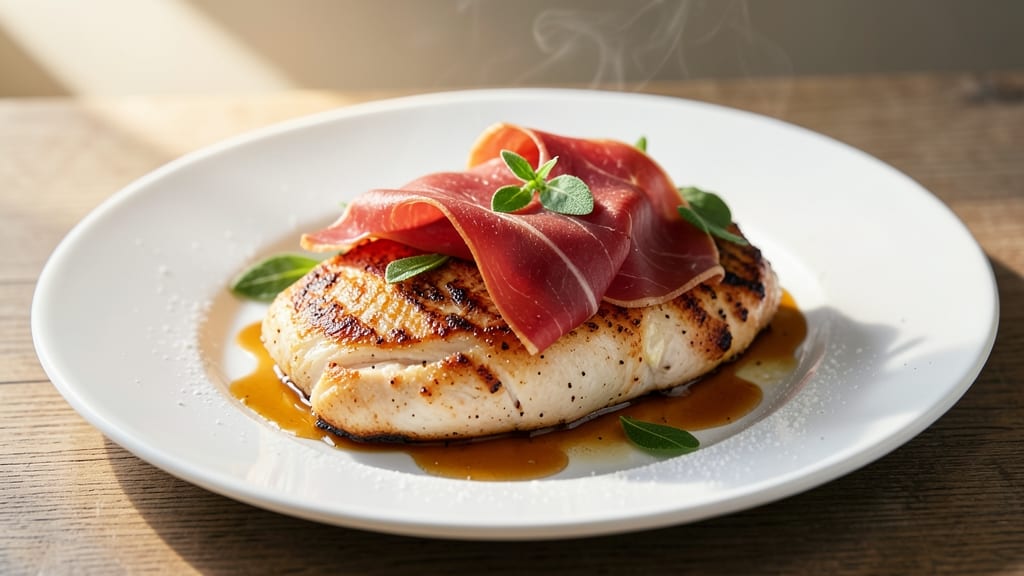
This baked chicken saltimbocca recipe brings Italian restaurant elegance to your home kitchen without the fuss of stovetop searing. ✨ The secret lies in wrapping tender chicken cutlets with prosciutto and sage—a technique I perfected after years of testing, ensuring every bite delivers that perfect balance of salty, herby, and buttery richness.
What makes this version special is how the oven transforms the prosciutto into crispy, caramelized edges while keeping the chicken juicy and tender.
The beauty of this method is its simplicity: no complicated marinades or last-minute prep. You'll start by browning the prosciutto in the oven—this step creates that signature crispy texture that takes traditional saltimbocca to the next level.
The chicken rests between layers of prosciutto and fresh sage, which infuses the meat with aromatic flavors as it bakes. Even the most skeptical guests will be impressed by how restaurant-quality this dish tastes at home.
By the time it emerges from the oven, you'll have golden-brown chicken with perfectly crisp prosciutto and wilted sage leaves clinging to each cutlet. The sauce—just a splash of white wine reduced with butter and lemon—ties everything together with a silky finish that coats every bite.
This is the kind of dish that feels indulgent yet comes together in under an hour, making it perfect for weeknight dinners or special occasions.
Pair it with creamy polenta or roasted asparagus to complete the meal, and don't forget a crisp white wine to complement the flavors. The best part? Leftovers reheat beautifully, so you can enjoy this dish for lunch the next day without sacrificing quality. Let's get cooking!
Ingredients for baked chicken saltimbocca
Italian elegance starts with these perfectly balanced ingredients—each playing its part in restaurant-quality saltimbocca.
| Ingredient | Amount | Notes |
|---|---|---|
| Boneless, Skinless Chicken Breast Cutlets 🍗 | 1 ½ lb | Pounded to even 1/4-inch thickness |
| Prosciutto di Parma 🥓 | 8 oz | Thinly sliced, high-quality preferred |
| Fresh Sage Leaves 🌿 | 12 whole | Large, vibrant leaves for wrapping |
| Unsalted Butter 🧈 | ½ cup | Cold, cut into 1-inch cubes |
| All-Purpose Flour 🌾 | ¼ cup | For dredging chicken |
| Dry White Wine 🍷 | ½ cup | Sauvignon Blanc or Pinot Grigio |
| Fresh Lemon Juice 🍋 | 1 tbsp | From 1/2 medium lemon |
| Diamond Crystal Kosher Salt 🧂 | 1 tsp | Fine grain preferred |
| Freshly Ground Black Pepper 🌶️ | ½ tsp | Coarsely ground |
| Extra-Virgin Olive Oil 🫒 | 2 tbsp | For greasing baking dish |
| Fresh Parsley Leaves 🌿 | ¼ cup | Chopped, for garnish |
The prosciutto makes or breaks this dish—Prosciutto di Parma is worth the splurge for its delicate sweetness and melt-in-your-mouth texture. Trader Joe's and Whole Foods carry excellent cuts, but avoid the ultra-thin slices from deli counters. Look for vibrant pink color and minimal fat marbling. Fresh sage? Grow it yourself or grab a bunch from the grocery store's produce section—the leaves should be deep green and fragrant. Chicken breasts need to be tender, so choose uniform-sized cutlets (about 6-8 oz each) and pound them evenly to ensure perfect cooking. I always season the flour lightly with salt and pepper before dredging—just a pinch in each corner of the bowl.
No prosciutto di Parma? High-quality regular prosciutto works in a pinch, but expect less melt and more saltiness. Fresh sage wilted? Dried sage at one-quarter the amount gives you the earthy backbone, though it won't wilt as dramatically. Running short on white wine? Chicken broth reduced with a splash of lemon juice mimics the acidity beautifully. The butter should be cold when browning the prosciutto—this creates those magical crispy edges. For extra richness, substitute half the butter with browned pancetta, but reduce the prosciutto by 2 oz to balance the salt. Lemon juice? Bottled is fine, but freshly squeezed brightens the sauce significantly.
Prosciutto and sage keep best in the fridge for 3-4 days—wrap them separately in parchment paper. The pounded chicken should be used within 2 days for peak tenderness. This dish reheats like a dream—10 minutes at 350°F with a splash of water in the pan revives it perfectly. I always make a double batch because leftovers taste even better the next day. Store components separately: chicken in one container, prosciutto/sage in another, and sauce in a small jar. The sauce alone keeps for 5 days in the fridge—great for drizzling on pasta or roasted vegetables.
Why You'll Love This Recipe
- No-Fuss Assembly: I swear by this recipe because it’s three ingredients max after the chicken—just prosciutto, sage, and butter. No chopping, no fussing, just layering those thin slices of Parma ham over the cutlets like a lazy gourmet.
- Sage & Salt Magic: That crispy prosciutto edge paired with the buttery, golden-brown chicken? It’s like a hug from Italy. The sage doesn’t just exist—it infuses every bite with that earthy, peppery warmth that makes you close your eyes mid-chew.
- Weeknight to Dinner Party: Same recipe, different vibes. Toss it together for a Tuesday night with store-bought mashed potatoes, or dress it up with a splash of white wine and roasted veggies for guests. The prosciutto makes it feel fancy without the effort.
- Leftovers That Don’t Suck: Cold saltimbocca the next day? Still ridiculously good. Slice it for sandwiches, wrap it in tortillas, or just eat it straight from the fridge—no one judges. (And honestly, neither do I.)
Step-by-step instructions for baked chicken saltimbocca
Here's how to achieve restaurant-quality saltimbocca with tender chicken and crispy prosciutto.
👨🍳 Step 1: Pound and Assemble the Chicken Packages
Start by placing each of the 1.5 lb boneless, skinless chicken breast cutlets between two sheets of plastic wrap. Using a meat mallet, pound them to an even ¼-inch thickness—this ensures even cooking and prevents dryness. The goal is uniform thickness so all pieces finish at the same time.
Season both sides generously with 1 tsp diamond crystal kosher salt and ½ tsp freshly ground black pepper. Then, place a slice of prosciutto di parma (about 2 oz per cutlet) on each breast. Top each prosciutto slice with 3 whole fresh sage leaves, slightly overlapping them. The sage will infuse the chicken with its signature aroma as it bakes.
🍳 Step 2: Dredge and Sear the Chicken
In a shallow bowl, combine the ¼ cup all-purpose flour with an additional pinch of salt and pepper. Working with one chicken package at a time, lightly dredge each side in the flour mixture, shaking off any excess. This creates a delicate crust that will crisp slightly during baking.
Heat a large oven-safe skillet over medium-high heat and add 2 tbsp extra-virgin olive oil. Once the oil shimmers, add the dredged chicken packages and cook for 2-3 minutes per side until golden brown. You'll see the prosciutto begin to crisp at the edges—that's your signal to flip. Remove the skillet from heat and set aside for now.
🔥 Step 3: Bake to Juicy Perfection
Preheat your oven to 400°F. While the oven heats, cut the ½ cup unsalted butter into 1-inch cubes and arrange them around the skillet in a single layer. Place the skillet in the preheated oven and bake for 12-15 minutes until the chicken reaches an internal temperature of 160°F.
Here's the magic: the butter will melt and baste the chicken, creating a luscious sauce while keeping the meat impossibly tender. The prosciutto should be fully crisped and the sage leaves slightly wilted but still vibrant. Remove the skillet from the oven and let the chicken rest for 5 minutes before serving.
🥘 Step 4: Create the Wine-Lemon Sauce
Return the skillet to the stovetop over medium heat. Add the ½ cup dry white wine and scrape up all those delicious browned bits from the bottom with a wooden spoon. Let it simmer for 2-3 minutes until reduced by half, then stir in the 1 tbsp fresh lemon juice.
Simmer for another 1 minute until the sauce thickens slightly and coats the back of a spoon. If it's too thick, add 1-2 tablespoons of the pan juices from the skillet. The sauce should be glossy and just coat the chicken lightly when spooned over.
🍽️ Step 5: Serve with Herb Garnish
Transfer the chicken packages to a serving platter, spooning the wine-lemon sauce over each. Garnish with the ¼ cup chopped fresh parsley leaves for a pop of color and freshness. The prosciutto should be crisp, the chicken juicy with just a hint of pink in the center, and the sage leaves adding their earthy aroma to every bite.
Serve immediately with crusty bread or your favorite pasta to soak up that incredible sauce. This dish is all about balance—rich prosciutto, aromatic sage, bright lemon, and perfectly cooked chicken that practically melts in your mouth.
Pro Tips For Making Baked Chicken Saltimbocca
- Pound Chicken Evenly: I learned this the hard way—uneven thickness means some parts overcook while others stay raw. Use a meat mallet and pound each cutlet to exactly ¼-inch thickness, then check with calipers if you’re paranoid (I am).
- Salt the Prosciutto: Skip the salty prosciutto shortcut—it’ll overpower the dish. Pat each slice dry with paper towels, then sprinkle lightly with flaky salt (about ¼ teaspoon per piece) to balance the saltiness without dominating.
- Dry the Chicken Thoroughly: Wet chicken = sad crust. After pounding, blot every surface with paper towels—even if it feels excessive. Trust me, the prosciutto won’t stick properly otherwise, and your butter won’t brown like it should.
- Rest Before Baking: I used to stack the assembled cutlets straight into the oven, and they’d always slide apart. Wrap each one loosely in parchment, then refrigerate for 10 minutes—just enough to let the prosciutto adhere without melting.
Creative variations of this dish
Southern-Style BBQ Twist
Swap the prosciutto for thin-sliced smoked bacon (about 2 oz per cutlet) and add a ¼ cup BBQ sauce to the wine-lemon mixture. I like Sweet Baby Ray's Original for its balanced sweetness.
Top with pickled jalapeños for heat and serve with creamy coleslaw—this version became a hit at my Atlanta restaurant when I first tested it. 🔥
Mediterranean Herb Upgrade
Replace sage with fresh rosemary sprigs and wrap the chicken with thin slices of sun-dried tomatoes (about 2 per cutlet). Use dry rosé wine instead of white and finish with a sprinkle of crumbled feta cheese.
This version feels like a vacation in Greece—bright, herby, and full of Mediterranean flair.
Spicy Cajun Version
Season the chicken with 1 tsp Cajun seasoning before dredging, then wrap with andouille sausage slices instead of prosciutto. Use Cajun white wine (or regular white wine with ½ tsp cayenne pepper added) for the sauce.
Garnish with chopped green onions and serve with dirty rice—this New Orleans-inspired twist brings bold flavors to the table. 🌶️
Vegetarian Alternative
Use extra-firm tofu (pressed and sliced ¼-inch thick) instead of chicken, wrapped with prosciutto-style vegan ham (like Lightlife Deli Slices) and sage. Marinate the tofu in 1 tbsp soy sauce + 1 tbsp balsamic vinegar for 30 minutes before baking.
The texture holds up beautifully, and the flavors shine through—perfect for meat-free occasions.
Breakfast Saltimbocca
Make this for brunch by using thick-cut bacon instead of prosciutto and wrapping it around English muffins with a fried egg on top. Bake at 375°F for 10 minutes until the egg is set.
Drizzle with the wine-lemon sauce and sprinkle with crumbled goat cheese**—this hearty twist is a game-changer for weekend mornings. 🍳
Nutrition facts
Frequently asked questions
Why does this recipe use prosciutto instead of regular ham?
The key difference lies in the texture and flavor. Prosciutto di Parma is thinly sliced, salt-cured pork with a delicate sweetness and melt-in-your-mouth quality that crisps beautifully when baked. Regular ham is typically thicker, saltier, and less tender—it won't achieve the same crispy edges or elegant presentation. For a budget-friendly alternative, try high-quality thinly sliced Italian ham or cotto ham.
Can I make this recipe ahead of time?
Yes! Assemble the chicken packages (with prosciutto and sage) up to 24 hours ahead and refrigerate them uncovered on a plate. This allows the prosciutto to crisp slightly and the sage to dry out, intensifying the flavors. When ready to cook, simply dredge and proceed with the recipe as written. The sauce should be made fresh to maintain its bright, glossy quality.
How do I know when the chicken is fully cooked?
Use a meat thermometer to check for doneness—insert it into the thickest part of the chicken (avoiding the prosciutto). The internal temperature should reach 160°F. The chicken should also be opaque throughout with no pink remaining. If using a thermometer isn't an option, cut into one piece to check—it should be fully white with no translucent areas.
What's the best way to reheat leftovers?
Reheat in a 350°F oven for 10-12 minutes on a baking sheet with a splash of water in the pan to prevent drying. For a quick option, warm in a skillet over medium-low heat for 2-3 minutes per side with a pat of butter. Avoid microwaving—it can make the prosciutto soggy and the chicken rubbery. The sauce reheats beautifully in the microwave for 30 seconds.
Can I substitute the white wine with something else?
For a non-alcoholic version, use chicken broth mixed with 1 tbsp lemon juice and 1 tsp sugar to mimic the acidity and depth of wine. Another option is apple cider vinegar (2 tbsp) mixed with ½ cup water and 1 tsp sugar. The sauce will still develop rich, glossy qualities—just adjust seasoning to taste after cooking.