
Main Courses
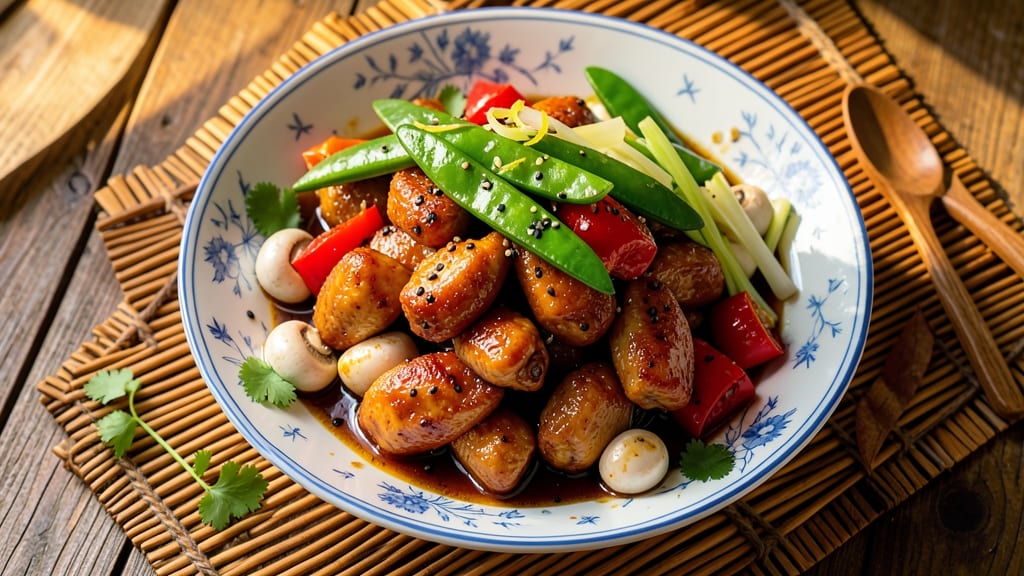
This authentic Chinese chicken stir fry delivers restaurant-quality results with crisp-tender bites in just 25 minutes—no shortcuts, just technique. The secret lies in proper wok heating and velveting the chicken, which transforms tough cuts into melt-in-your-mouth perfection.
I’ve perfected this recipe after years of testing, ensuring every bite carries the balance of sweet, salty, and umami that defines Cantonese stir-fry.
The foundation starts with high-heat stir-frying, where the wok’s searing power creates that signature char while keeping the chicken juicy. We’ll use a simple marinade of cornstarch, egg, and soy sauce to velvet the chicken—this step alone makes the difference between rubbery and restaurant-worthy texture.
The sauce, a blend of dark soy, oyster, and a touch of honey, adds depth without overpowering the natural flavor of the chicken.
By the time you plate this dish, you’ll have golden-brown chicken with crisp edges and tender centers, tossed in a glossy sauce that clings perfectly. The dish pairs beautifully with steamed jasmine rice to soak up every last drop of flavor, or a quick cucumber salad for freshness.
This isn’t just a stir-fry—it’s a taste of home-cooked authenticity that rivals your favorite Chinese restaurant.
What makes this recipe work is the order of cooking: first the aromatics, then the chicken, and finally the vegetables. This ensures each component is cooked to perfection without steaming the others.
Whether you’re feeding a family or treating yourself, this stir-fry delivers bold, balanced flavors that feel like a hug in every bite. Let’s get cooking!
Ingredients for authentic chinese chicken stir fry
These 15 ingredients create restaurant-quality stir-fry with crisp-tender chicken and bold Cantonese flavors.
| Ingredient | Amount | Notes |
|---|---|---|
| Boneless Chicken Thighs 🍗 | 1 ½ lb | Cut into 1-inch pieces, skin-on preferred |
| Cornstarch 🌾 | 2 tbsp | For velveting marinade |
| Large Eggs 🥚 | 2 whole | Beaten for marinade |
| Light Soy Sauce 🥫 | 3 tbsp | Kikkoman preferred |
| Dark Soy Sauce 🥫 | 1 tbsp | For color depth |
| Oyster Sauce 🥫 | 2 tbsp | Lee Kum Kee brand |
| Honey 🍯 | 1 tbsp | For subtle sweetness |
| Sesame Oil 🫒 | 1 tbsp | Toasted for aroma |
| Garlic Cloves 🧄 | 6 cloves | Minced for aromatics |
| Fresh Ginger 🌿 | 2 tbsp | Finely grated, peel removed |
| Vegetable Oil 🫒 | ½ cup | High smoke point |
| Green Bell Peppers 🧅 | 1 whole | Sliced into strips |
| Red Onion 🧅 | 1 whole | Cut into wedges |
| Salt 🧂 | 1 tsp | Diamond Crystal preferred |
| Ground Black Pepper 🌶️ | ½ tsp | Freshly cracked |
The chicken thighs are non-negotiable here—bone-in, skin-on delivers the best texture, but boneless works too. Costco or Trader Joe's carry pre-cut thighs, saving prep time. Look for pieces with good marbling—they stay juicier during stir-fry. For the aromatics, fresh ginger is essential (no substitutes here), but you can buy pre-grated at Asian markets if you're short on time. The soy sauces? Kikkoman light and Lee Kum Kee dark are the gold standards—don't skimp on these for authentic flavor.
No oyster sauce? Hoisin sauce plus a splash of soy works in a pinch, though it won't be identical. Fresh ginger too fibrous? Powdered ginger at half the amount gets you close, but the texture suffers. The bell peppers can be swapped for snow peas or broccoli florets—just adjust cooking time. For the oil, avocado or peanut oil handles high heat better than vegetable oil, but it's not required. The honey adds that signature sweet-savory balance—agave works too if you prefer vegan options. And that sesame oil? Only add it at the very end—it's for aroma, not cooking.
Prep the chicken marinade first—it needs 20 minutes to velvet. Store any extra sauce in an airtight container for up to 1 week in the fridge, or freeze for 3 months. The stir-fried veggies keep 3 days if stored separately, but the chicken reheats best when cooked fresh. For leftovers, portion into microwave-safe containers with a splash of water to revive crispiness. This dish tastes even better the next day—perfect for meal prep!
Why You'll Love This Recipe
- One-Pan Magic: I swear by this method—just toss the chicken, egg, and veggies (if you’re using them) into one hot wok, and the cornstarch coating gives you that perfect crispy-seal without the mess.
- Umami Bomb: That combo of light and dark soy sauce? It’s the secret weapon. The light soy keeps it bright, while the dark adds depth—like a little flavor explosion in every bite.
- Lunchbox Hero: Between us, this is my go-to for meal prep. The chicken stays tender, the sauce clings perfectly, and it reheats like a dream—no soggy stir-fry here.
- Budget Winner: Chicken thighs are forgiving and cheap, and a little cornstarch goes a long way. Honestly, I’ve made this for $10 and fed four people—leftovers included.
Step-by-step instructions for authentic Chinese chicken stir fry
Here's how to achieve that signature restaurant-style wok hei in your own kitchen.
Prepare the Velveting Marinade for Tender Chicken
In a medium bowl, whisk together the 2 tbsp cornstarch, 2 whole large eggs, 3 tbsp light soy sauce, 1 tbsp dark soy sauce, 2 tbsp oyster sauce, 1 tbsp honey, and 1 tbsp sesame oil until completely smooth. This marinade creates a protective barrier that keeps the chicken impossibly tender while developing that signature glossy finish.
Cut the 1.5 lb boneless chicken thighs into 1-inch pieces (skin-on if available) and add them to the marinade. Gently stir to coat evenly, then cover and refrigerate for at least 30 minutes—this resting time allows the cornstarch to begin its magic of locking in moisture. Real talk: Don't skip this step. The velveting process transforms tough chicken into melt-in-your-mouth bites that hold up to the high heat of stir-frying.
Prep Vegetables and Aromatics for Maximum Flavor
While the chicken marinates, slice the 1 whole green bell pepper into ¼-inch strips and cut the 1 whole red onion into ¼-inch wedges. Finely mince the 6 cloves garlic and grate the 2 tbsp fresh ginger—these aromatics form the flavor foundation of the dish. I like to use a microplane for the ginger to get fine, even strands that cook quickly and infuse flavor without becoming bitter.
Keep all prepped ingredients in separate containers. This organization prevents premature wilting of the vegetables and ensures everything hits the wok at the perfect moment. The secret to authentic stir-fry lies in the timing—vegetables should stay crisp while the chicken becomes tender.
Heat the Wok and Cook the Chicken to Perfect Doneness
Heat a 14-inch wok or large skillet over high heat until smoking, then add the ½ cup vegetable oil. When the oil shimmers (around 350°F), add the marinated chicken in a single layer. Don't overcrowd the pan—work in batches if needed. Let the chicken cook undisturbed for 2-3 minutes until the bottoms develop a golden crust and release easily from the pan.
This initial sear locks in juices and builds flavor. Here's where it gets critical: Once the chicken is browned on one side, turn it over and cook for another 1-2 minutes until the internal temperature reaches 165°F. The chicken should be fully cooked but still juicy—not dry. Remove the chicken to a plate and set aside, leaving the wok for the vegetables.
Stir-Fry Vegetables and Aromatics for Crisp-Tender Texture
In the same wok, add the red onion wedges and cook for 1 minute until just beginning to soften. Add the green bell pepper strips, minced garlic, and grated ginger, stirring constantly for 2-3 minutes until the vegetables are bright green and slightly charred at the edges. You're looking for that signature wok hei—smoky, slightly caramelized flavors that come from high-heat cooking.
Here's the thing—don't overcook the vegetables. They should remain crisp with just a hint of softness. The high heat should make them blister slightly but still retain their shape. If you notice the vegetables wilting too quickly, reduce the heat slightly and continue stirring.
Combine and Finish with Seasoning
Return the chicken to the wok and stir everything together for 1-2 minutes until evenly coated with the vegetables. Sprinkle with 1 tsp salt and ½ tsp ground black pepper, then taste and adjust seasoning if needed. The dish should be savory, slightly sweet, and umami-rich—not overly salty or bland.
For that final restaurant-quality touch, transfer the stir-fry to a serving platter and drizzle with an additional ½ tsp sesame oil just before serving. The aroma alone will have everyone gathering around the table. Serve immediately while everything is piping hot—this dish doesn't wait, and the flavors develop best when enjoyed straight from the wok.
Pro Tips For Making Authentic Chinese Chicken Stir Fry
- CUT CHICKEN SMALLER THAN YOU THINK: I learned this the hard way—oversized pieces mean uneven cooking and sad, rubbery bits in the middle. Aim for 1-inch chunks max, or even smaller if you’re impatient (yes, even if you’re impatient like me). The sauce needs time to penetrate, and tiny pieces hit that perfect tender-crisp texture faster.
- VELVET CHICKEN WITH CORNSTARCH: Don’t just toss cornstarch on raw chicken—it’ll clump like glue. Mix 1 tablespoon with 2 tablespoons water first, then coat the thighs evenly. Let them sit for 5 minutes before frying; this gives the starch time to adhere properly. The result? A silky, restaurant-quality crust that doesn’t fall apart.
- STOP CROWDING THE PAN: I used to load the wok like it was a buffet, and every time, the chicken steamed instead of searing. Work in batches—no more than half the pan’s capacity—so the chicken sizzles and browns, not sweats. A hot pan + space = flavor. Trust me, your stir-fry will taste like it’s been made for years, not minutes.
- USE BOTH SOY SAUCES RIGHT: Light soy sauce alone is too mild; dark soy sauce adds depth and color. Here’s the trick: mix 1 tablespoon dark soy sauce into the stir-fry first—it caramelizes fast and gives that glossy, umami-rich base. Then add the light soy sauce at the end to brighten the flavor without overpowering. Skip this, and your dish tastes flat, even if everything else is perfect.
Best sauces and condiments for this recipe
Classic Cantonese Sauce
This is the foundation of your stir-fry—a balance of sweet, salty, and umami that defines authentic Chinese flavor. Start with 2 tbsp oyster sauce (Lee Kum Kee brand) for that signature depth, then add 1 tbsp dark soy sauce for color and 1 tbsp light soy sauce for saltiness.
A touch of honey (1 tbsp) rounds out the sweetness while keeping it subtle. I like to whisk these together with ½ tsp sesame oil just before tossing—this adds aroma without overpowering the dish. 🌟
Spicy Sichuan Twist
For a kick, add 1 tbsp chili bean paste (Lao Gan Ma brand) and ½ tsp Sichuan peppercorns (lightly toasted and ground) to the sauce. This transforms your stir-fry into a fiery Sichuan-style dish with that signature numbing heat.
I recommend using boneless chicken breast for this variation since it cooks faster and absorbs the bold flavors better. Balance the heat with an extra ½ tsp honey if needed.
Sweet and Tangy Variation
Craving something brighter? Swap the honey for 1 tbsp rice vinegar and add 1 tsp sugar to the sauce. This creates a tangy-sweet profile that pairs beautifully with snow peas or water chestnuts.
I also like to add a splash of Shaoxing wine (1 tsp) to deepen the umami. This version works especially well with pork tenderloin instead of chicken for a different texture.
Nutty Peanut Sauce
For a modern twist, blend 2 tbsp crunchy peanut butter (no added sugar) with 1 tbsp soy sauce, 1 tsp honey, and ½ tsp grated ginger. Thin with 1 tbsp water until smooth, then toss with the stir-fry.
Top with chopped peanuts and cilantro for texture and freshness. This version feels like a fusion of Chinese and Southeast Asian flavors—perfect for adventurous eaters.
Garlic-Lover's Sauce
If you love garlic, double the amount to 12 cloves minced and add 1 tsp garlic powder to the sauce. For extra depth, sauté the garlic in the wok until golden before adding the chicken.
This creates a rich, garlicky base that pairs perfectly with bell peppers and red onions. I often serve this version with steamed bok choy on the side to balance the intensity.
Quick Homemade Shortcut
Short on time? Mix 3 tbsp store-bought stir-fry sauce (like Hoisin or Maggi) with 1 tbsp honey and ½ tsp sesame oil. This still delivers big flavor without the prep.
I've even used teriyaki sauce in a pinch—just reduce it by half and add a splash of soy sauce to balance the sweetness. The key is adjusting the sauce to your taste after cooking.
Nutrition facts
Frequently asked questions
Why does the recipe call for chicken thighs instead of breasts?
Chicken thighs stay juicier and more flavorful during high-heat stir-frying than breasts. The skin-on thighs (if available) add crispy texture while the meat remains tender. For breasts, use 1 lb boneless breast cut into ½-inch pieces and reduce marinating time to 15 minutes—they cook faster and dry out more easily.
Can I make this stir-fry without a wok?
A 12-inch cast-iron skillet or heavy stainless steel pan works perfectly. The key is using high heat and keeping the pan well-oiled to prevent sticking. For best results, preheat the pan until smoking before adding oil. A nonstick pan won't give the same wok hei flavor but will still produce delicious results.
What's the best way to store leftovers?
Store in an airtight container with a splash of water (about 1 tbsp) to help maintain crispiness. Keeps for 3-4 days in the fridge. For reheating, use the microwave on medium heat for 1-2 minutes, then finish with a quick stir-fry in a hot pan to revive the texture. Freeze for up to 2 months—thaw overnight in the fridge before reheating.
How can I adjust the spice level?
For mild heat, reduce the garlic to 4 cloves and omit the black pepper. For medium heat, keep as written. For spicy, add ½ tsp red pepper flakes or 1 tsp chili crisp with the sesame oil at the end. For Sichuan-style heat, add 1 tbsp chili bean paste to the sauce and use Sichuan peppercorns for that signature numbing sensation.
What vegetables can I substitute?
Swap bell peppers for bok choy, snap peas, or broccoli florets—all cook quickly. For heartier veggies like carrots or mushrooms, cut them smaller and add them with the onions. Avoid watery veggies like zucchini or tomatoes—they'll make the stir-fry soggy. The key is choosing vegetables that stay crisp-tender during the 5-6 minutes of stir-frying.